Huesca isn't the first destination that comes to mind when someone thinks of Spain. But I have to say, that's exactly what surprised us. The region holds a collection of medieval stone villages, squeezed onto hillsides, on the edge of rocky cliffs, or simply frozen in time, with hardly anyone knowing they exist.
We did this route in a van, which gave us the freedom to arrive early, leave late, and sleep wherever night caught up with us. But the places we're sharing here work for any type of traveler. Here we've put together our favorite stops and the information that actually matters when hitting the road. You'll find the villages we liked the most, where it's easiest to park in the old towns, and the restaurants we tested and approved along the way.
Alquézar
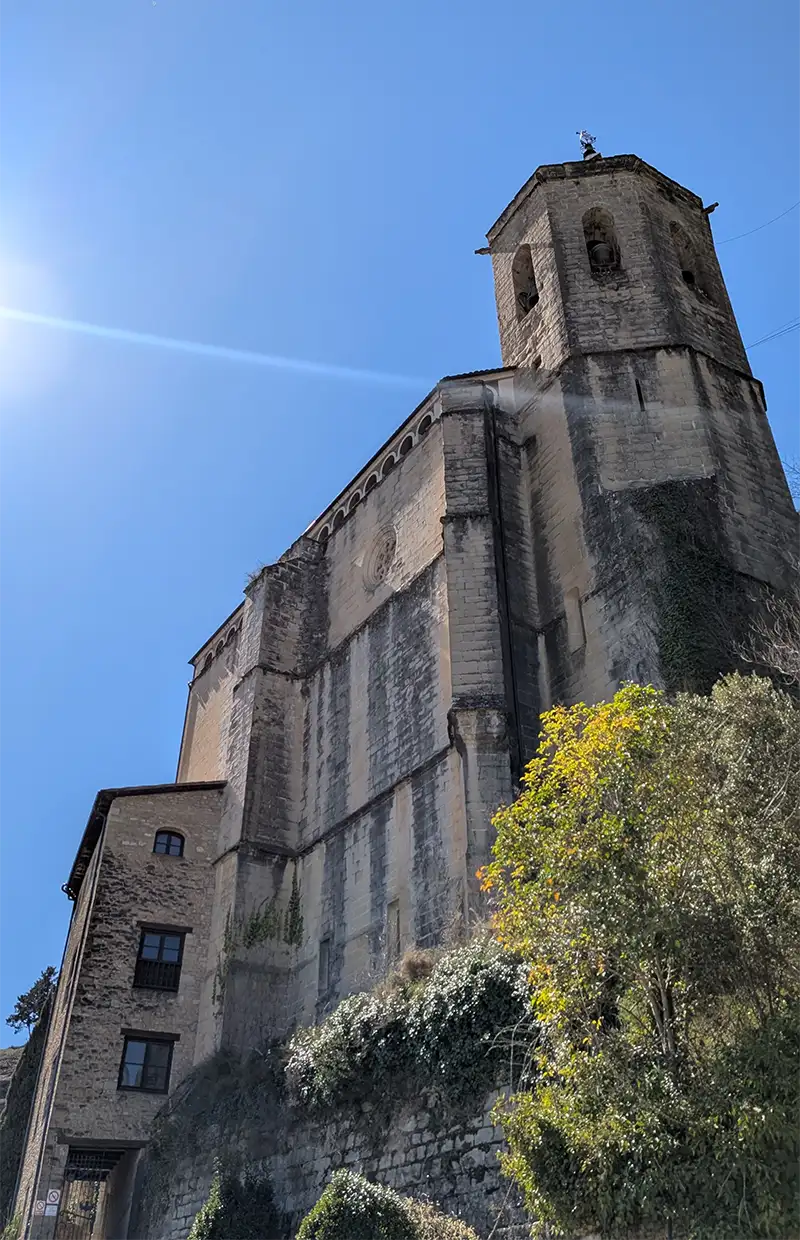
And the collegiate church on the mountain
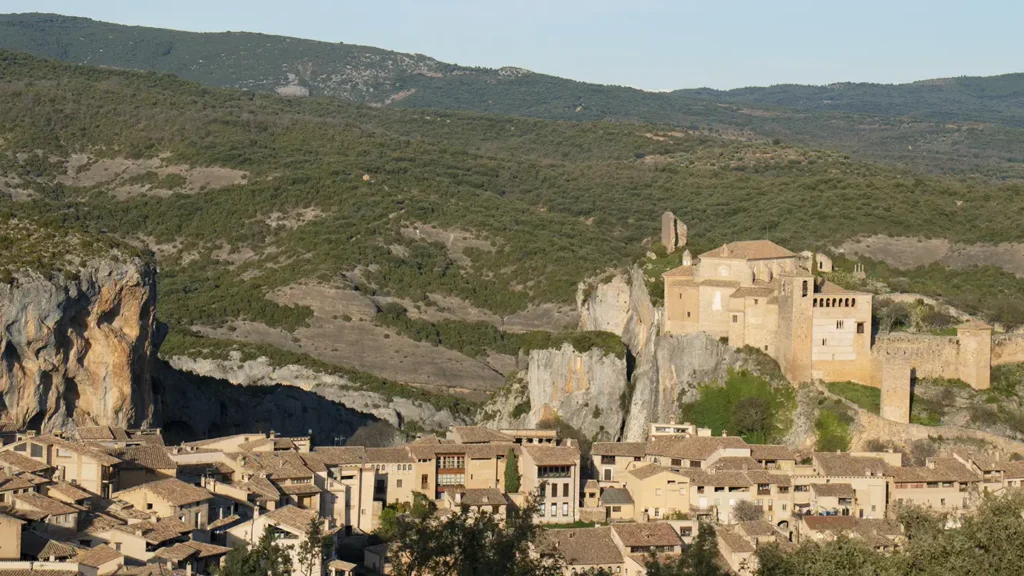
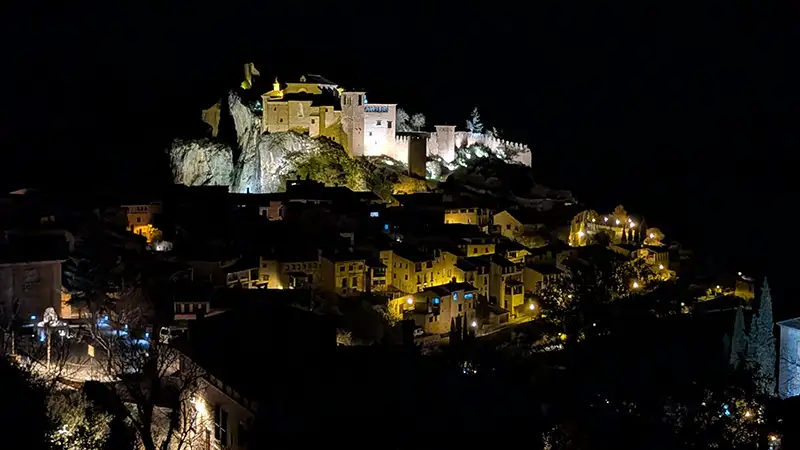
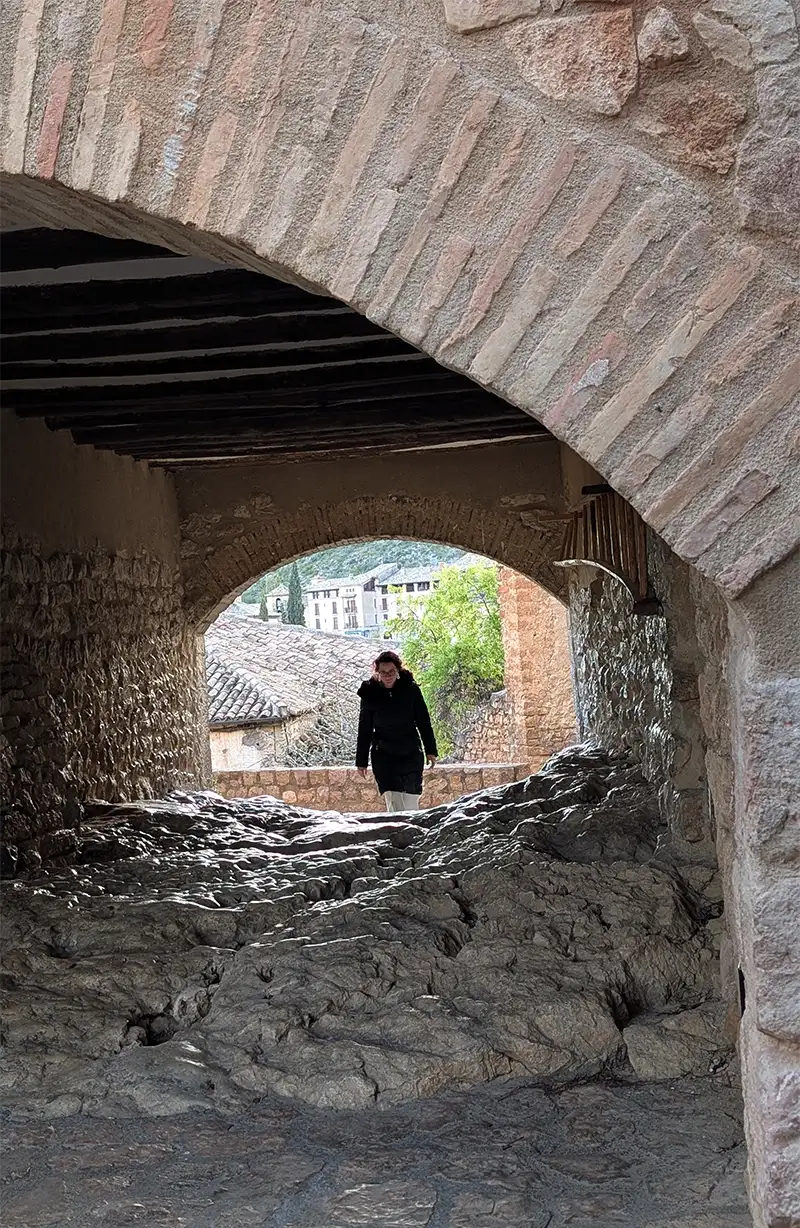
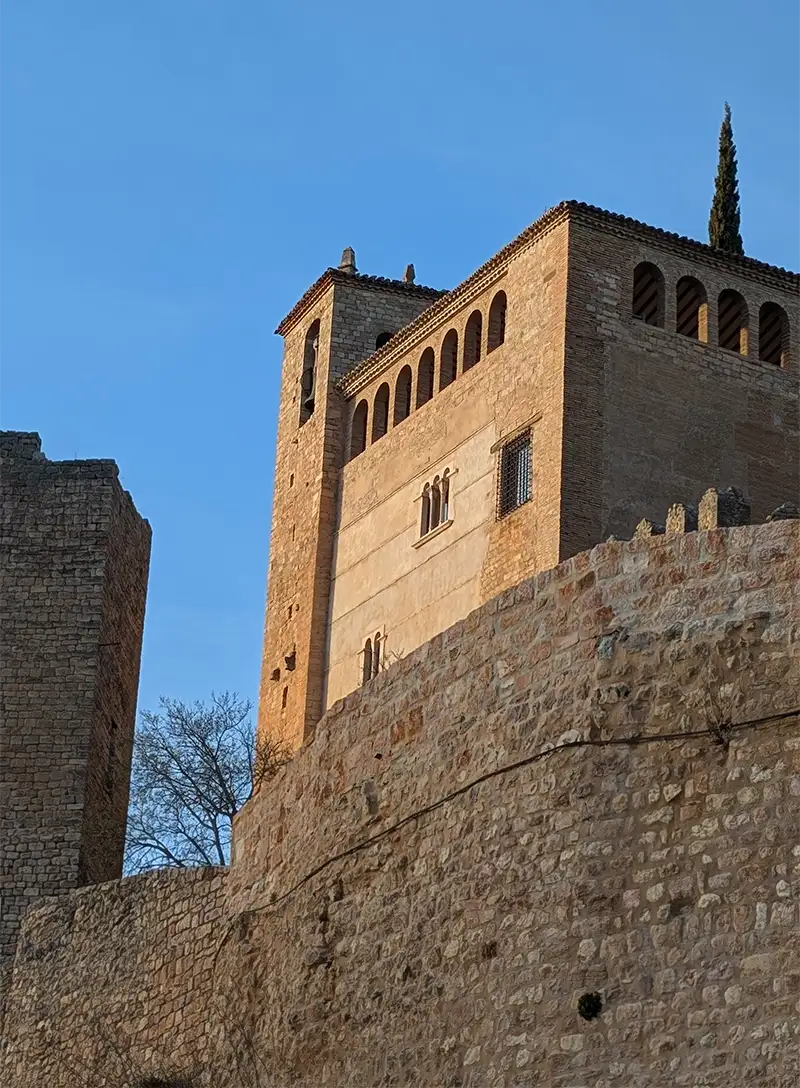
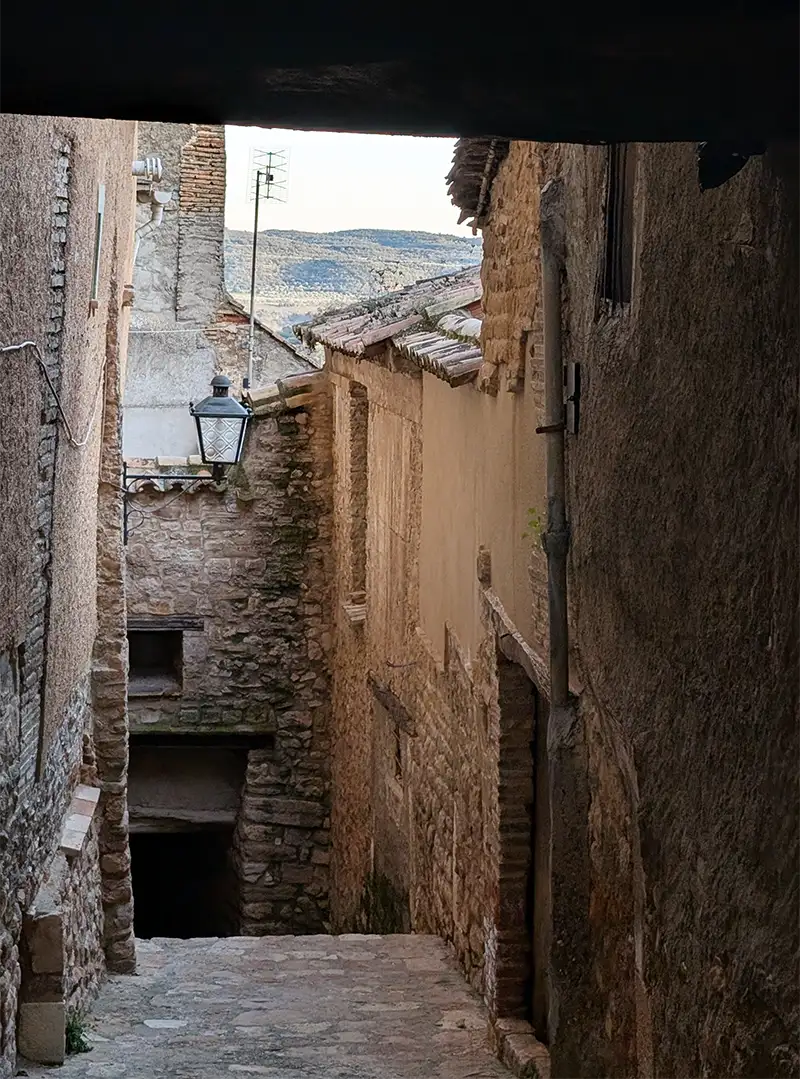
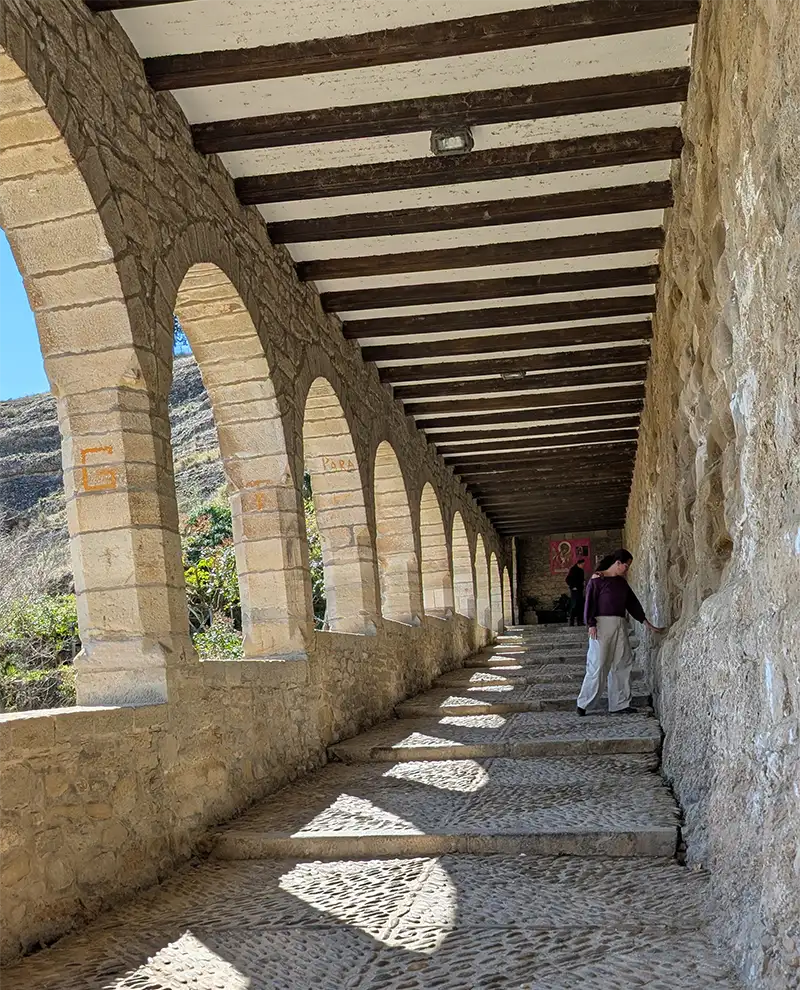
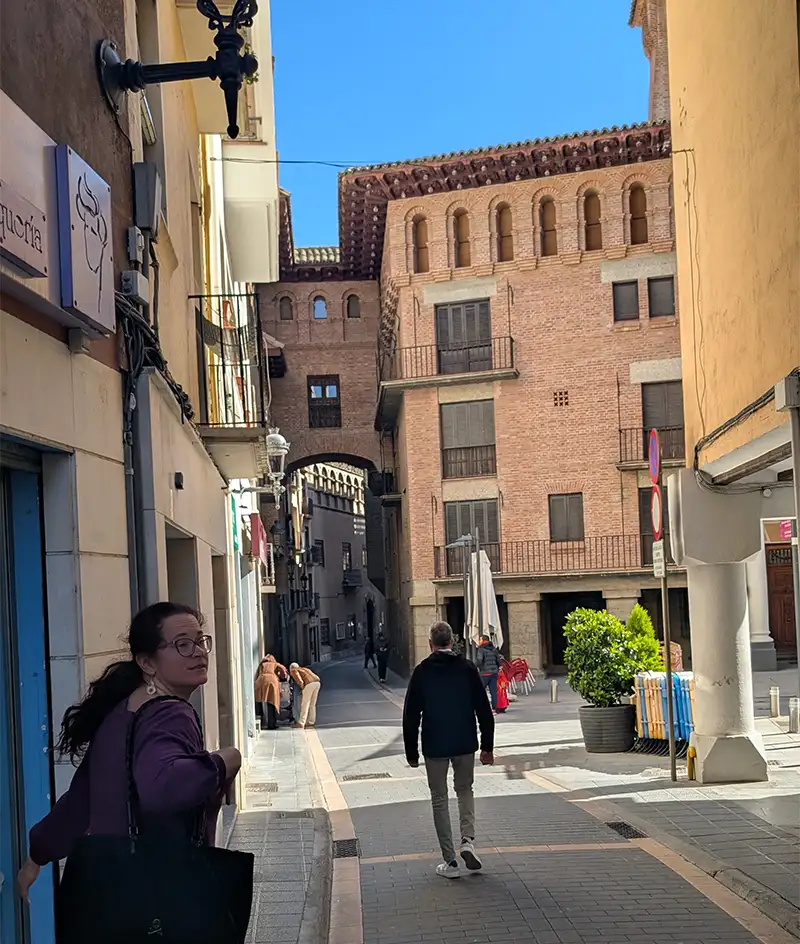
The village of Alquézar is an absolute fantasy in the sense that it looks like it came straight out of a fairy tale. It is entirely built of stone and sits right on the edge of a mountain, with incredible views from any angle. We were there on a Monday, and I think that's why we had the privilege of walking through the historic center almost entirely alone.
The town is the starting point for those who want to hike through the Sierra de Guara canyons and see the World Heritage rock art shelters up close. We didn't do any of those tours, but I have to say that just walking around the village is already amazing.
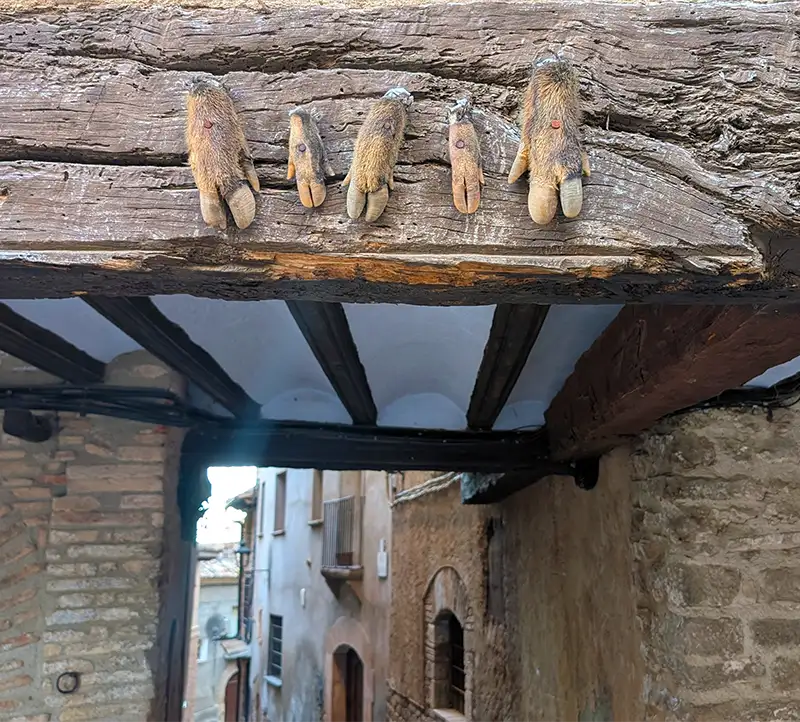
A curious detail that made us stop in the main square was a wooden arch with five pig legs hanging from it. This is an old custom in the region that served both to attract good luck and to show, centuries ago, that the village was Christian (since eating pork was forbidden in other religions). Today, the gesture survives as a symbol of the matanza tradition and the pride in local cured meats.
Where to park
The parking lot that allows overnight stays is a bit far from the historic town and doesn't offer a direct view of the village itself. You need to take a short walk to reach the heart of it. We paid €8 to spend the night there in the van. If you are in a regular car, there is another parking lot closer where you can leave your car.
See map
Where to eat
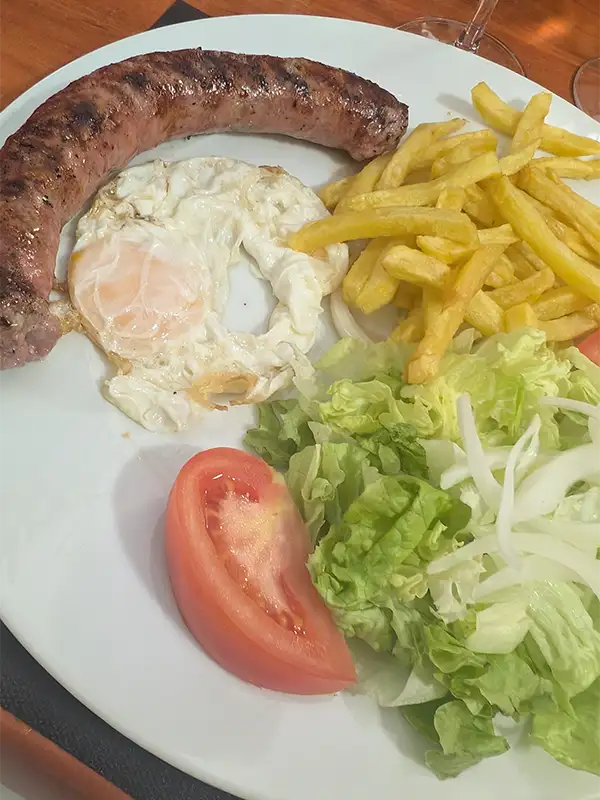
We arrived on a Monday and the town was half empty with almost everything closed. We ate at Casa Jabonero where we ordered the house menu for €25 and tried the longaniza, which is a local specialty. It was delicious and we recommend it! Also try the local wine (Somontano), "it goes down very easily", as they say around here.
See map
Graus
And the Sanctuary in the rock
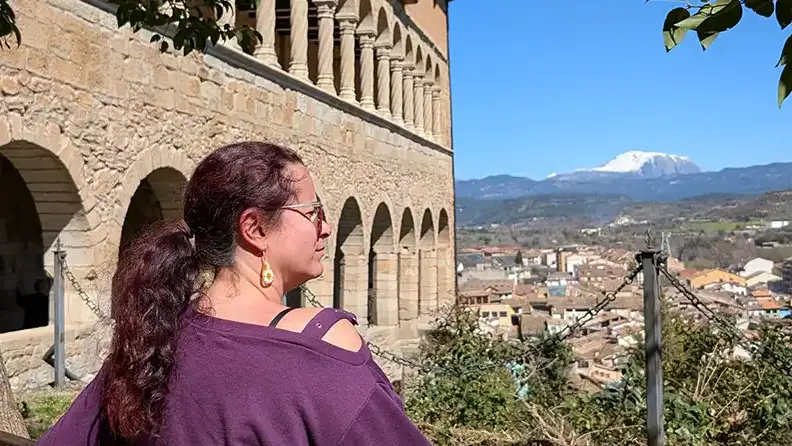
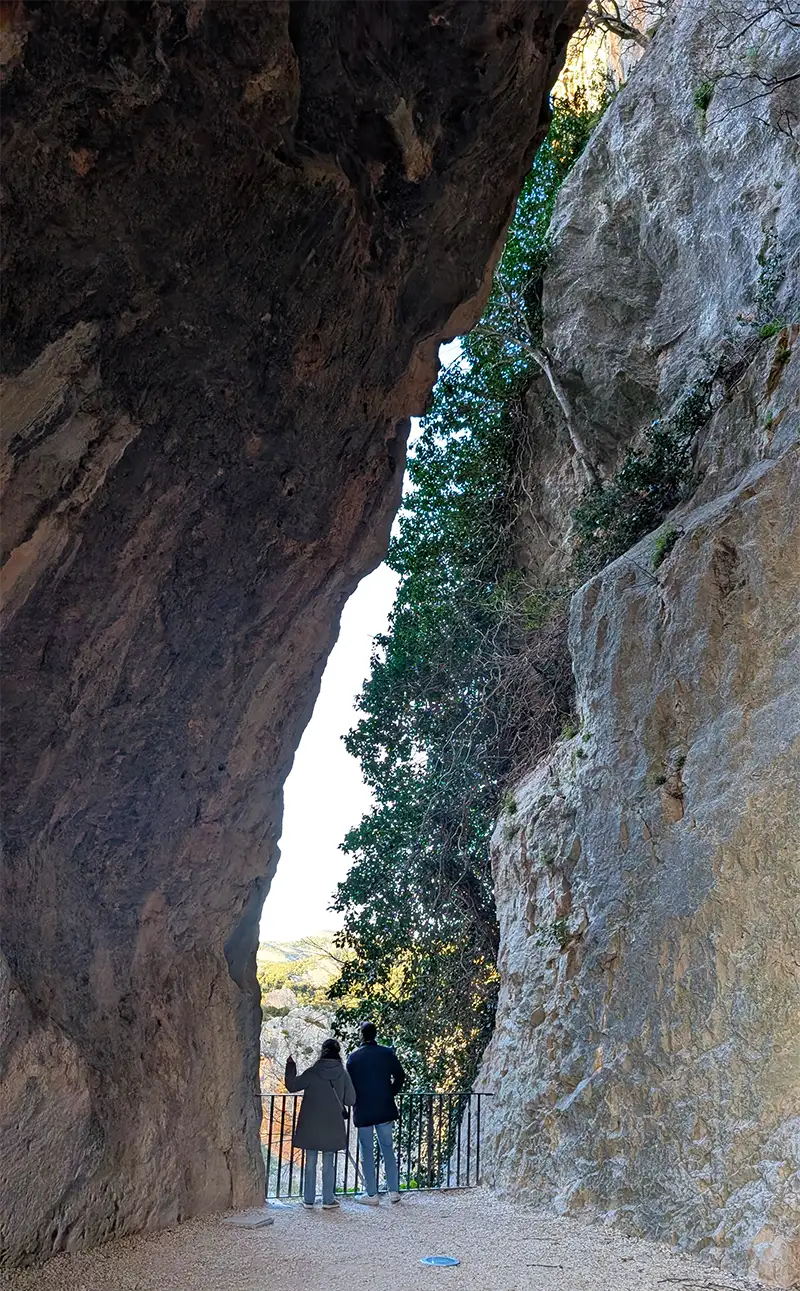
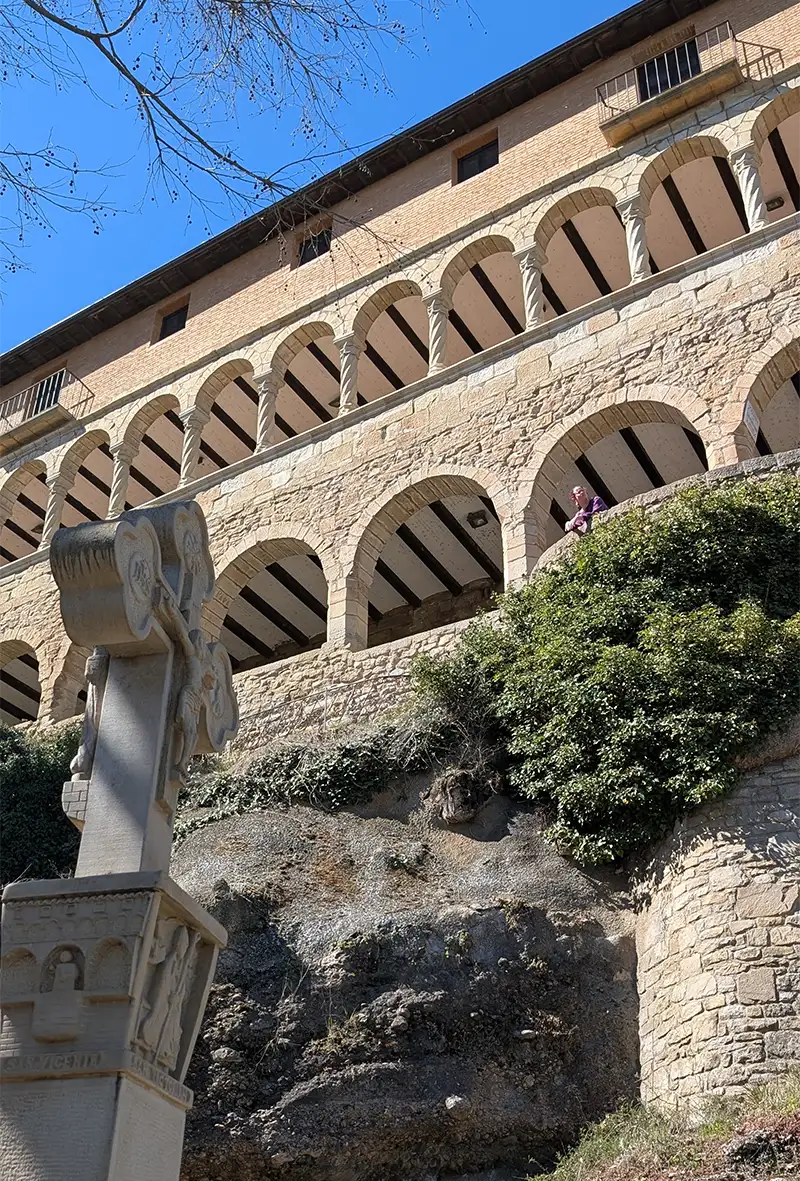
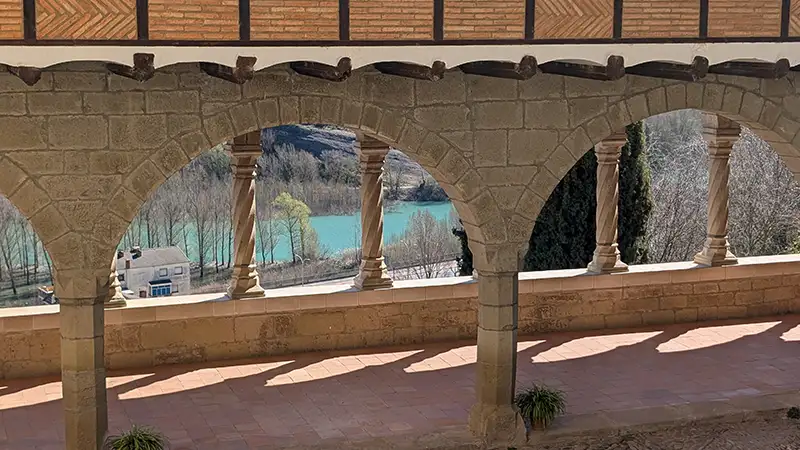
Although Graus doesn't have that rustic and homogeneous aesthetic of Alquézar on every street, the town holds a jewel that justifies the detour. The Santuario de la Virgen de la Peña is a masterpiece carved into the rock. The arch structure and the way the building blends with the mountain create a beautiful setting for photos and contemplation.
We visited on a Tuesday and again we were lucky enough to be practically alone.
Where to eat
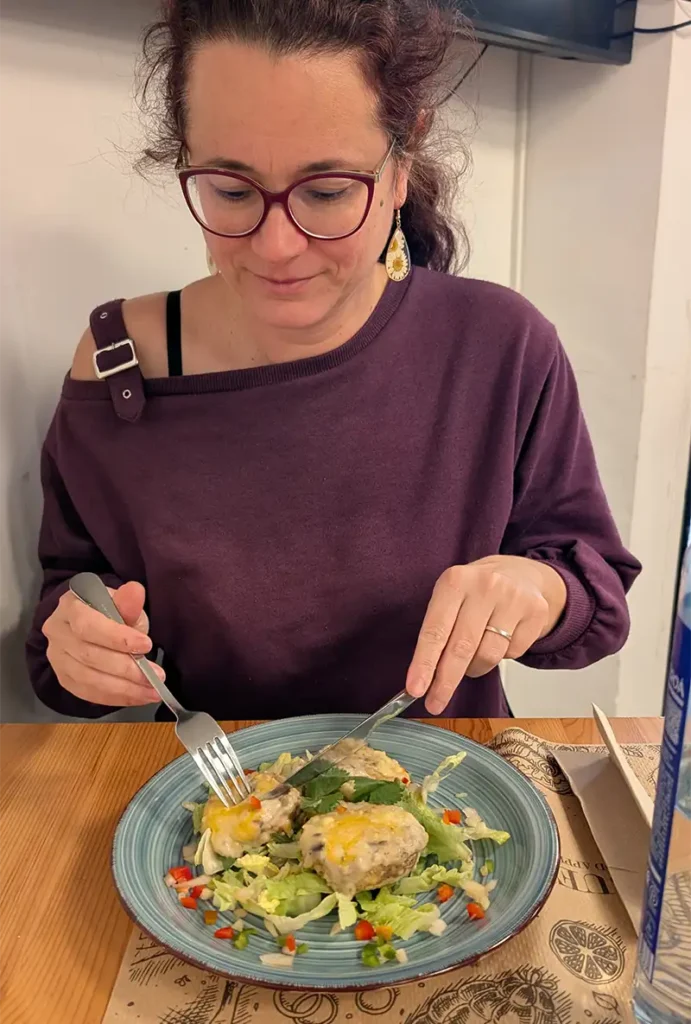
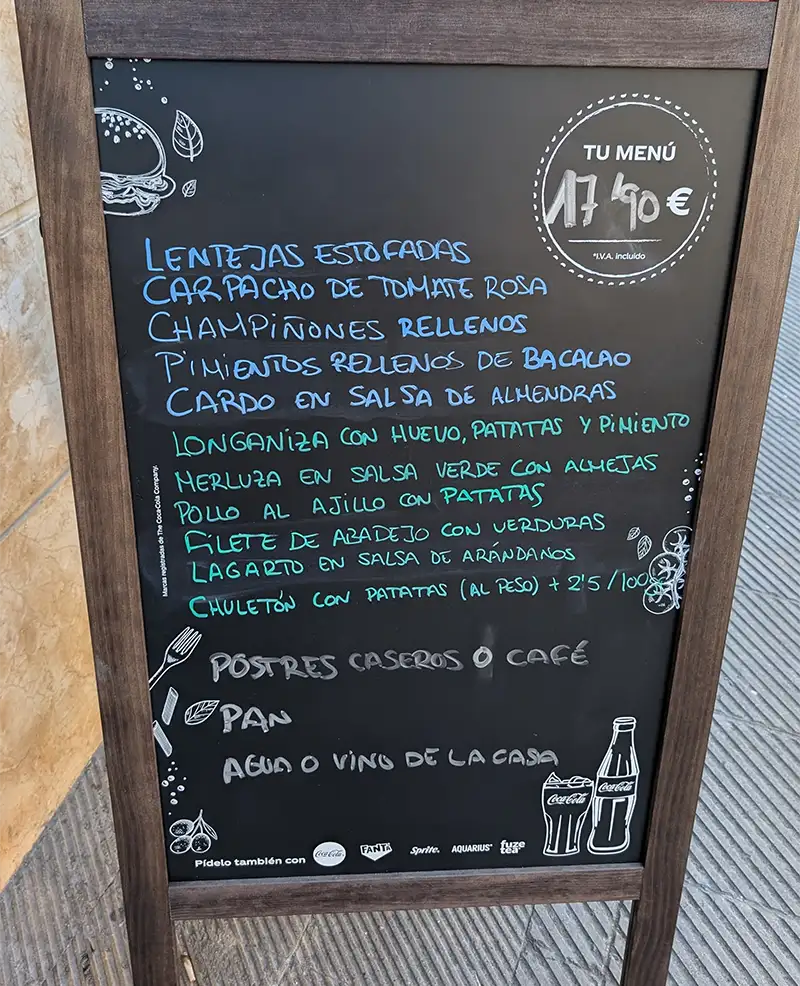
We ate very well and cheaply at Restaurante Bar Abecé. The menu cost €17.90. I ordered stuffed mushrooms and a lagarto with blueberry sauce (a cut of Iberian pork). My husband ordered a pink tomato carpaccio and longaniza with egg that was spectacular.
See map
Montañana
The magical medieval village
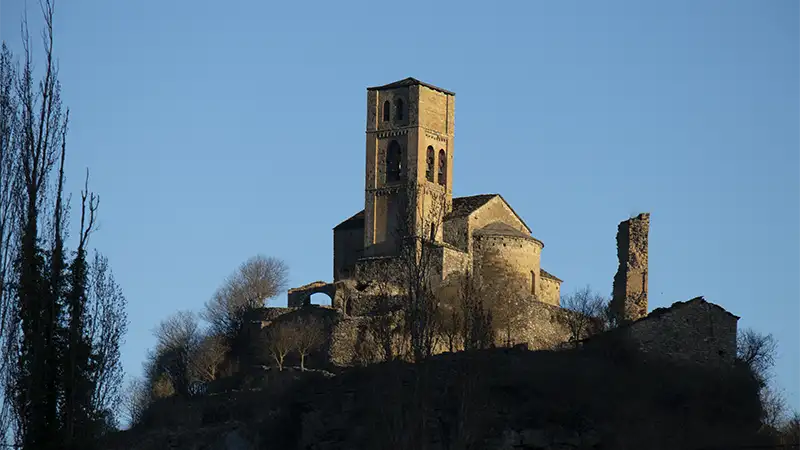
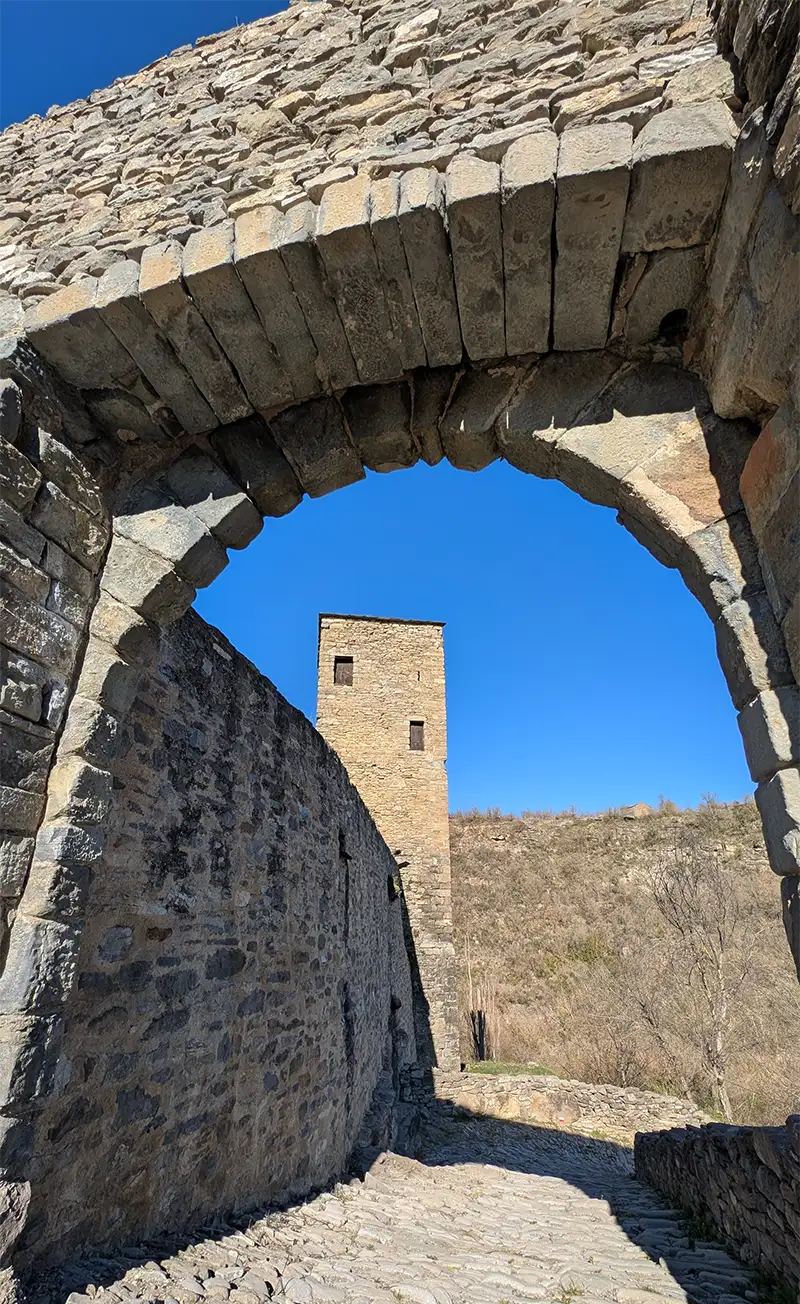
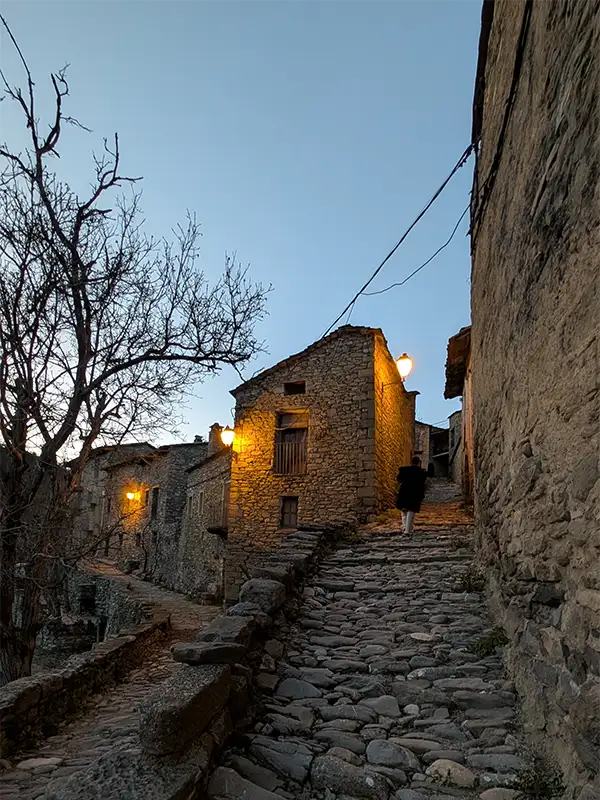
This place seems to have stopped in time and was one of the most magical experiences of the trip. The village is semi-abandoned and super medieval. We walked up the little stone streets until we found the Romanesque Church of Santa María de Baldós and the Torre de la Mora with a cemetery behind it.
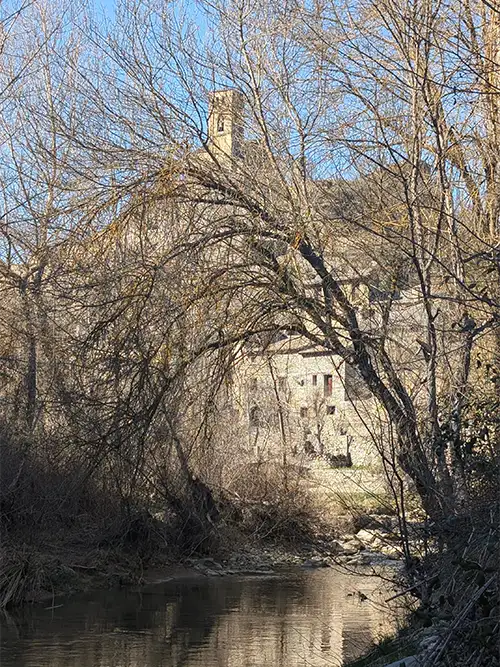
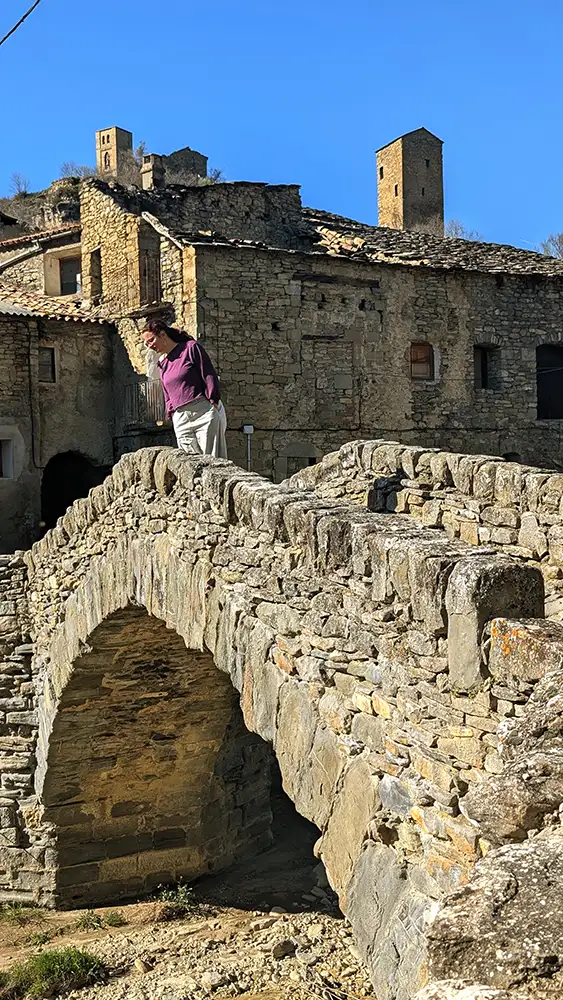
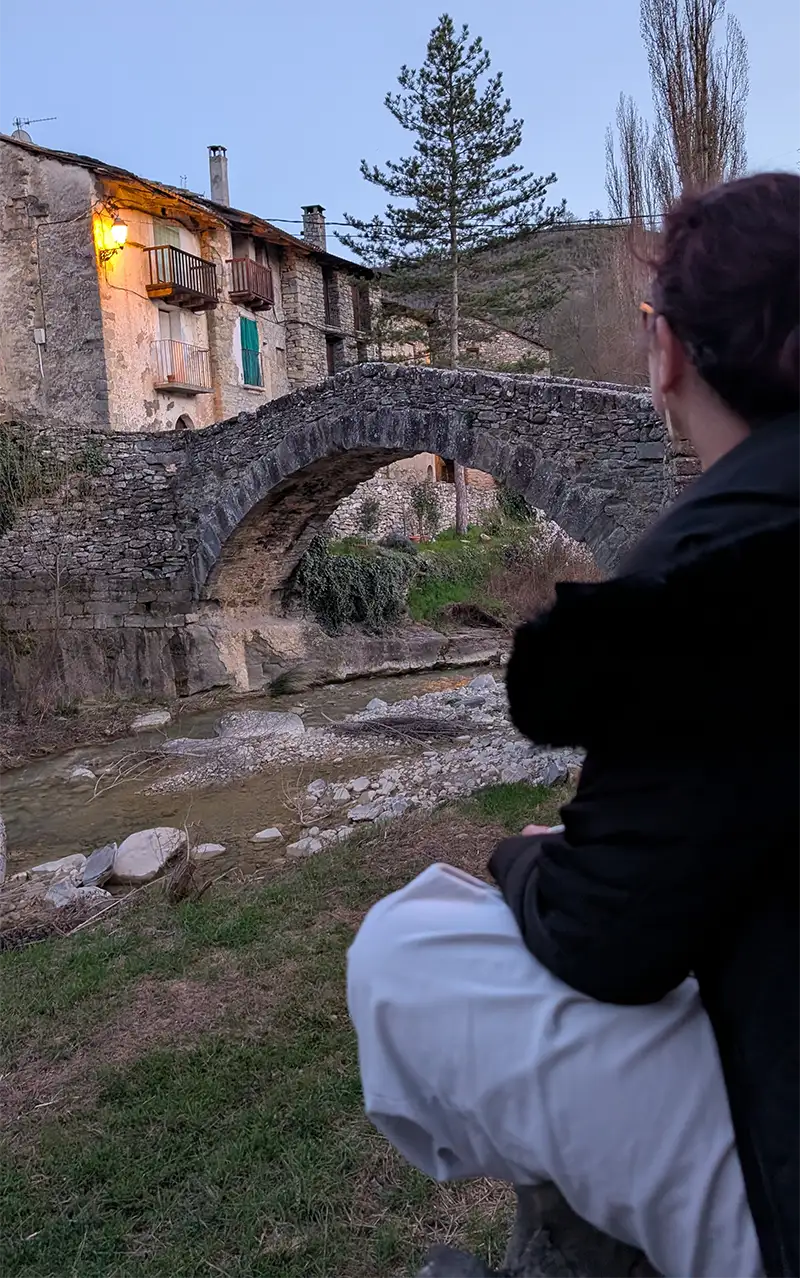
At night, we sat near the medieval stone bridge, opened a bottle of wine and stayed there enjoying the emptiness. We thought it would be pitch black since it was the middle of the week, but the lights in the little streets turn on and make the atmosphere fantastic. Seriously, it was magical!
We slept in the van in the parking lot at the entrance of the village and, just so we don't say we didn't see anyone, there was a couple in one of the houses and that was it.
The road
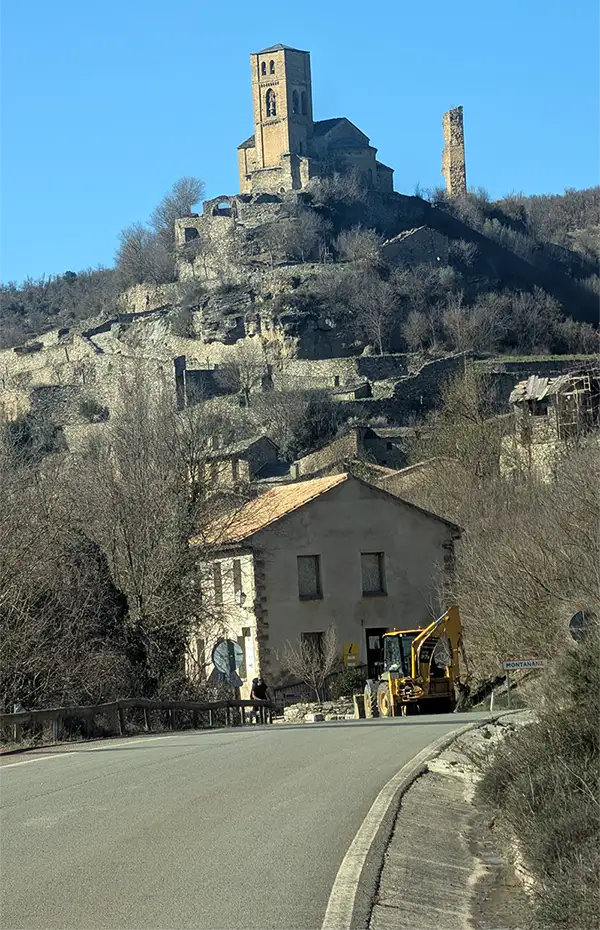
It is a very winding road full of curves to get there. It is properly paved and you can get through with a motorhome, but it requires lots of attention. The view of the church appearing from afar on the road already makes up for the journey.
Practical tip
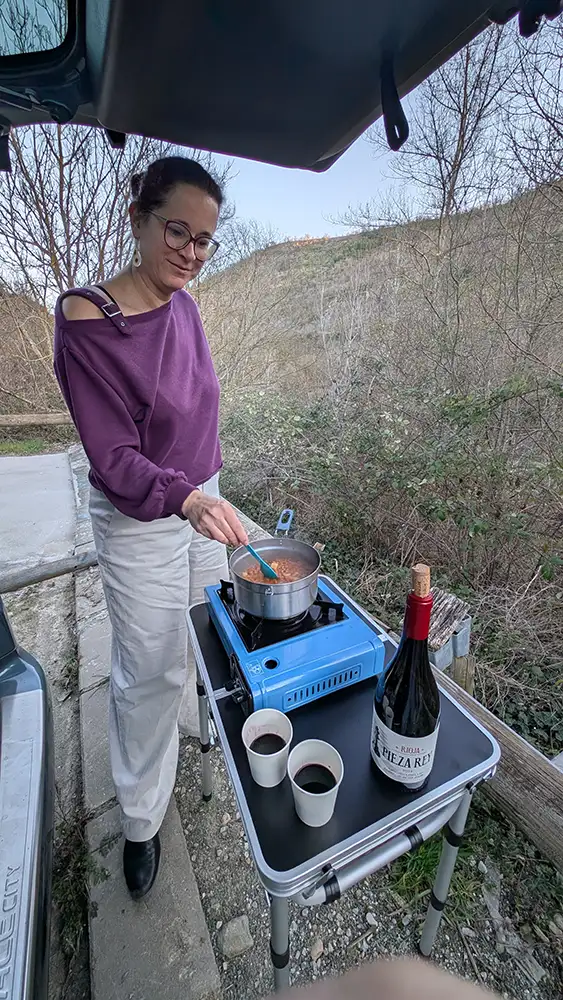
At least during the week, there are no restaurants or facilities there. We slept in the parking lot right at the entrance of the town and cooked our lunch in the van itself.
In the village there is a tourist information center that is only open on Fridays and Saturdays.
Aínsa
A Pyrenees postcard
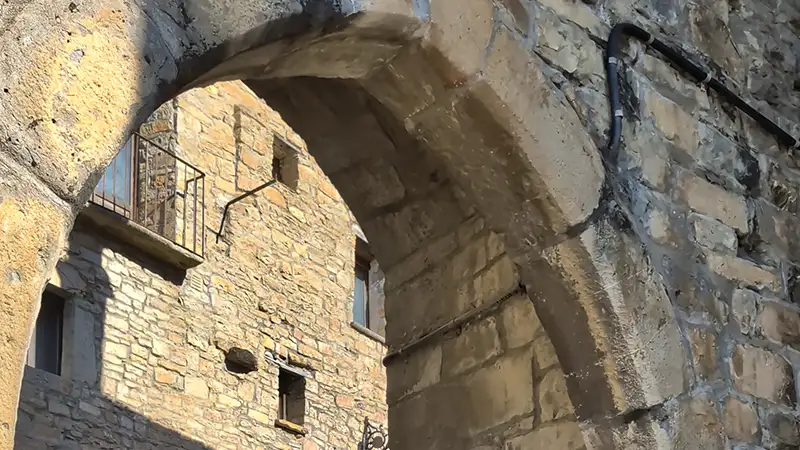
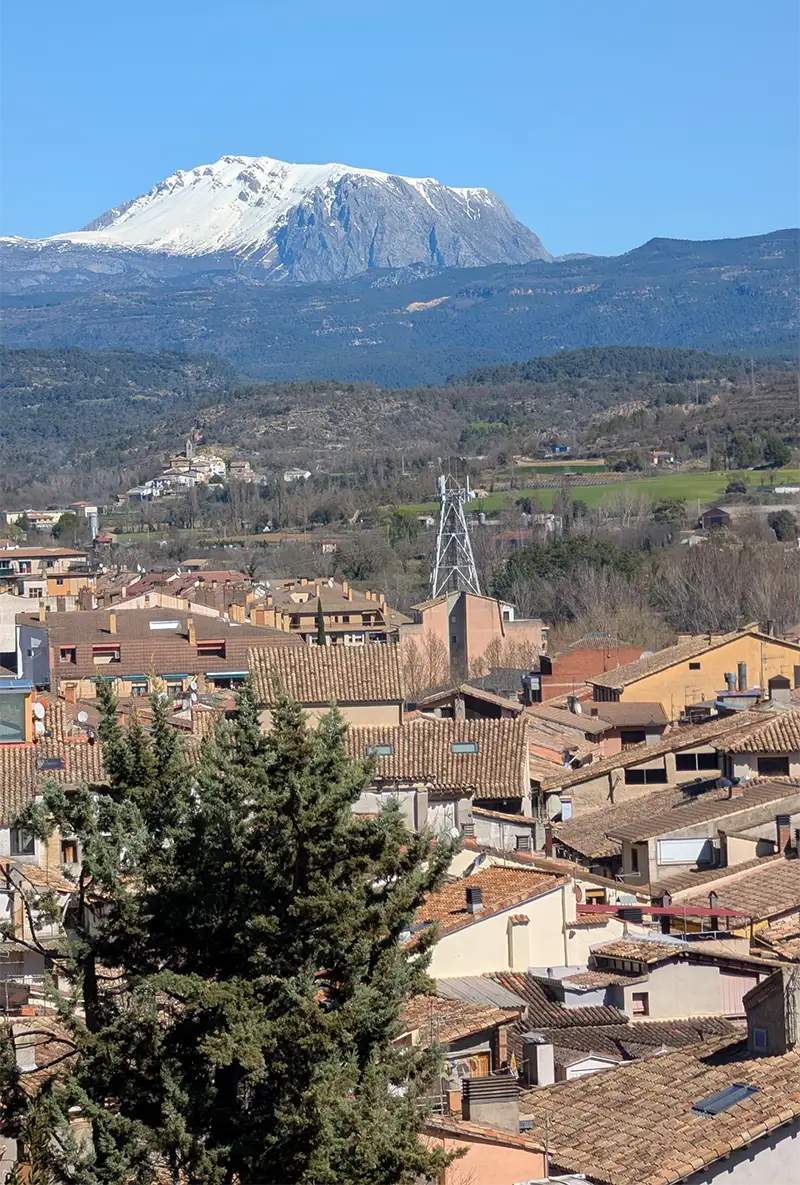
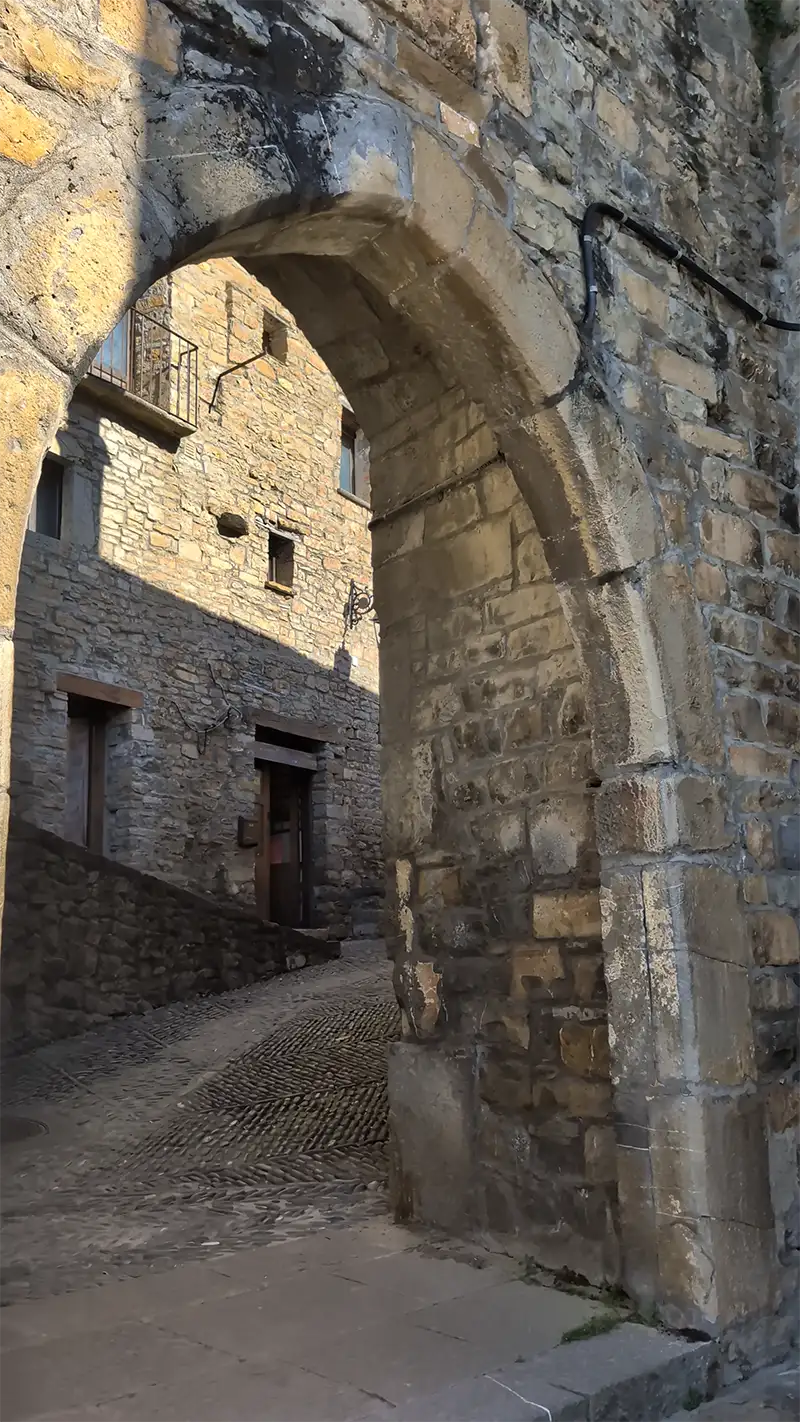
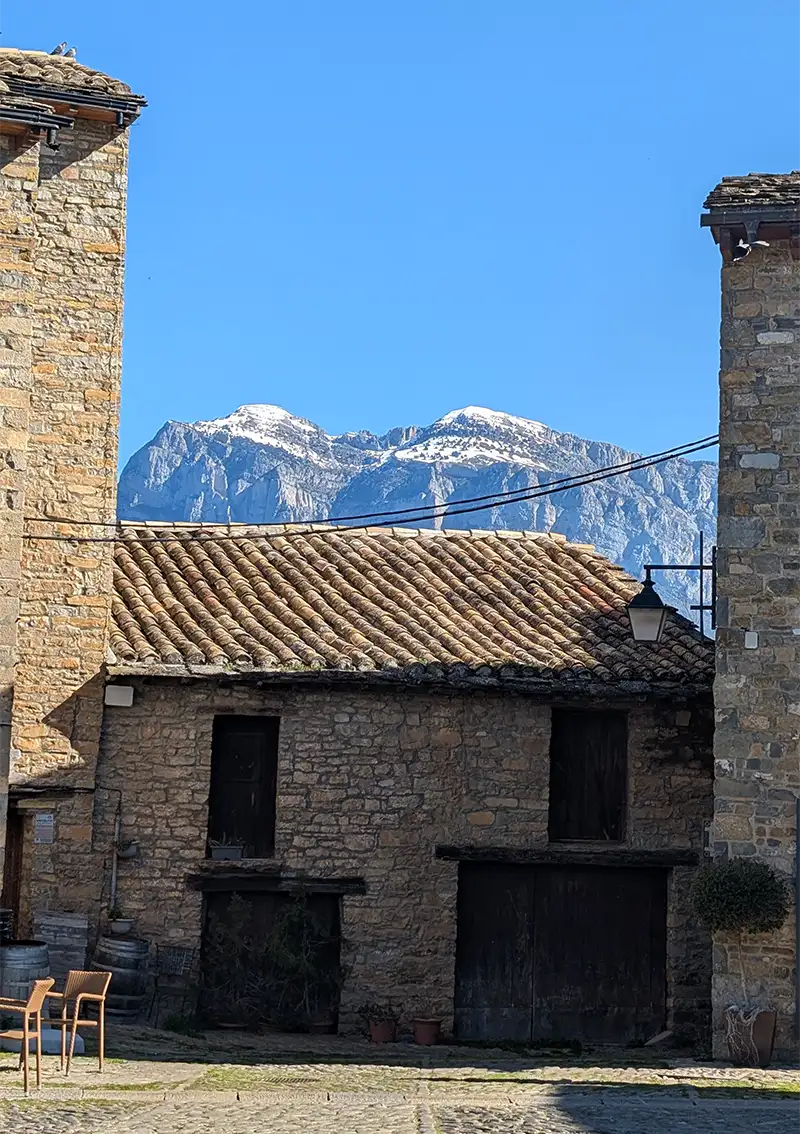
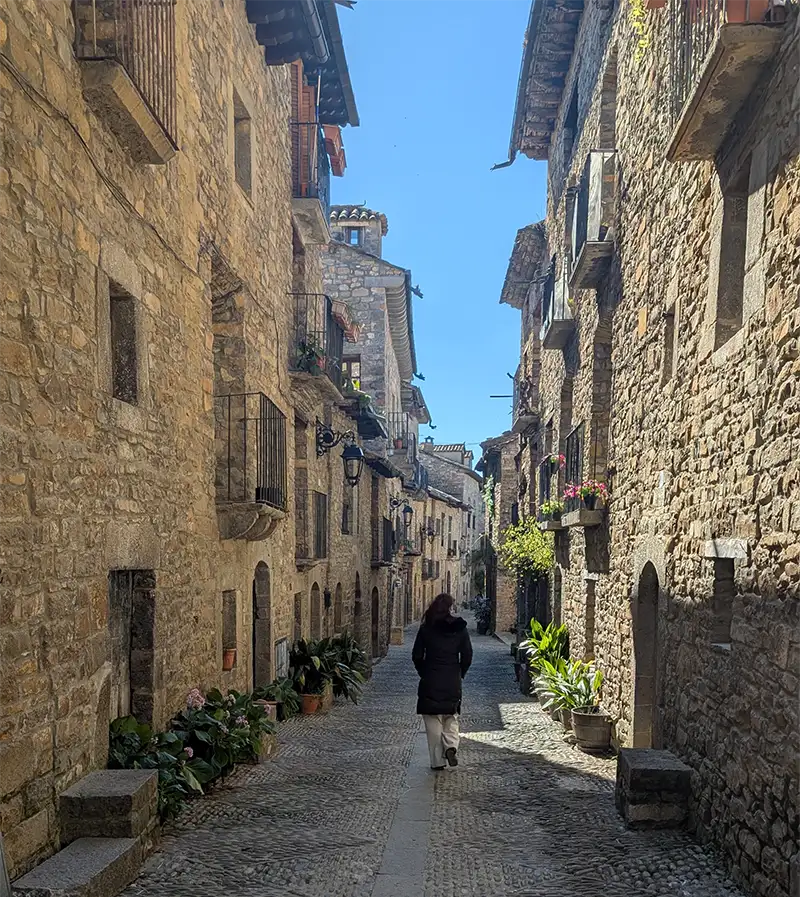
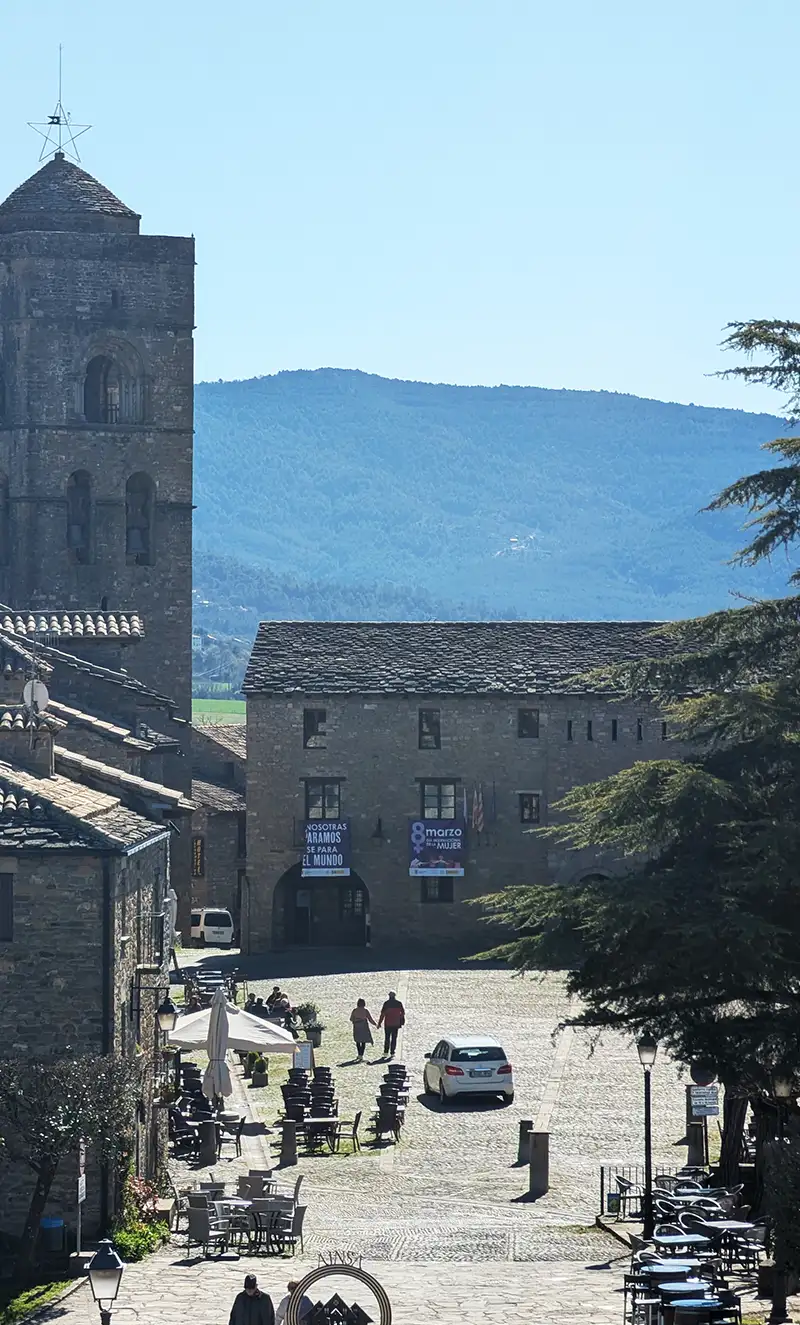
Aínsa carries the title of one of the most beautiful villages in all of Spain and the fame is justified. The town is divided between a modern part at the base and the fortified historic center at the top of the hill. The medieval stone houses contrast with the snow-capped peaks of the Pyrenees in the background, and this creates one of the most beautiful postcards in the region.
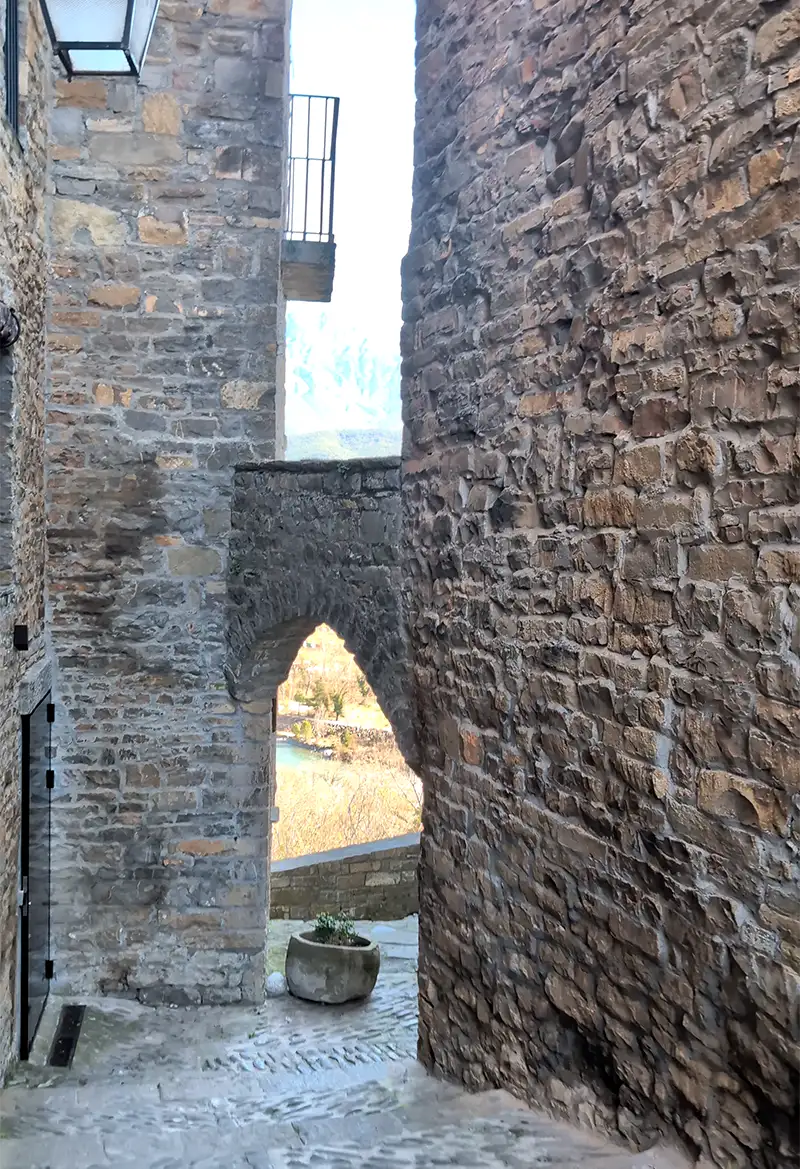
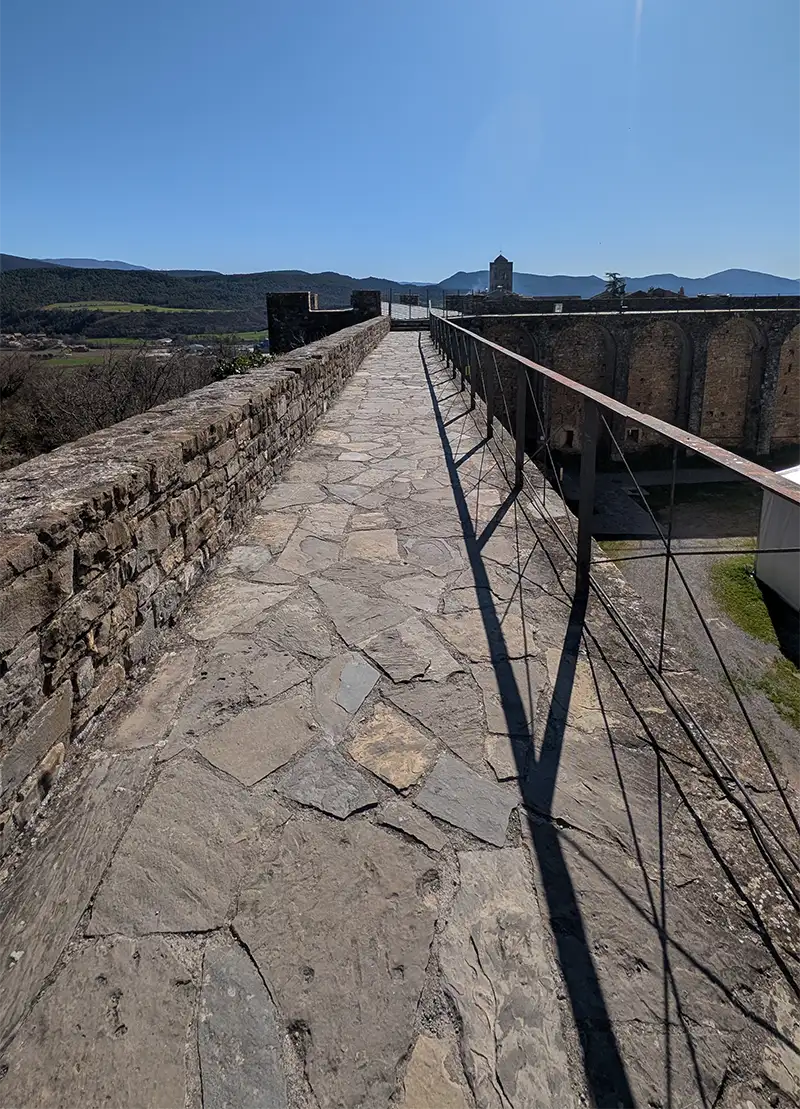
We spent the day getting lost in the alleys and exploring the town's castle. You can walk over the fortress walls, from where you have a panoramic view of the main square and the snowy mountains.
Parking in Aínsa
We chose to leave the van in the lower part of the town, in a public parking lot right after crossing the bridge. From there, we walked up to the historic center. There is a parking lot up high near the castle, but for those traveling with larger vehicles, the lower part is a safer bet.
Riglos
The climbers' village
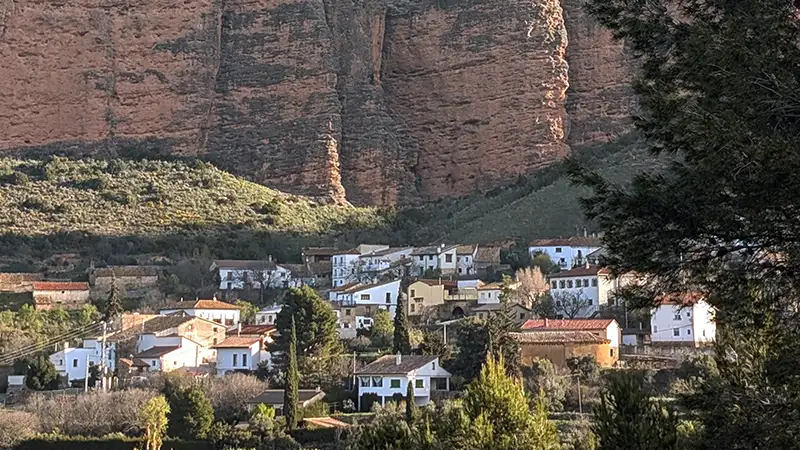
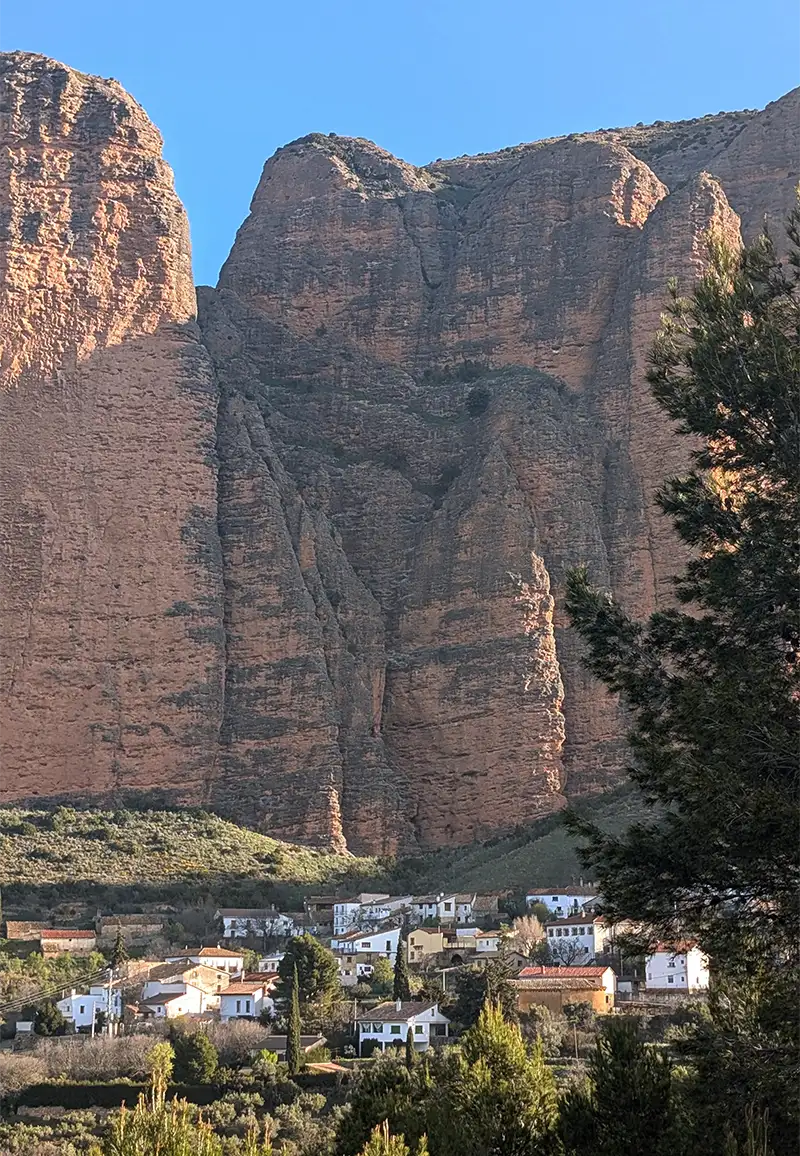
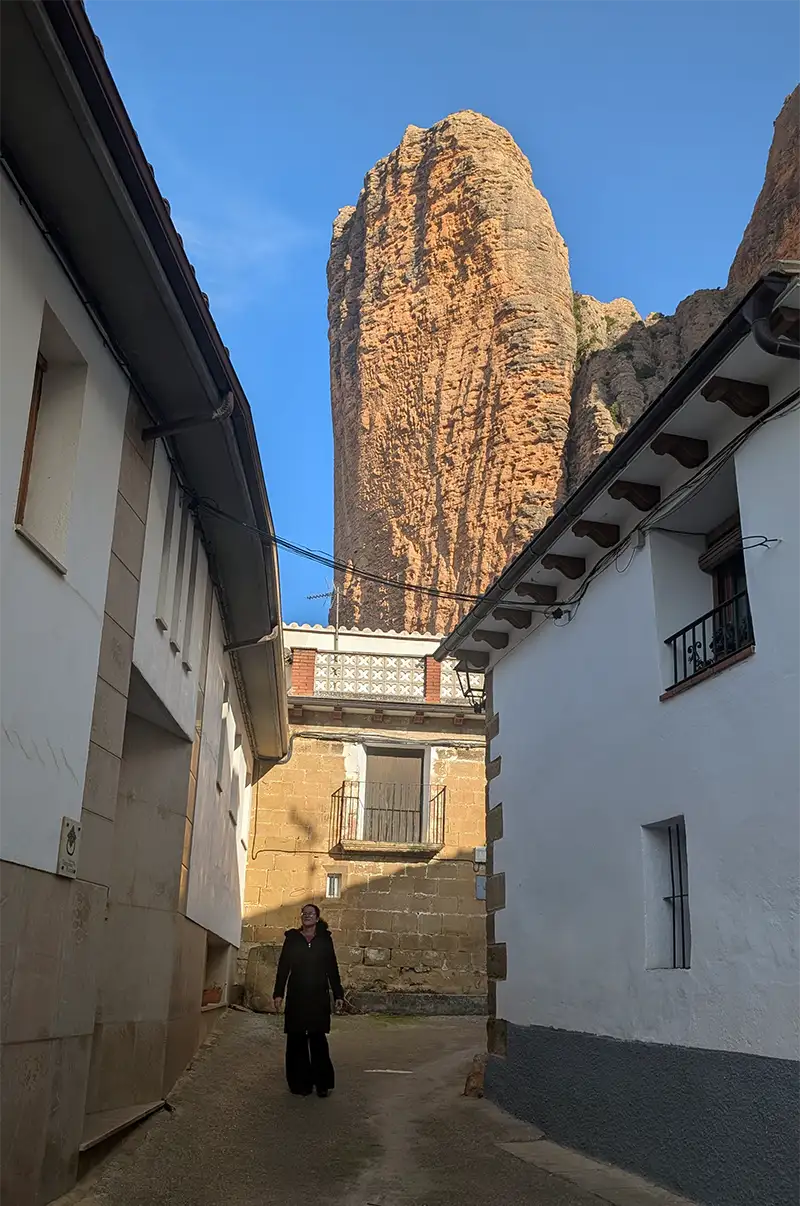
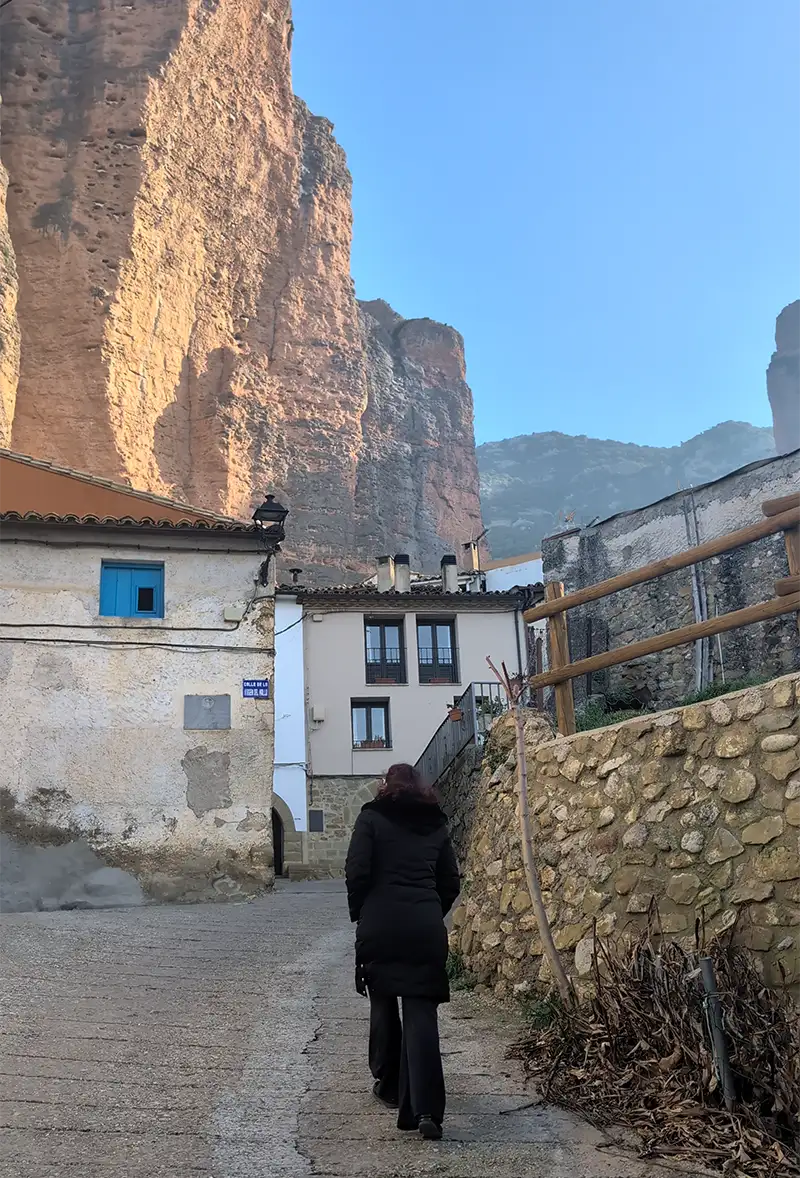
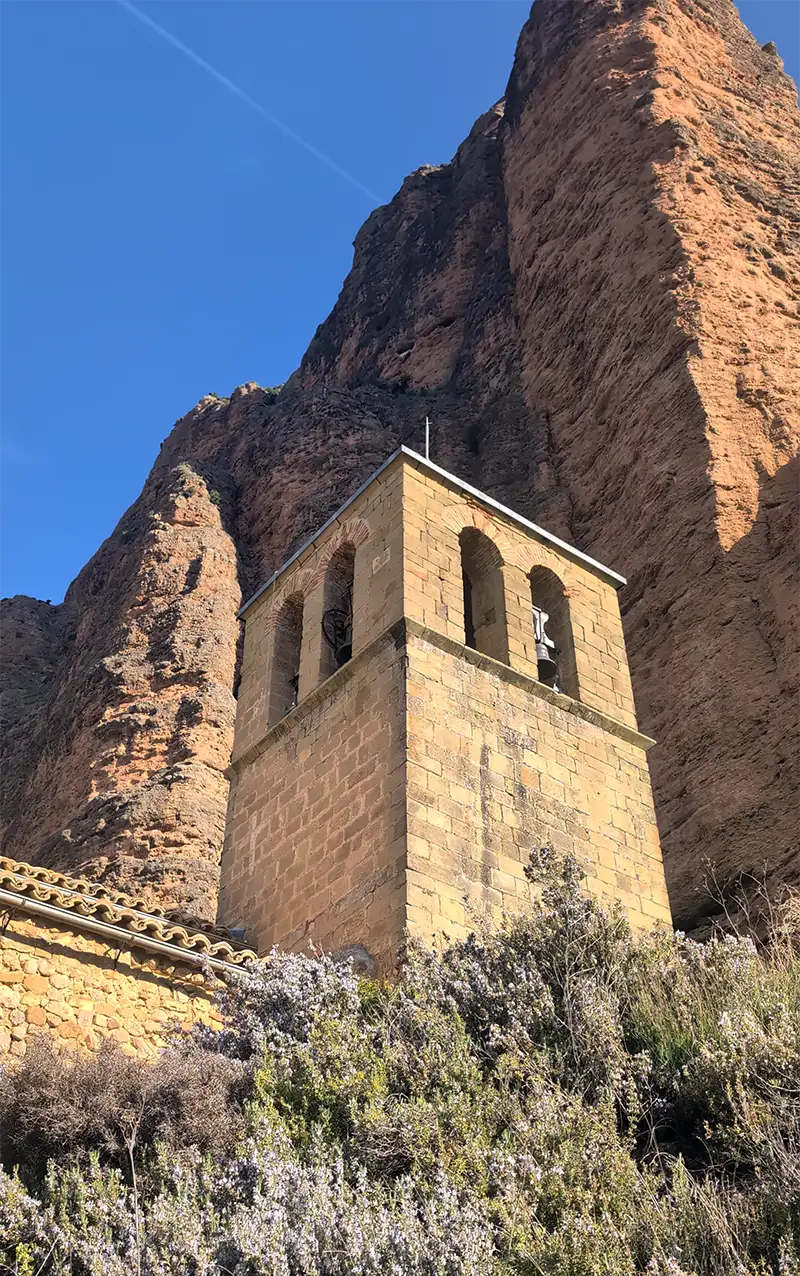
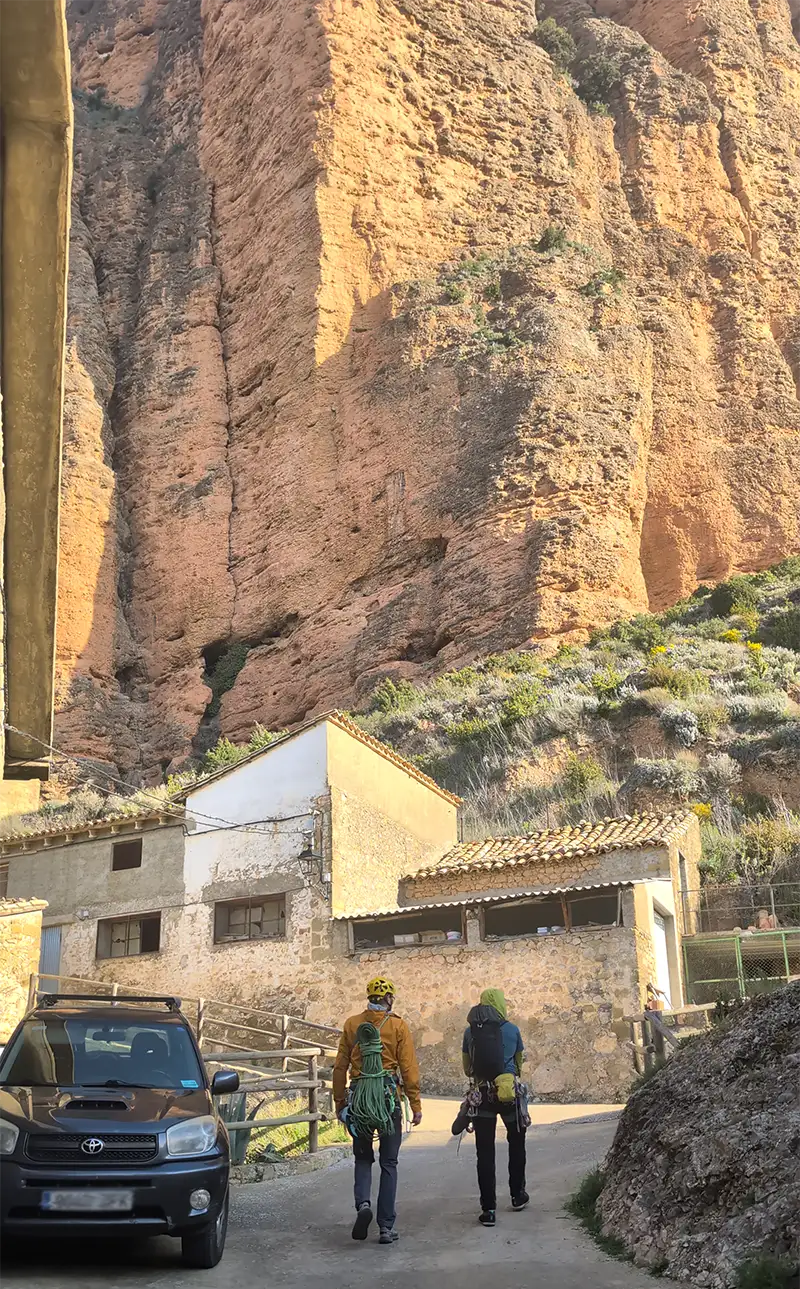
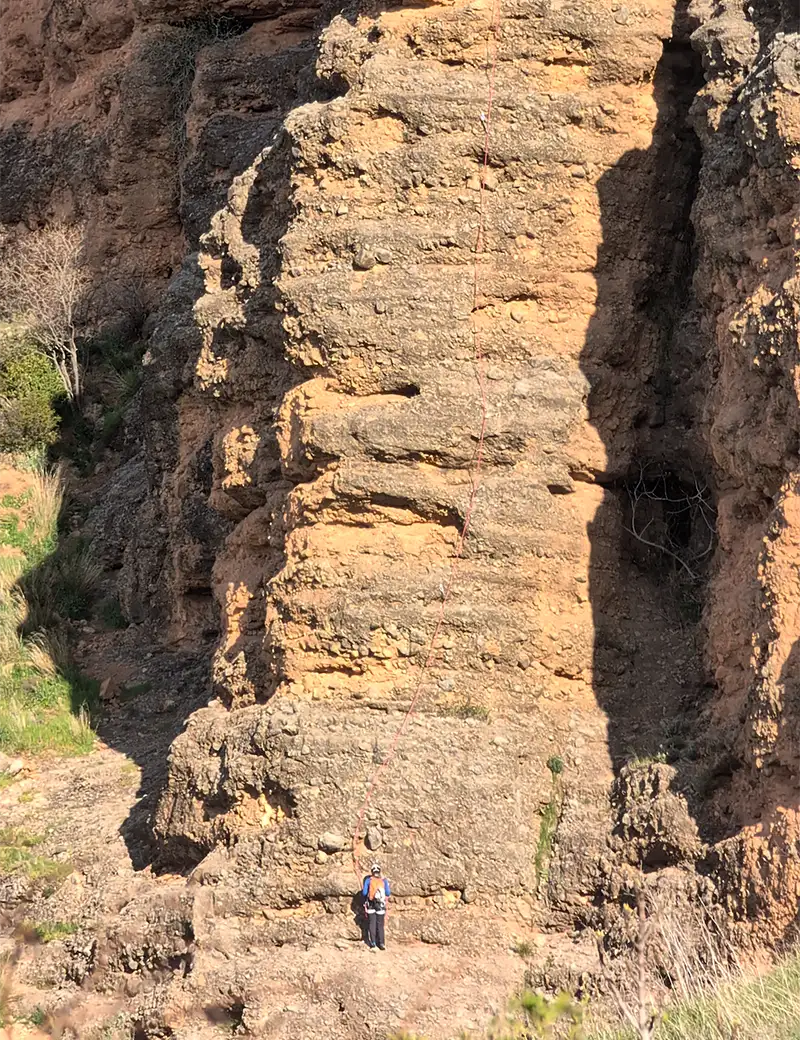
Riglos is different from the other villages we visited. While the others draw attention for their stone architecture, here what dominates the landscape is the geology (the stone itself!). The houses sit at the foot of giant rock walls known as Mallos. The place is a meeting point for climbers from all over the world, and we bumped into many Germans and French people who were there to climb these rocks.
Walking through Riglos' streets is curious because, depending on which corner you turn, the rock wall appears filling your entire vision. It's a scale that is hard to describe without photos.
Where to take the best photo
We didn't find a perfect viewpoint that had full views of the whole setting (which is what impresses the most). The best one we got was at the climbers' monument. We parked in a nearby residential area and walked along the road. We could see the squeezed village but the view is a bit obstructed by the trees.
Bonus: Loarre Castle
Not a village, but...
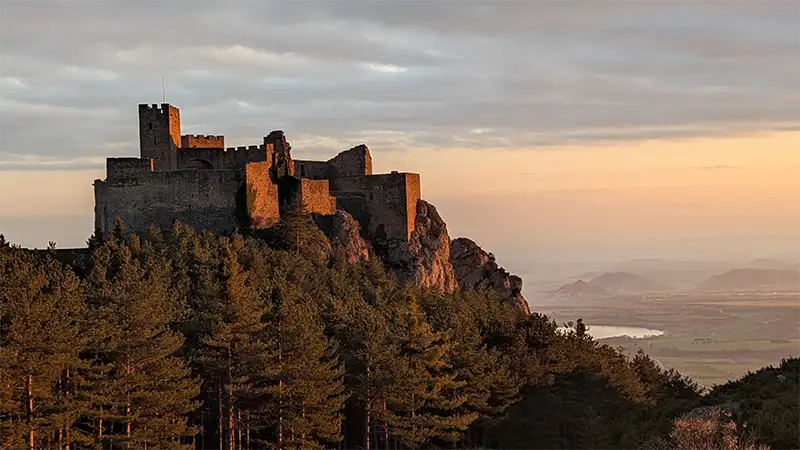
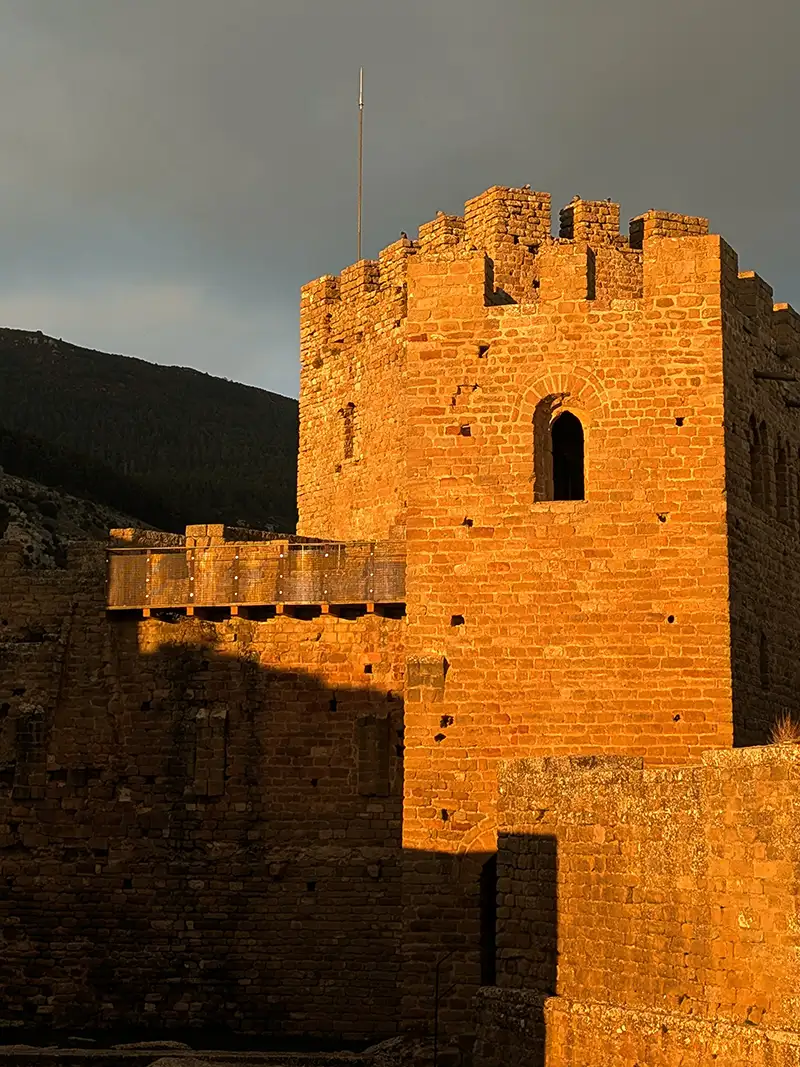
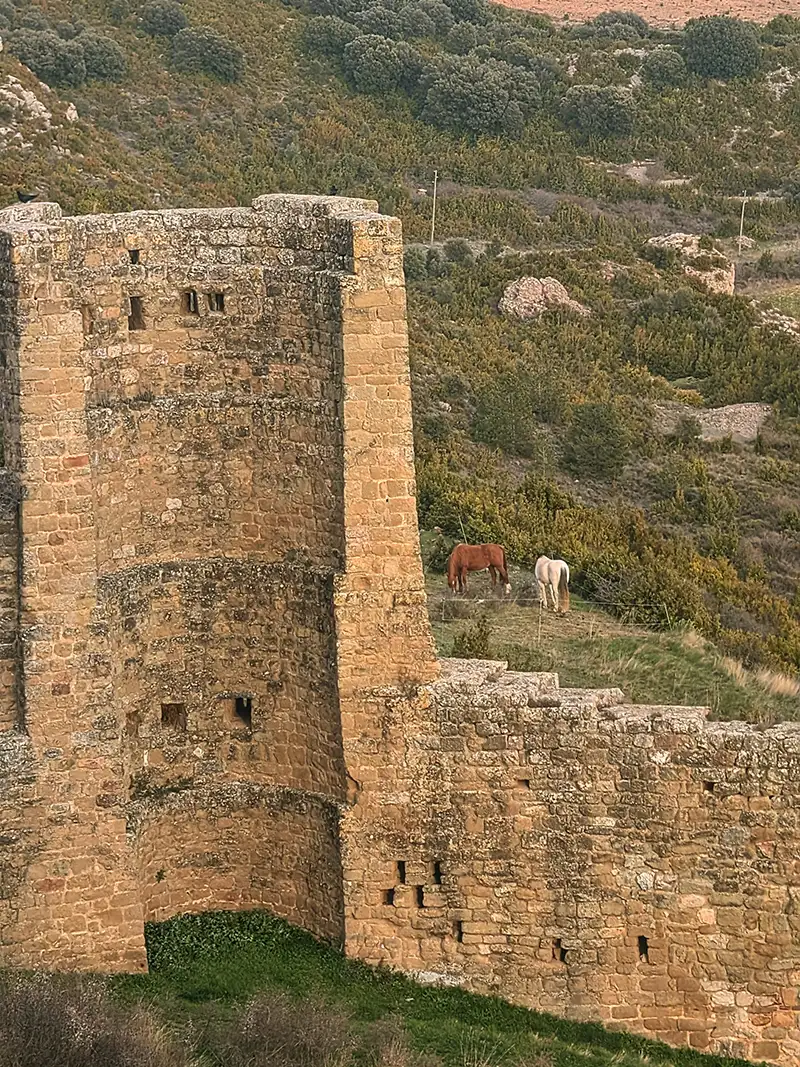
Although it isn't a village, we couldn't leave Loarre Castle out of this guide. It is considered one of Europe's most important Romanesque fortresses and a must-visit. If you've watched Ridley Scott's film Kingdom of Heaven, you'll recognize the castle right in the first few scenes. It served as the main location for Godfrey of Ibelin's castle, and it's impressive to see how it looks exactly the same in real life.
The castle is quite large and very well preserved, full of narrow corridors, staircases, and hidden little rooms that you discover bit by bit. We even found it curious that a tower room still preserves a medieval latrine.
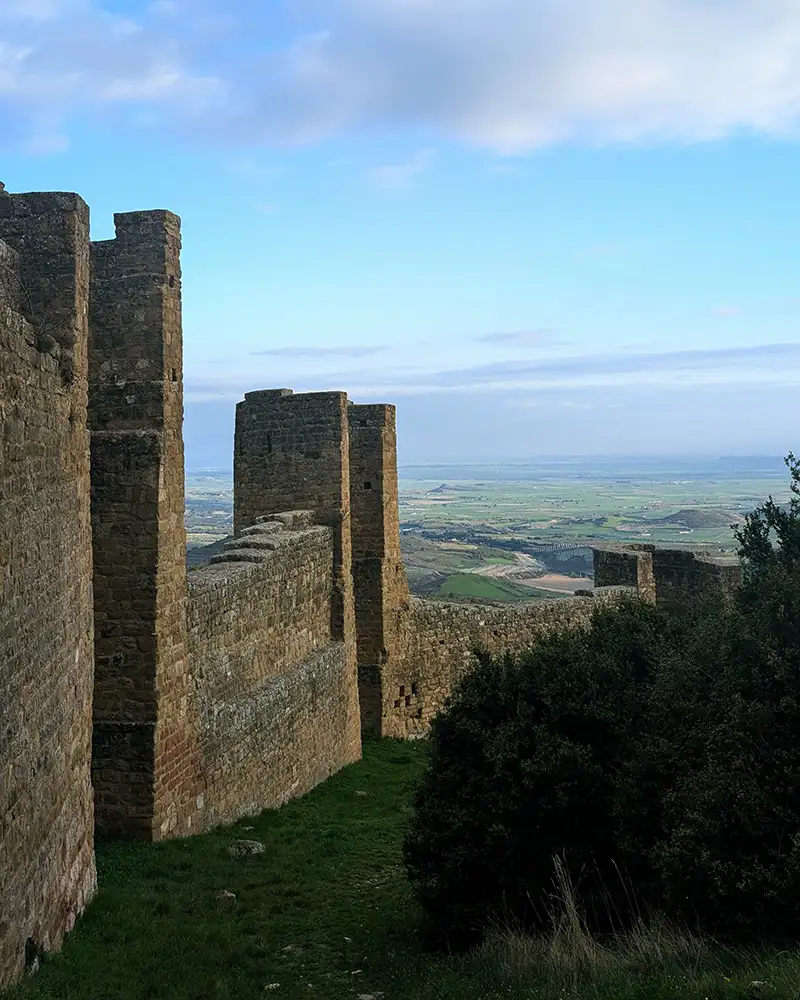
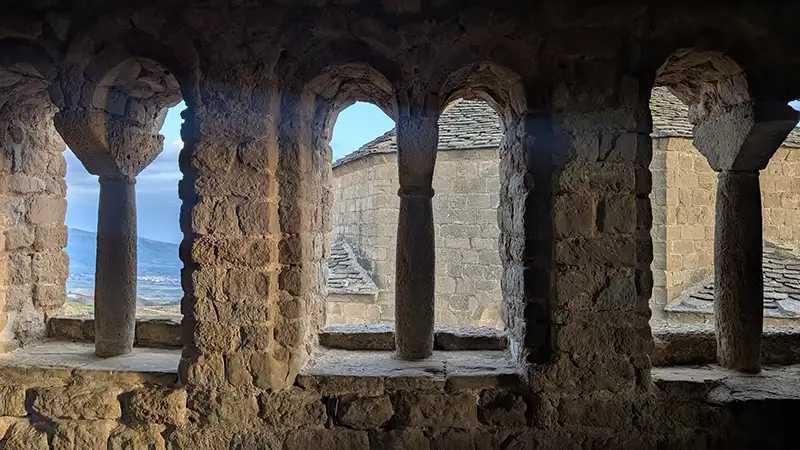
The views from the windows and towers over the entire valley below are spectacular. It's the kind of place where you lose track of time exploring every corner.
The visit
The ticket costs €6. We were so entertained discovering new corridors that we didn't even notice the closing time. A castle employee had to come looking for us with a whistle to warn us they were about to lock the gates!
Tip for those traveling by car or van
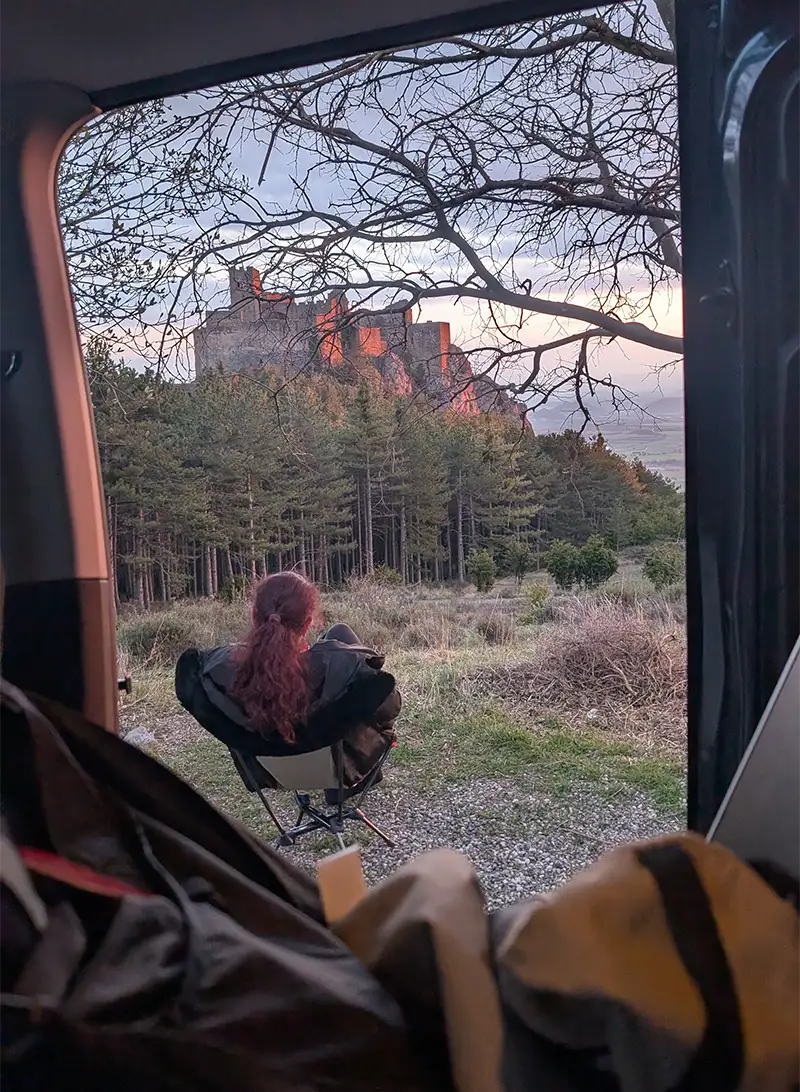
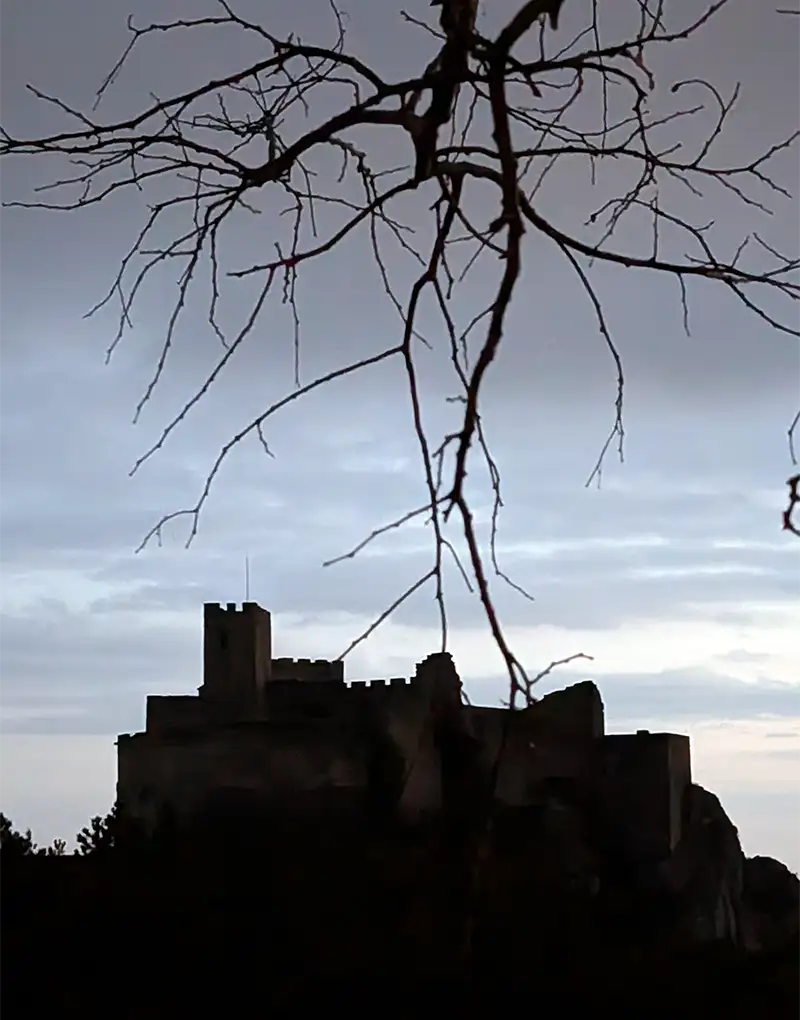
We spent the night in the castle's own parking lot. Sleeping with the silhouette of the medieval fortress against the starry sky and waking up to that view was one of the most memorable experiences of our trip through Huesca.
Is Huesca worth including in your itinerary?
Absolutely. Huesca proved to be one of the most authentic and surprising destinations we've visited in Spain. Just a quick heads-up, though. We are talking about the Huesca province. The city of Huesca itself... We found it a bit "meh" and you can easily skip it. The real gold is up in the villages! If you like driving without a rush, eating very well on a budget, and exploring places full of history with almost no crowds, you can add this region to your list without a doubt.
If you have any questions about the roads, the villages, or the experience of traveling by van around there, write to us. We'll be happy to help with your itinerary. And if this article was helpful for your planning, consider using our affiliate links below to make your bookings.