The Penedès is a wine region situated in Catalonia, between Barcelona and Tarragona, primarily known as the birthplace of cava. Some of Spain's most traditional wineries are concentrated here, responsible for transforming local grapes into one of the country's most widely consumed sparkling wines.
The Mediterranean climate, diverse soils, and viticultural tradition explain why the Penedès has become the leading centre for cava production. Beyond the technical aspects, the region is a convenient destination for visiting wineries, taking part in tastings, and gaining a practical understanding of how cava is produced directly at the source.
What is Cava?
Cava is a Spanish sparkling wine produced using the traditional method, the same technique employed in the Champagne region. To carry this name, the wine must undergo its second fermentation inside the bottle itself. Although it can be produced in other parts of Spain, over 90% of all Cava on the market originates from wineries in the Penedès region.
Cava
Origin: Spain
Grapes: Macabeo, Xarel·lo, and Parellada
Price: Excellent value for money, with good bottles ranging between €10 and €20.
Flavour: Usually more balanced and fruity, with notes reminiscent of white fruits (such as pear and apple) and a subtle mineral or earthy touch.
Champagne
Origin: France
Grapes: Chardonnay, Pinot Noir, and Pinot Meunier
Price: A luxury product; it is difficult to find a basic bottle for less than €35 or €40.
Flavour: Tends to be more acidic and "electric" on the palate, with citrus notes and a distinct taste of toasted bread and yeast.
How to get to Penedès
The region is very easy to reach for those staying in Barcelona or coastal towns such as Sitges. Your choice of transport depends on how many wineries you intend to visit and whether you prefer to see the major houses or smaller producers.
Departing from Barcelona
By Train (Rodalies)
This is the cheapest and most practical option for those who wish to avoid driving after tastings. The R4 line (heading towards Vilafranca del Penedès or Sant Vicenç de Calders) connects central Barcelona to the region.
- Where to board: Plaça Catalunya, Arc de Triomf, or Sants stations.
- Where to get off: The main stop is Sant Sadurní d’Anoia, home to the major Cava houses (some are just a few metres from the station).
- Journey time: Approximately 50 minutes.
By Car
A car is the best option if you want to visit family-run bodegas and artisanal producers, which are typically located along rural roads away from town centres.
- Route: The journey takes about 45 minutes via the AP-7 motorway.
- Advantage: Complete freedom over your schedule and the ability to visit multiple wineries in a single day without relying on taxis.
Where to stay to explore the region
If you plan to spend more than a day in the area, these are the best bases:
Vilafranca del Penedès
The region’s capital. It is the best choice for those seeking city infrastructure, with good restaurants, shops, and the wine museum (Vinseum).
Sant Sadurní d’Anoia
The capital of Cava. Ideal for those who wish to visit the major historic houses on foot, as many of them are located right within the village.
Sitges
Although a seaside town, it is only a 25-minute drive from the Penedès. It is the favourite option for those wanting to enjoy the coast alongside daytime winery tours.
Vineyard Hotels
For a complete experience, there are hotels located within the wineries themselves (known as wine hotels), perfect for those seeking quietude and direct contact with nature.
Accommodation tip: Our base in Sitges
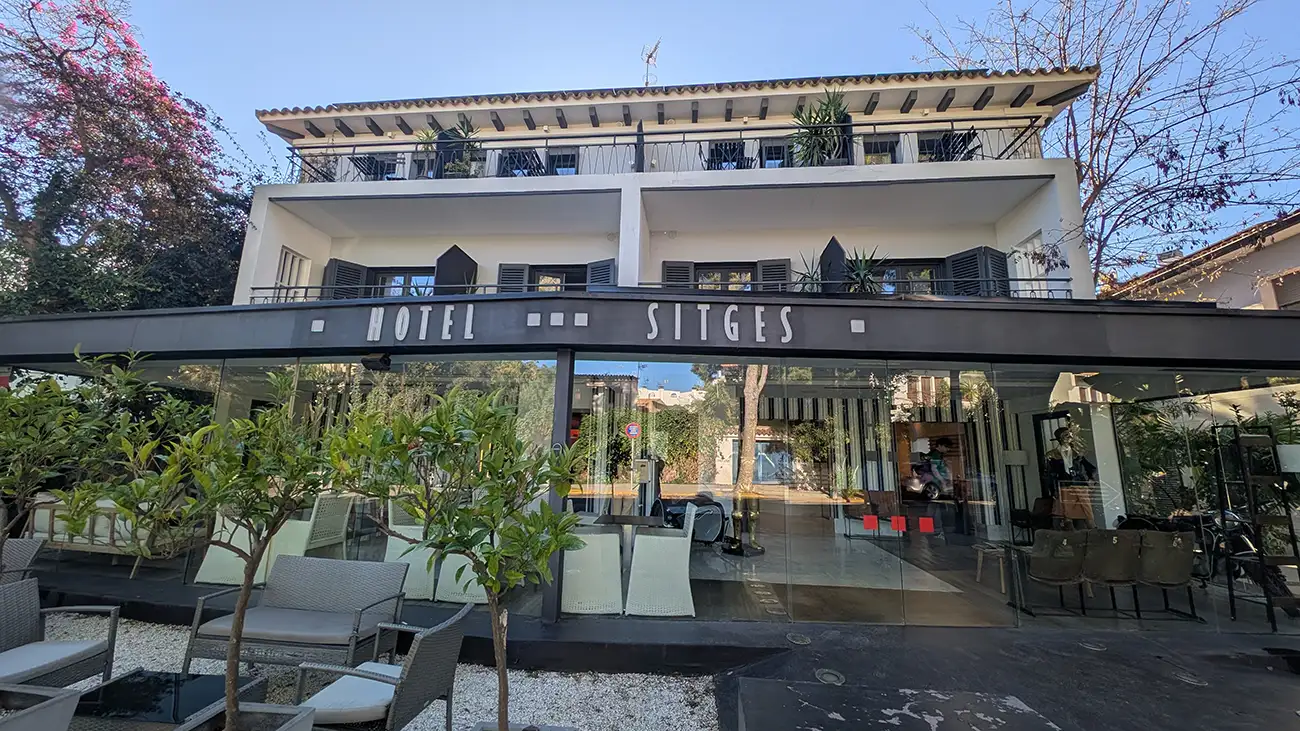
We chose to stay in Sitges at Hotel Sitges Rooms. The hotel is situated in a quiet area by the beach and has a swimming pool. It is modern, very clean, great value, offering self-contained apartments with plenty of parking available. A pleasant 20-minute walk along the seafront takes you directly into the historic centre.
Book via



Cava wineries to visit in the Penedès
The region offers everything from industry giants to boutique producers. These are the most recommended for a visit:
Codorníu
Sant Sadurní d'Anoia
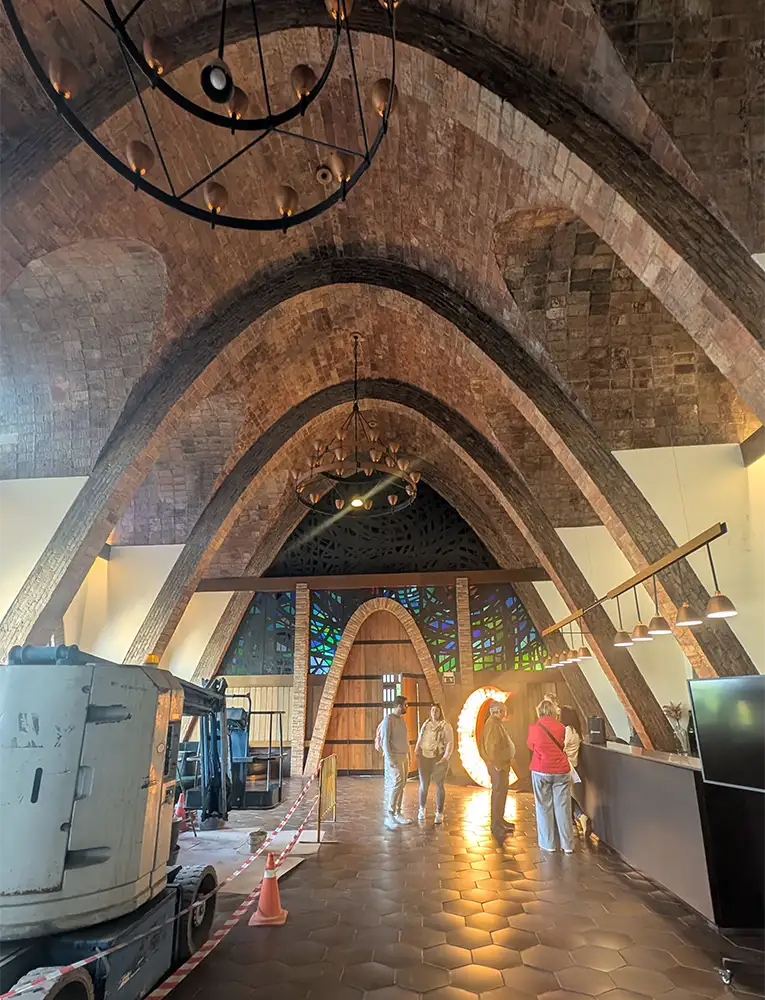
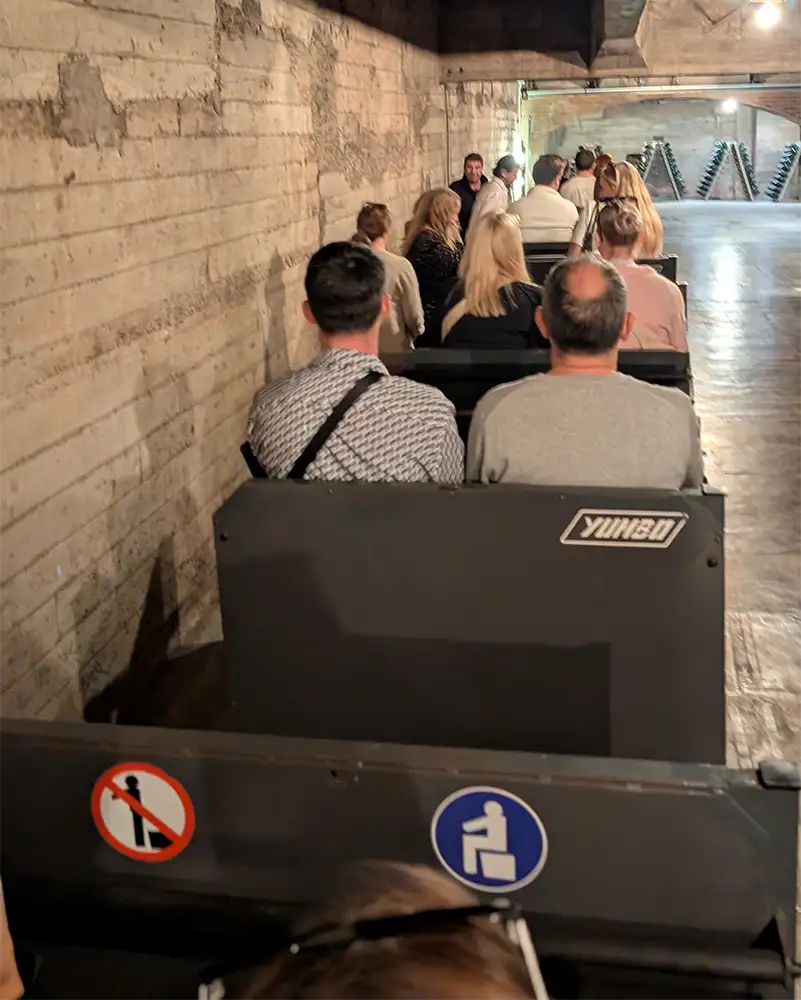
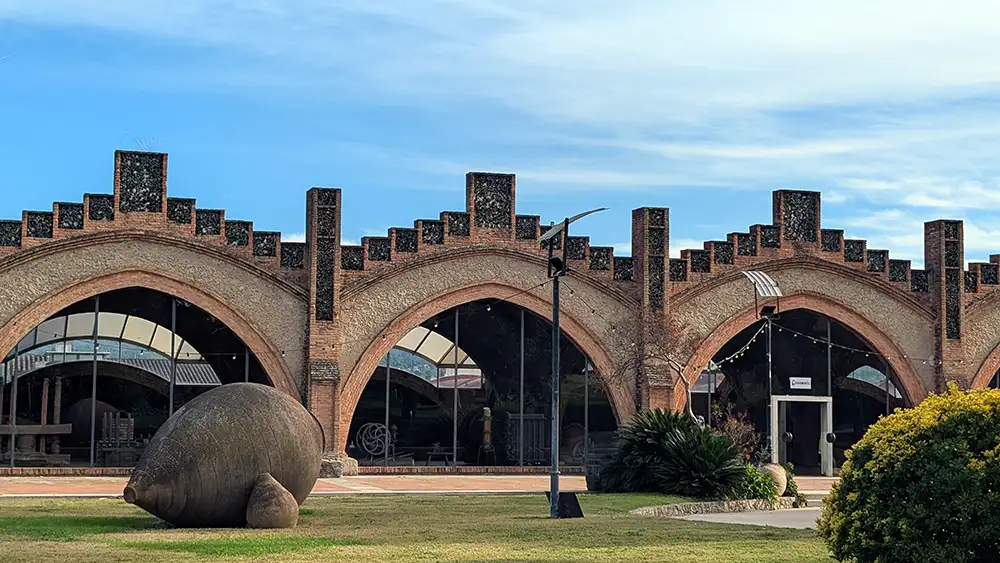
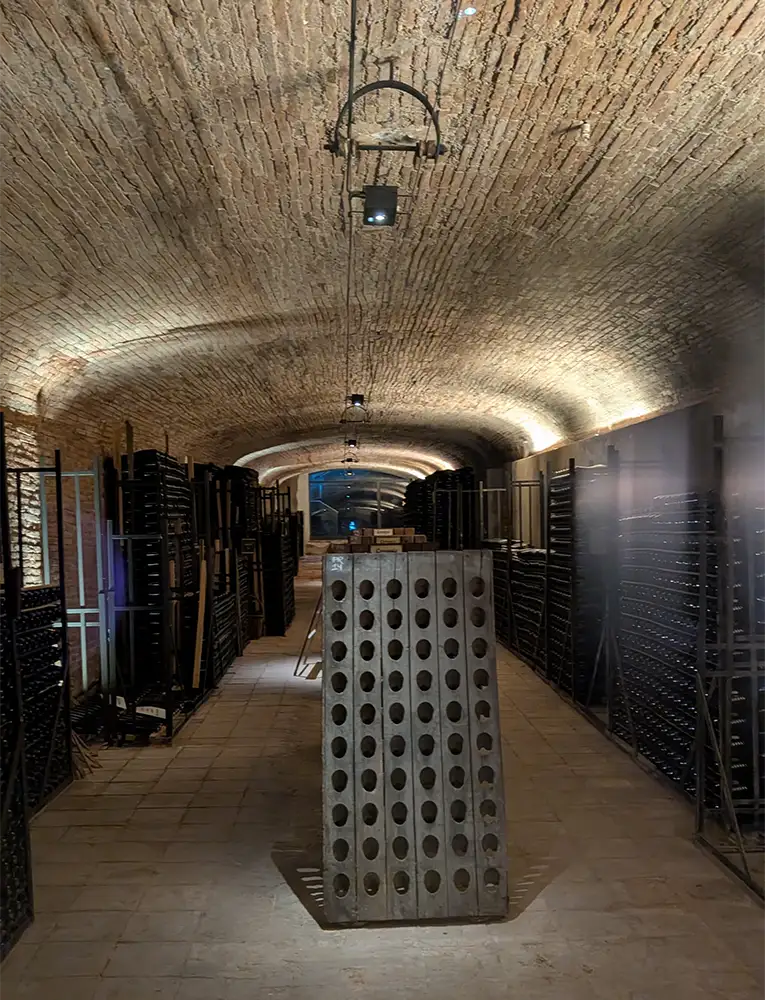
This is the most visited winery in the region, and for good reason. The building is a masterpiece of Catalan Modernism, and the underground cellars are so extensive that the tour includes a journey on a small electric train. We’ve been there ourselves, and you can see more details here.
Visits
Visits must be booked in advance through the winery's official website.
Types of Visit
Tours start at €23, which includes the train ride and a tasting. Prices increase depending on the experiences added.
Freixenet
Sant Sadurní d'Anoia
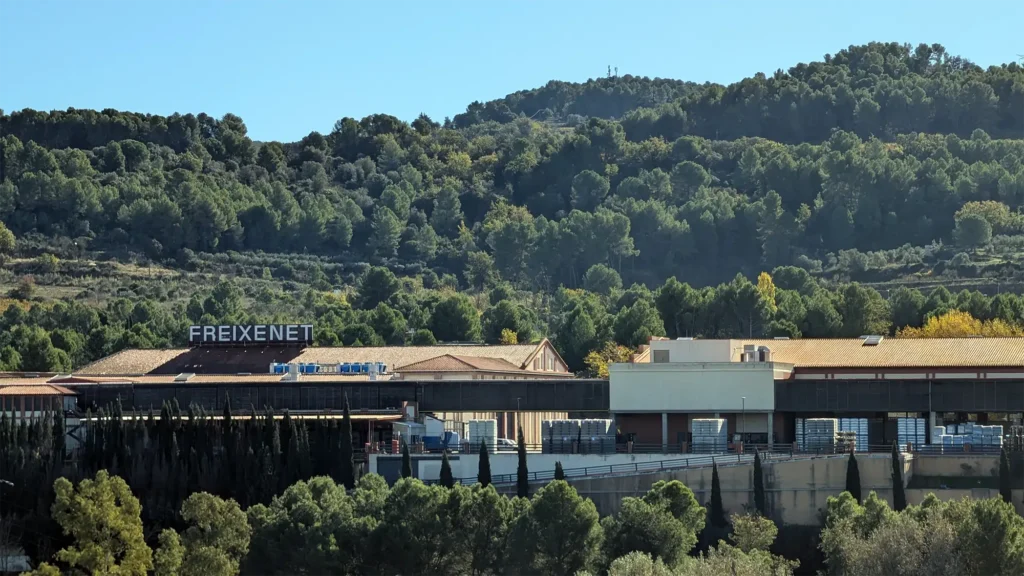
Located right next to the train station, this is the most practical visit in the area. The tour covers the brand history and the scale of its global production.
Visits
Visits must be booked through the official website. The basic tour lasts around 90 minutes and includes the Cava Centre.
Types of Visit
The standard tour costs €21.50. Pairings with cheeses, chocolates or cured meats cost €40, while tours combined with brunch or an aperitif start at €60.
Gramona
Sant Sadurní d'Anoia
One of the leading references in sustainability and biodynamic farming in the region. The visit allows visitors to understand how the use of animals and plants in the vineyards influences the final wine, while also showing the production process of sparkling wines that spend many years ageing before reaching the market.
Visits
Visits must be requested via the form on the official website or by email.
Types of Visit
Vineyard and biodynamic farm tours, visits to the historic cellar with tasting, food pairing experiences and even horseback routes.
Recaredo
Sant Sadurní d'Anoia
This is one of the most prestigious and purist producers in the region. All of its sparkling wines are Brut Nature, with no added sugar, and use only natural cork during ageing. Disgorgement is still carried out manually, bottle by bottle, at ambient temperature. It is a visit suited to those who value meticulous craftsmanship and minimal-intervention viticulture.
Visits
Visits are available exclusively by advance booking through the official website.
Types of Visit
The basic tour costs €38. Private options with exclusive tastings, vineyard visits or access to historic wine libraries range from €90 to €250.
Familia Torres
Vilafranca del Penedès
One of the best-known Spanish wine brands worldwide. The experience takes place at the family’s main estate and covers both sparkling wines and red/white wines. The winery offers different pairing options and presents its projects in regenerative viticulture alongside large-scale production technology.
Visits
Reservations are made through the o official website.
Types of Visit
The tour with tasting costs €25. Options with cheese or tapas pairings range from €33 to €36, while full gastronomic experiences and seasonal events start at €50.
Llopart
Subirats
This winery is located at one of the highest points in the region, offering panoramic views over the vineyards with the Montserrat mountains in the background. It produces high-quality sparkling wines and has a family history dating back to the 14th century. The visit includes walks through the high-altitude vineyards and access to the cellars where the bottles rest for long periods.
Visits
Reservations must be made through the official website, with guided tours of the estate and the cellars available.
Types of Visit
Historic and panoramic tours are priced between €27 and €32. Private experiences with vineyard walks, breakfasts or tastings from the wine library range from €38 to €210.
Golden tip: go beyond the obvious
While these are the most recommended and well-established bodegas, the region is full of small producers. It is well worth researching and contacting smaller wineries to enjoy a closer experience with the people who actually work the land.
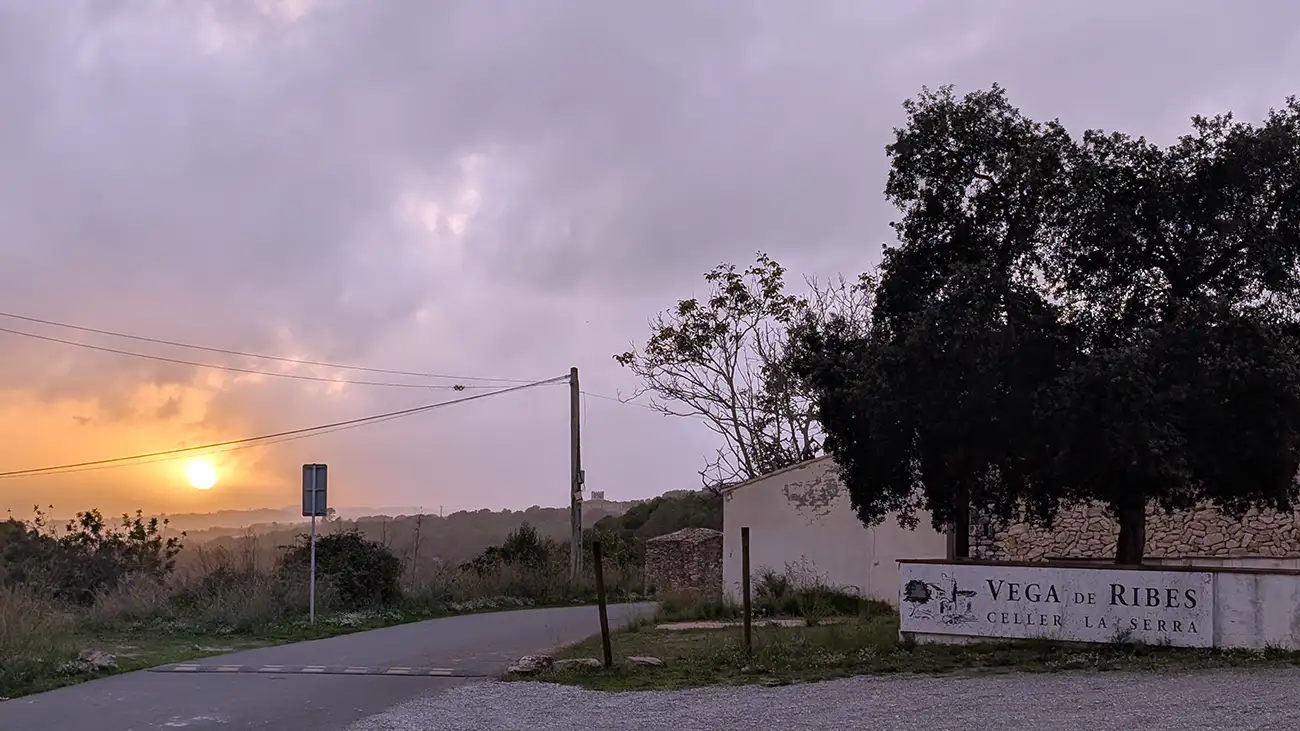
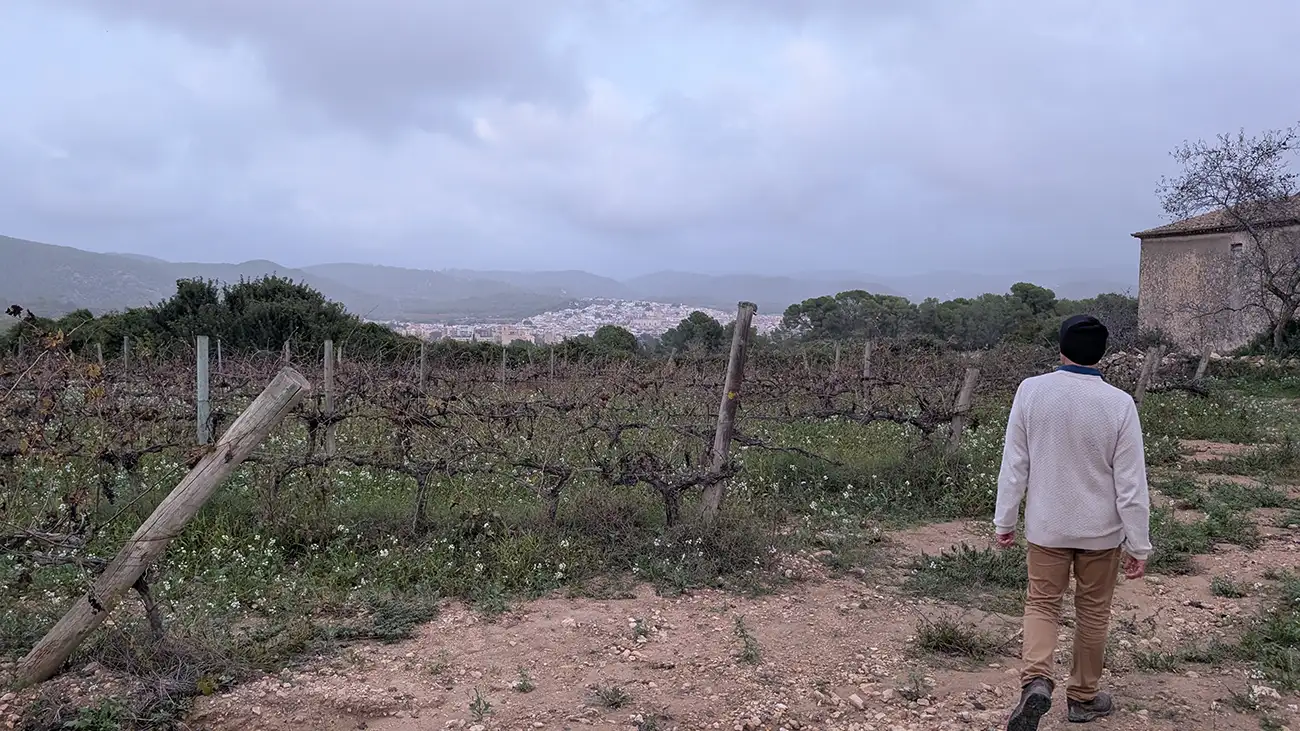
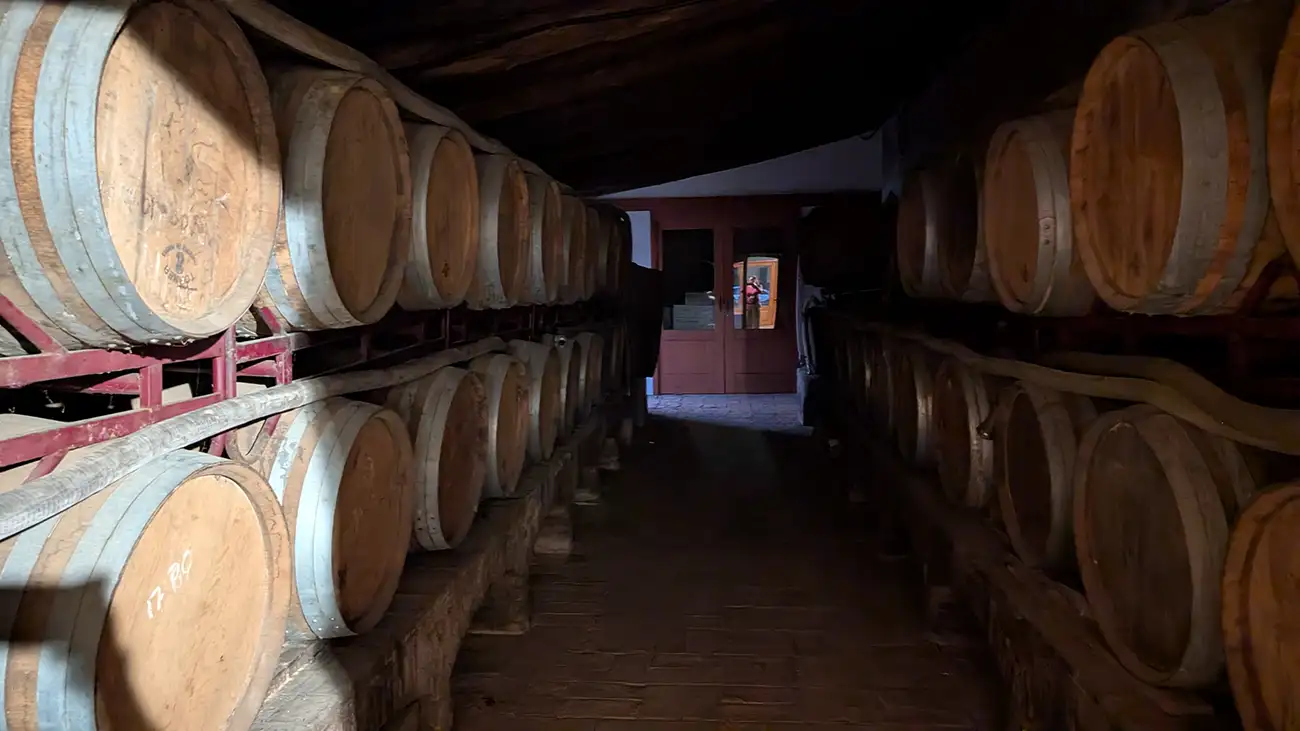
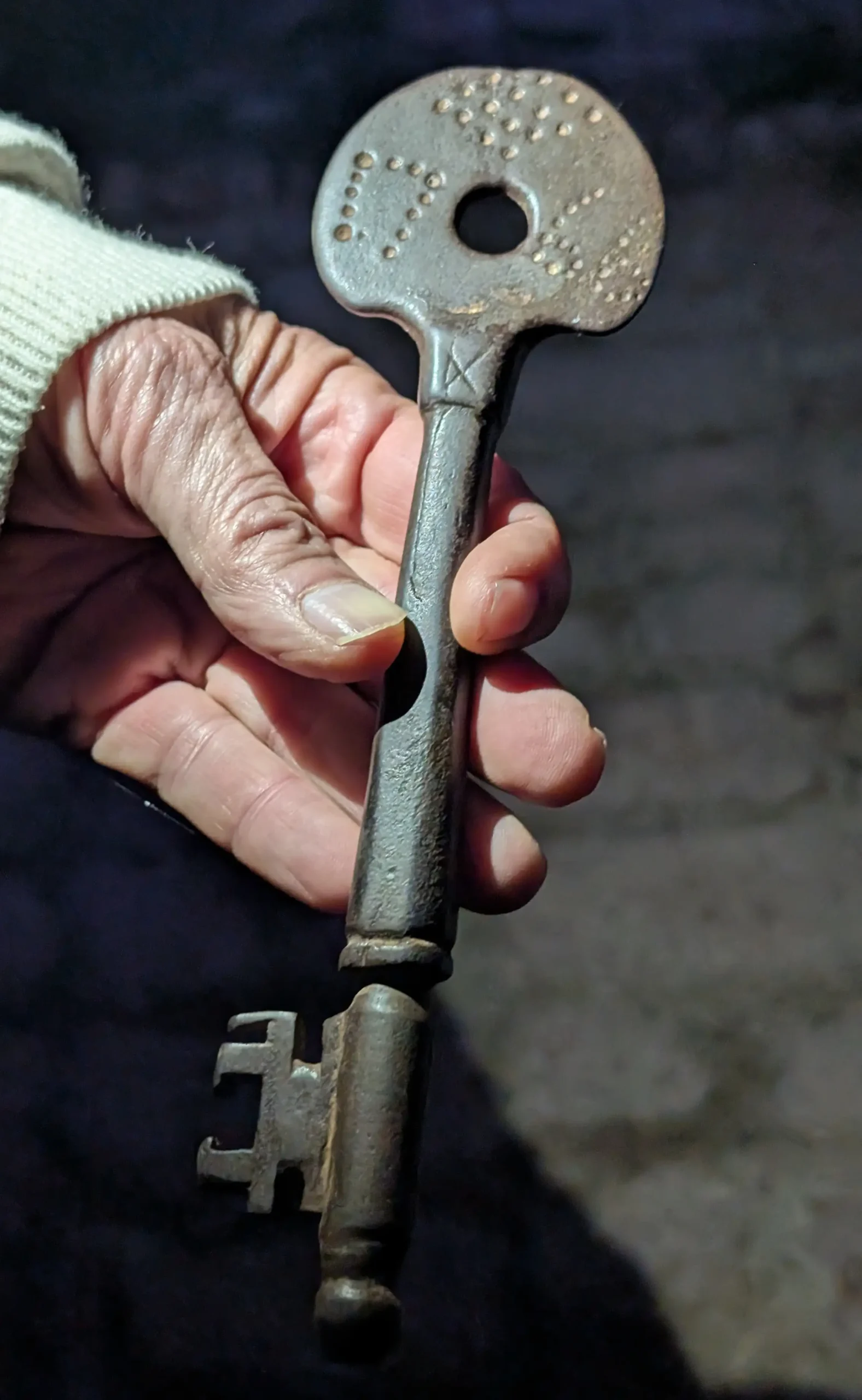
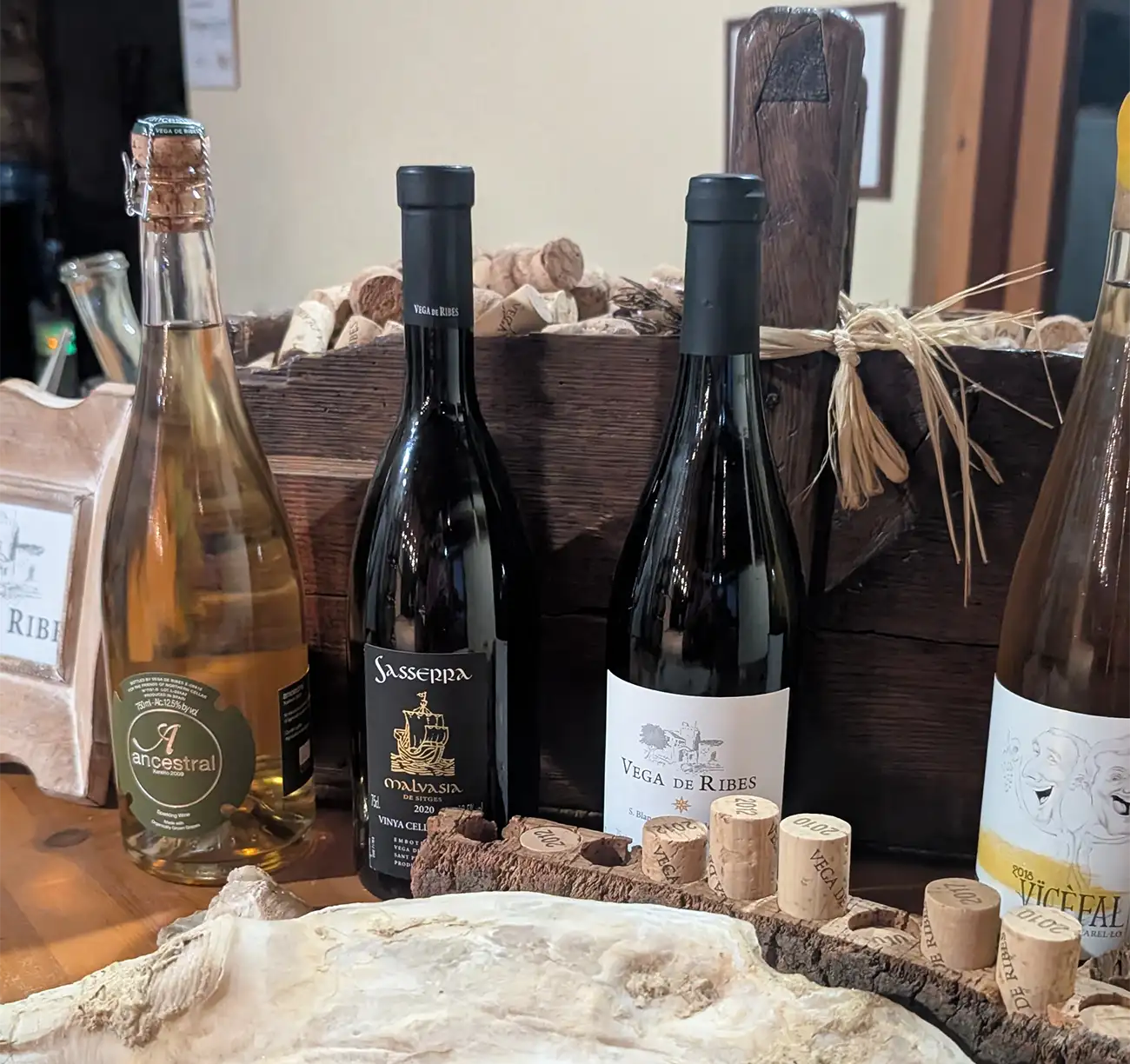
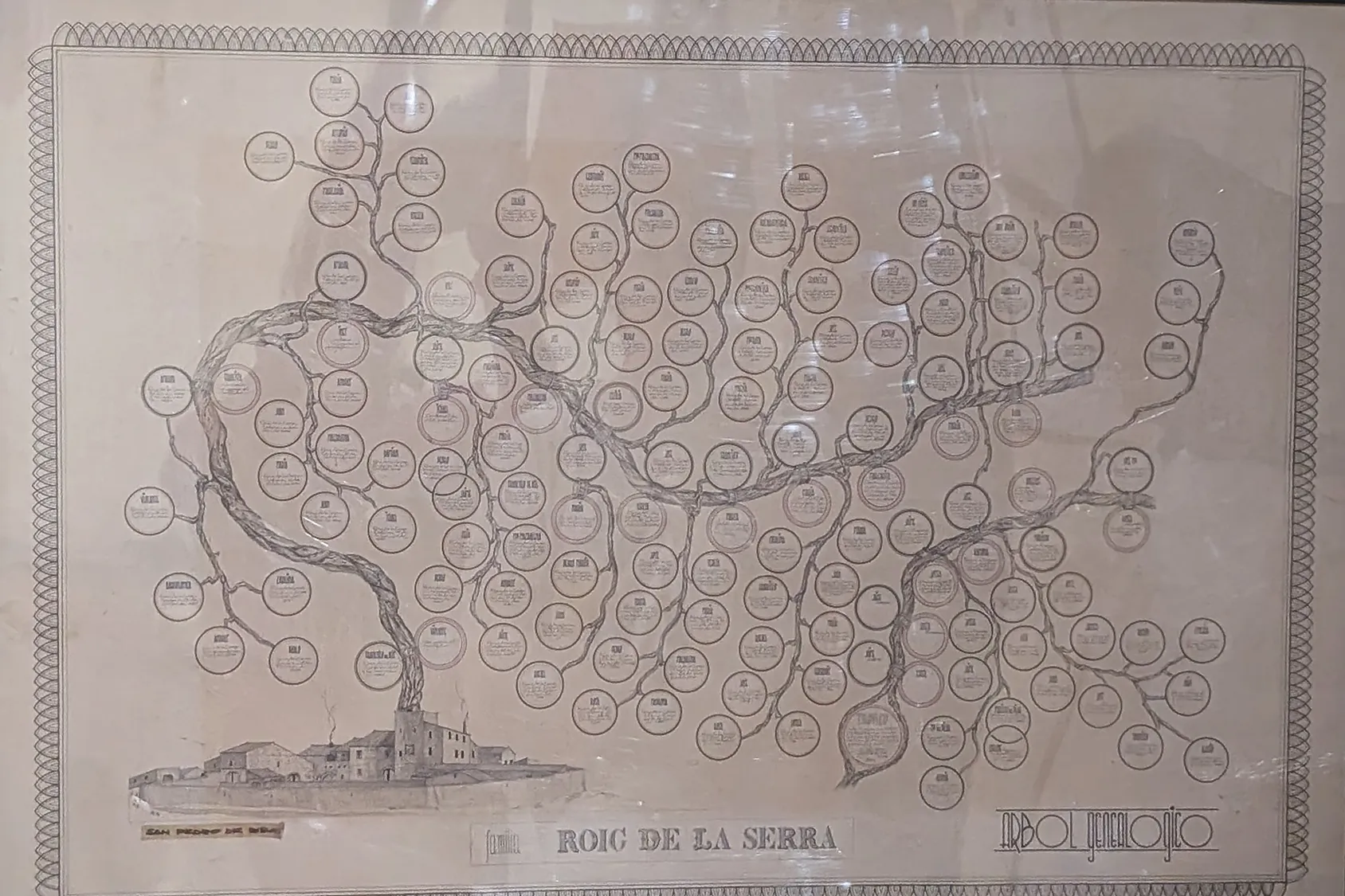
Away from large marketing strategies, these places are usually run by the families themselves. We visited, for example, Vega de Ribes (near Sitges), where we were welcomed by the owner (€10).
A tour led by someone who lives the day-to-day reality of the vineyard offers an essential human perspective. Before any technical explanation of the production process, we explored the property, smelled the soil and tasted herbs that grow naturally between the vines. This kind of immersion helps to understand how the wine in the glass is a direct reflection of its ecosystem.