If you are here, it’s because you are planning a visit to Avila and have probably asked yourself: what is there to do in Avila?
In this article, we want to help you make the most of your trip. Many travellers choose Avila as a day trip from Madrid, since the city is just an hour and fifteen minutes away by car. This proximity makes it easy to see the main tourist attractions, but it’s important to say that the city has much more to offer. Those who have time to explore at a slower pace will discover charming details, as well as hidden gems throughout the province of Avila.

How to Get to Avila from Madrid
Avila, located about 110 km from Madrid, is accessible in several ways:
By Train
Departures from Príncipe Pío (1h30) and Chamartín (2h) stations in Madrid. Avila Train Station is just a 10-minute walk from the historic centre.
Approximate cost:
From €7. Average price: €10.
(per journey)
Tickets:
Official Renfe website
By Bus
The journey takes between 1h20 and 1h45 on average, departing from Estación Sur (Méndez Álvaro) with the company Jiménez Dorado.
Approximate cost:
€10
(per journey)
Tickets:
Official bus company website
By Car
Avila is just over an hour from Madrid via the AP-51 motorway (with tolls). If you take the A-6 motorway (toll-free), the journey is about 30 minutes longer.
Approximate cost:
€11 to €15 in tolls plus fuel.
(per journey)
Our Tourist Map of Avila
Things to Do in Avila
Avila is best known for its medieval walls, declared a UNESCO World Heritage Site, which surround the historic centre. In addition, the city offers a range of monuments, churches and squares that reflect its rich cultural and architectural heritage from different periods. In this section, you will find the main places to visit and activities to make the most of your trip.
Avila City Walls
Walking Around the Outside (Free)
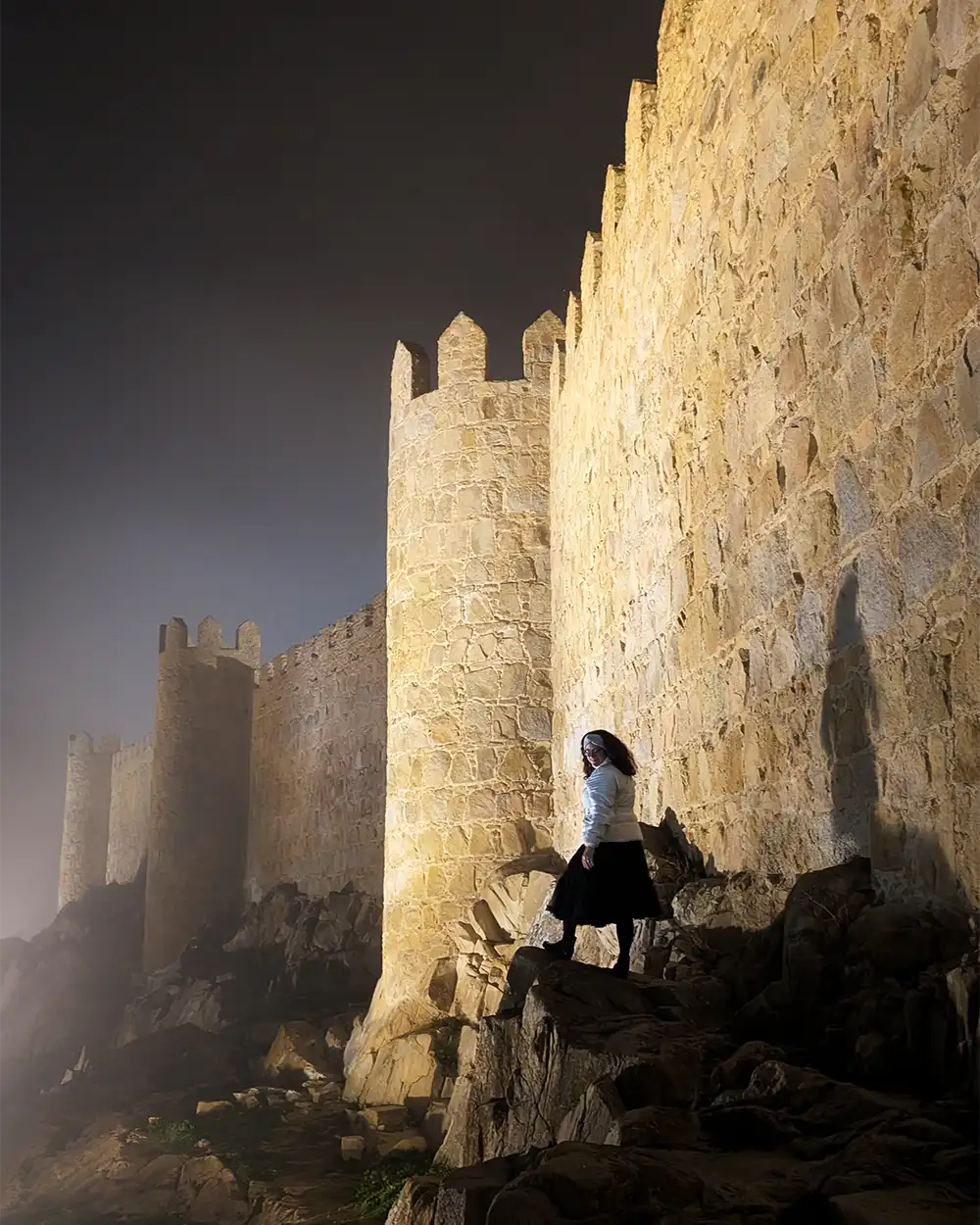
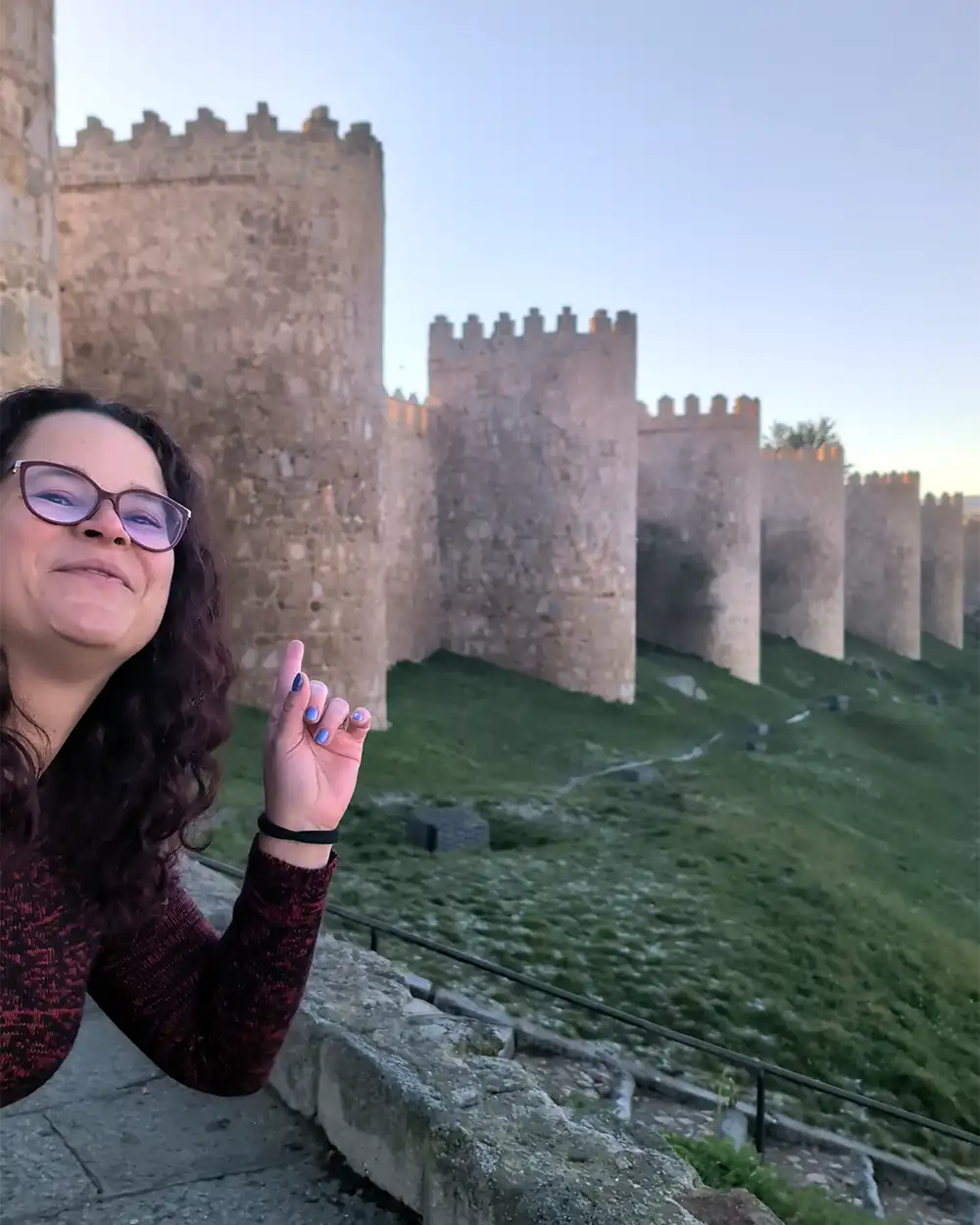
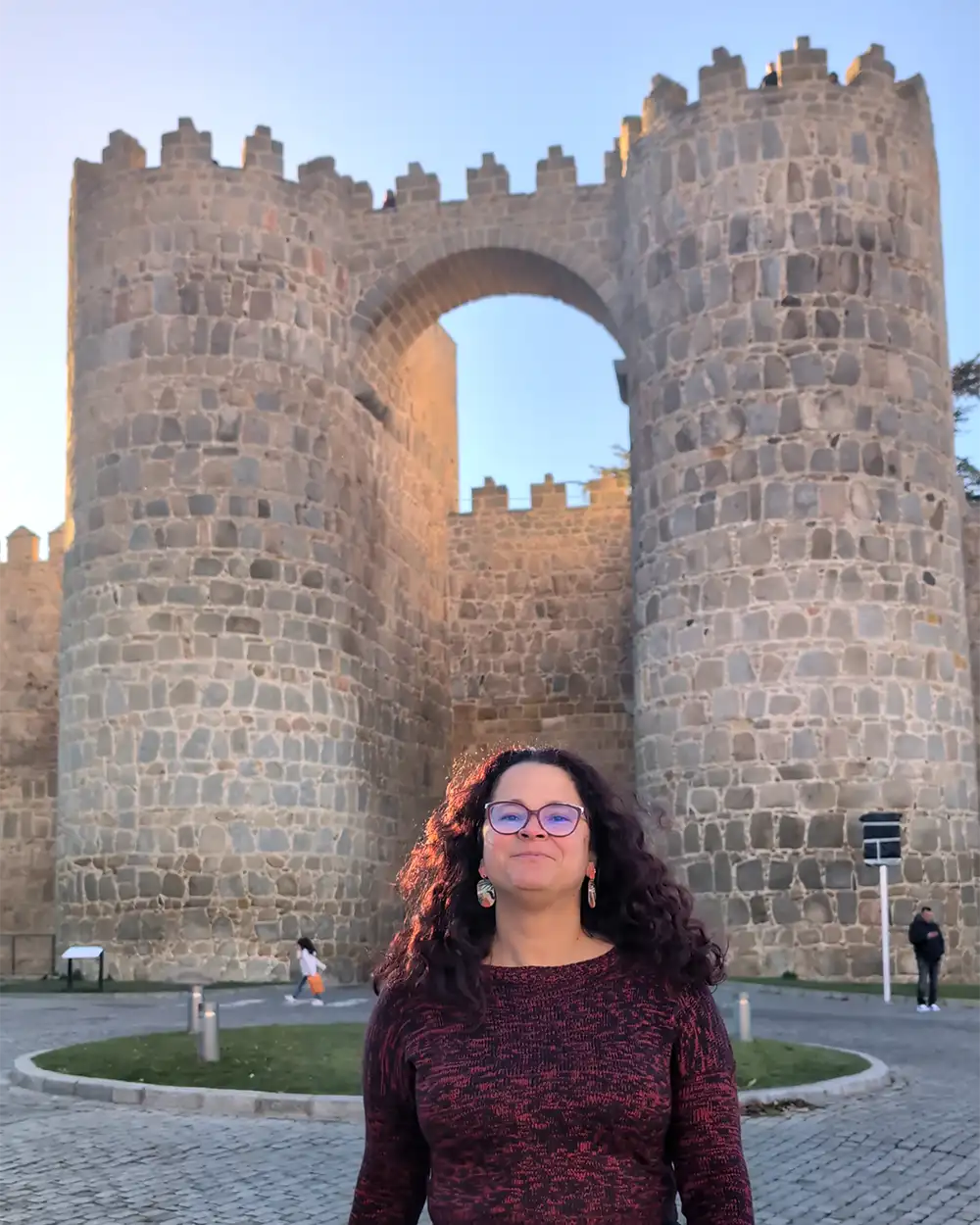
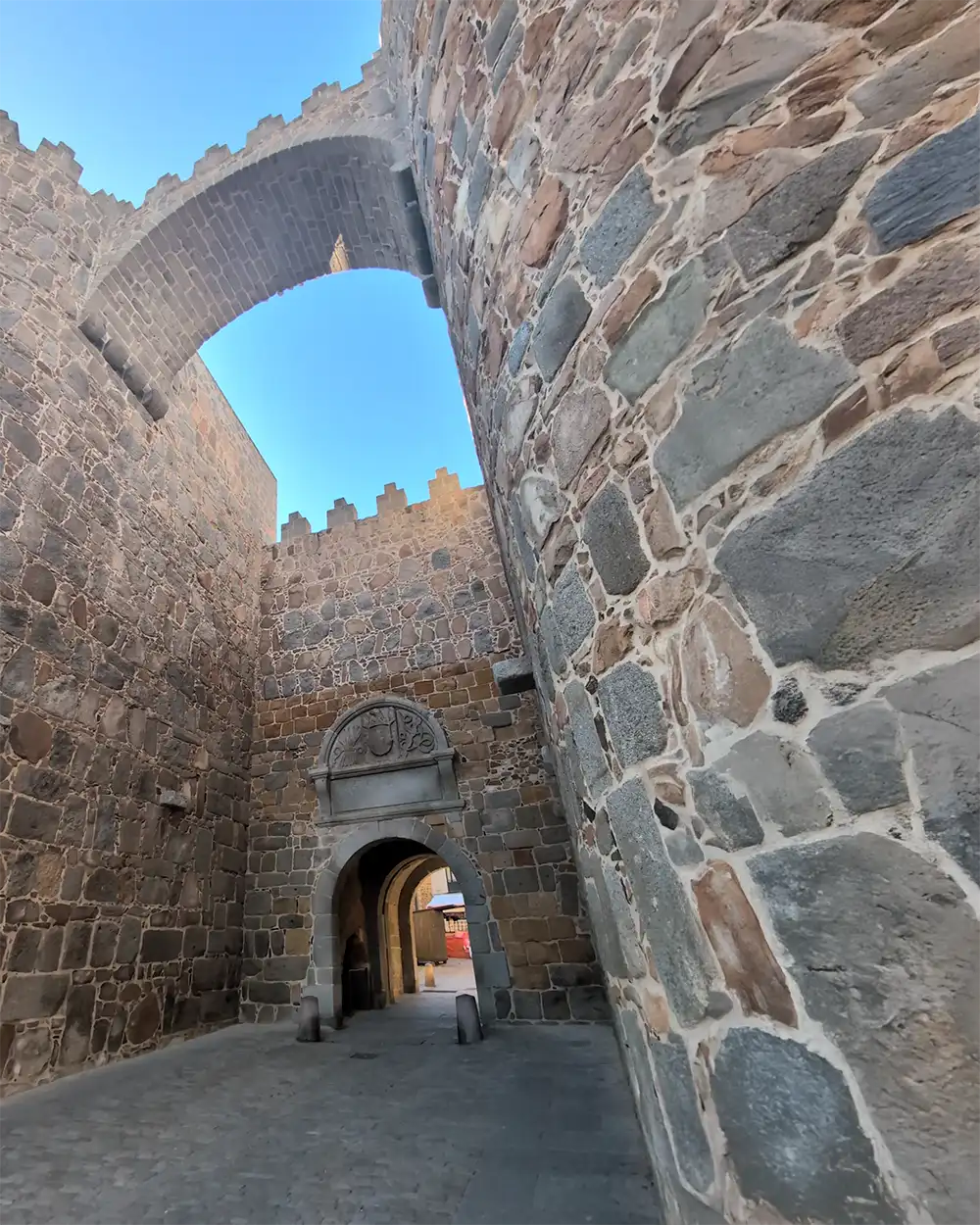
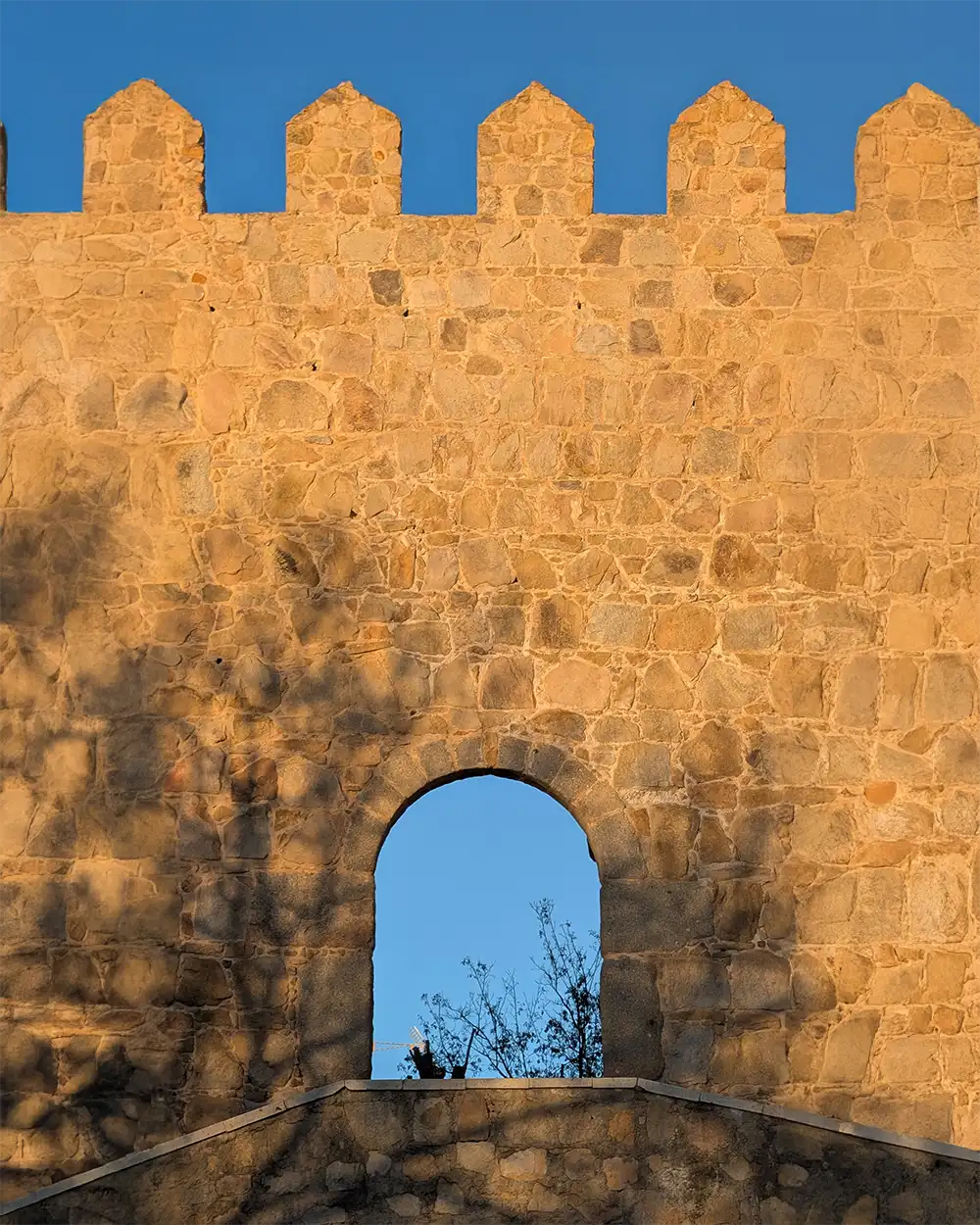
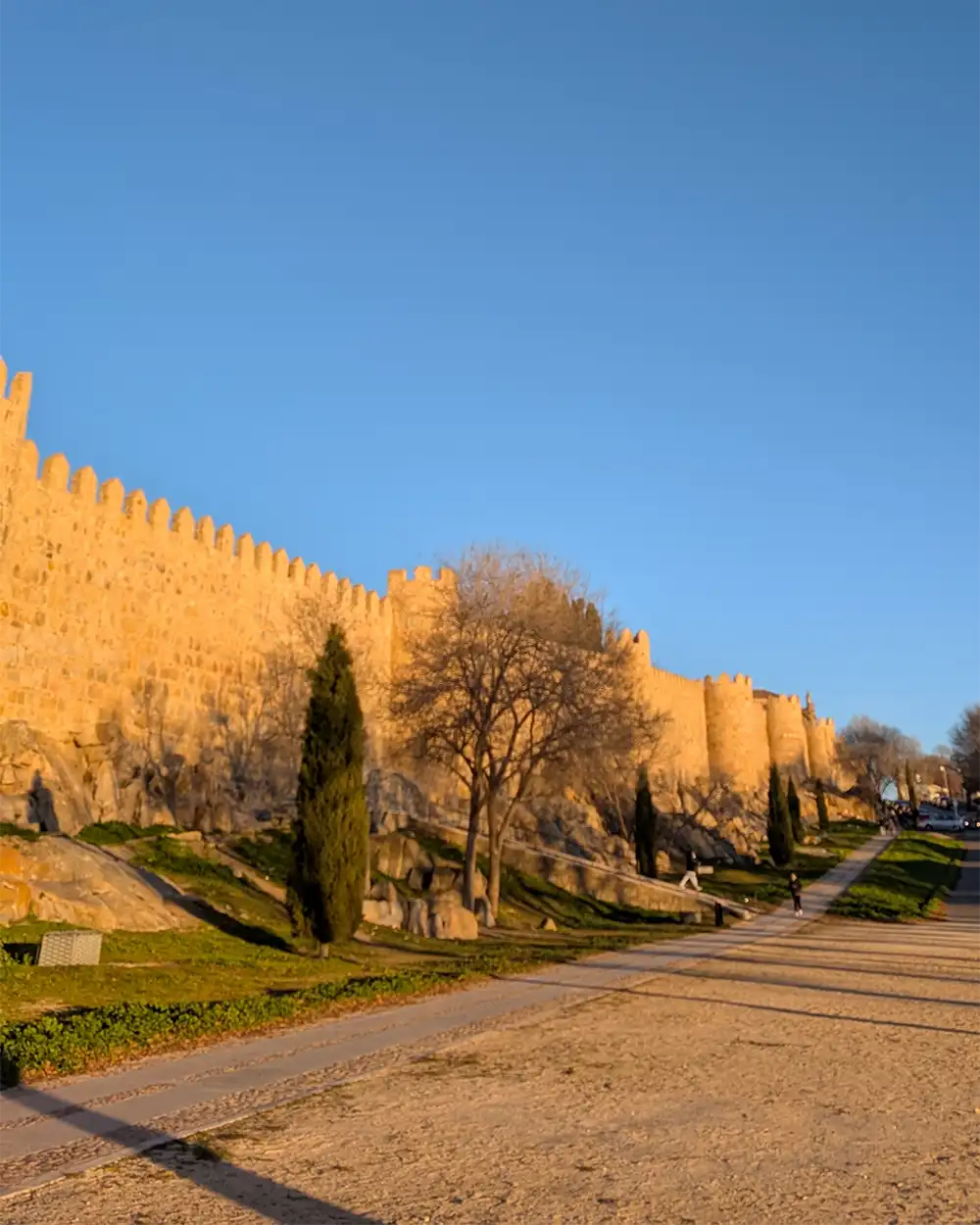
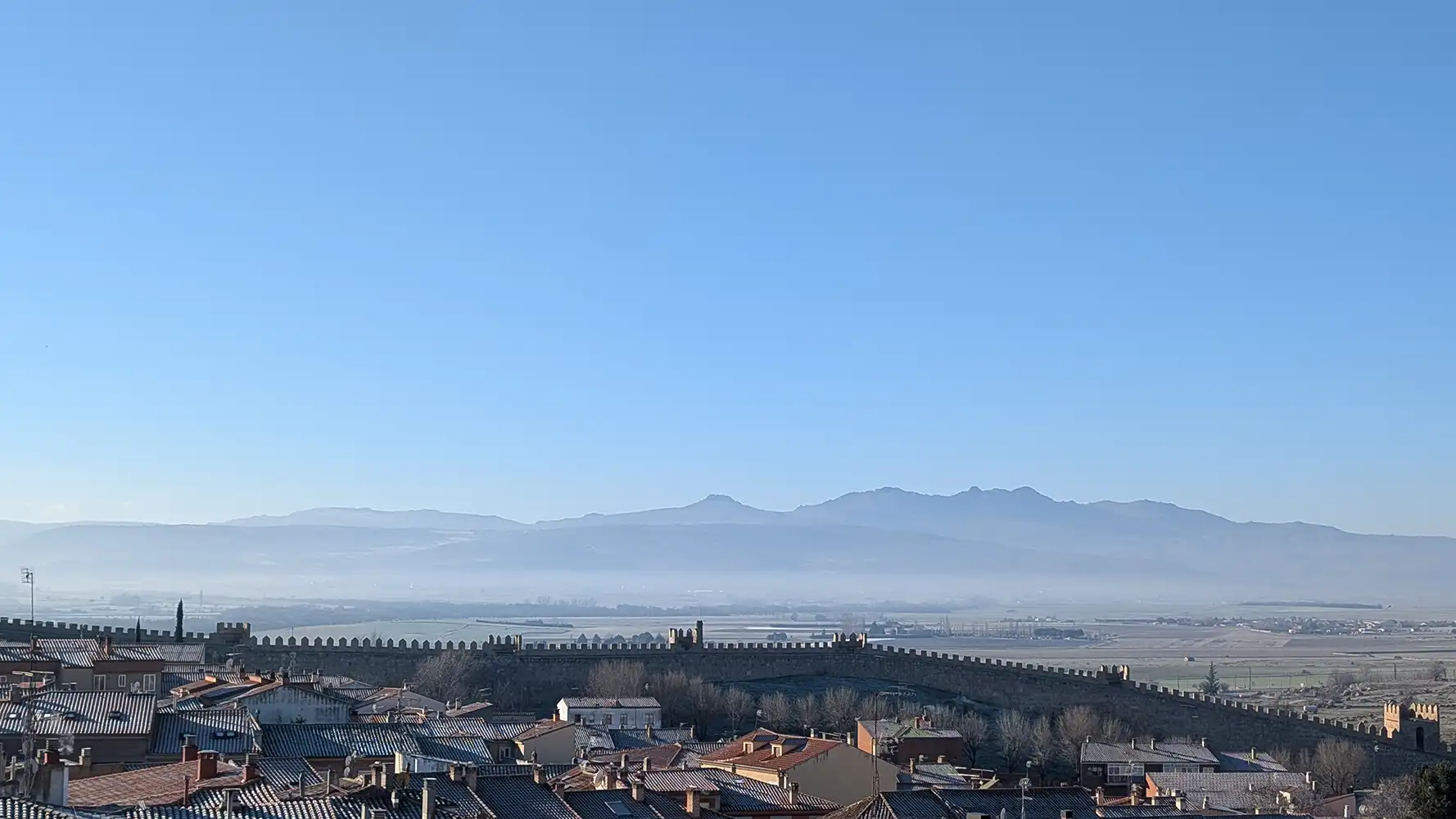
The walls of Avila are a spectacle in themselves, and walking around them is a must-see experience and, best of all, completely free. It is impressive to observe their sheer size up close, with walls averaging 3 metres wide and 12 metres high.
The walls stretch for 2.5 kilometres and feature nine gates, each with unique characteristics. Among the most beautiful are the Alcázar Gate and the Gate of Saint Vincent, both excellent spots for photography.
If you are travelling on a budget, this walk alone already makes the trip worthwhile. It is gorgeous.

Walking on Top of the Walls (Paid or Free Option)
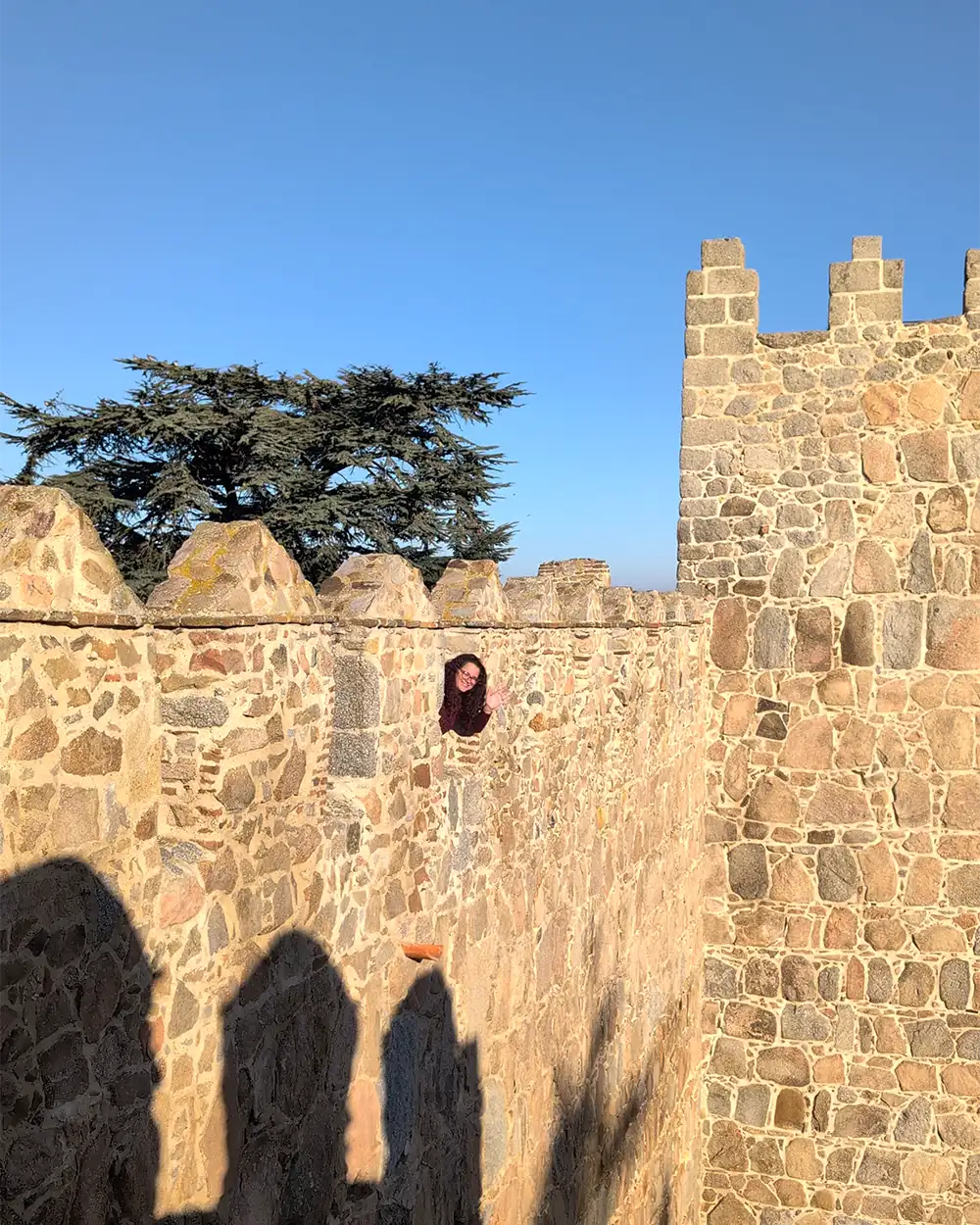
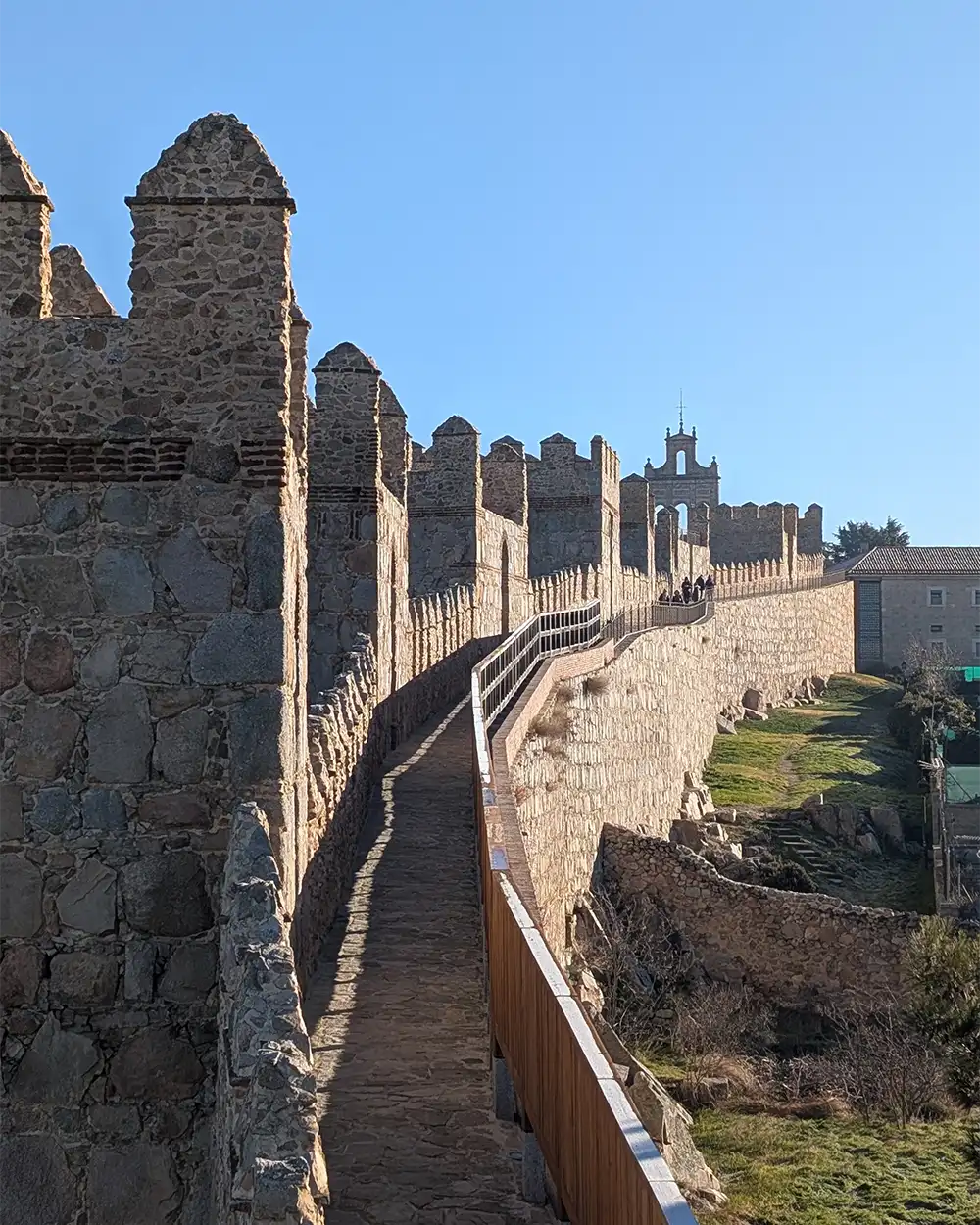
If possible, we recommend including the walk on top of the walls in your itinerary. For us, it was one of the most interesting experiences in Avila and we highly recommend the visit.
The route is divided into two sections, separated by the cathedral. They are not directly connected, but you can visit both with the same ticket. In total, about 1.7 kilometres of the walls can be walked on top.
Important: entrance is free every day between 14:00 and 16:00, except on public holidays and the day before public holidays. If you can, this could be the best time to plan your visit.


Practical Information for Visiting the Walls
Opening Hours
Winter (October to March)
From 10:00 to 18:00.
Summer (March to October)
From 10:00 to 20:00, with a lunch break in July and August (from 15:00 to 17:00).
Attention
Last entry is between 30 and 45 minutes before closing time, depending on the gate.
We recommend checking the official website for updated opening times, especially on public holidays and special dates.
Access
The walls have several entry points:
Alcázar Gate
Carnicerías Gate
Carmen Gate
Adaja Bridge Gate

See our complete Avila map for the locations of each access point.
Ticket Price
General admission: €8.
Entry is free every day between 14:00 and 16:00, except on public holidays and the day before public holidays.
Reduced admission: €5
(for students, children and visitors over 65 years old).
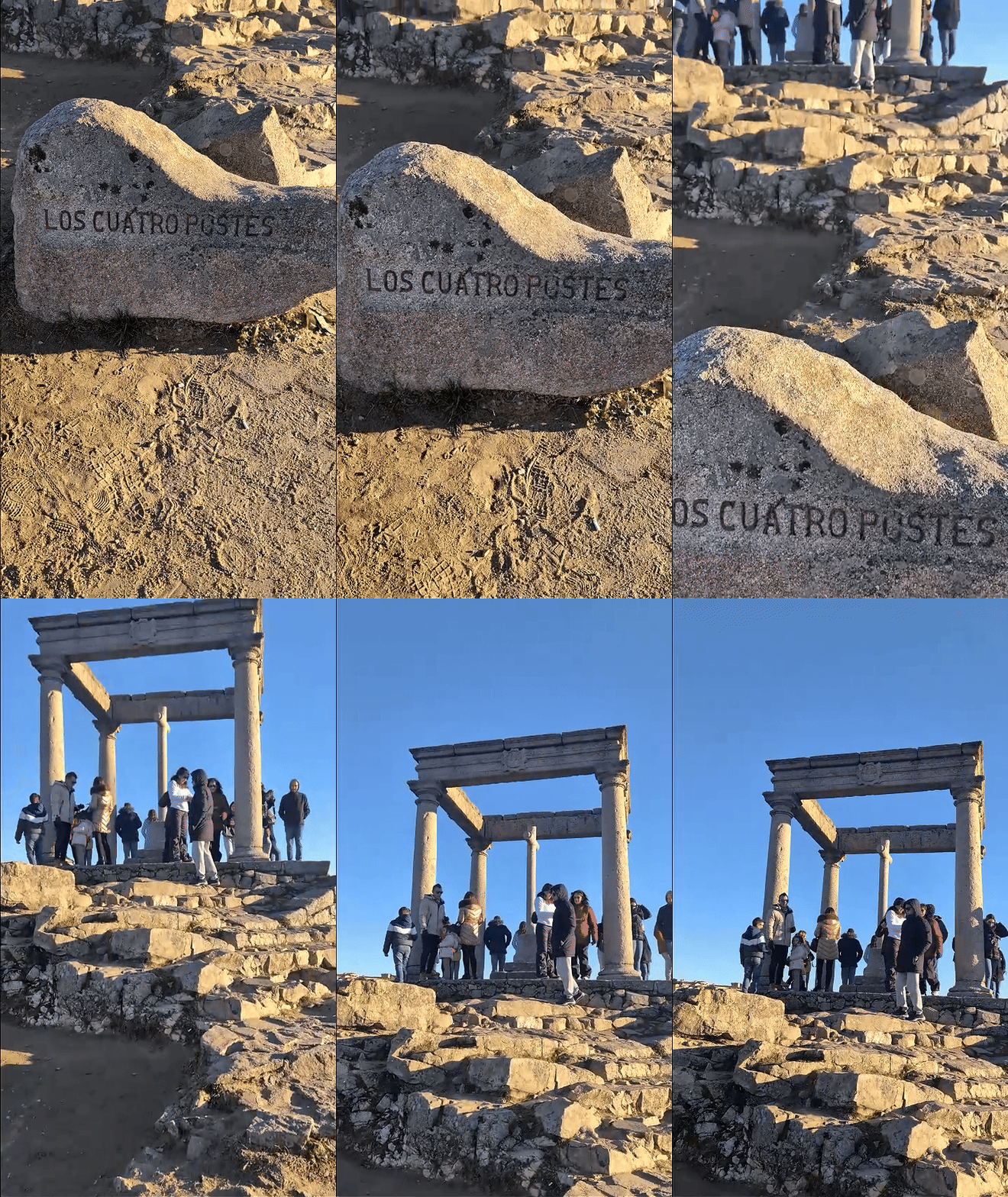
Four Posts Viewpoint
Ideal for seeing the city from a broader perspective. It is located just a few minutes from the historic centre, on top of a small hill, and offers panoramic views of the entire old town.
The structure, made up of four stone columns and a central cross, is a simple monument but one full of meaning. It is said that Saint Teresa of Avila experienced important moments of reflection here during her childhood.
- Tip: If you are driving, there is parking near the viewpoint. If you prefer to walk, the route from the centre is short and worth it for the chance to see the city from different angles.


Avila Cathedral
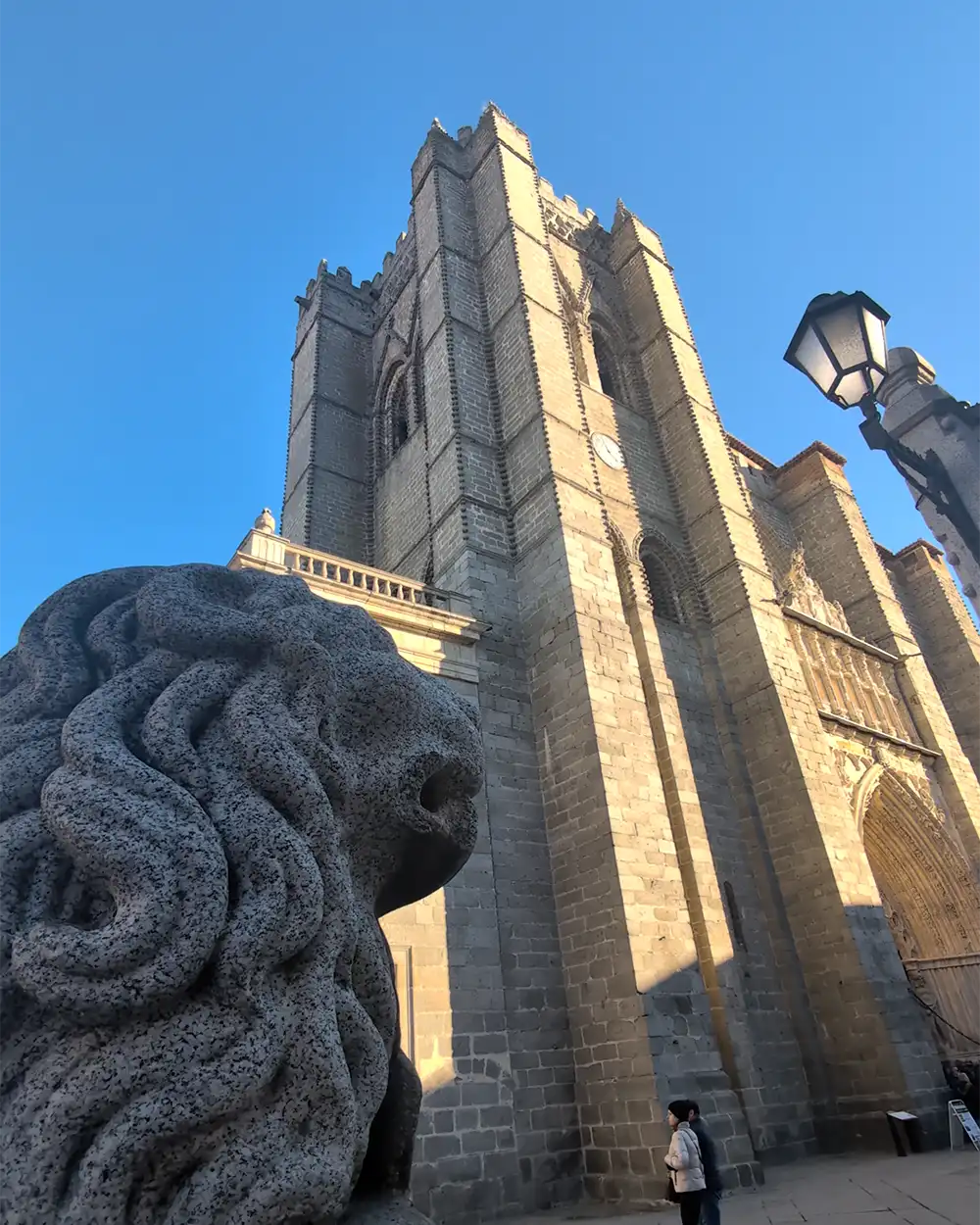
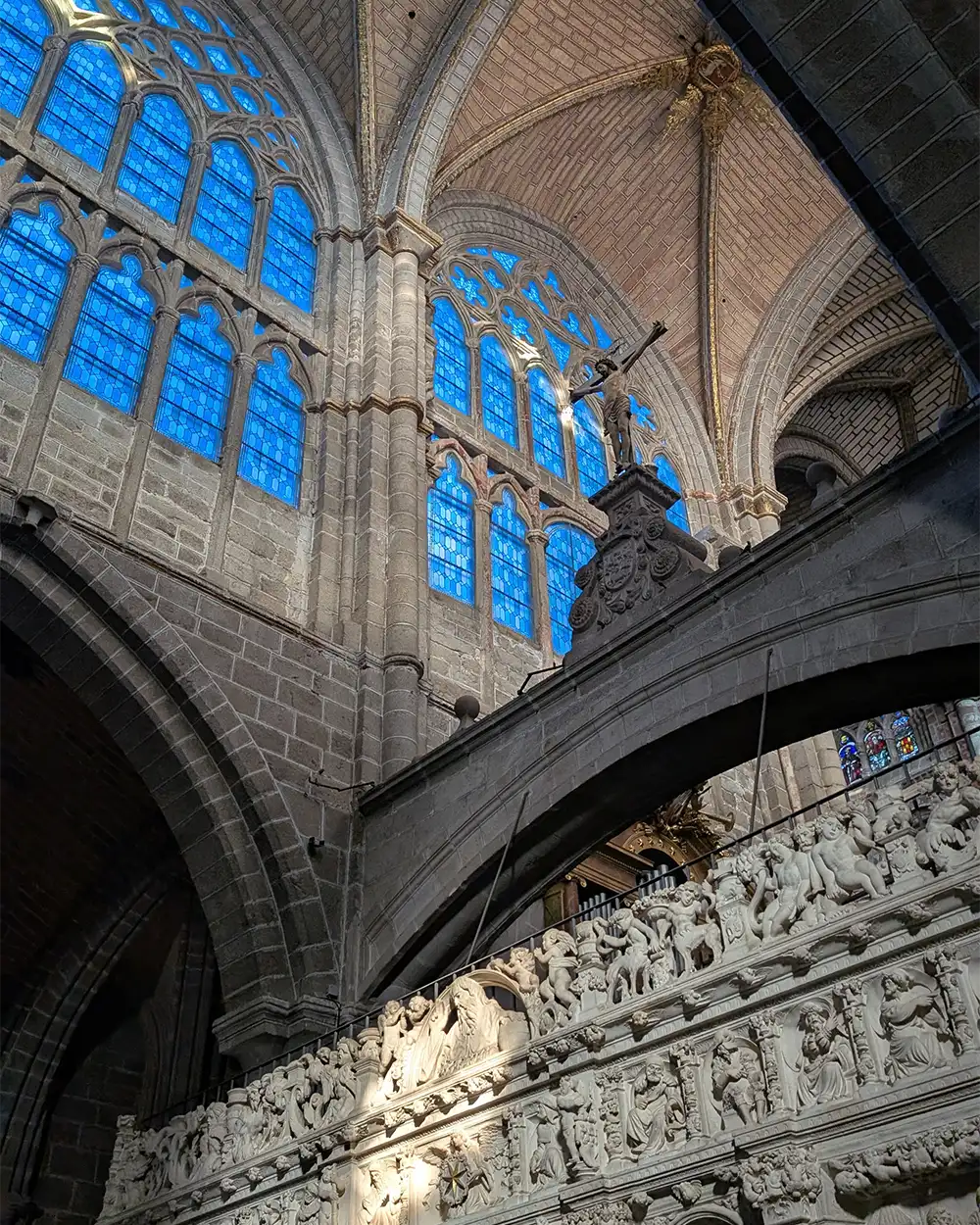
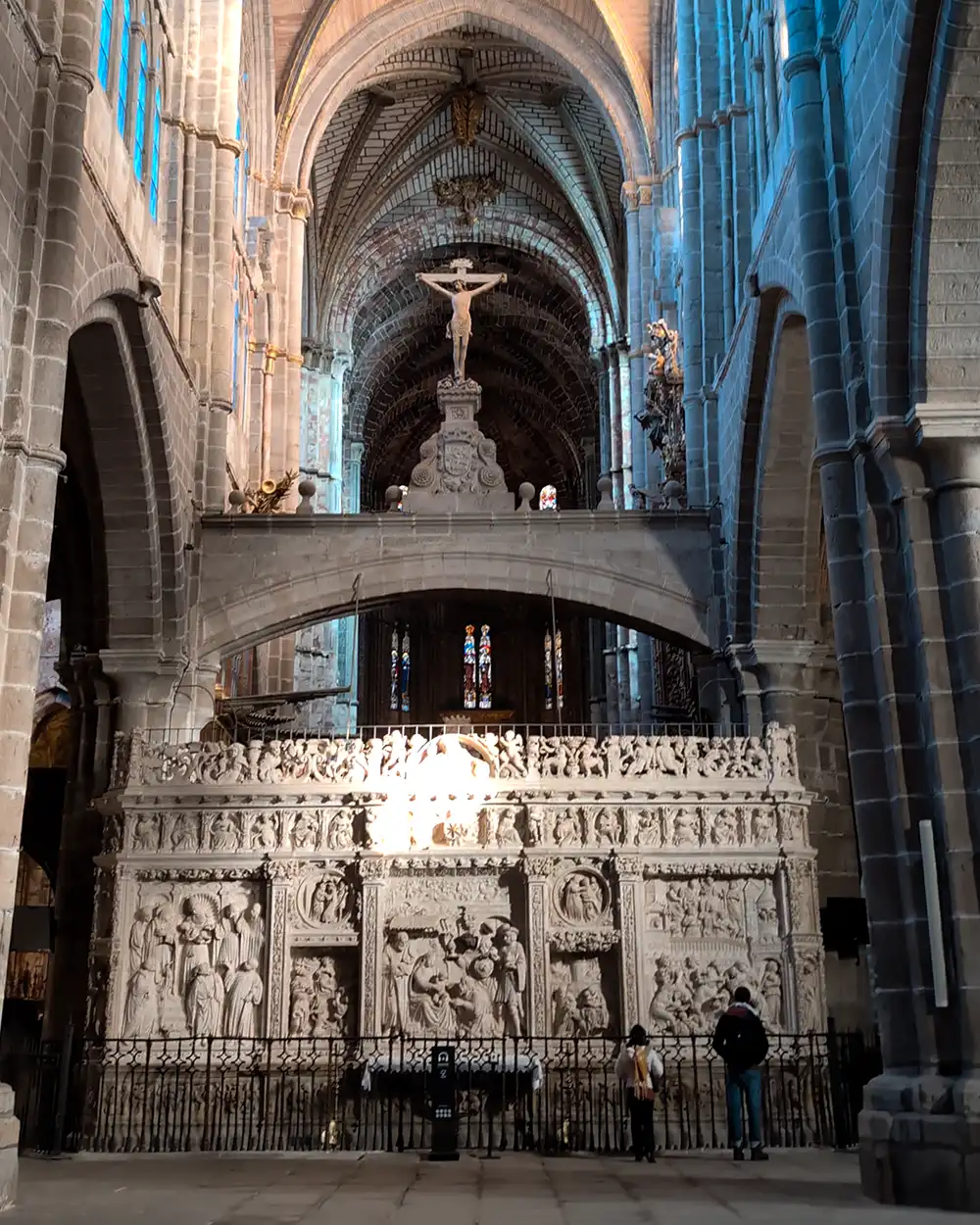
Avila Cathedral is one of the city's most important monuments and the first Gothic cathedral built in Spain. Located within the city walls, it historically served both as a religious temple and as a fortress (it forms part of the walls).
Highlights of Avila Cathedral include the main altar, attributed to the Spanish sculptor Vasco de la Zarza. The side chapels, such as the Chapel of Saint Secundus, house tombs of important historical figures and religious artworks from different periods.
Admission includes an audio guide explaining architectural details and sharing the stories of notable figures. You can also climb the towers for an additional €3 to enjoy views of the city and the surrounding walls.
Opening Hours
Cathedral:
- Monday to Saturday: 10:00 to 18:00
- Sunday: 12:30 to 18:00
- Last entry: 30 minutes before closing.
Bell Tower:
- Monday: 12:00
- Saturday: 12:00 and 13:00
- Sunday: 13:00
You must arrive 5 minutes before the climbing time.
Tower visits may be suspended in case of adverse weather conditions.
The climb is not recommended for visitors with reduced mobility.
Note: Opening times may change without prior notice due to liturgical activities. We recommend checking the parish calendar before your visit.
Basilica of Saint Vincent
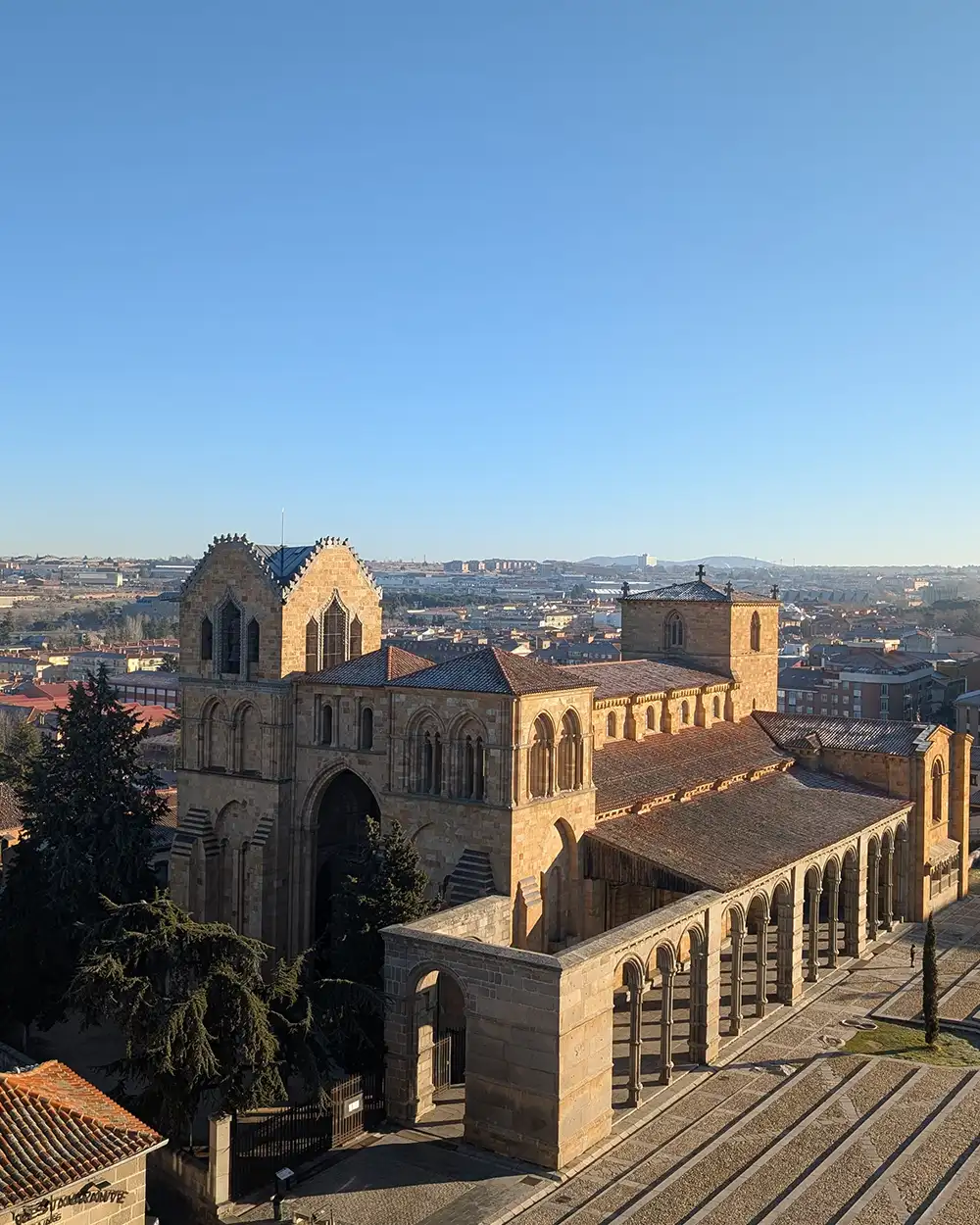
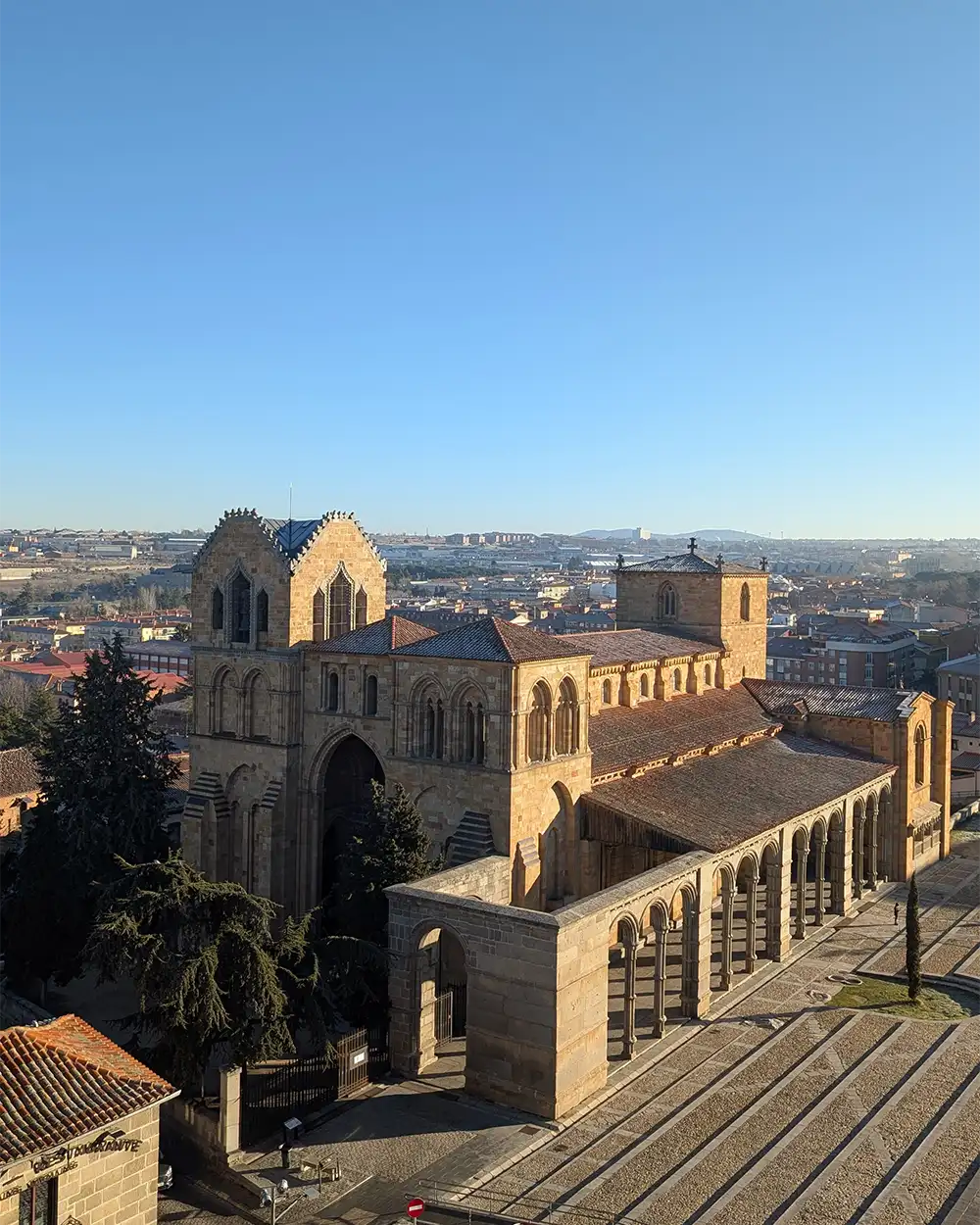
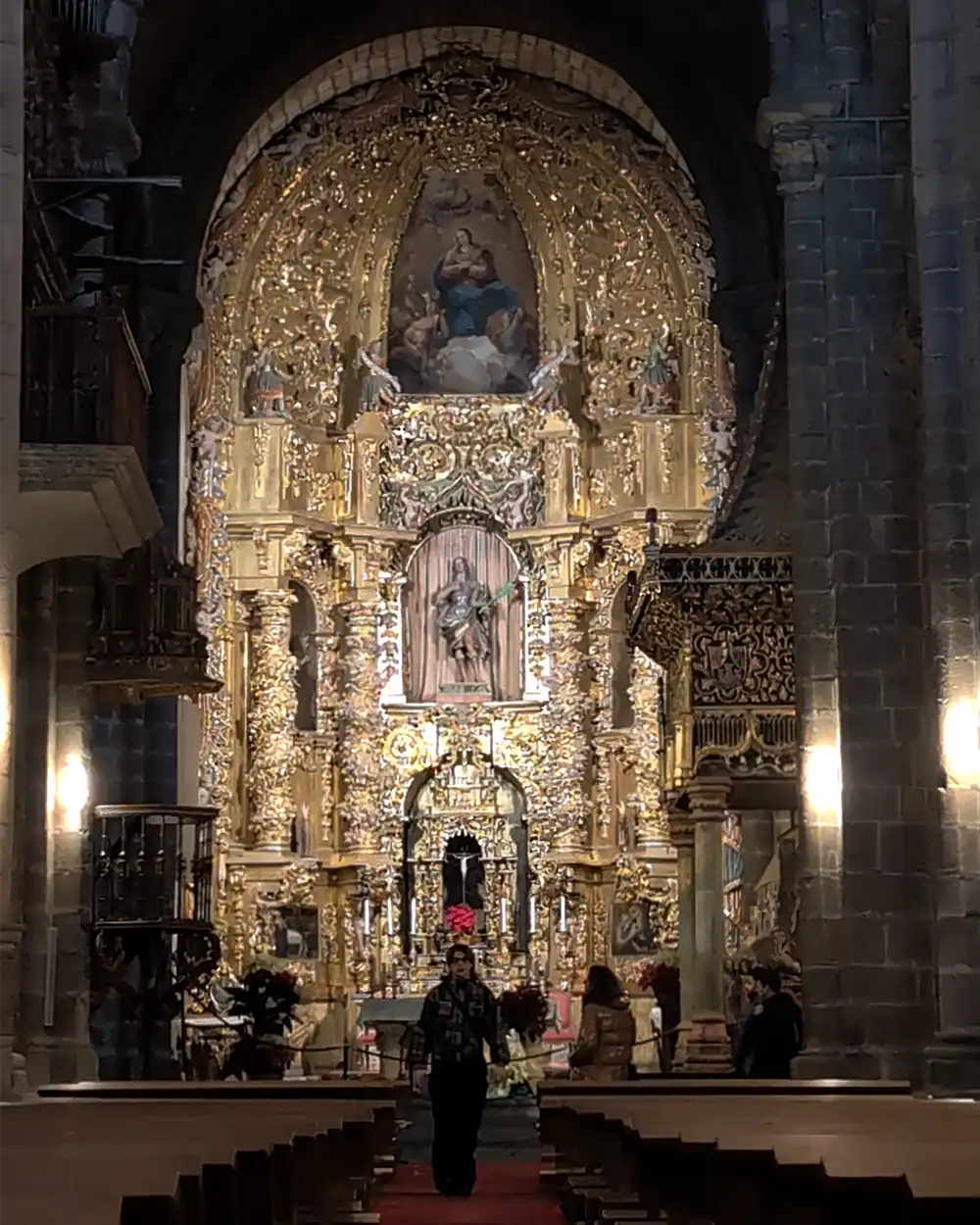
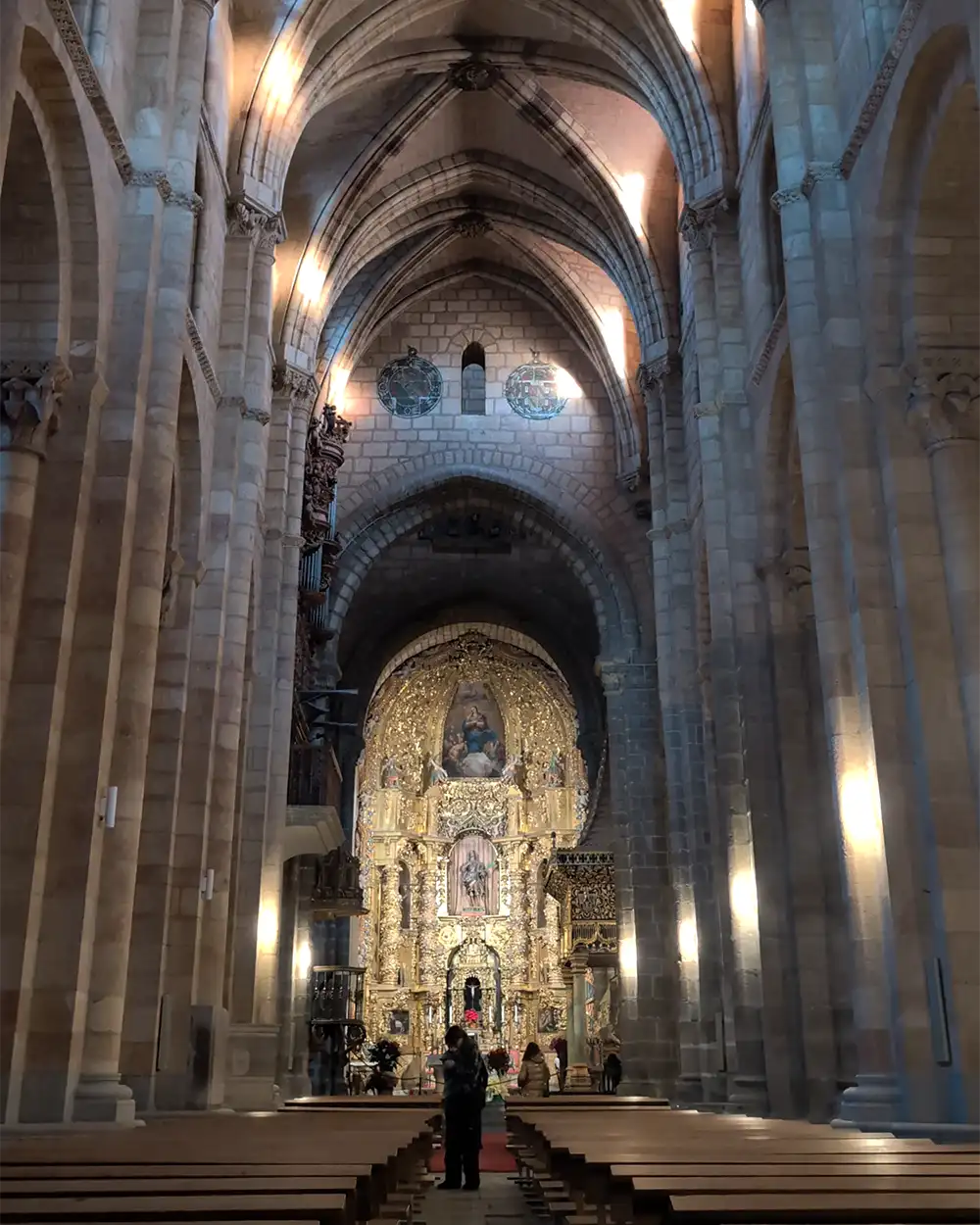
The Basilica of Saint Vincent is one of the most important religious monuments in Avila, located just outside the city walls. Built between the 11th and 14th centuries, it combines Romanesque and Gothic architectural styles.
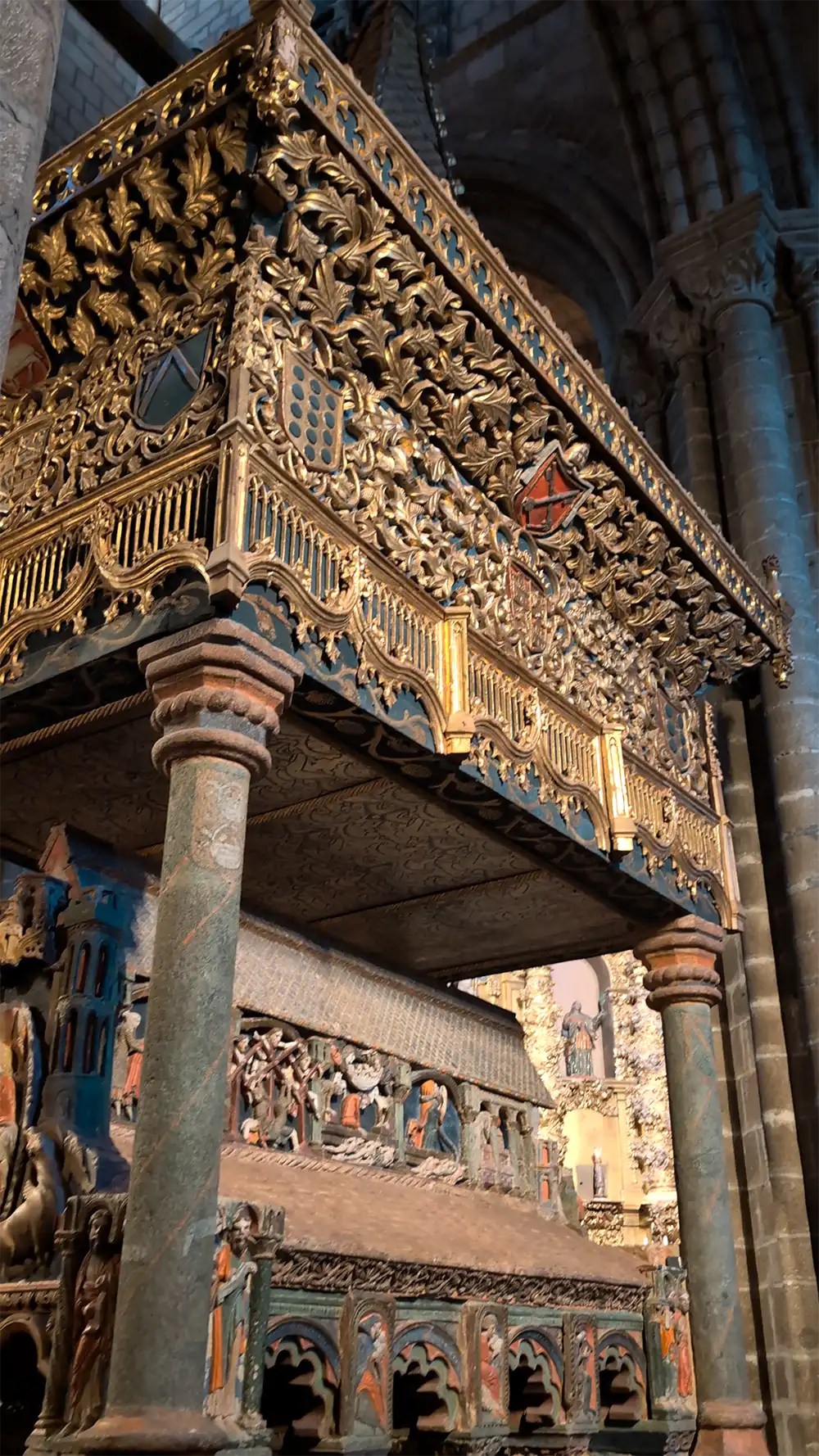
The highlight of the basilica is the Cenotaph of Saint Vincent, a richly sculpted tomb honouring Saint Vincent and his brothers, Christian martyrs.
- Tip: Visit the basilica at the end of the day to enjoy the natural light coming through the stained-glass windows, which enhances its beauty even more.
Opening Hours
Winter (1 November to 31 March):
Monday to Saturday: 10:00 to 13:30 and 16:00 to 18:30
Sunday: 16:00 to 18:00
Summer (1 April to 31 October):
Monday and Wednesday to Saturday: 10:00 to 18:30
Tuesday: 10:00 to 13:30 and 15:00 to 18:30
Sunday: 16:00 to 18:00
Note: Opening times may change without prior notice due to liturgical activities. We recommend checking the parish calendar before your visit.
Basilica of Saint Teresa of Jesus
The most spiritual tourist attraction we visited. It is dedicated to the patron saint of Avila, Saint Teresa of Jesus, also known as Teresa of Avila. She was a Spanish religious figure and writer from the 16th century, and the founder of the Order of the Discalced Carmelites.
Santa Teresa Museum
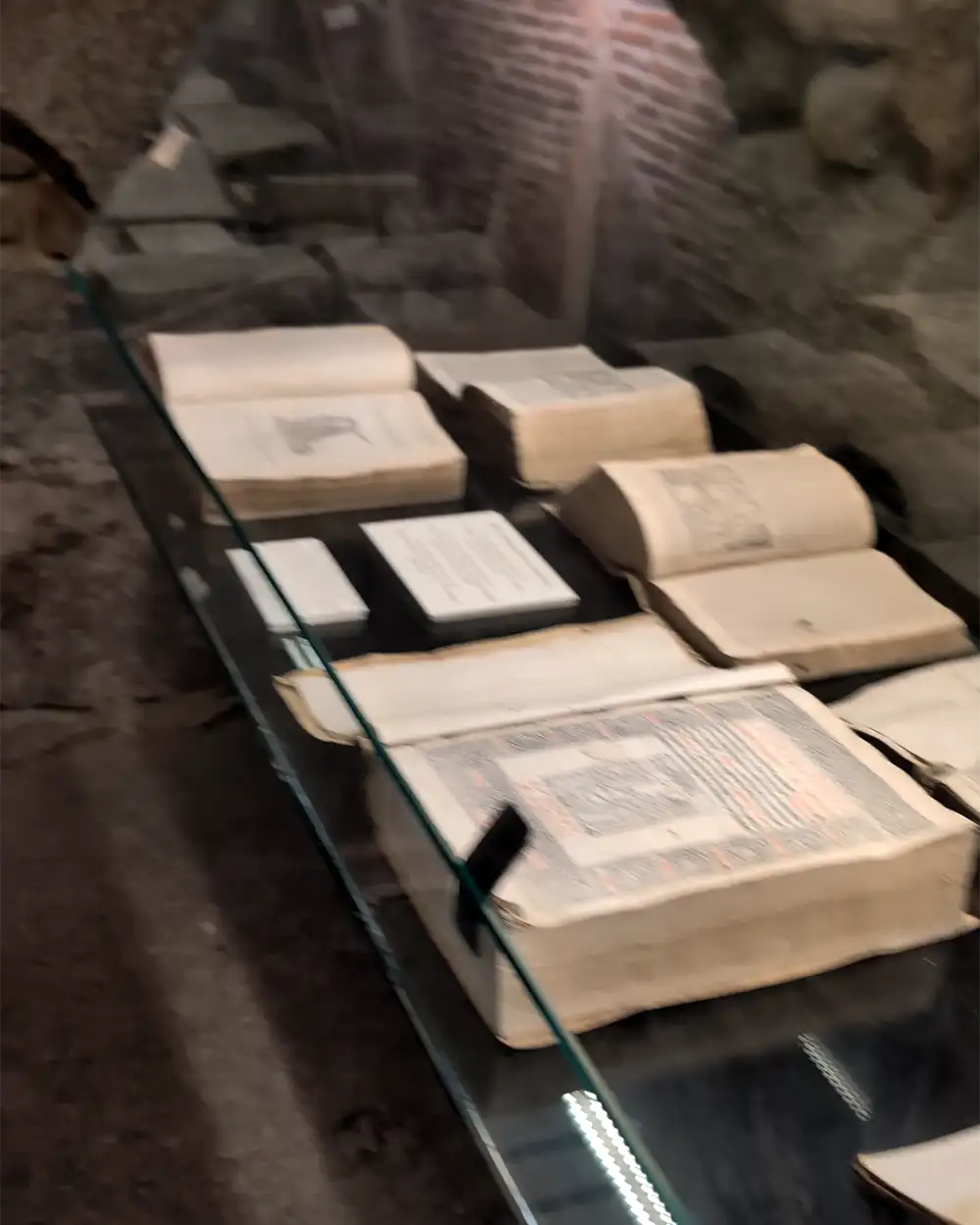
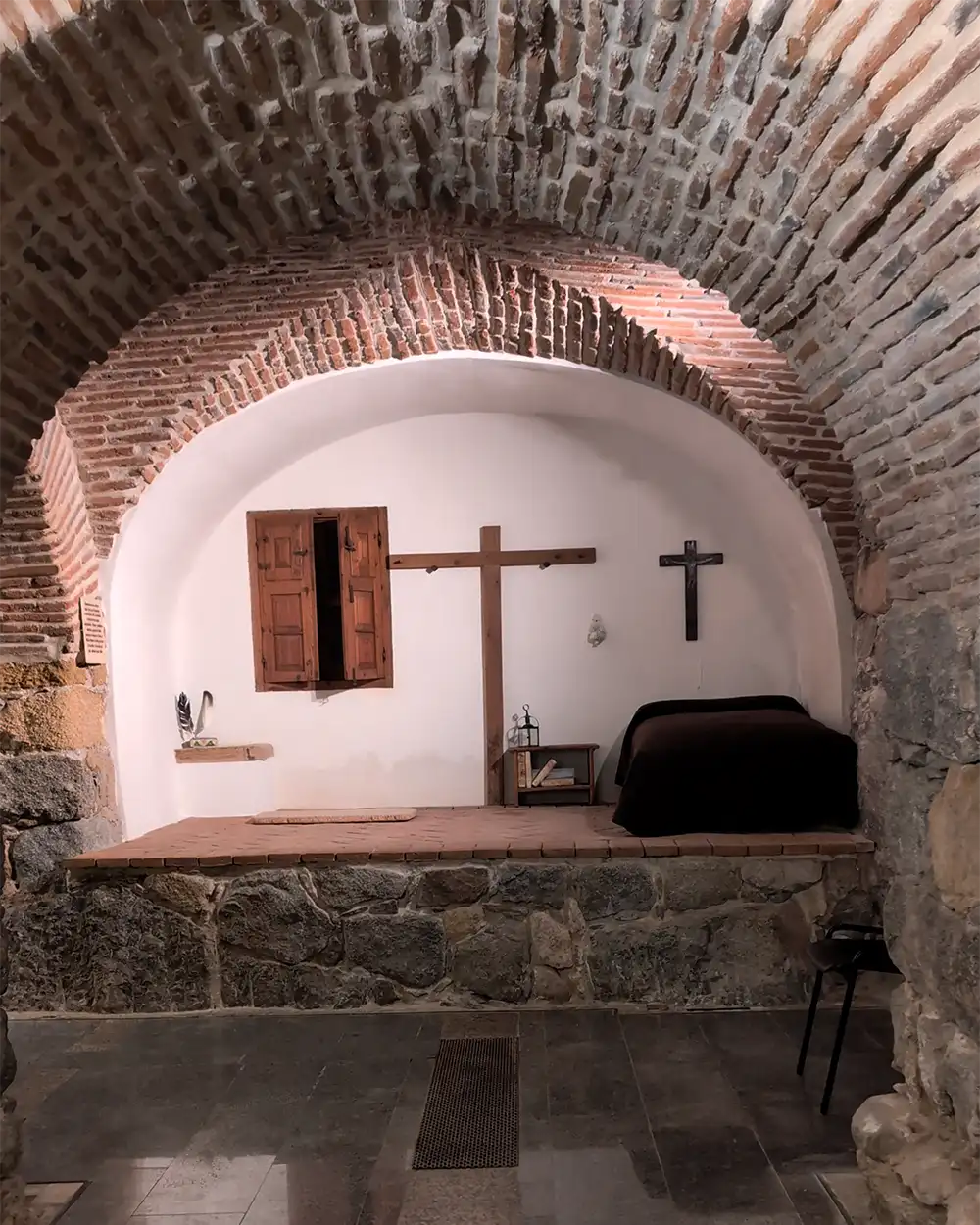
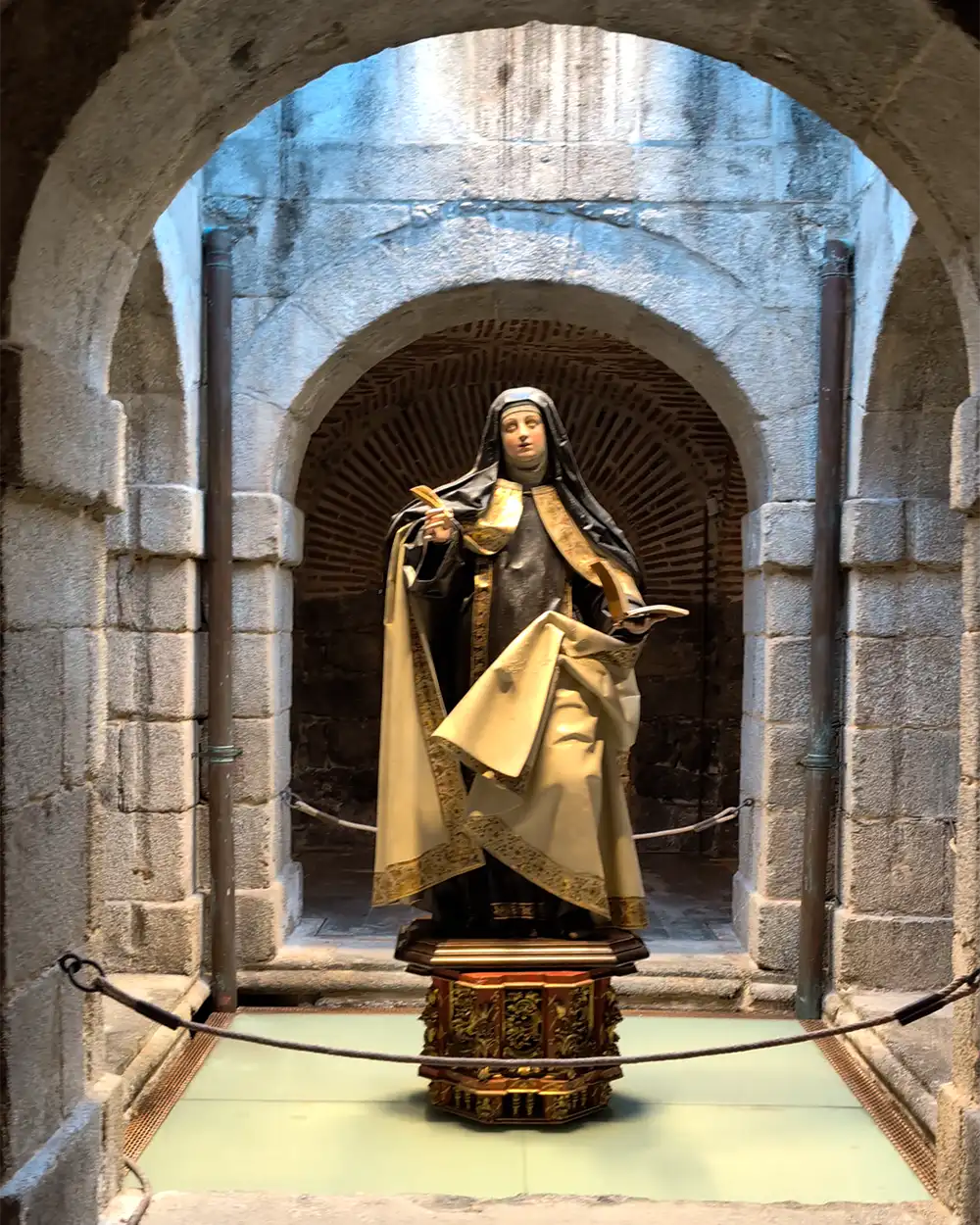
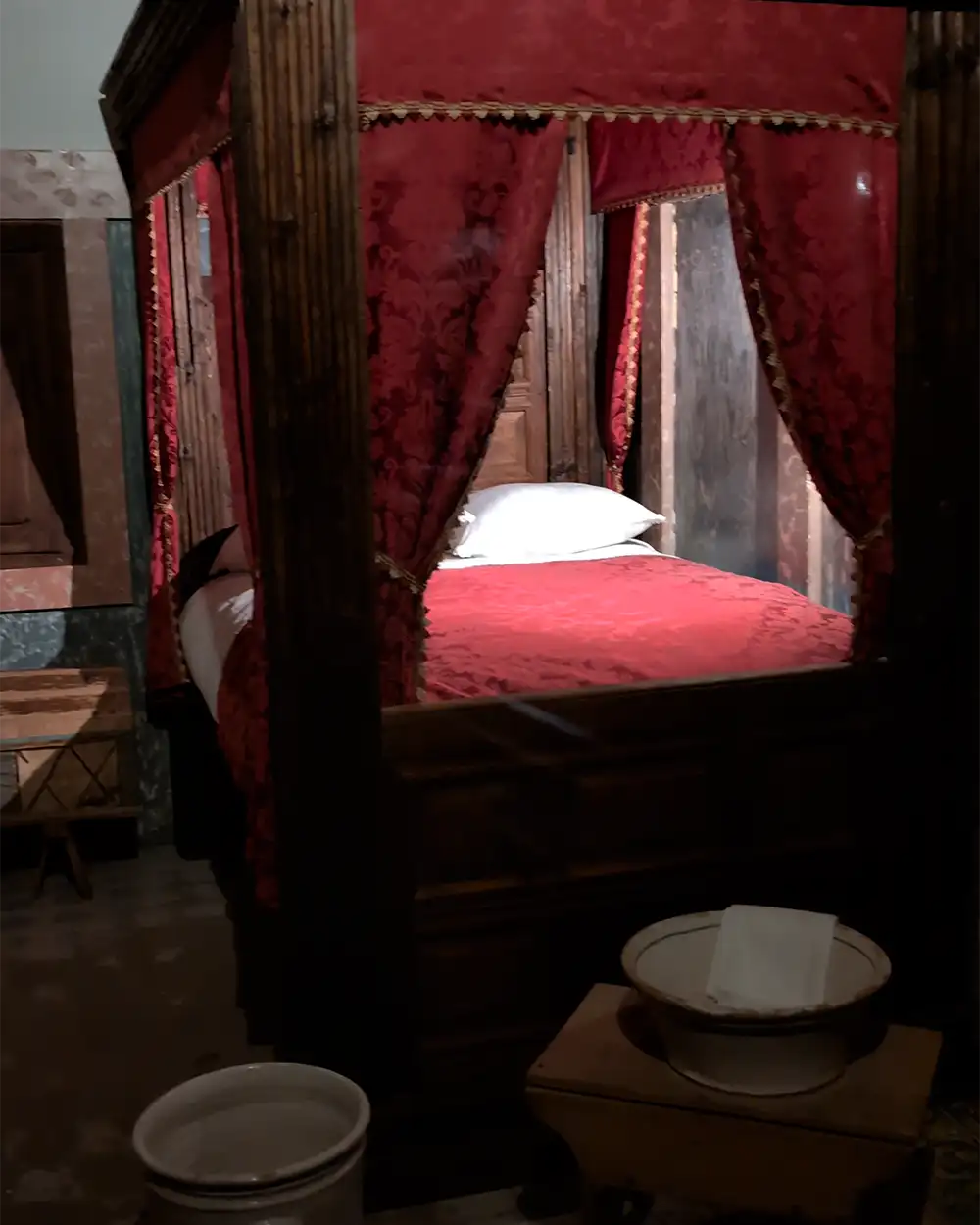
Located beneath the basilica, the museum houses a collection of objects related to the life of the saint, including a reproduction of her room, manuscripts and books she wrote, along with panels and exhibitions narrating her childhood and spiritual journey.
Opening Hours
April to October:
10:00–14:00 and 16:00–19:00
November to March:
10:00–13:30 and 16:00–19:00
Closed on Mondays.
Last entry 30 minutes before closing.
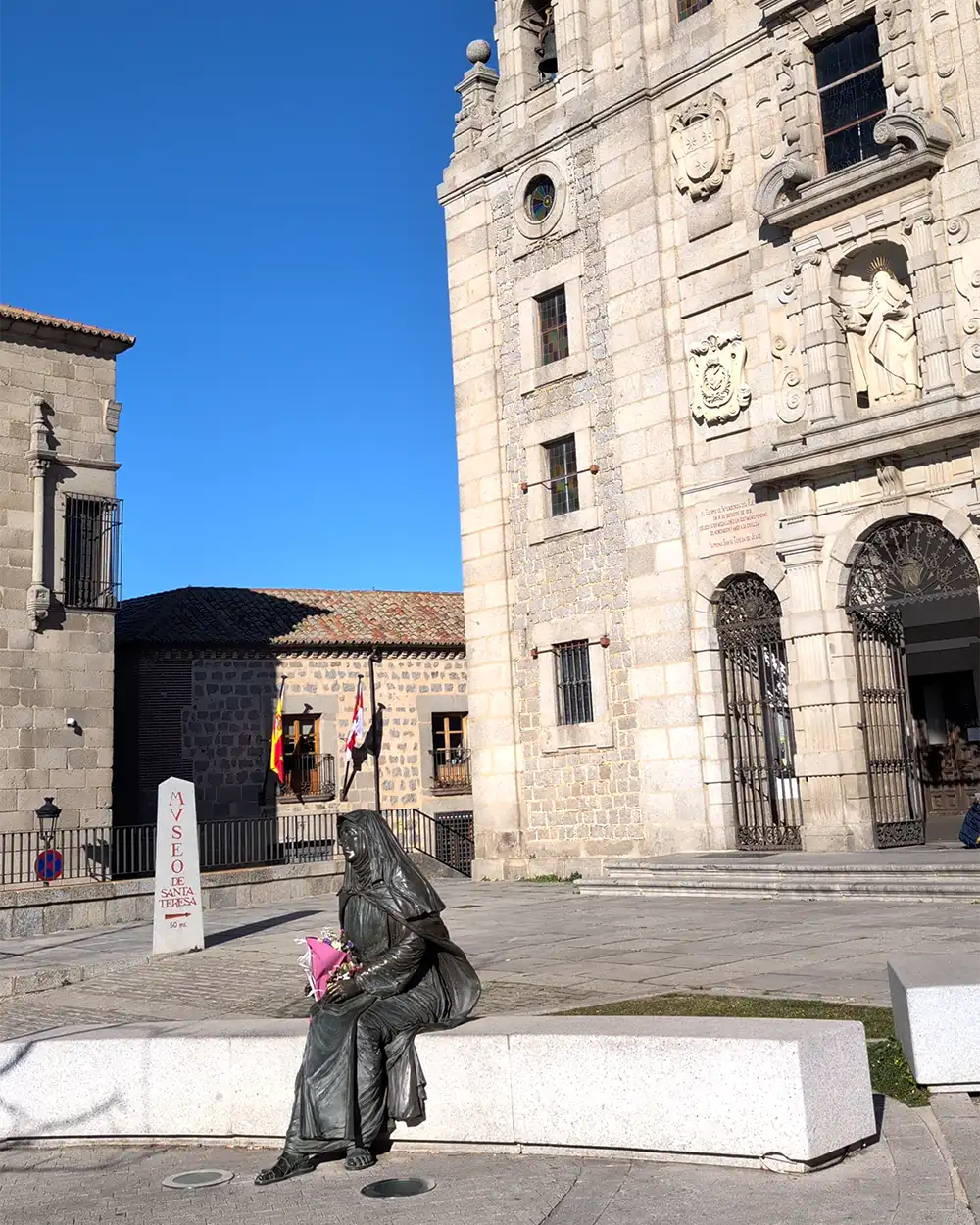
Basilica of Saint Teresa
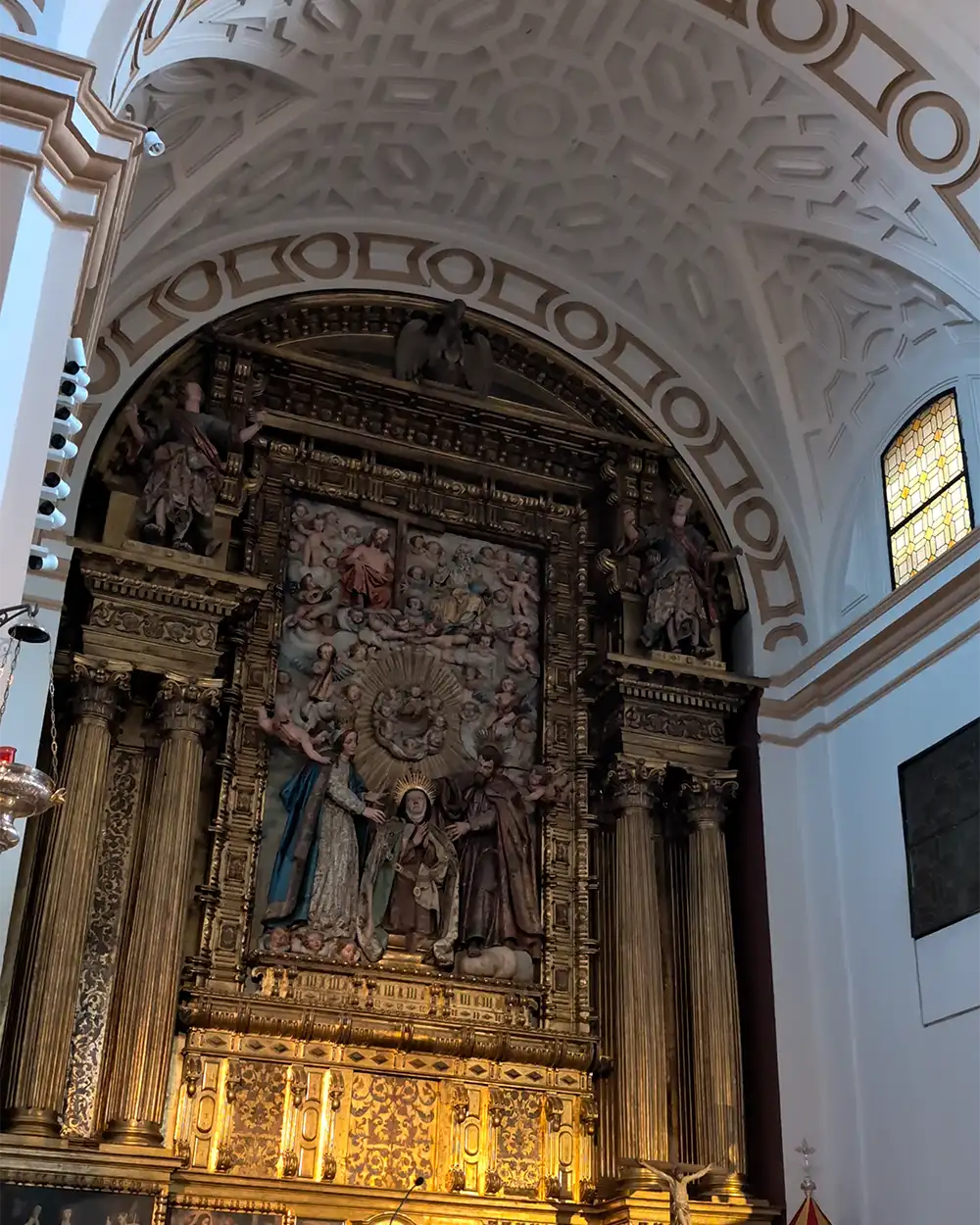
The basilica was built on the site where Saint Teresa was born and preserves elements that recall her early life and spiritual legacy. One of the highlights is the room where she was born, now transformed into a small and evocative exhibition space.
Opening Hours
08:15 to 14:00 and 17:00 to 21:00 daily.
On Sundays, opening at 09:00.
Blessed Sacrament Exposition
Summer (July–August):
Thursdays (18:00–20:00) and Sundays (19:00–20:00)
Winter (September–June):
Thursdays (10:00–19:30) and Sundays (19:30–20:00)
Admission Fees
Free of charge.
Other Points of Interest in Avila
Monastery of Saint Thomas
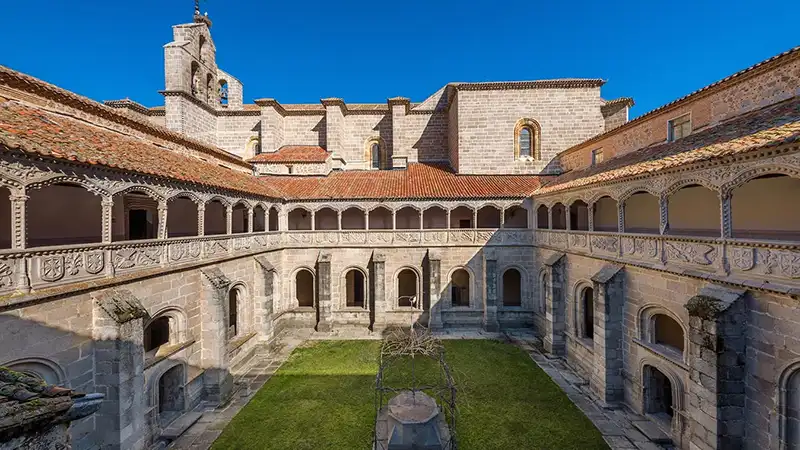
A historic site linked to the Catholic Monarchs. It features beautiful cloisters and a museum housing exhibitions related to the history of the region and the Inquisition.
Convent of Saint Joseph
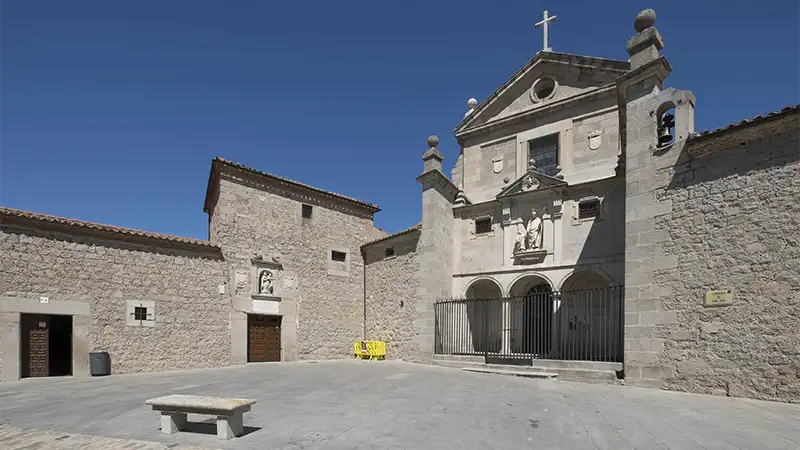
The first convent founded by Saint Teresa. It is a place of great spiritual importance, with a museum dedicated to her life and works.
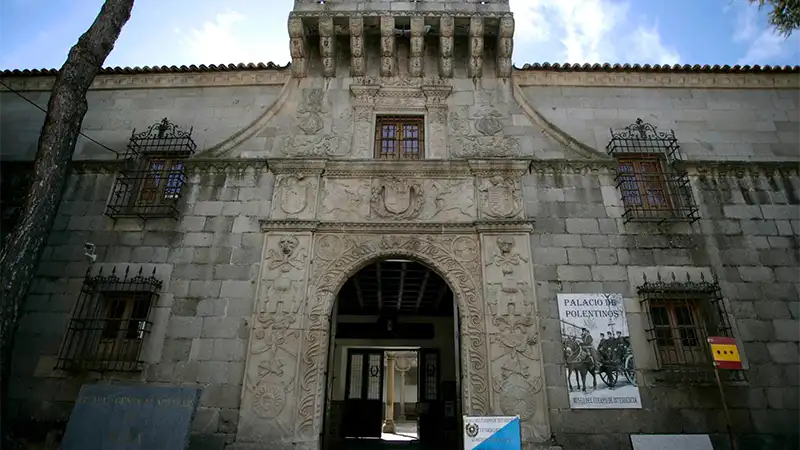
Polentinos Palace
A former Renaissance palace, now transformed into a military museum with exhibitions narrating the military history of Spain.
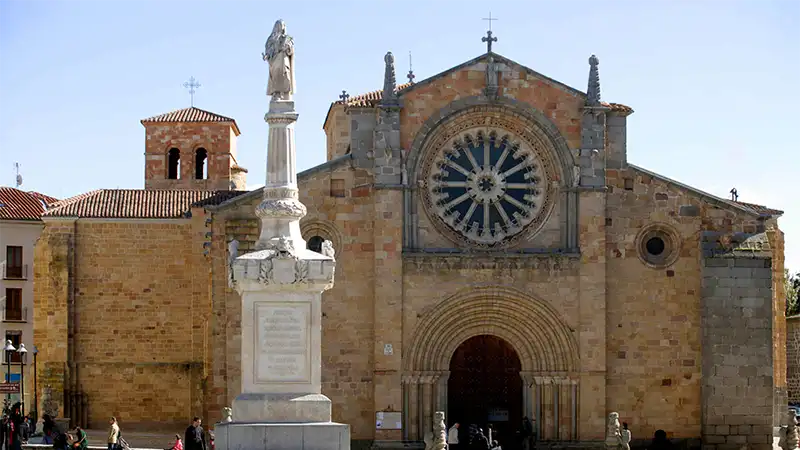
Church of Saint Peter
An example of Romanesque architecture with Gothic details, located in the Plaza del Mercado Grande, a central point of the city.
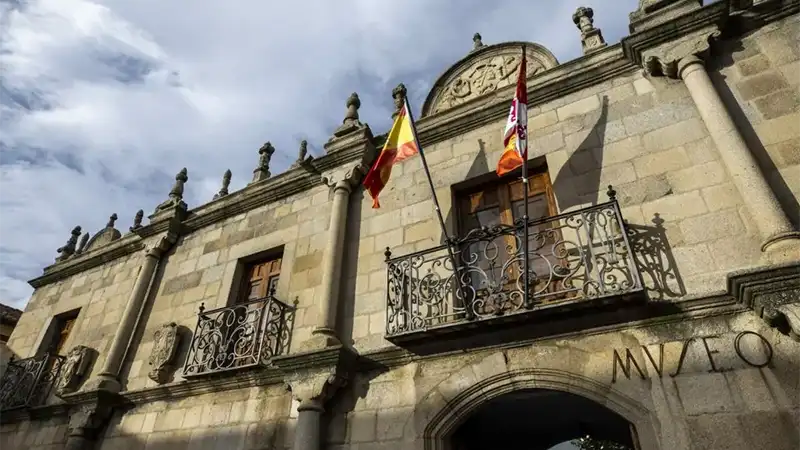
Avila Provincial Museum
Displays archaeological and historical pieces from the region, ranging from pre-Roman artefacts to objects from the Middle Ages.
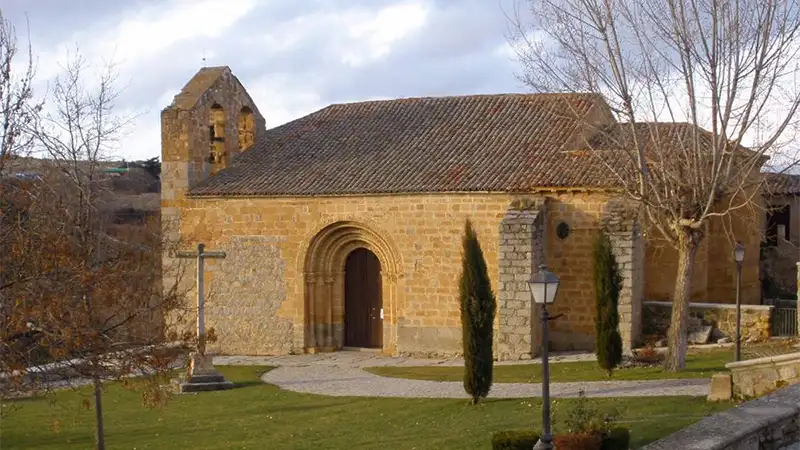
Hermitage of Saint Secundus
Dedicated to the patron saint of the city, this Romanesque hermitage is a peaceful and meaningful place for the residents of Avila.
AvilaCard: Is It Worth It?
The AvilaCard is a tourist pass that includes entry to several monuments in the city of Avila, valid for a period of 48 hours. Highlights include the City Walls and the Cathedral, two of the main attractions. The price of the pass is equivalent to the cost of these two sites, so if you cannot visit the walls during the free entry period, it is worth it.
In addition, the pass provides access to other places of interest, such as the Monastery of Saint Thomas, the Convent of Saint Joseph and the Avila Provincial Museum, encouraging you to visit places you might not have otherwise included. However, it is worth noting that many of these monuments either have free entry or cost only €2 to €3.
If you plan to visit the City Walls (outside the free hours) and the Cathedral, the AvilaCard is a practical choice. If your idea is to explore only the smaller monuments or if you can visit the walls during the free period, it might not be as advantageous. Consider your priorities and schedule carefully to decide if the card suits your itinerary.
Price
Individual: €15
Families with children under 12 years: €29
The pass is valid for 48 hours from the first activation.
(The walls ticket costs €8 + the cathedral entrance another €8, and the pass includes both.)
Where to Buy?
At the Tourist Information Centre
On the AvilaReservas website (select "Centro de Recepción del Visitante" and an option for the AvilaCard will appear)
Included Monuments
City Walls
Cathedral of El Salvador
Basilica of Saint Vincent
Monastery of Saint Thomas
Santa Teresa Museum
Superunda Palace
Monastery of La Encarnación
Convent of Saint Joseph
Avila Provincial Museum
Mystical Avila
Post-medieval Ovens
Jewish Tanneries of Saint Secundus
Polentinos Palace
Chapel of Mosén Rubí

Where to Eat in Avila
You cannot miss the opportunity to take a break during your trip and enjoy the local flavours. The region’s culinary tradition is based on ingredients sourced from nearby farms, combined with recipes passed down through generations. During our visit, we discovered bars and restaurants that truly impressed us. Here are our recommendations.
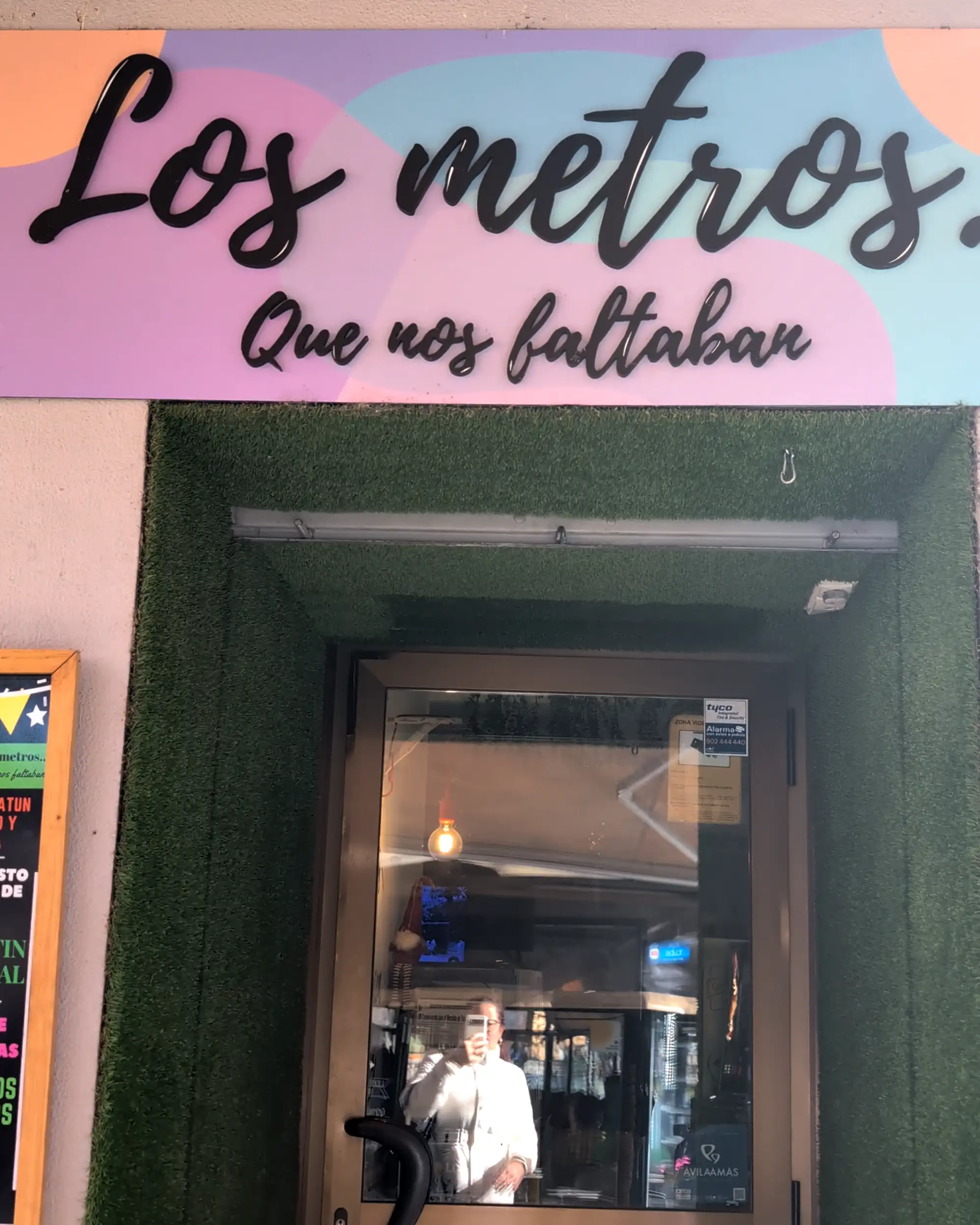
Los metros que nos faltaban
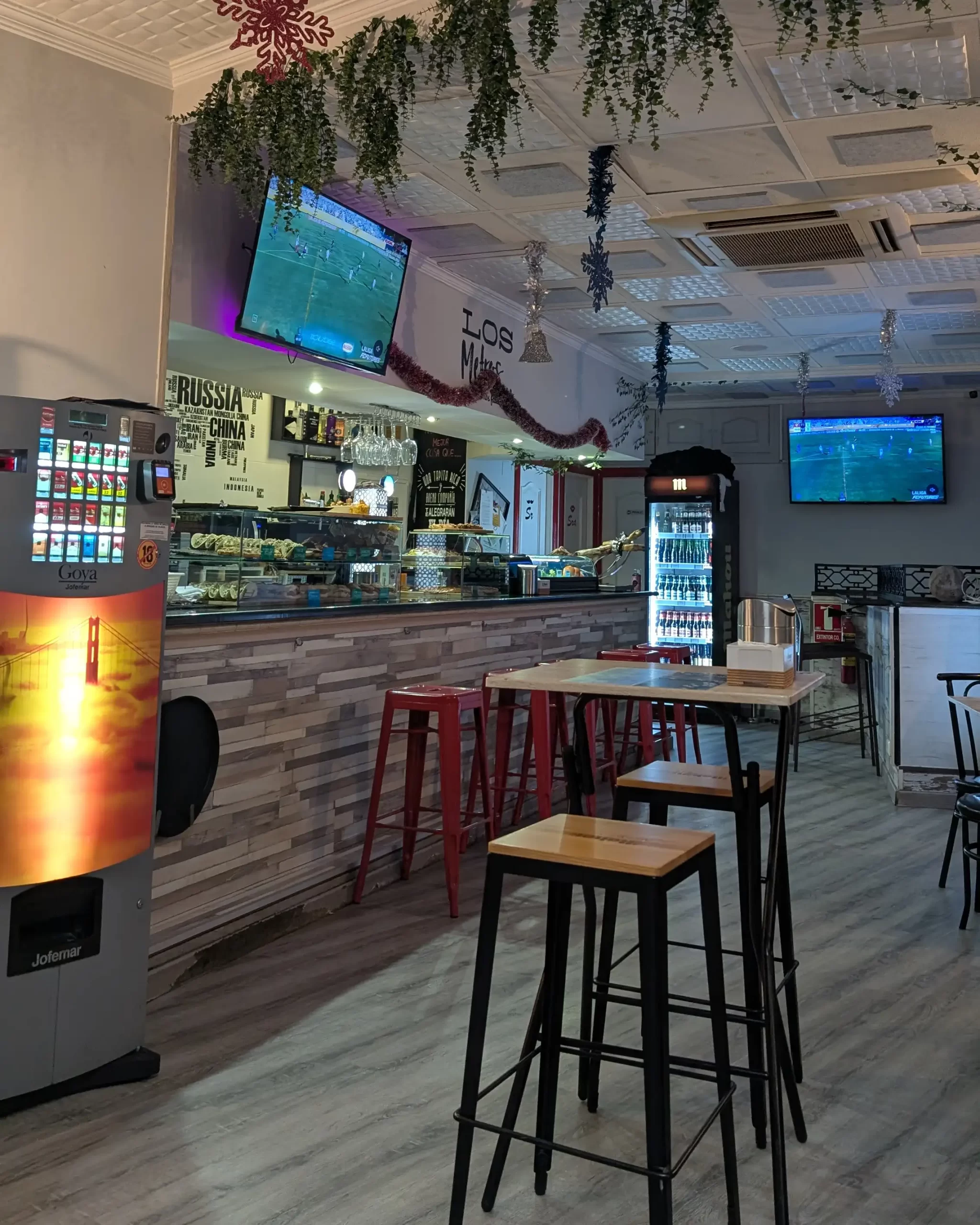
A tapas bar that really feeds you!
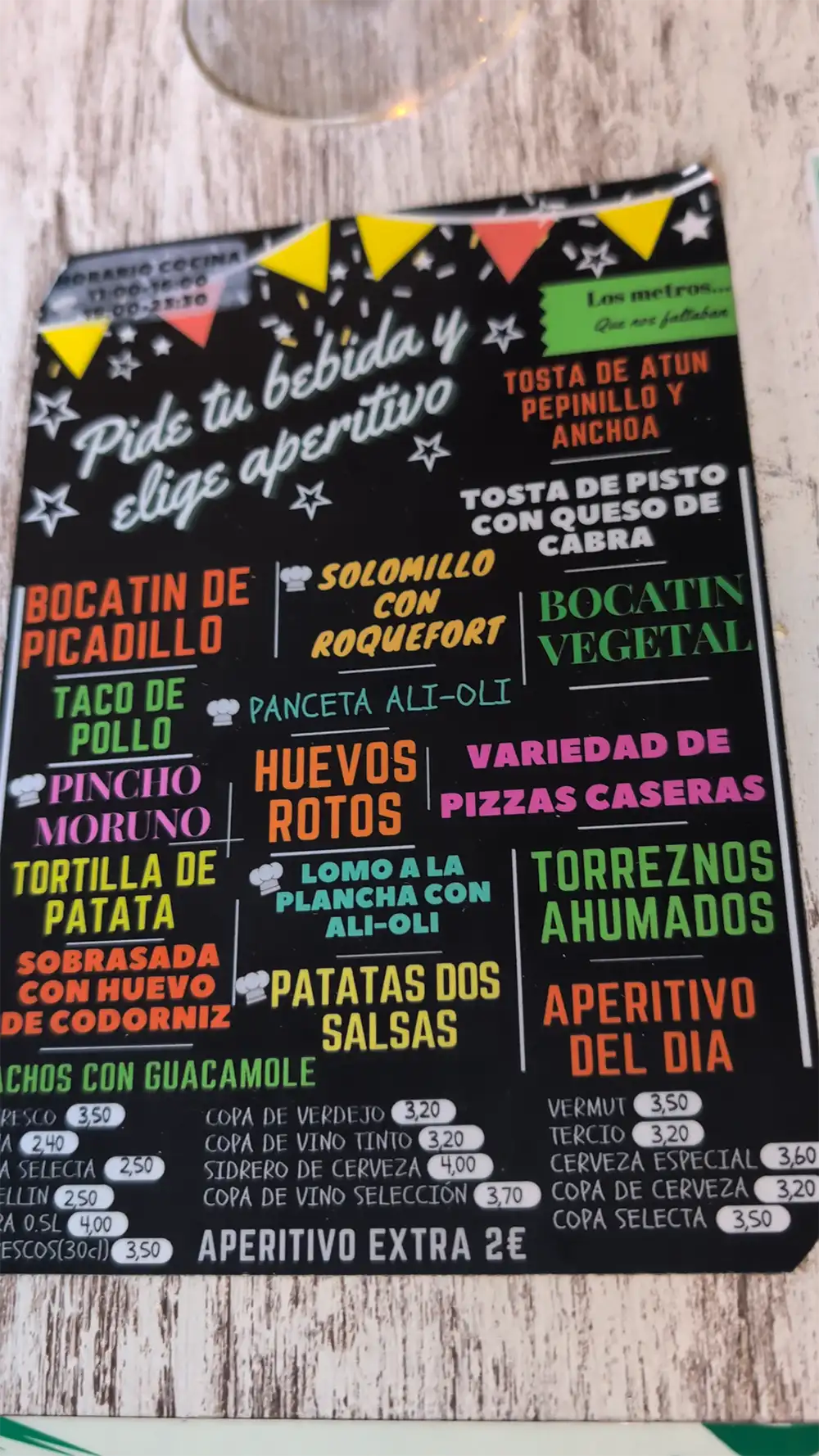
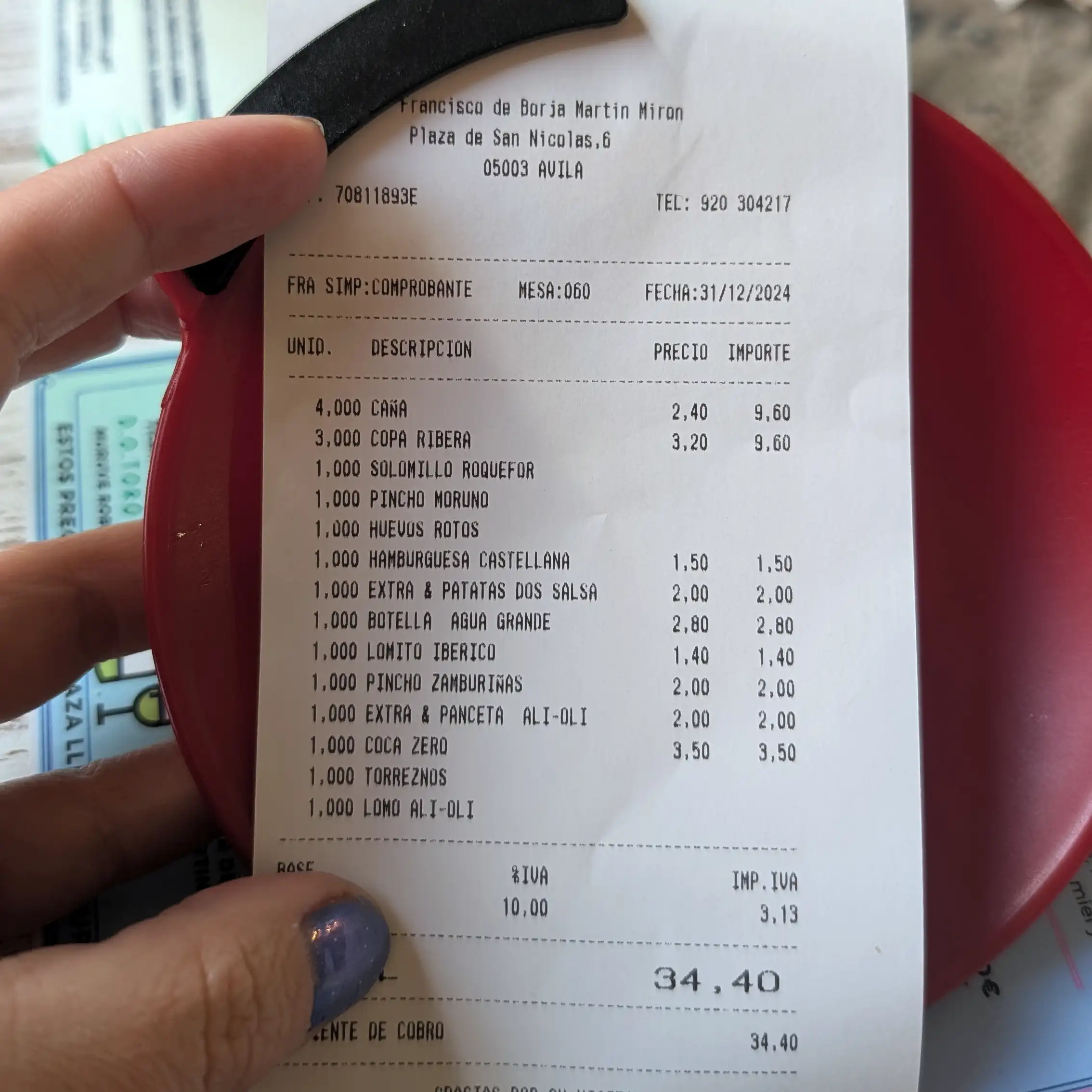
Los Metros que Nos Faltaban is a traditional Spanish pinchos bar where, when you order a drink, you can choose a small tapas dish included. It is located outside the tourist centre, but we guarantee it is well worth the visit. A small beer (caña) costs €2.40, meaning you eat and drink for that price! If you want something more elaborate, you can add a small amount for gourmet tapas made with premium ingredients.
We tried and recommend:
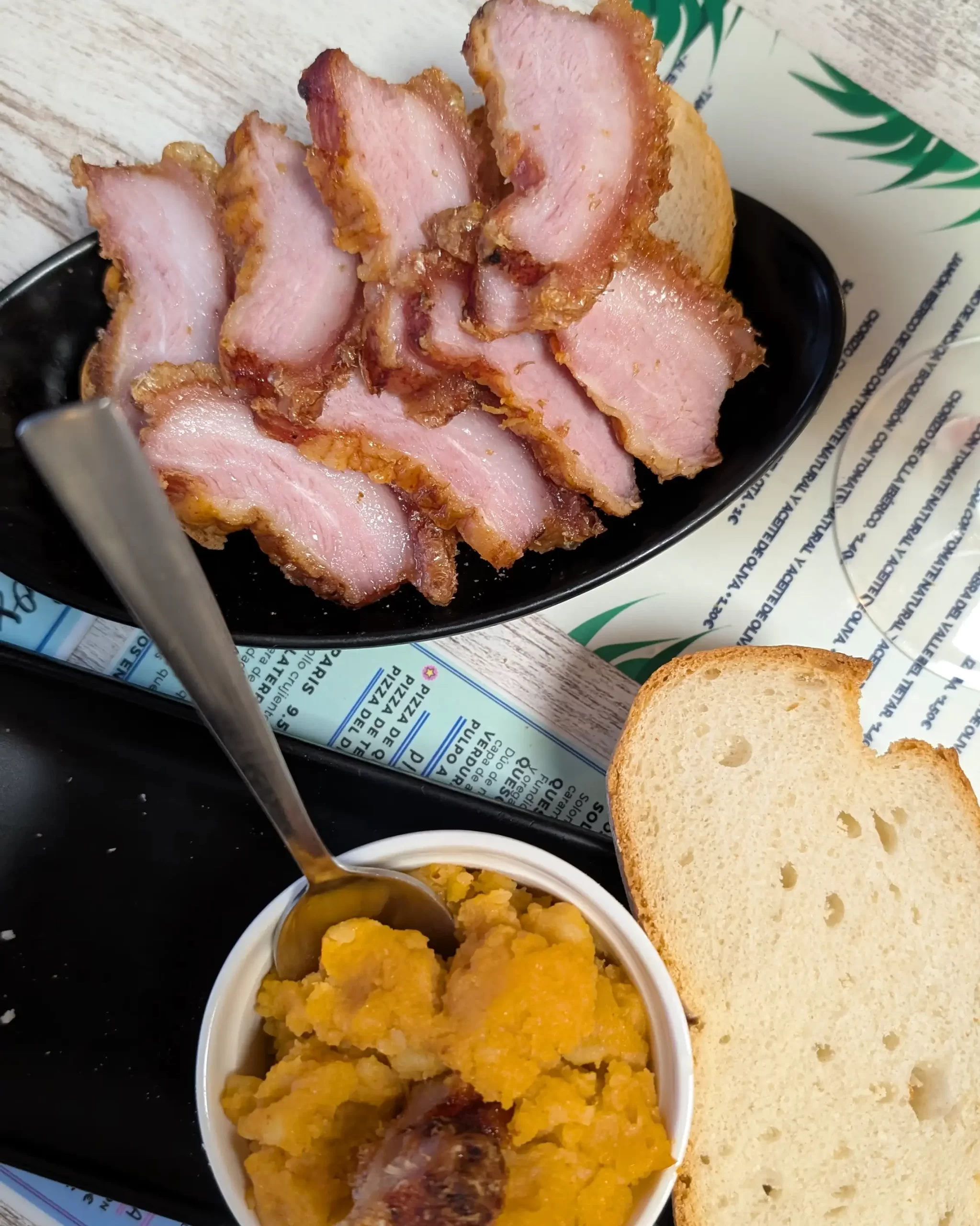
- Smoked pork crackling: really tasty! It's a mix between cured ham and crispy, meaty pork crackling.
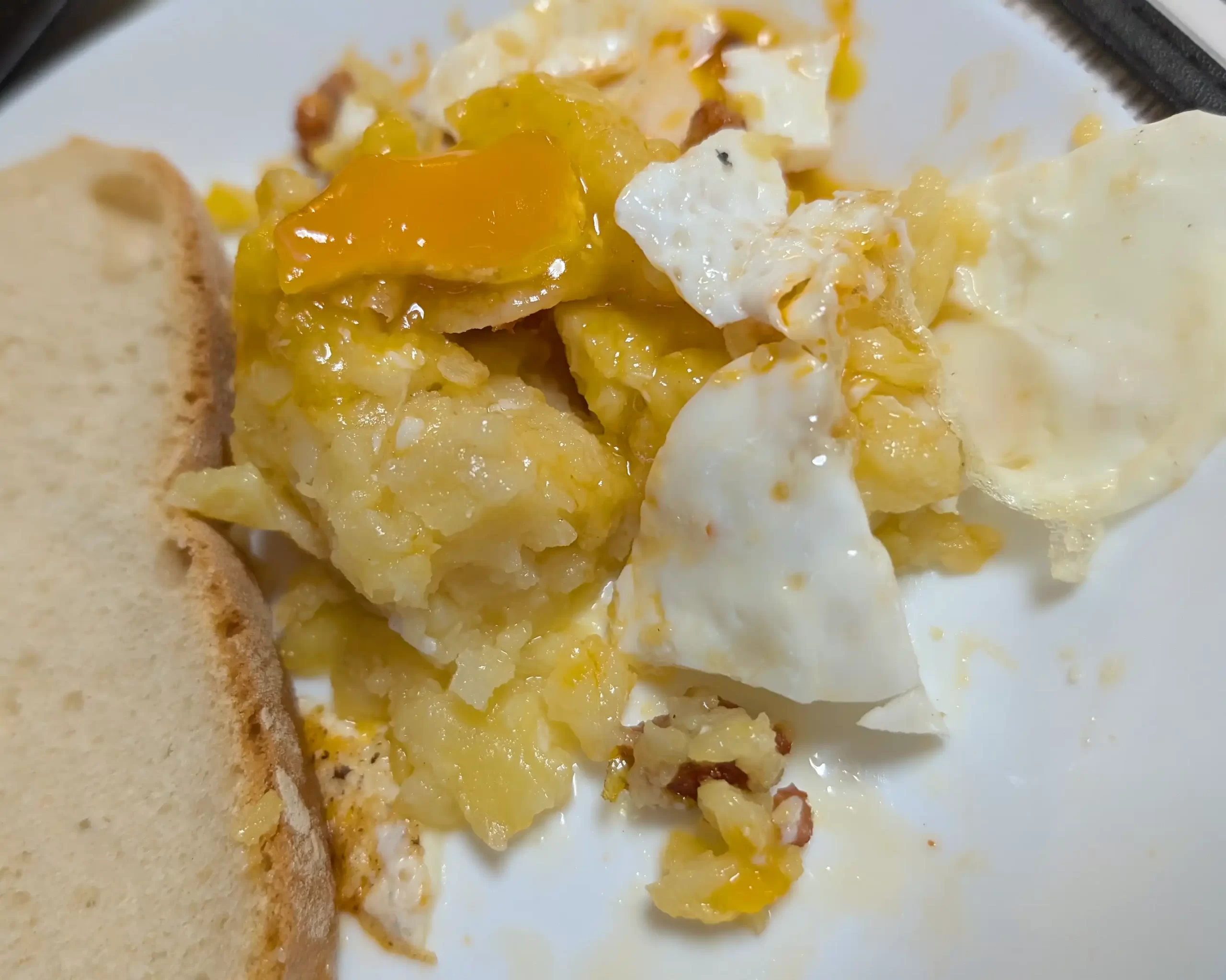
- Huevos rotos: a very popular snack in Spain, made with fried potatoes and soft-cooked egg yolk mixed together. It was delicious!
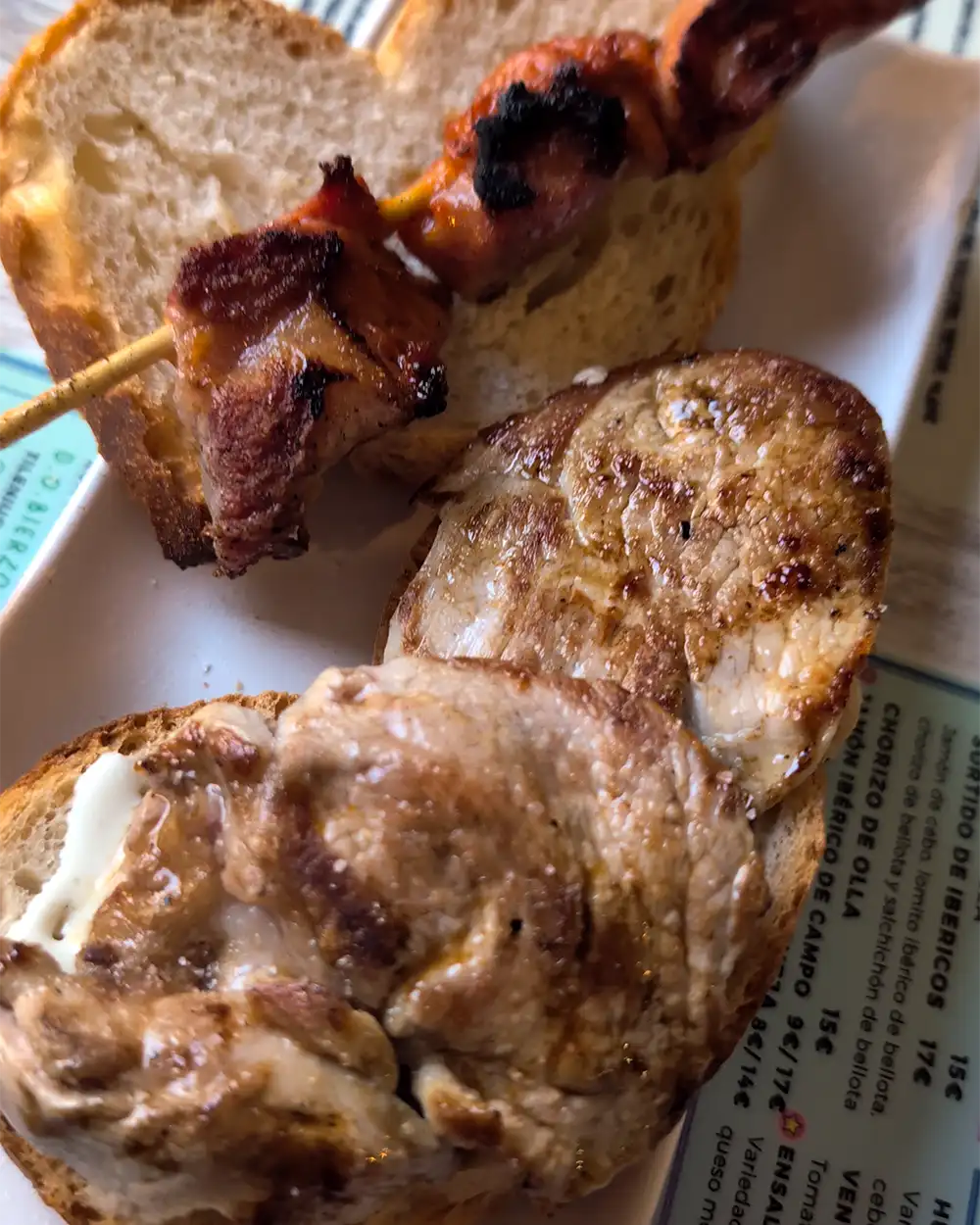
- Solomillo with Roquefort: a small toast topped with pork fillet and a strong blue cheese sauce. Perfect for cheese lovers!
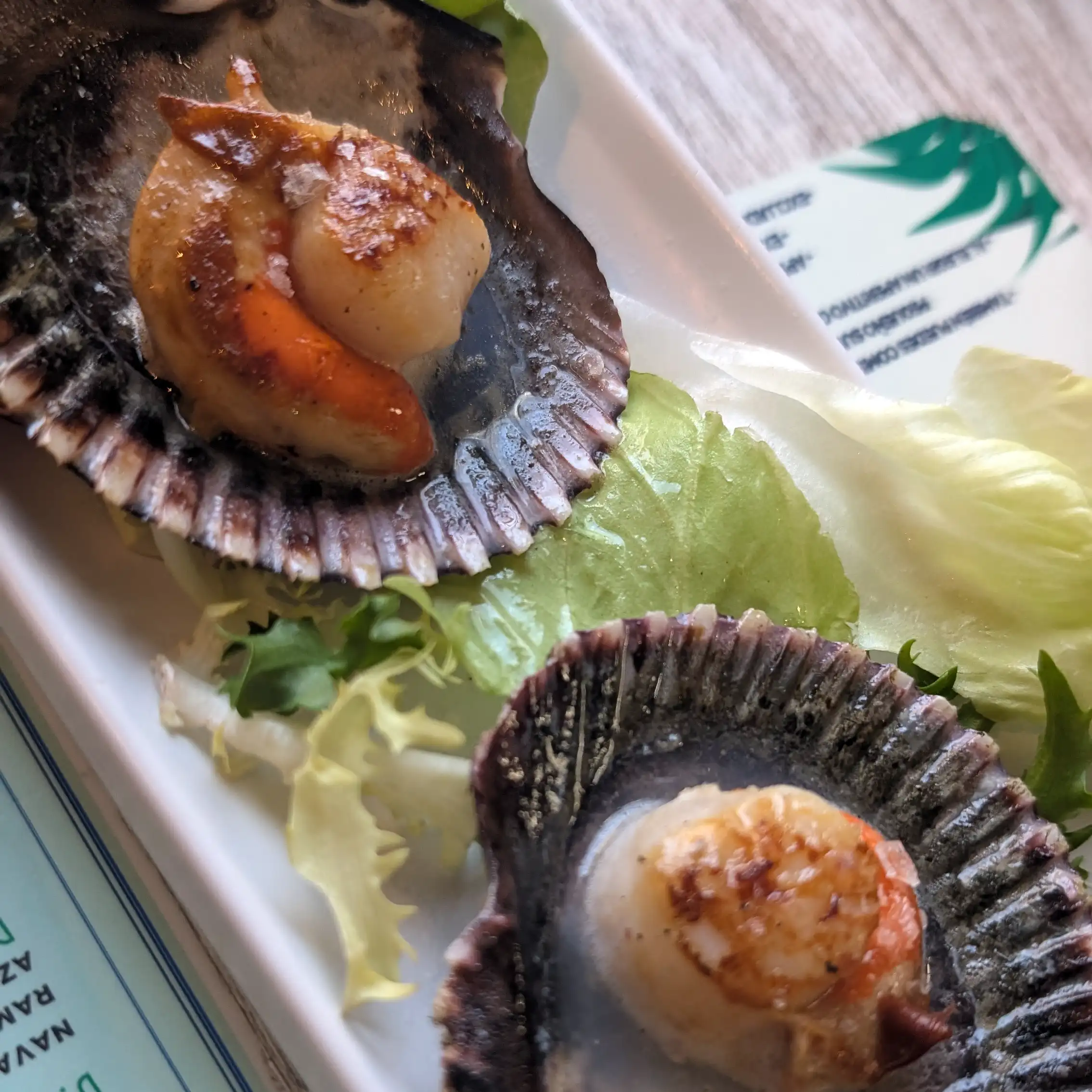
- Zamburiñas (gourmet tapa +€2): these are scallops. They were large, well-seasoned and usually very expensive at seafood restaurants!
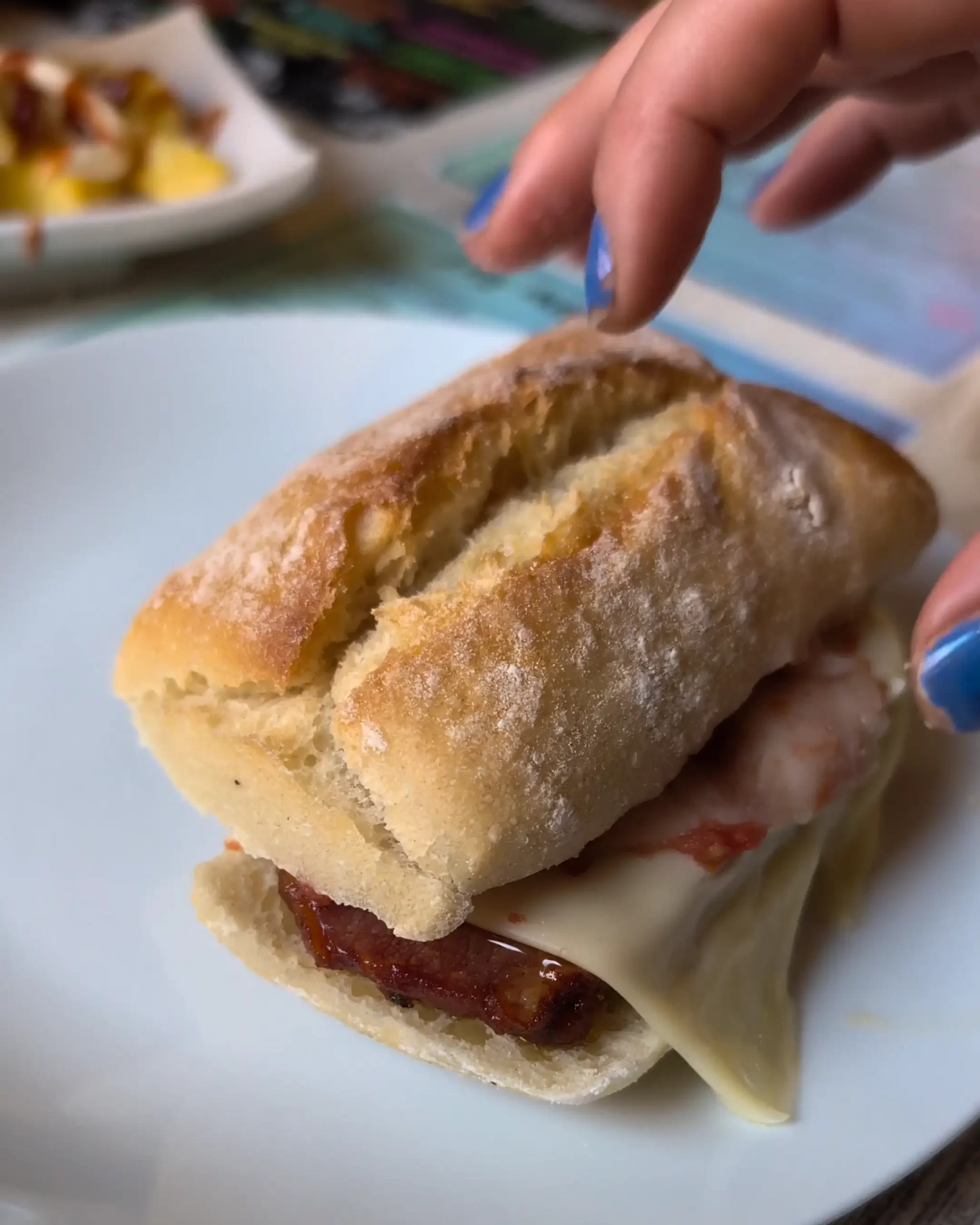
- Castilian mini-burger (gourmet tapa +€1.50): a sandwich in a small bun, filled not with hamburger meat but pork fillet and pork jowl, with plenty of cheese, tomato and a very tasty sauce!
Gloria Bendita
Traditional restaurant
Gloria Bendita is a traditional restaurant located outside the historic centre, but offering a privileged view of the Avila city walls. In addition to excellent traditional food, the service is also very good. For those who enjoy cocktails, the restaurant's bar has won several cocktail-making awards.
We tried and recommend:
- Chuletón: the most typical meat dish from Avila, a large cut served with the bone. We ordered it more well-done, as I prefer my meat that way (which is quite rare in Spain). I loved it – it was tender and juicy!
- Avocado salad: as a starter, we ordered a "flor de aguacate", an avocado salad with feta cheese, lettuce, tomato, strawberry and peanuts. It was wonderful!
- Black rice: for those who like squid ink dishes, it was delicious! Squid ink rice with seafood – spectacular!


Vermutería El Atrio
For a drink: try Spanish vermouth
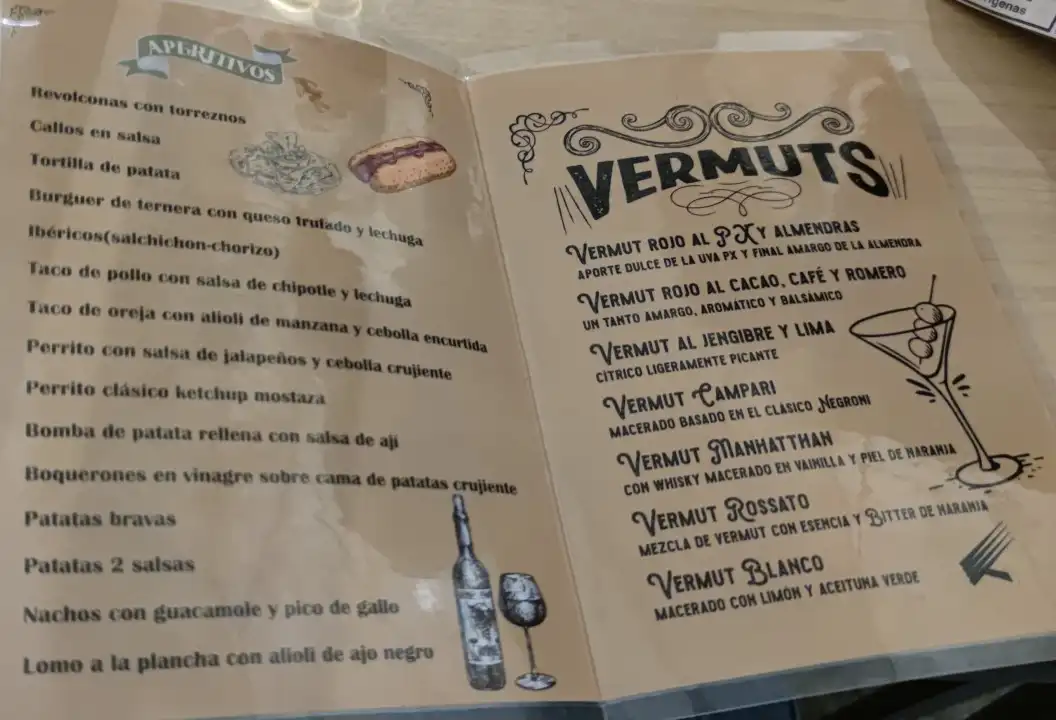
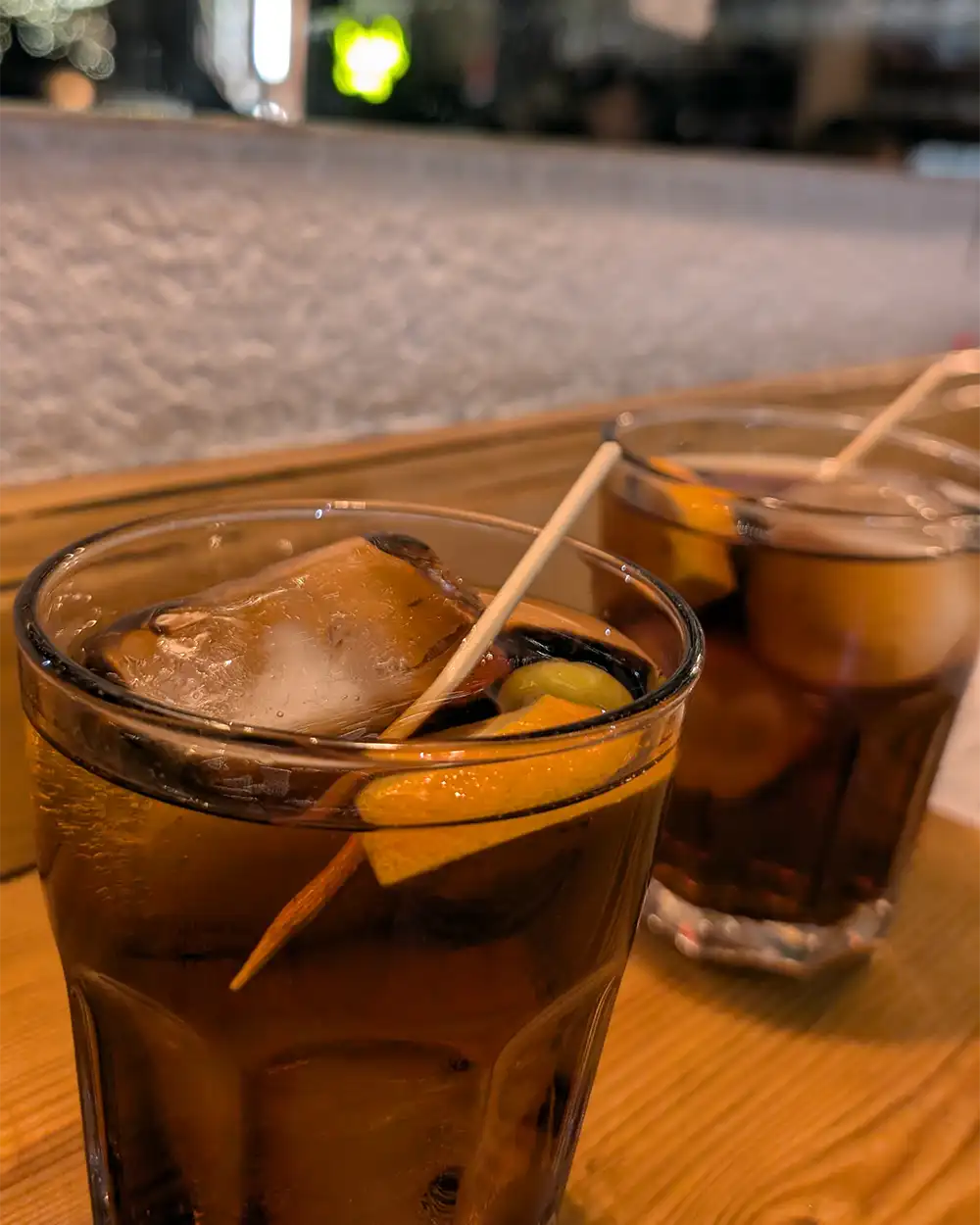
Vermutería El Atrio is an interesting spot for those who want to discover or experience different types of vermouth. They produce their own versions, which are unique and definitely worth trying. Although we didn’t sample any of the food, we saw some dishes being served and they looked very appealing.
We tried and recommend:
- Manhattan vermouth: strong notes of orange. Very tasty.
- Ginger and lime vermouth: for those who enjoy more citrusy drinks. The lime flavour is very pronounced – absolutely delicious!
…and much more!
Overall, our experience with the bars in Avila was very positive. Almost everywhere we went, we were served delicious tapas alongside our drinks. As for the restaurants, we did have a few less positive experiences, but we still believe the city is well worth exploring. The three places we highlighted here were the ones we enjoyed the most, but we encourage you to venture out and discover others. The area around Calle de San Segundo is particularly known for its wide concentration of bars and restaurants, as well as, of course, the area within the historic centre.
Typical Food:
What to Eat in Avila?
Spanish cuisine is as diverse as the country itself, going far beyond the famous paella. Each region has its own traditions and flavours that reflect local history and culture. Avila is no exception. Its typical dishes highlight local ingredients, cultural traditions and recipes passed down through generations. Here are some of the most traditional dishes you should try:
Chuletón de Ávila
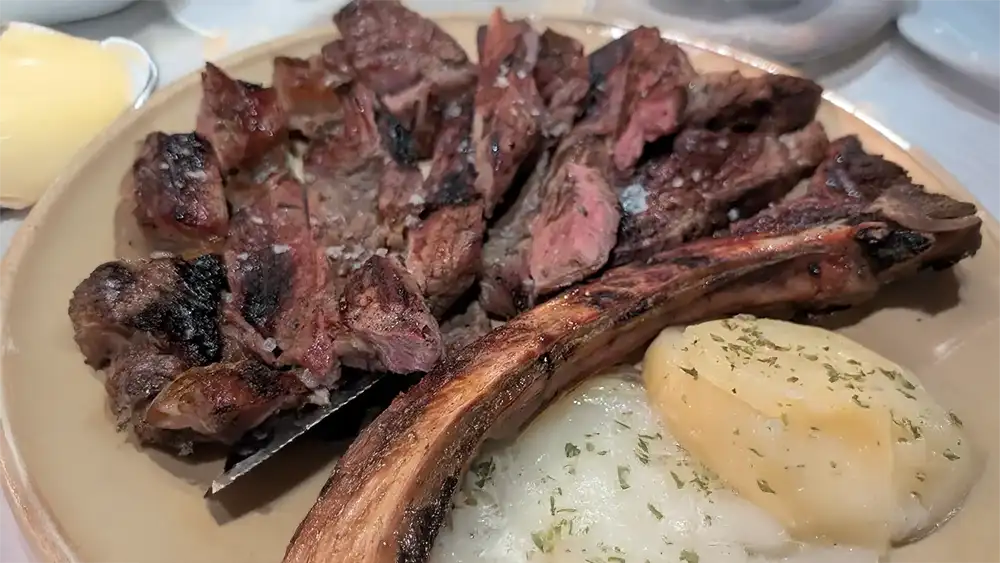
The Chuletón de Ávila is undoubtedly the most iconic dish of the city and the region. The beef is renowned for its quality, guaranteed by strict certification controls. The cattle are a specific breed, raised in local pastures following traditional farming standards of the province. Grilled simply with coarse salt, the chuletón brings out the authentic flavour of the meat.

Yemas de Santa Teresa
Yemas de Santa Teresa are Avila’s most famous sweet, originating from the region’s convents. Made from egg yolk, sugar and a touch of lemon, they are known for their smooth texture and the delicate balance of flavours. With a recipe refined over centuries, they have become a gastronomic and cultural symbol of Avila, and a popular traditional gift.
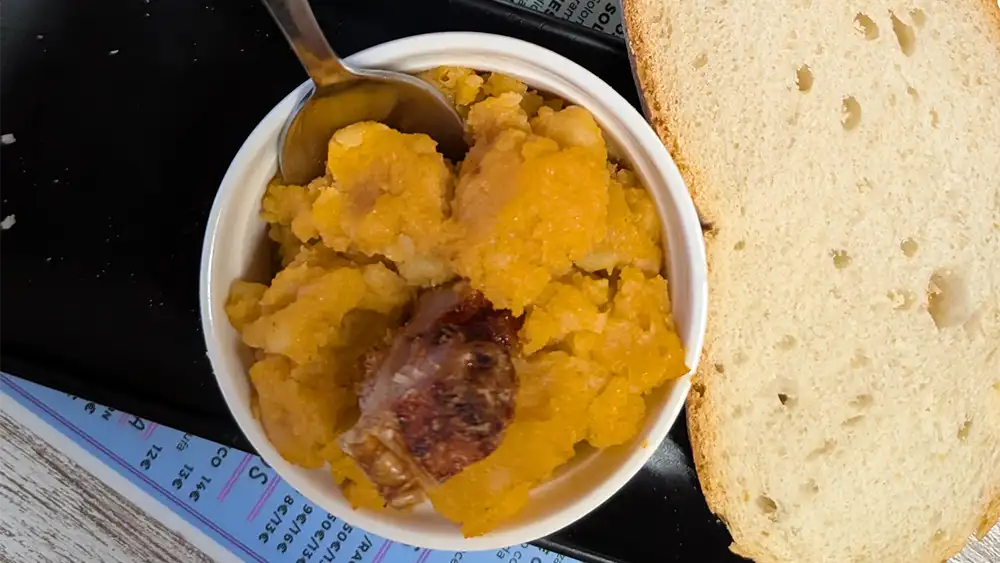
Patata revolcona
Patatas revolconas are a traditional Avila dish made with boiled and mashed potatoes, seasoned with sweet or spicy paprika, garlic and olive oil. They are served hot and topped with crispy pork crackling.
…and more!
Avila also offers other traditional specialities worth trying. Judiones del Barco is a hearty stew made with large white beans from the village of El Barco de Ávila, cooked with sausages and pork – ideal for colder days. Another local classic is sopa castellana, a simple, comforting soup made with bread, garlic, cured ham and egg. Cochinillo asado (roast suckling pig) is another delicacy, featuring tender meat and crispy skin, traditionally prepared. These dishes can easily be found in local bars and restaurants. And to finish, convent sweets such as biscuits and nougat add a sweet, historic touch to the culinary experience.
Avila is located just over 100 km from Madrid and often welcomes visitors on day trips. However, spending the night in the city can be a great choice to see the illuminated city walls, enjoy the bars and experience the evening atmosphere.
The medieval walls are the main attraction, but the city also boasts important monuments such as Avila Cathedral, the Basilica of Saint Vincent and the Basilica of Saint Teresa of Jesus. If you plan to visit more than one site, consider getting the AvilaCard, which includes entry to the main attractions in a single pass.
The local cuisine deserves attention: the Chuletón de Ávila is a typical meat cut, while the Yemas de Santa Teresa are traditional egg yolk sweets that represent the region’s heritage. Whether for a short visit or a longer stay, Avila offers history, culture and gastronomy – a complete experience just a short distance from Madrid.