August is when Spain goes on summer holidays. City dwellers head off, plenty of neighbourhood shops shut for a few weeks, and everything moves to the coast and to the villages, where almost every place has its patron saint's day around august.
The 15th is a national holiday, the Assumption, and also the patron saint's day in towns and villages up and down the country. That makes the week around it the busiest of the month, with festivals running at the same time in regions hundreds of miles apart.
Things get going well before that and keep going until the last weekend of August. Here is what not to miss in Spain in August 2026.
August festivals in Madrid
5 to 17 August - Madrid
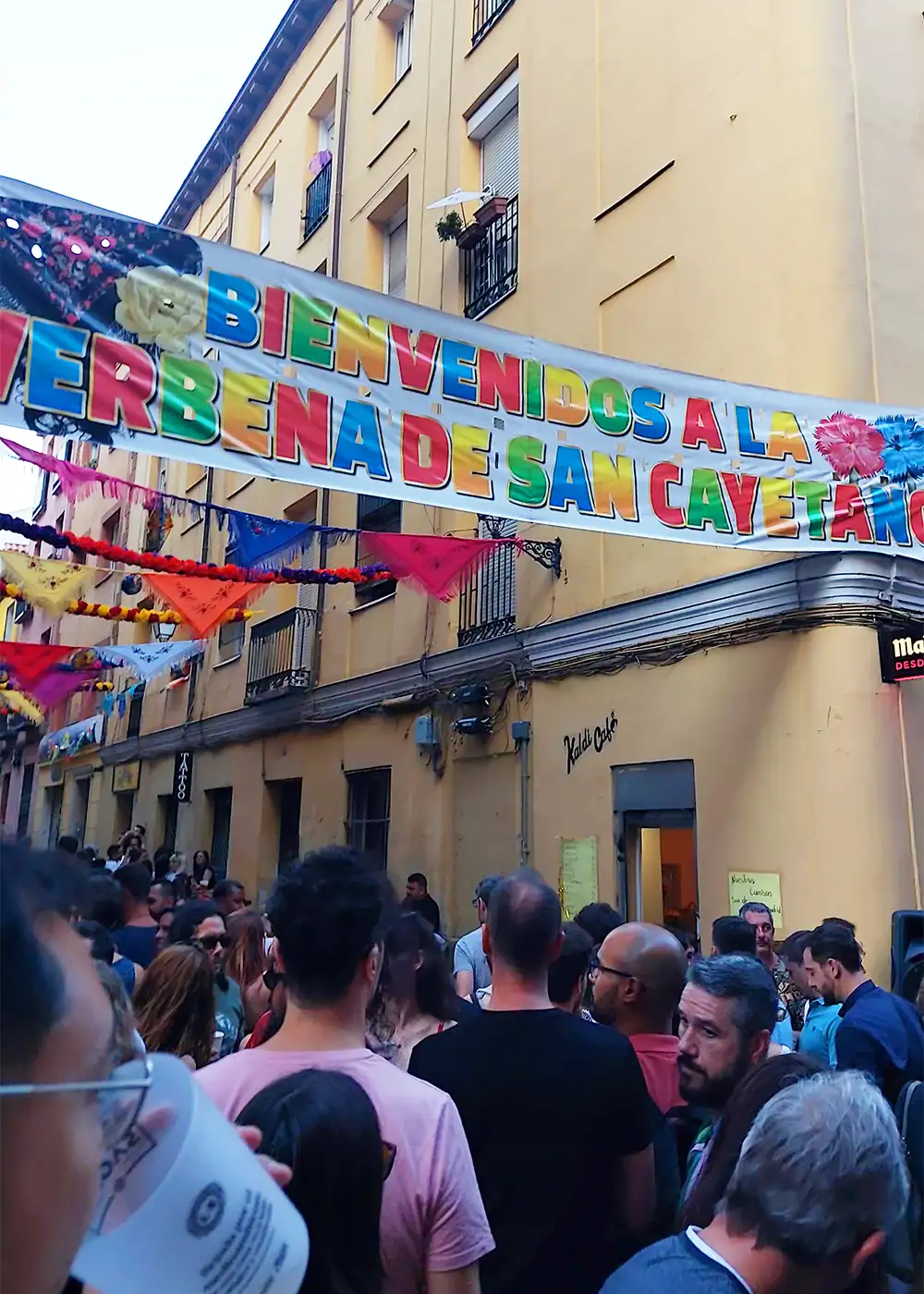
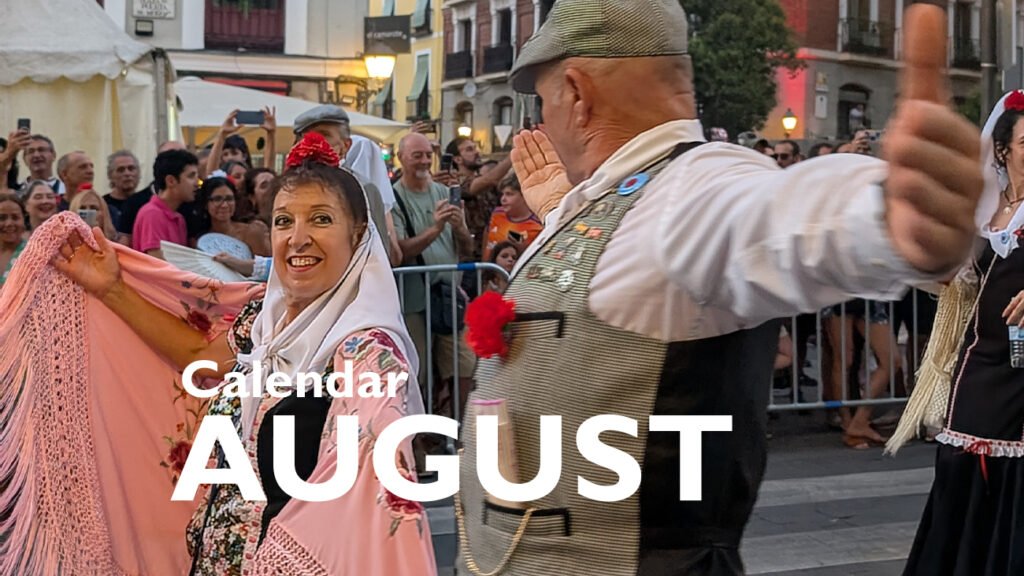
Every August, central Madrid throws three festivals in a row across neighbouring districts, each one picking up where the last leaves off. These are the verbenas, street parties with bunting overhead, food and drink stalls along the streets and stages with live music. Everything is free.
The three festivals are...
San Cayetano
4 to 7 August, main day the 7th, in Rastro and Embajadores
San Lorenzo
8 to 11 August, main day the 10th, in Lavapiés
La Paloma
13 to 16 August, main day the 15th, in La Latina
San Cayetano is the most local of the three (a little bit), happens around Calle del Oso, which residents have been decorating themselves for more than 40 years. San Lorenzo takes after Lavapiés, more alternative and multicultural, with Calle Argumosa as the place to be. La Paloma is the most popular and the one that draws the biggest crowds, with famous artists playing the Jardines de las Vistillas while the Plaza de la Paja keeps to the old-school side of things.
If you want to get to know each one better, we have a full article on Madrid's August festivals, covering what to expect, where they take place and practical tips for making the most of them.
Feria de Málaga
15 to 22 August - Málaga
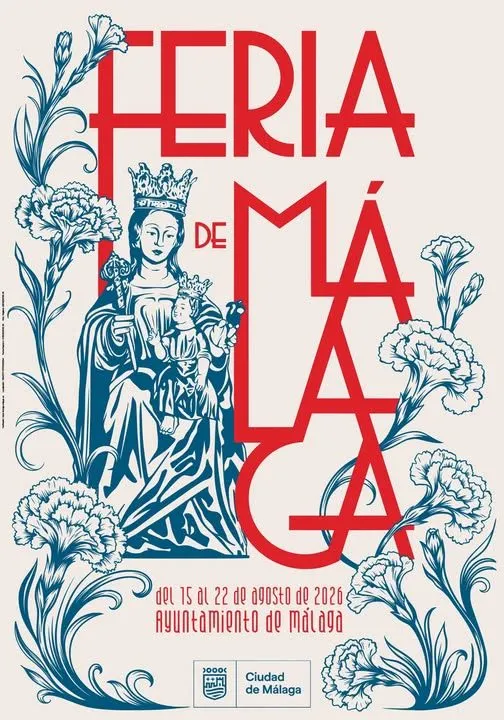
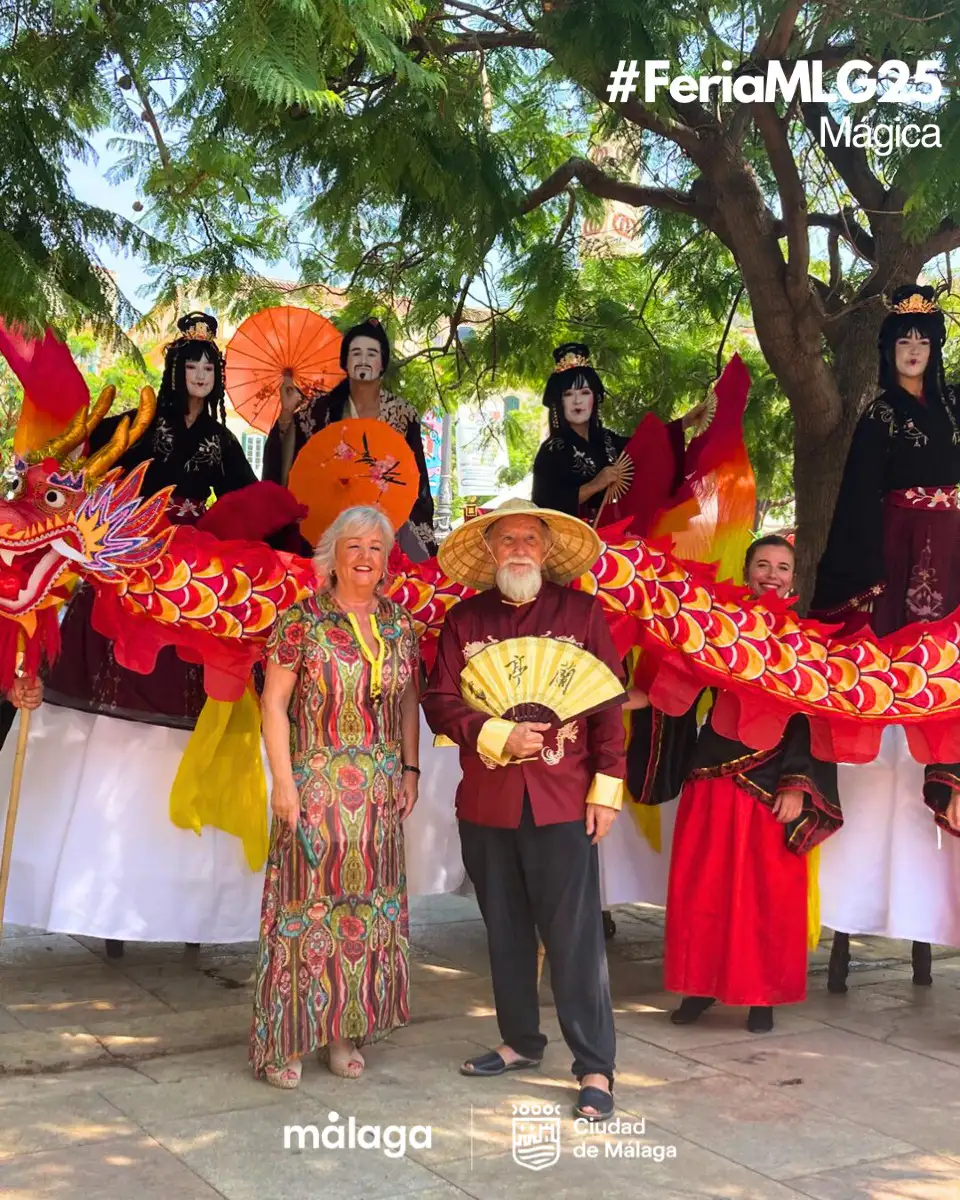
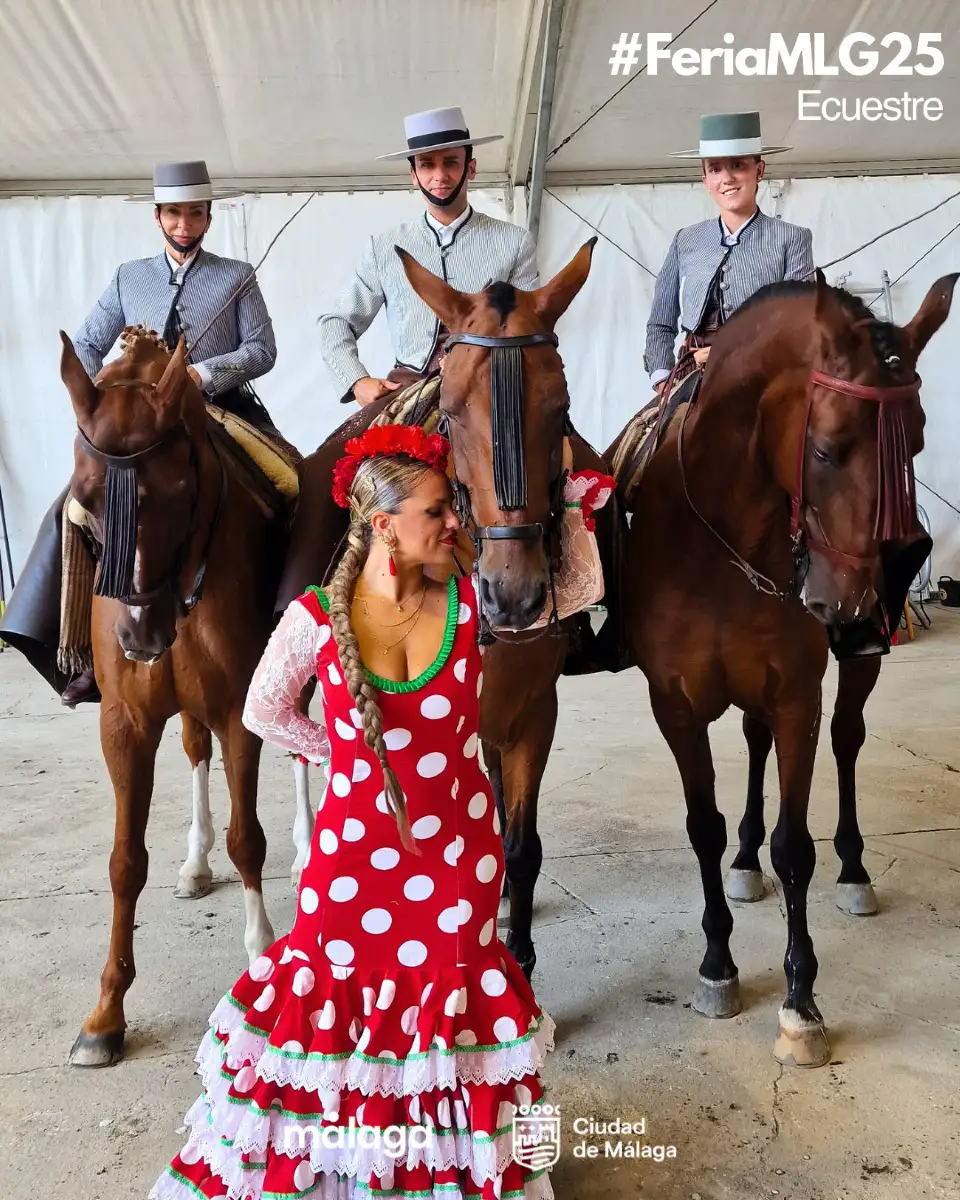
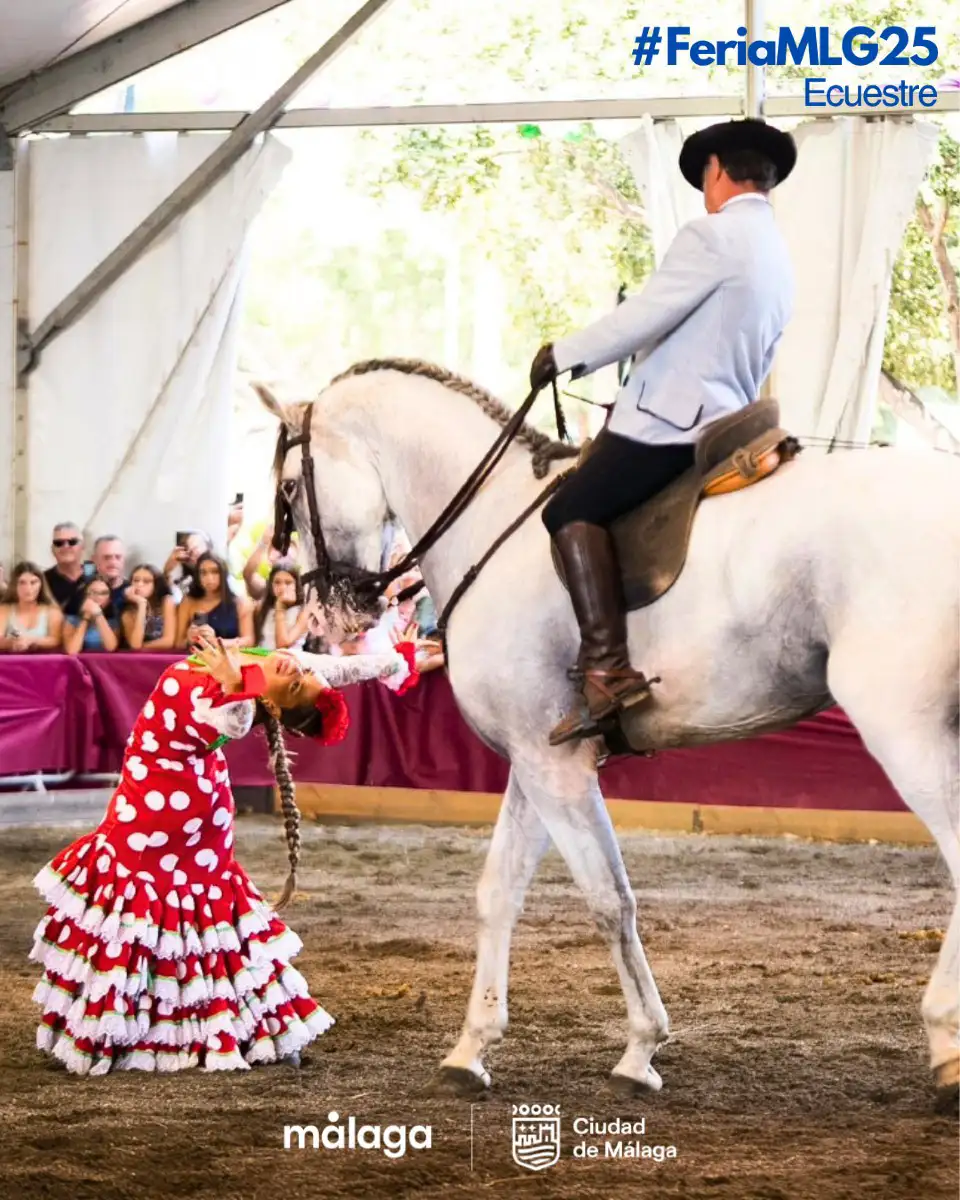
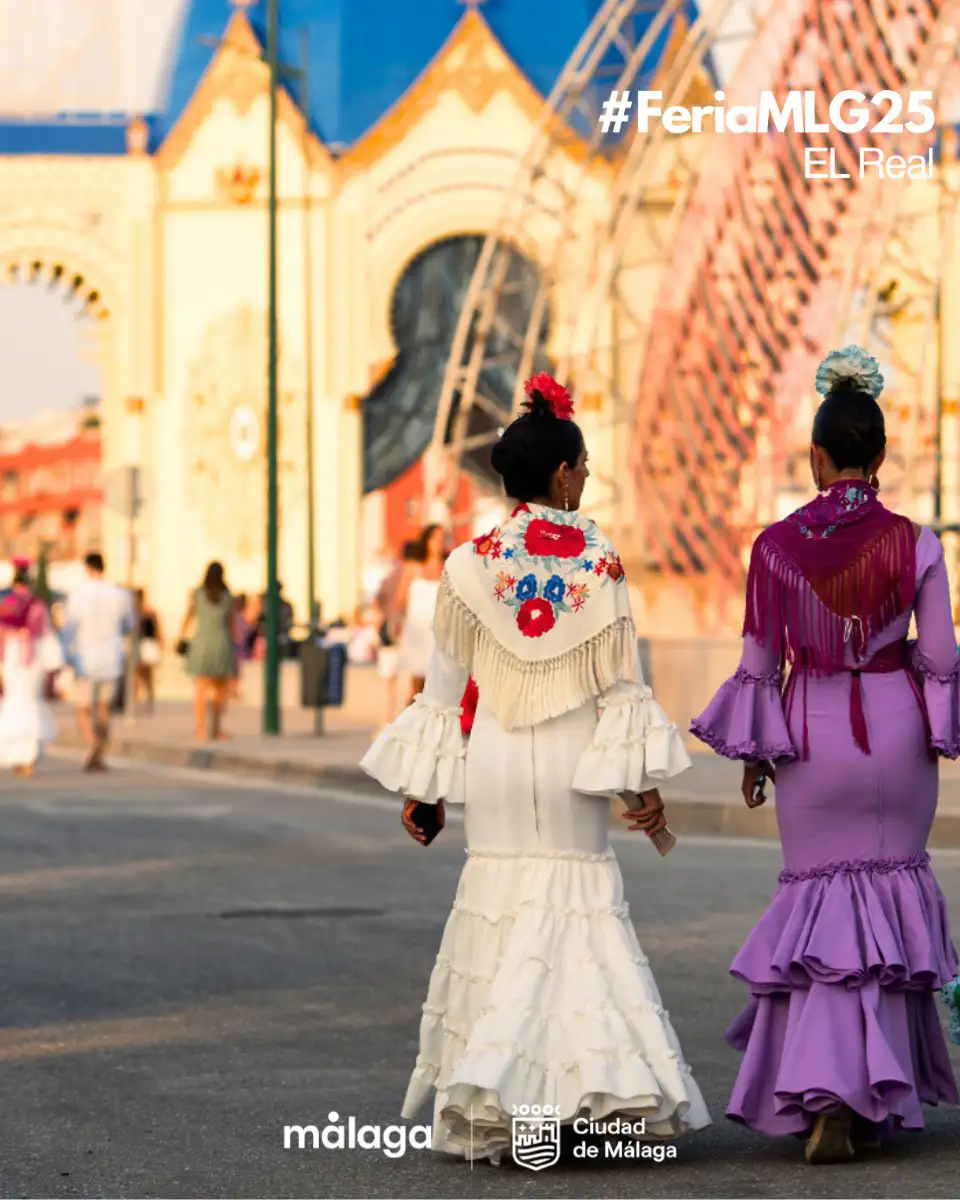
The Feria de Málaga runs from 15 to 22 August 2026 and is the city's biggest festival. It marks the day the Catholic Monarchs entered Málaga, 19 August 1487, which is why the 19th always has to fall inside the festival week and why the dates shift about from one year to the next.
The fair happens in two places at two different times of day, and it pays to know that before you plan anything.
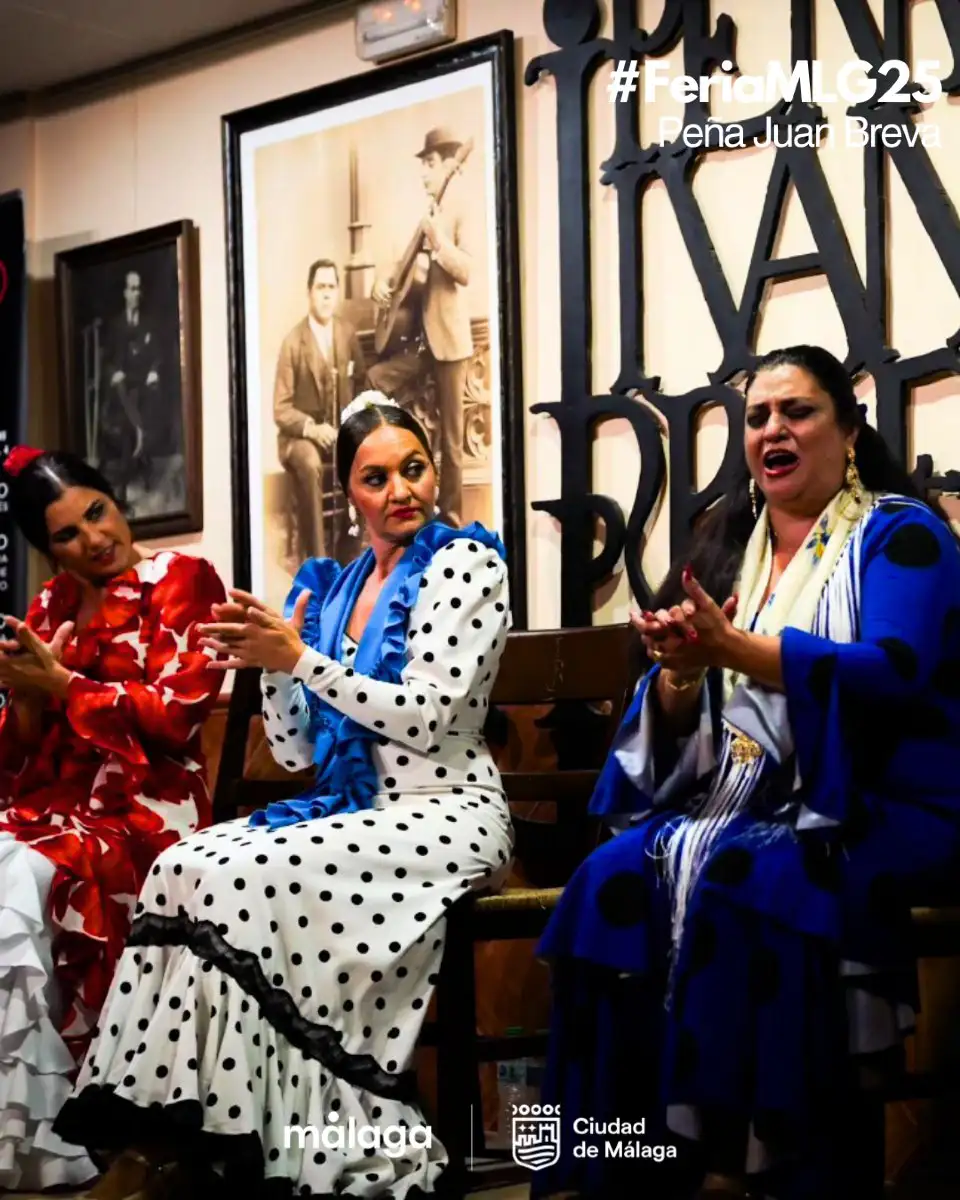
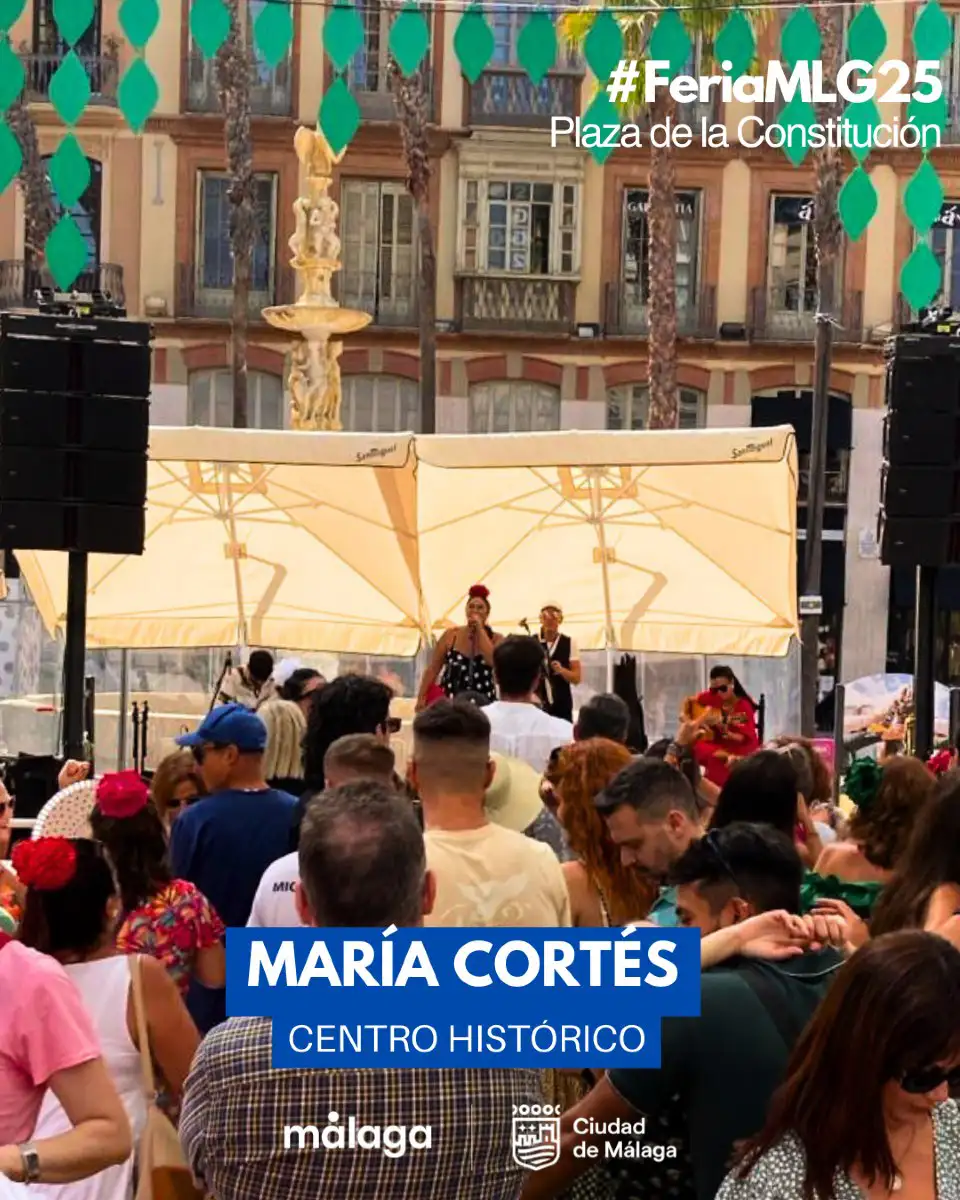
The Feria de Día takes over the old town, around Calle Larios and the Plaza de la Constitución, from midday to 6pm. It is the easier one to drop into if you are only passing through, with music in the streets, sweet Málaga wine and people dancing verdiales, the local style of flamenco.
The Feria de Noche is out at the Real del Cortijo de Torres, the fairground south of the city, with funfair rides, free concerts at the Auditorio Municipal and dozens of marquees run by neighbourhood associations and local businesses, each with its own bar, music and décor.
Worth knowing
- Both sites are free to enter and almost all the casetas (marquee bars) are open to anyone. That is the big difference from Seville's Feria de Abril, where most are private and you need to know someone
- Between 1pm and 3pm many of the marquees hand out free food, usually paella
- The drink here is Cartojal, a sweet Málaga wine. Rebujito belongs to Seville and is not the local habit
- Do not count on a car, as roads close all over the centre. The metro links Teatinos to the centre and extra buses run all week
- Accommodation costs can triple. Stay in the old town for the atmosphere, Huelin if you want the beach, or Teatinos to be close to the showground
The key moments
- Historic parade of the Catholic Monarchs on Friday the 14th, ending with the handing over of the keys to the city
- Fireworks at midnight on the 14th going into the 15th, set off by the port and visible across much of Málaga
- The pilgrimage of the Virgen de la Victoria, the city's patron saint, on Saturday the 15th
- 19 August, a local bank holiday and the biggest day of the week
Semana Grande de Bilbao (Aste Nagusia)
22 to 30 August - Bilbao
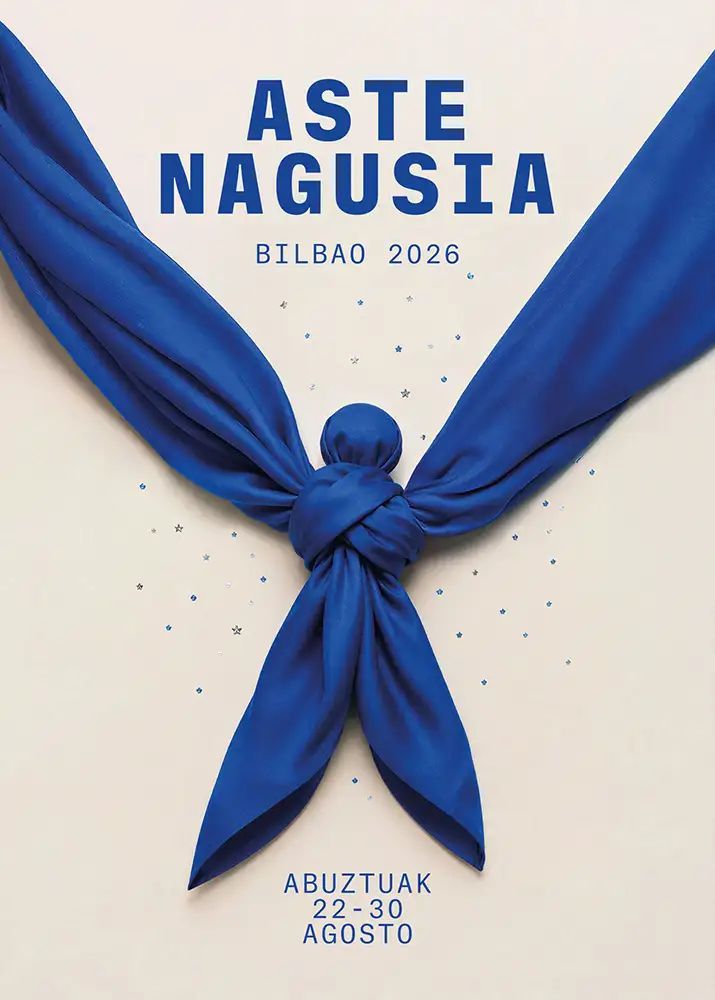
The Aste Nagusia is the biggest festival in the Basque Country and runs for nine days, always starting on the first Saturday after 15 August. 2026 marks the 44th edition, from the 22nd to the 30th.
It is put on by the comparsas, neighbourhood collectives who each build their own txosna, a wooden bar with music and a programme of its own. Once the concerts finish, the txosnas are where everyone ends up.
What happens over the nine days
- The opening is on Saturday the 22nd outside the Teatro Arriaga, with a speech and the launch of the txupin (a rocket)
- Marijaia appears on the theatre balcony moments later. A four-metre figure created in 1978 by the artist Mari Puri Herrero, she is the symbol of the festival, stays on display all nine days and is burned on the river on Sunday the 30th
- More than a hundred free concerts across nine sites around the city
- The International Fireworks Competition, every night at around 22:30 over the River Nervión
- Improvised verse contests in Basque, log-chopping trials with axes at the Arenal and traditional pipe bands opening each morning around the Siete Calles
- Open-air circus and street theatre from the 23rd to the 30th, at the Plaza de la Convivencia and the Parque de Doña Casilda
- The bullfighting season at the Vista Alegre ring, if that appeals
Practical details
- Friday 28 August is a bank holiday in Bilbao
- The blue neckerchief is the badge of the festival, sold at the txosnas and in shops around town
- Bring cash for the txosnas and a light jacket, because Bilbao gets rain and can get cooler in the evenings
La Tomatina in Buñol (the tomato fight)
26 August - Buñol, Valencia
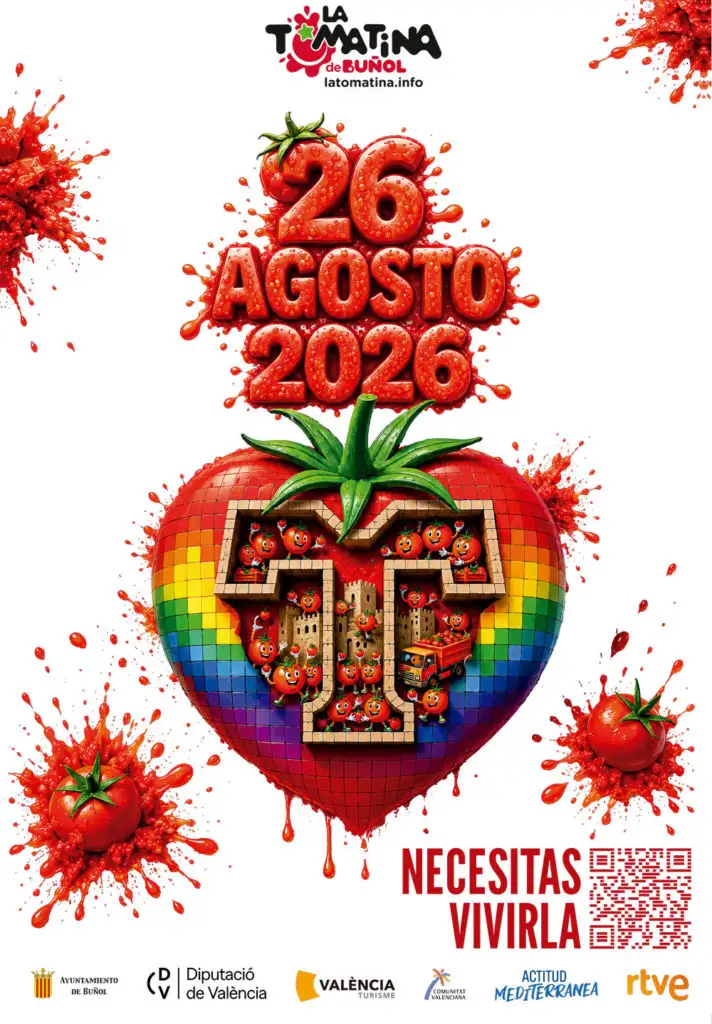
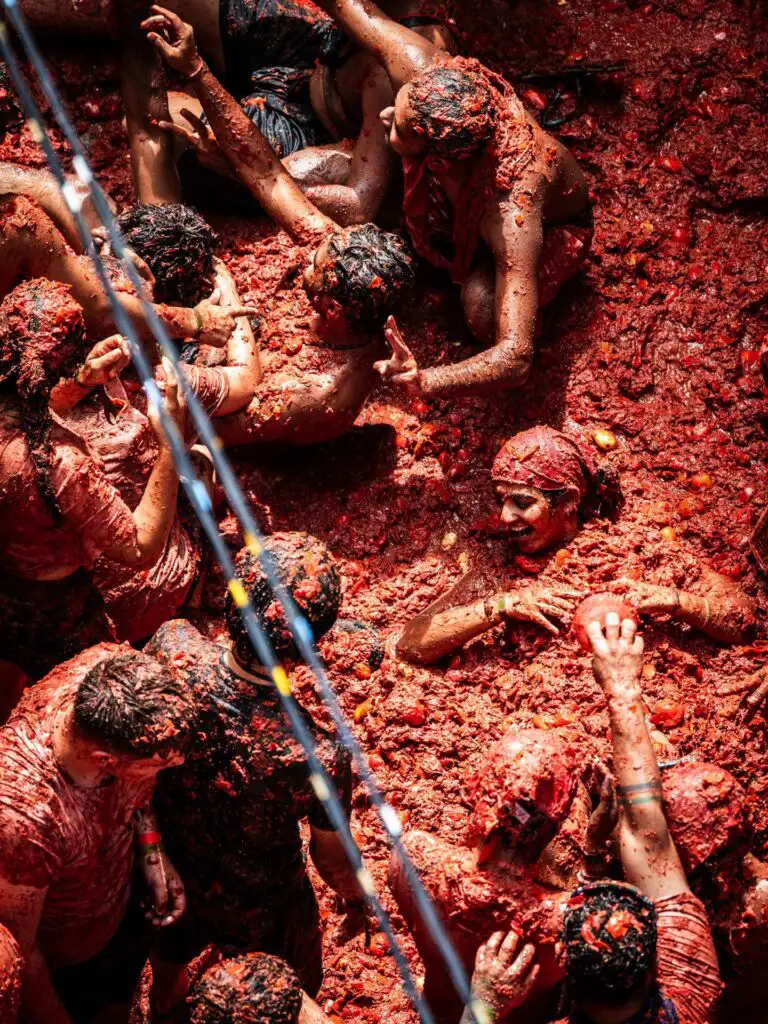
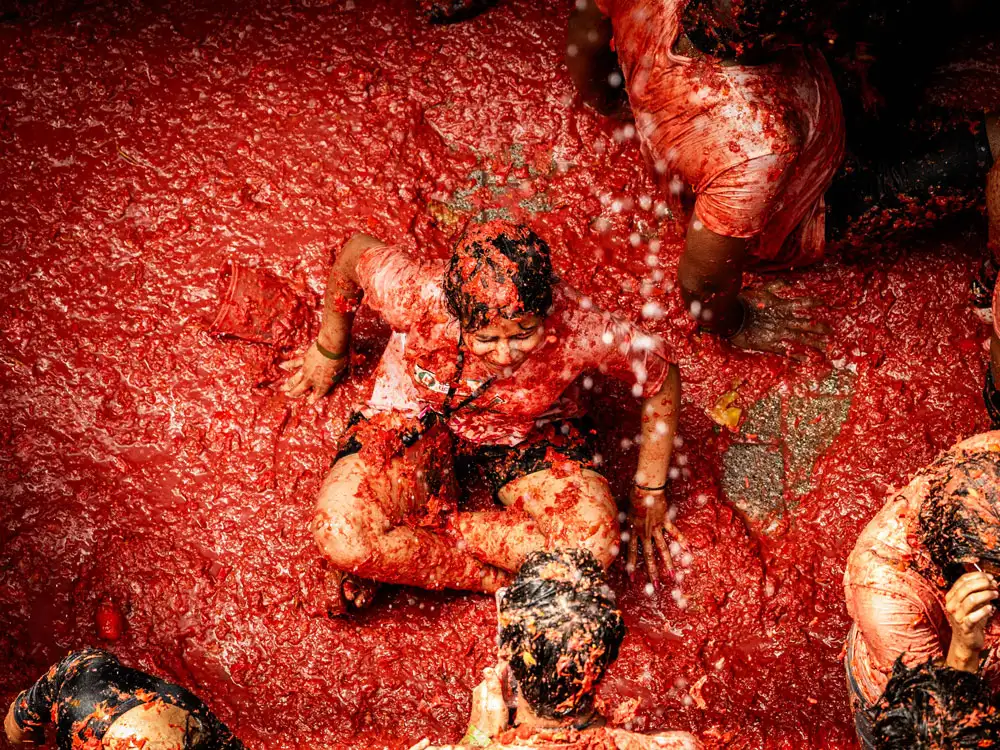
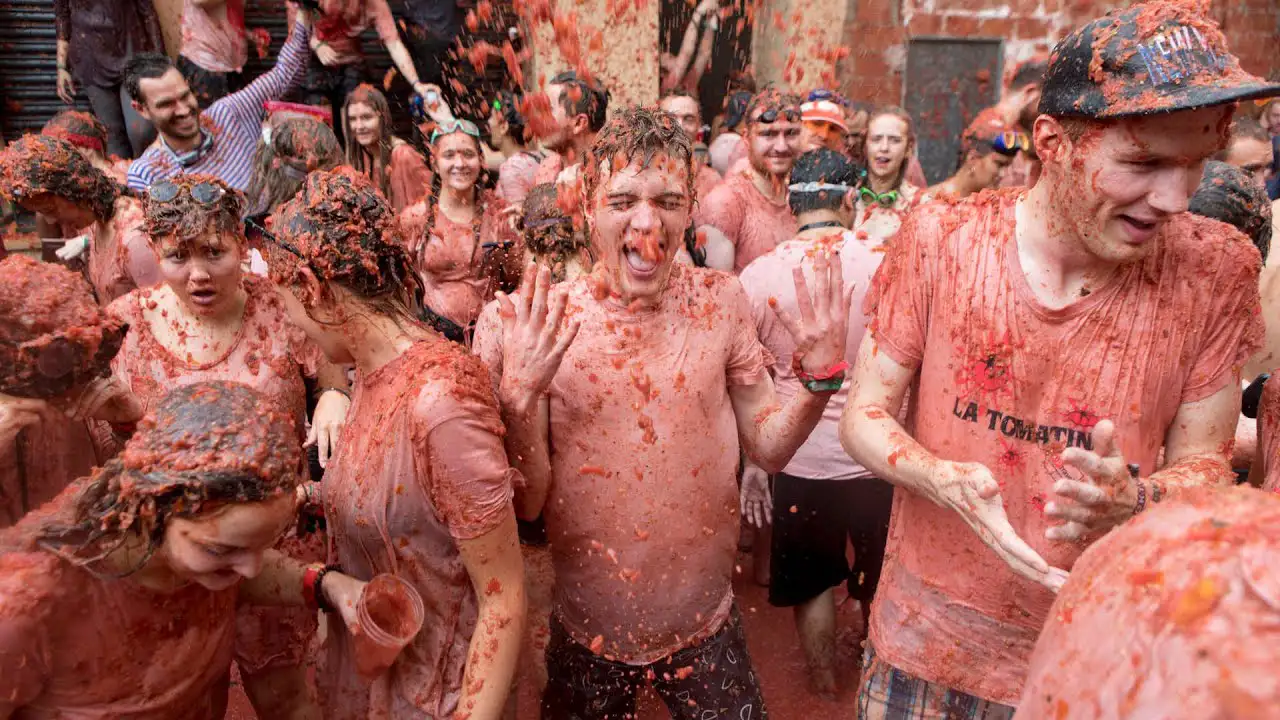
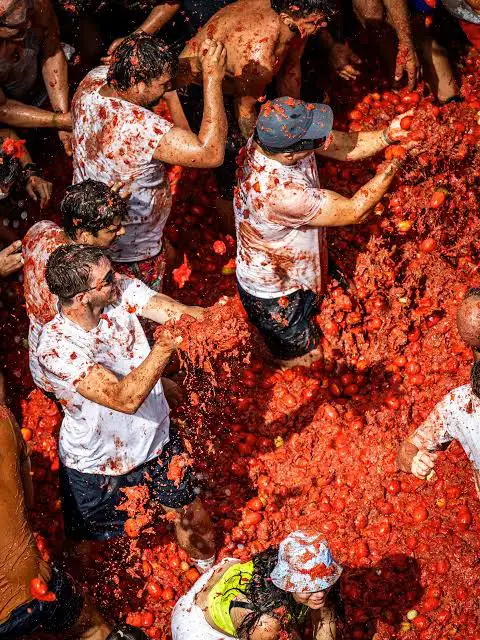
La Tomatina is the tomato fight you have almost certainly seen in photos or videos. It falls on the last Wednesday of August, which in 2026 means the 26th.
Contrary to what most people assume, it lasts a single hour, from midday to 1pm, and takes place inside a closed-off area with a fixed capacity. Since 2013 the council has required a ticket and caps the crowd at around 22,000. No ticket, no entry, so book early.
How to take part
- Tickets are 15 euros from the official Buñol council shop. Packages with a T-shirt, luggage storage, paella and the after-party start at 40 euros
- Your ticket comes as a PDF and has to be swapped for a wristband on the day, from 9am, at the checkpoints. The PDF alone will not get you in
- Wear closed shoes. Flip-flops and sandals are banned on safety grounds
- Wear old clothes, since tomatoes stain badly. Swimming goggles help a lot too
How the day runs
- 9AM Arrive in Buñol and collect your wristband
- 10AM The palo jabón, a greased pole with a ham at the top that the braver ones try to climb
- 11AM The tomato lorries roll into the streets along the route
- 12PM First banger goes off and the fight begins
- 1PM Second banger, and that's it, no more tomatoes
- After 1PM Everyone cleans up at the council showers or under the hoses locals put out
Music festivals
August is the busiest month of the Spanish festival season, with events all over the country and a fair few of them right on the beach.
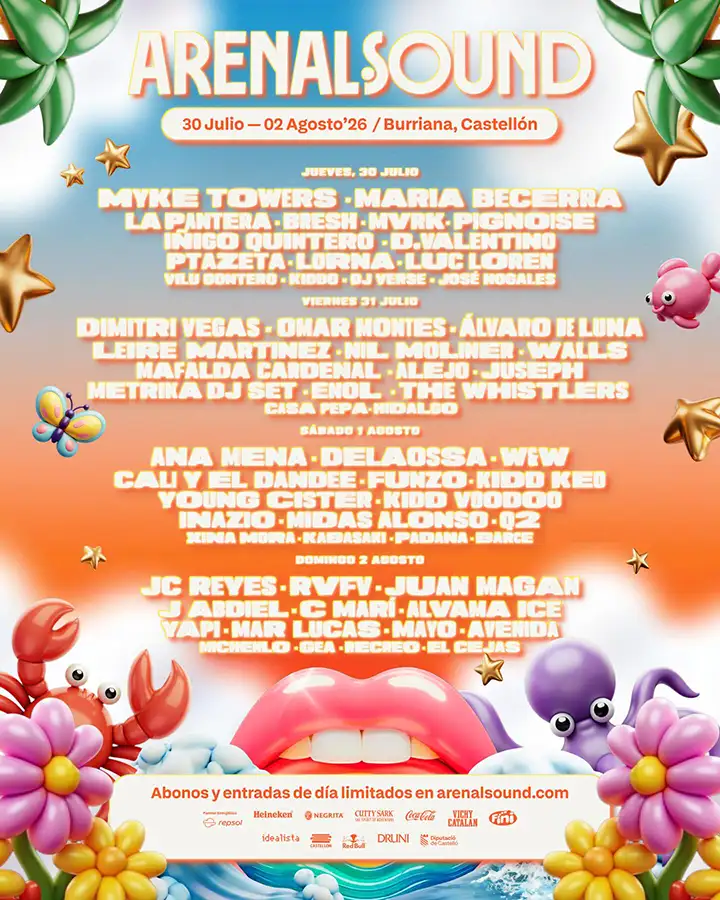
Arenal Sound
Music: pop, urban and electronic
Where: Burriana (Castellón)
When: 30 July to 2 August
More information
A beach festival with a young crowd. The 2026 bill brings Myke Towers, María Becerra, Dimitri Vegas, Ana Mena and Omar Montes.
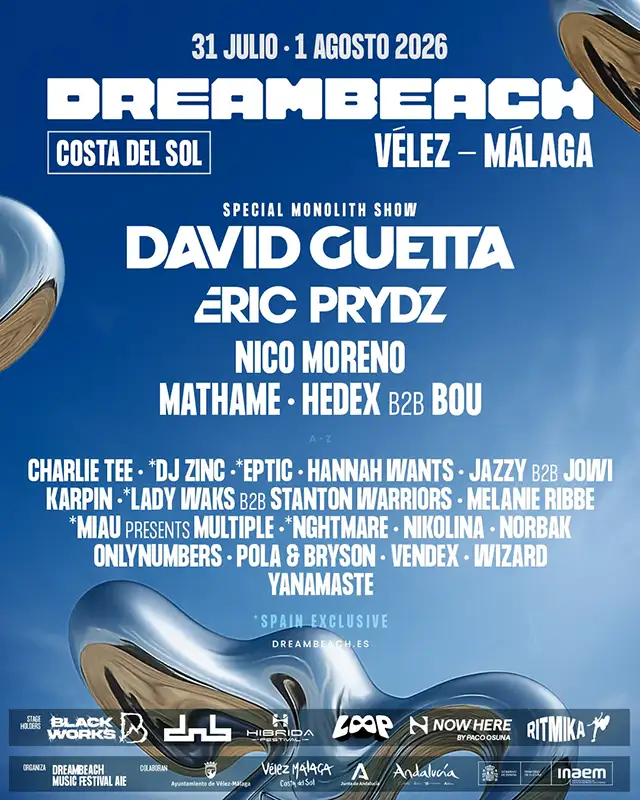
Dreambeach
Music: EDM, techno, drum & bass and house
Where: Vélez-Málaga (Málaga)
When: 31 July and 1 August
More information
Moves to a new home on the Costa del Sol this year, with two days of electronic music headed by David Guetta, Eric Prydz and Nico Moreno.
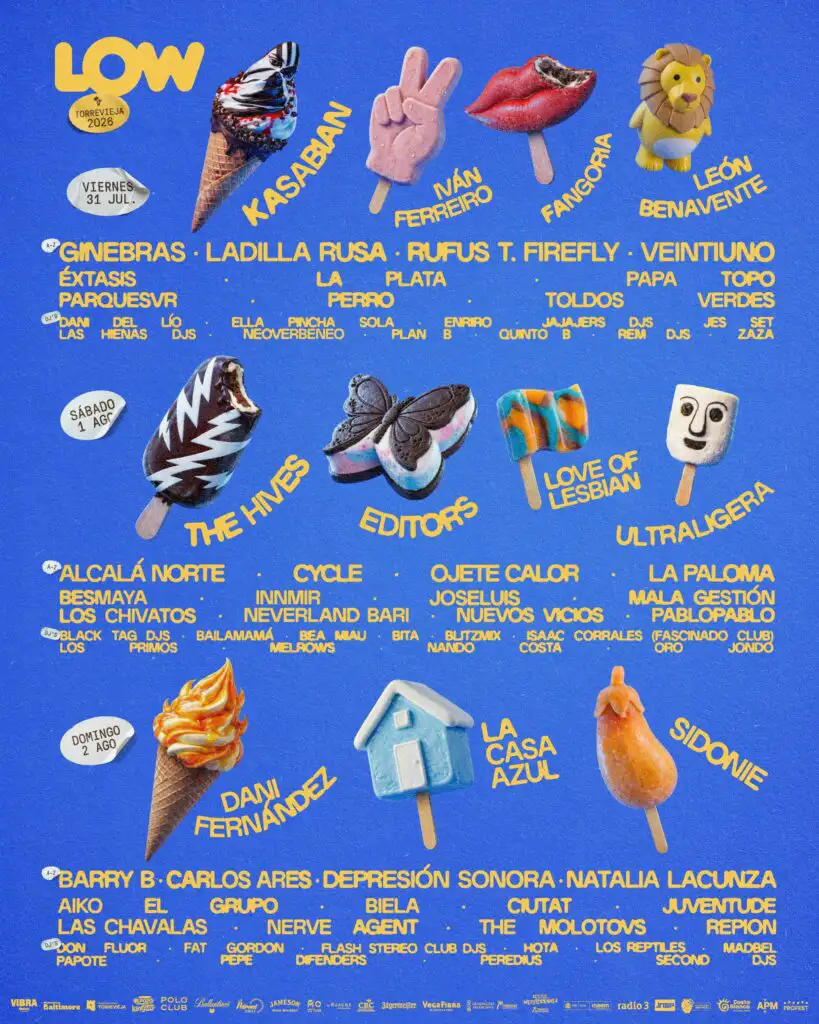
Low Festival
Music: indie, rock and pop
Where: Torrevieja (Alicante)
When: 31 July to 2 August
More information
First year in Torrevieja after 14 in Benidorm, with Kasabian, The Hives, Editors and Fangoria, plus Love of Lesbian on their farewell tour.
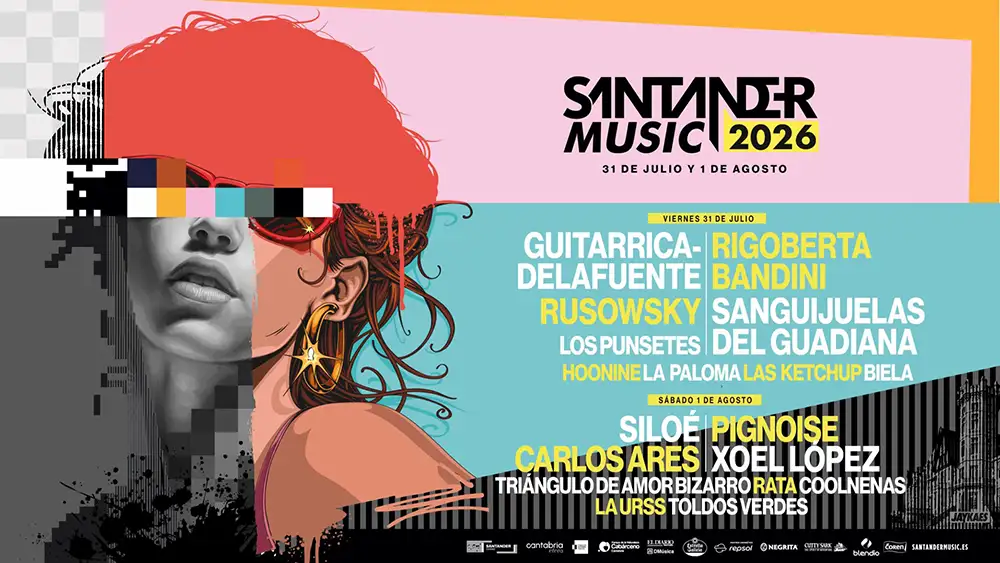
Santander Music
Music: Spanish indie and pop
Where: Santander
When: 31 July and 1 August
More information
Set on the Campa de la Magdalena right by the sea, with Guitarricadelafuente, Rigoberta Bandini, Rusowsky, Siloé and Xoel López.
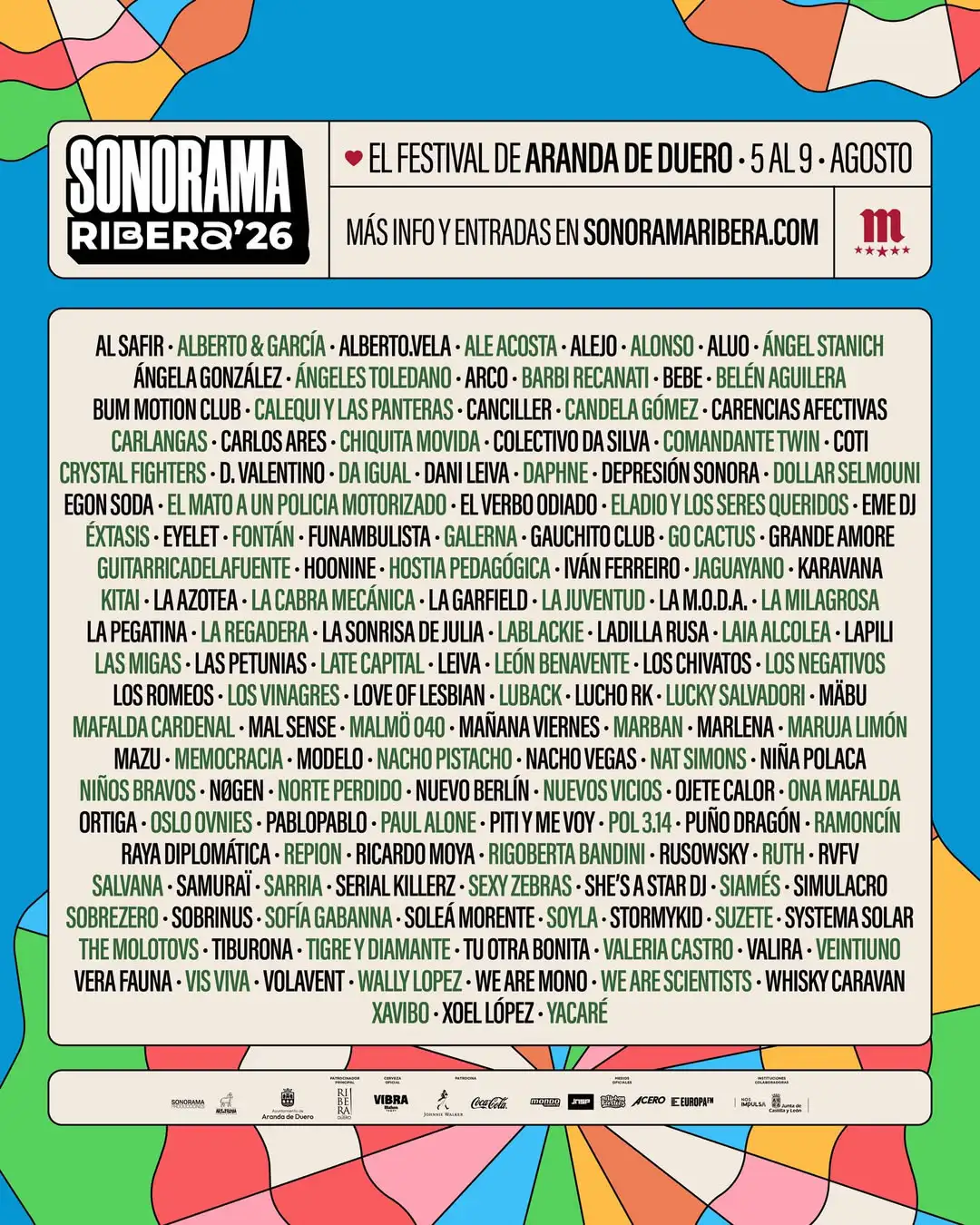
Sonorama Ribera
Music: Spanish indie, pop and rock
Where: Aranda de Duero (Burgos)
When: 5 to 9 August
More information
An indie festival in the middle of the Ribera del Duero wine country, with Leiva, Love of Lesbian, Rigoberta Bandini, Iván Ferreiro and Crystal Fighters.
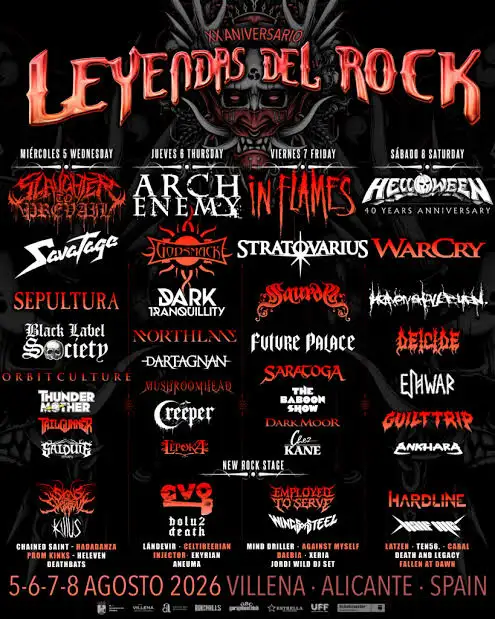
Leyendas del Rock
Music: heavy metal, hard rock and power metal
Where: Villena (Alicante)
When: 5 to 8 August
More information
Turns 20 with Helloween, In Flames, Savatage, Arch Enemy, Sepultura, Godsmack and Black Label Society.
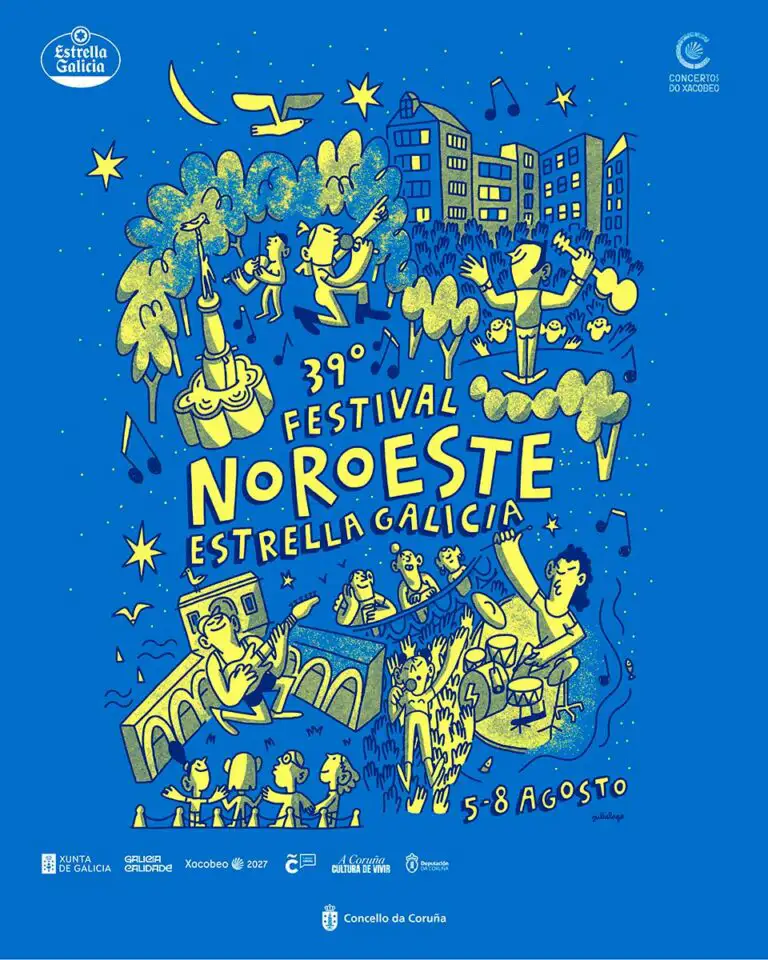
Festival Noroeste Estrella Galicia
Music: indie, pop, electronic and Galician music
Where: A Coruña
When: 5 to 9 August
More information
Free concerts scattered across the city's squares and beaches, with Bomba Estéreo, Rusowsky, Yerai Cortés, Dorian and Echo & The Bunnymen.
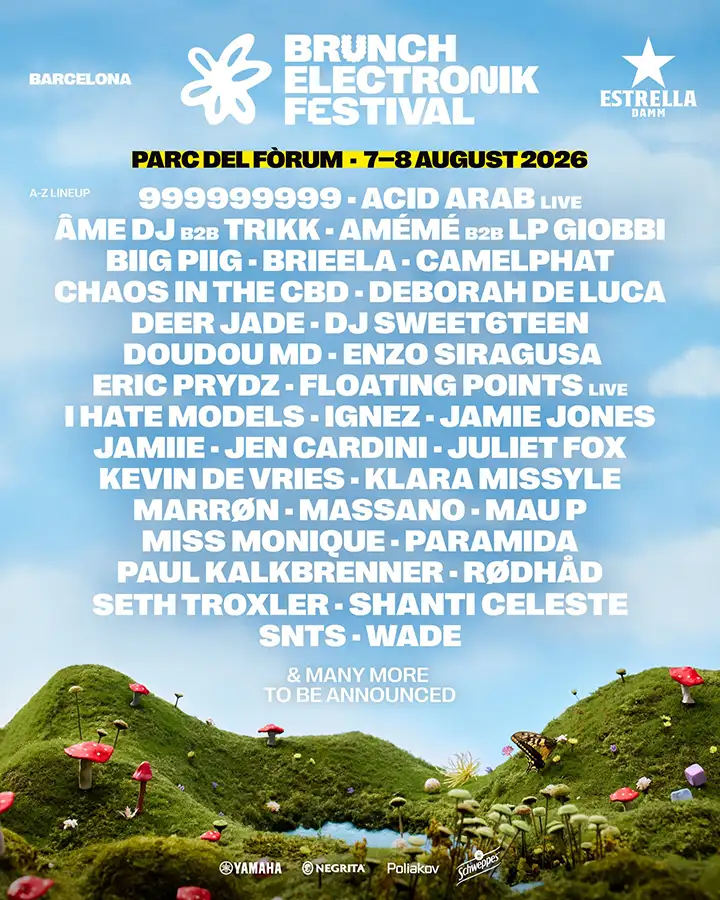
Brunch Electronik
Music: house and techno
Where: Parc del Fòrum, Barcelona
When: 7 and 8 August
More information
The summer edition of Barcelona's daytime parties, with Eric Prydz, Paul Kalkbrenner, Deborah De Luca, Jamie Jones and Floating Points.
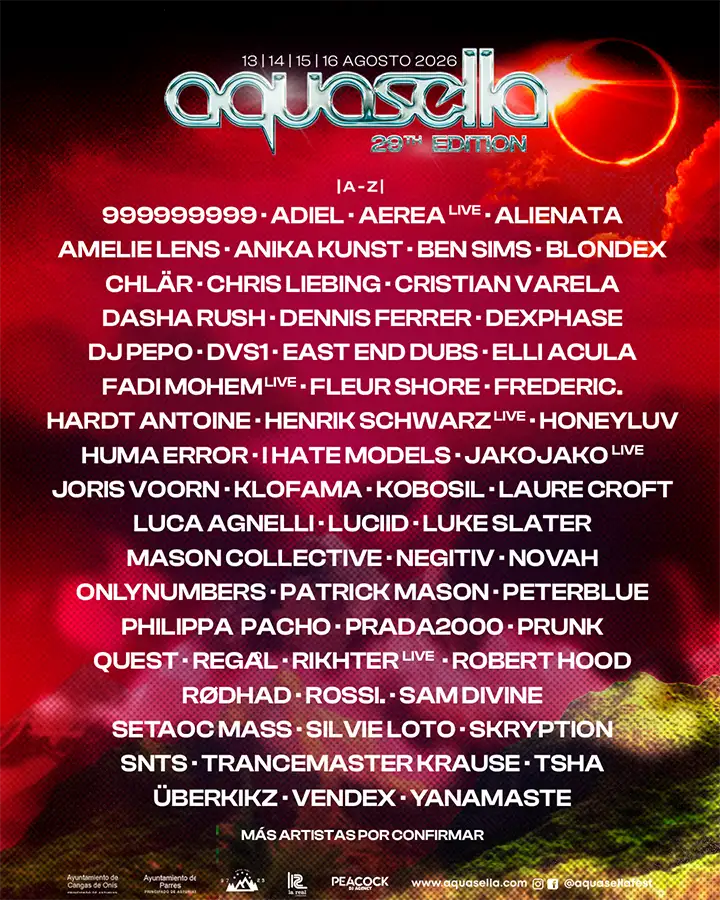
Aquasella
Music: techno
Where: Arriondas (Astúrias)
When: 13 to 16 August
More information
One of the best-loved festival on the Spanish techno circuit. This year brings Patrick Mason, Amelie Lens, Henrik Schwarz and I Hate Models, among others.
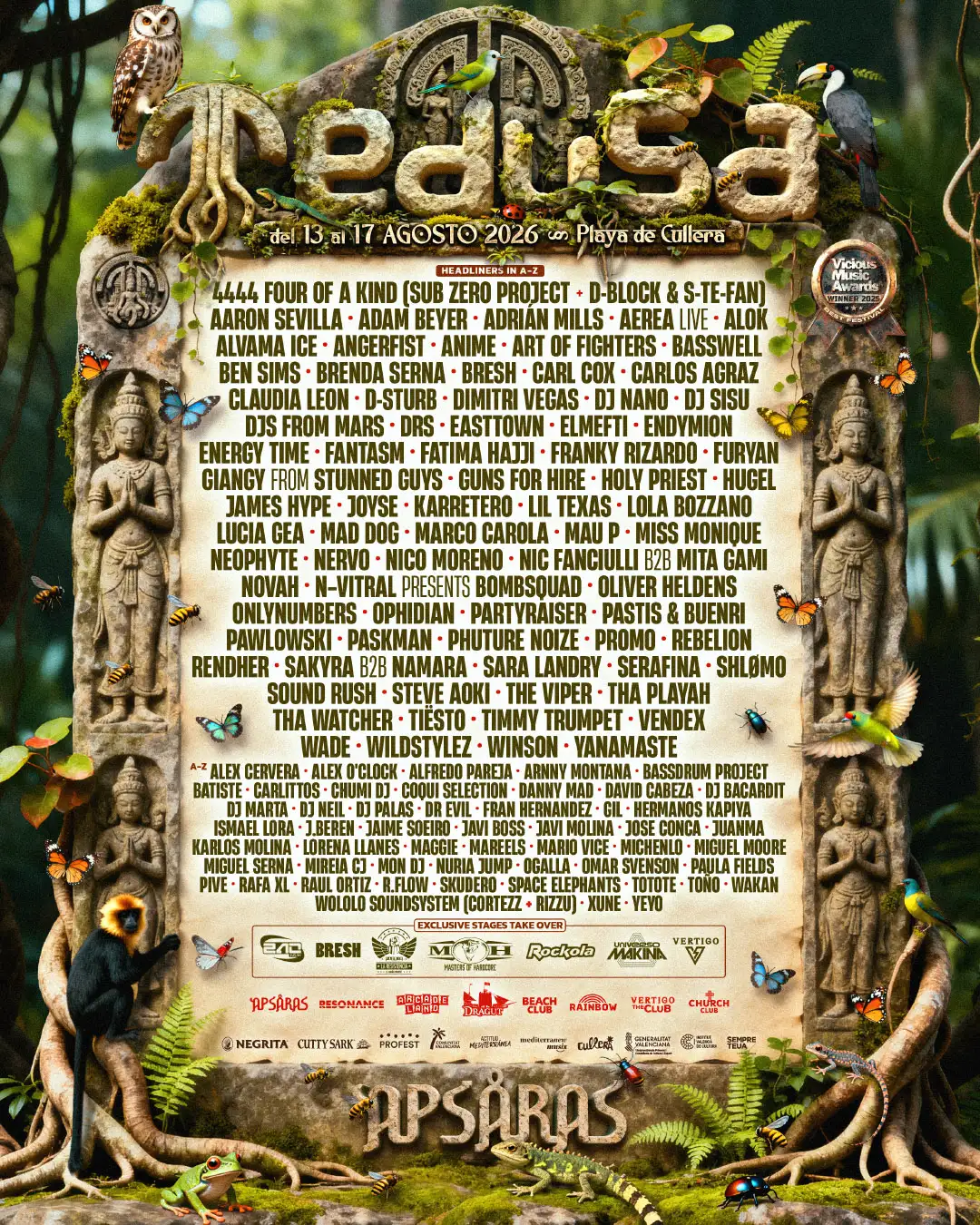
Medusa Festival
Music: EDM, techno and hardstyle
Where: Cullera beach (Valencia)
When: 13 to 17 August
More information
Spain's largest electronic music festival, with DJ Tiësto, Carl Cox, Steve Aoki, Alok, Adam Beyer and Marco Carola.
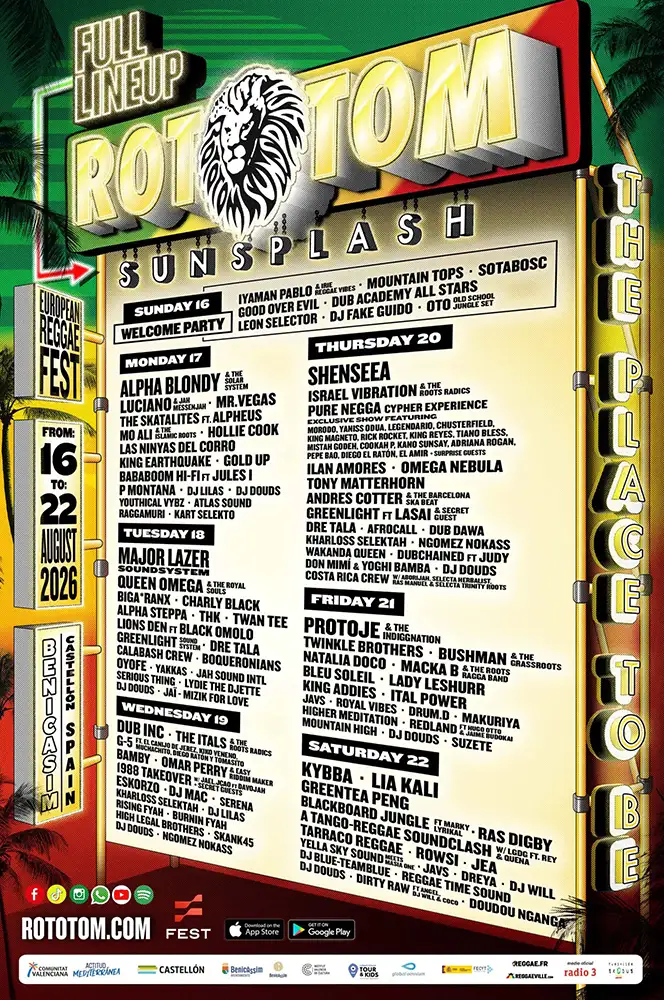
Rototom Sunsplash
Music: reggae, dancehall and dub
Where: Benicàssim (Castellón)
When: 16 to 22 August
More information
Europe's biggest reggae festival, running over six days, with Alpha Blondy, Israel Vibration, The Skatalites, Twinkle Brothers and Macka B.
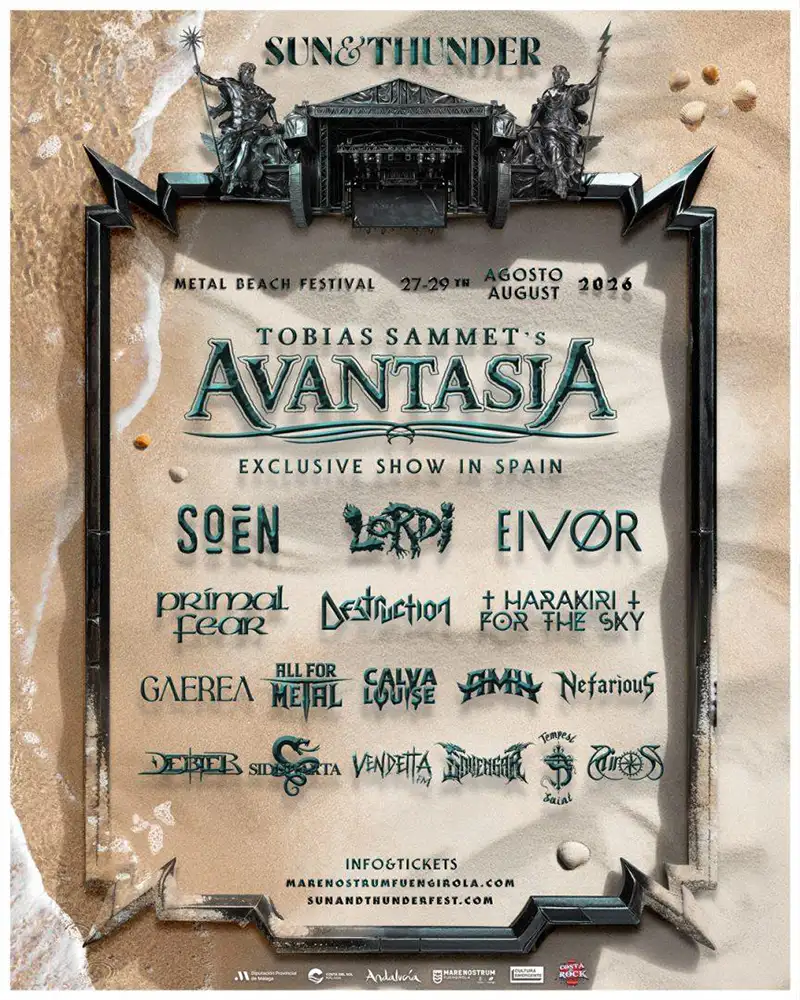
Sun and Thunder
Music: metal and hard rock
Where: Marenostrum, Fuengirola (Málaga)
When: 27 to 29 August
More information
Metal by the sea, with Avantasia playing their only Spanish date alongside Soen, Lordi, Primal Fear and Destruction.
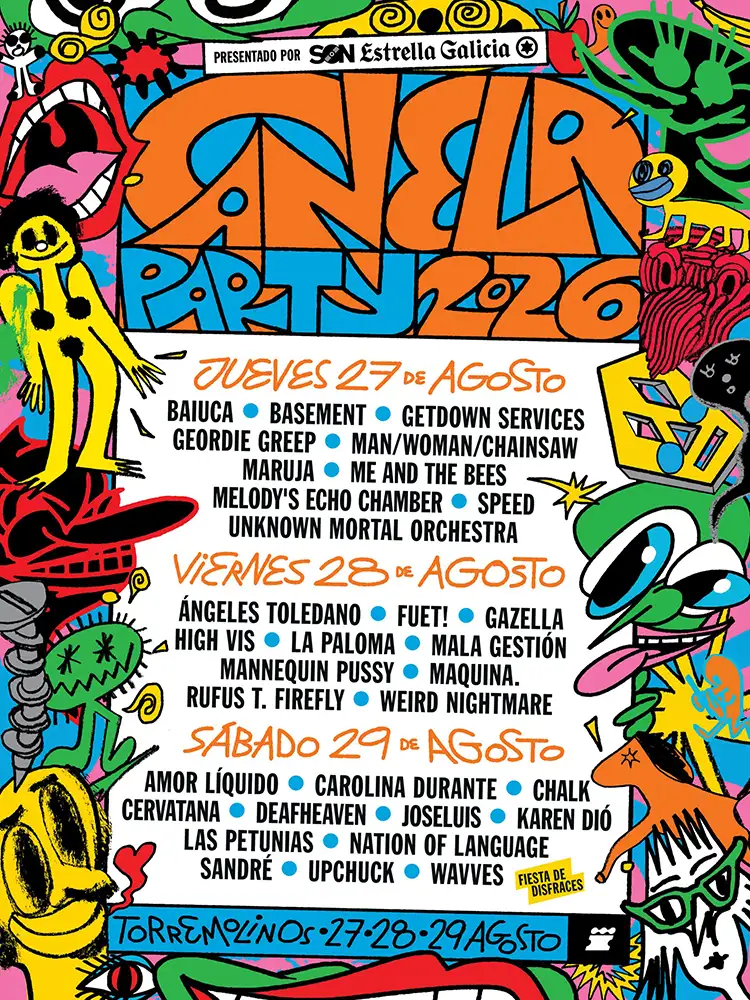
Canela Party
Music: indie, alternative rock and post-punk
Where: Torremolinos (Málaga)
When: 27 to 29 August
More information
Turns 18 with Unknown Mortal Orchestra, The Beths, Deafheaven, Mannequin Pussy and Carolina Durante. Saturday brings the Gran Pitote, the festival's fancy dress night.
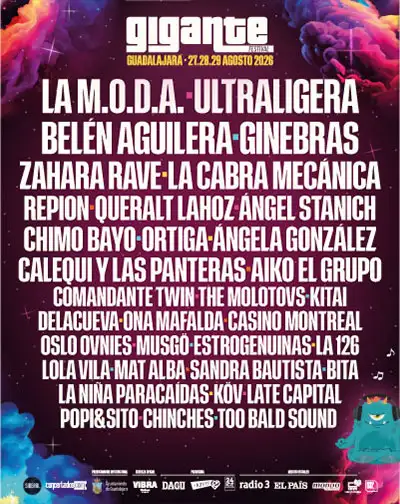
Festival Gigante
Music: Spanish indie, pop and rock
Where: Guadalajara
When: 27 to 29 August
More information
Rounds off the season within easy reach of Madrid, with La M.O.D.A., Ultraligera and La Cabra Mecánica on the bill.
Village festivals and curious traditions
Away from the big names, August fills up with festivals all over the country, plenty of them built on traditions you will not find anywhere else. These are our picks for the month.
Fiesta de la Rama (Agaete, Gran Canaria) - 4 August: thousands of people dance their way through the town carrying pine, eucalyptus and laurel branches to offer to the Virgen de las Nieves. The custom is thought to go back to rituals the indigenous Canarians performed to ask for rain.
Fiestas de la Tierra (Ibiza) - 5 to 15 August: Ibiza Town's own celebration, with music, sporting contests, fireworks, folk displays and a tribute to the corsairs and the island's seafaring past.
Fiesta del pan y el queso (Quel, La Rioja) - 6 August: one of Spain's oldest festivals, held every year without a break since 1479, when the town put the end of a plague outbreak down to a miracle. After the procession to the Santa Cruz chapel, residents hurl 2,500 bread rolls and 50 kilos of cheese down from the balconies.
Descenso Internacional del Sella (Arriondas to Ribadesella, Asturias) - 8 August: a 20-kilometre canoe race down the River Sella and the standout date on the summer calendar in northern Spain.
Horse races on the beach (Sanlúcar de Barrameda, Cádiz) - 8 to 23 August: horses race along the sand at low tide, as they have since 1845, in what counts as one of the oldest equestrian competitions in Europe.
Fiestas de Sant Magí (Tarragona) - 11 to 19 August: on the 19th the city stages its castells, the Catalan human towers that climb as high as nine levels, followed by a procession and fireworks that night. In the days before, horse-drawn carts bring water said to be miraculous down from the hills, a journey repeated every year since 1843.
Moros y Cristianos de Ontinyent (Valencia) - 16 to 24 August: the town's most popular festival, re-enacting the Reconquest of the Iberian Peninsula in elaborate historical costume. The first big parade, Los Alardos, falls on the Thursday. Ontinyent has been doing this since 1860.
Fiesta de la Sidra Natural (Gijón, Asturias) - 20 to 30 August: ten days given over to cider, the drink of the region, with an apple market, tastings and visits to local cider houses. It all builds to a competition where contestants show off the Asturian pour, holding the bottle above their head and hitting the glass without looking and without spilling a drop.
Fiesta del Asturcón (Sardeda, Piloña, Asturias) - 22 August: a day in honour of the horse breed native to Asturias that came close to dying out. Expect an open-air mass, bagpipe bands, regional dancing, a communal lunch and the branding of the year's new foals.
Descenso folclórico del Nalón (Asturias) - 22 August: more than 4,000 people float down the River Nalón in decorated boats built like carnival floats, a parade that has run since 1968. There is a prize at the end for the most inventive.
El Cipotegato (Tarazona, Zaragoza) - 27 August: a local dressed as a harlequin bursts out of the town hall and is chased through the streets by the crowd, reviving an old tradition of pelting the court jester with tomatoes. Playing the part has become such an honour that the town now runs an annual draw to pick him.
Batalla de flores (Laredo, Cantabria) - 27 to 29 August: a parade of floats covered in fresh flowers, held every year since 1908. A single float can use more than 125,000 blooms, all for a competition that crowns the best design of the day.
Las Guerras Cántabras (Los Corrales de Buelna, Cantabria) - 28 August to 6 September: more than 1,800 residents refight the region's ancient conflict, split into Cantabrian tribes and Roman legions. They build a military camp and period dwellings to host mock battles, a traditional wedding and a sitting of the Roman senate.
Festa da Istoria (Ribadavia, Ourense) - 28 to 30 August: the whole town dresses in medieval costume, turning its Jewish quarter back into the Middle Ages for three days. There are craft workshops, a staged Jewish wedding and human chess. Turn up without a costume and you can hire one on the spot, then swap your euros for maravedís, the period currency and the only money accepted inside.