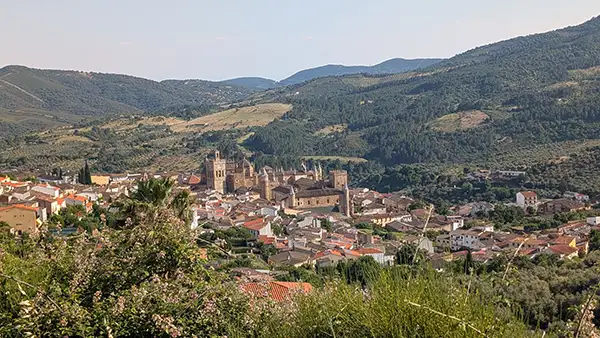
Guadalupe might be one of the most famous names in the Catholic world, but the village in Extremadura where it all began receives a fraction of the visitors it deserves. In the centre of the village stands the Royal Monastery of Santa María de Guadalupe, a World Heritage Site since 1993 and one of Europe's most important pilgrimage centres since the 14th century. Few places in Spain concentrate so much history, art, and devotion in a single space, and even fewer remain so far off the radar of international travellers.
What is the visit like?
Upon arriving at the monastery, the first step is to buy a ticket at the gift shop ticket office on the day, without prior booking. Online purchases and card payments are not accepted, only cash is allowed. Visitors are given a time slot, and at the scheduled time, a staff member gathers the group to begin the tour. They repeatedly state that this is an accompanied visit rather than a guided tour.
The group stays together, moving from room to room while a recording provides information about each space. The staff member waits for the recording to finish before moving to the next room, which practically allows generous time in each place to look at everything calmly. It is quite a different system from what people are used to, slightly strange, but it works in its own way.
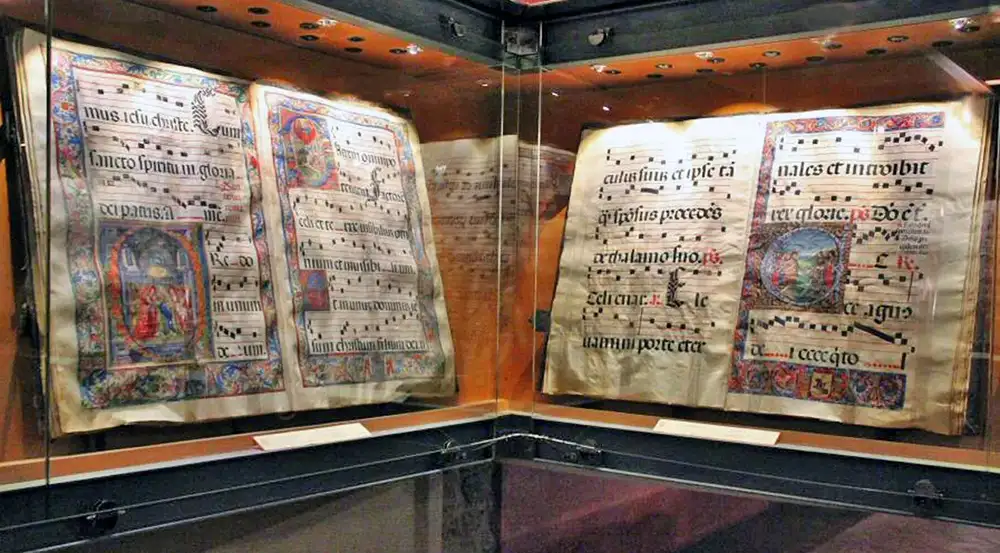
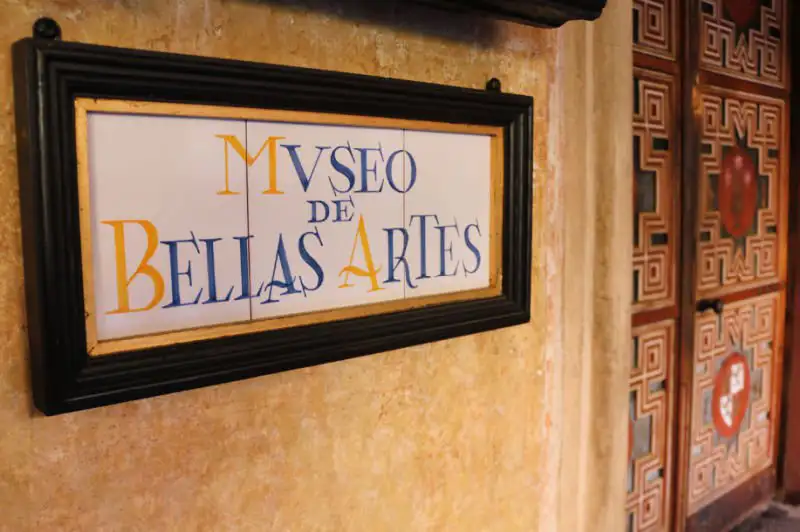
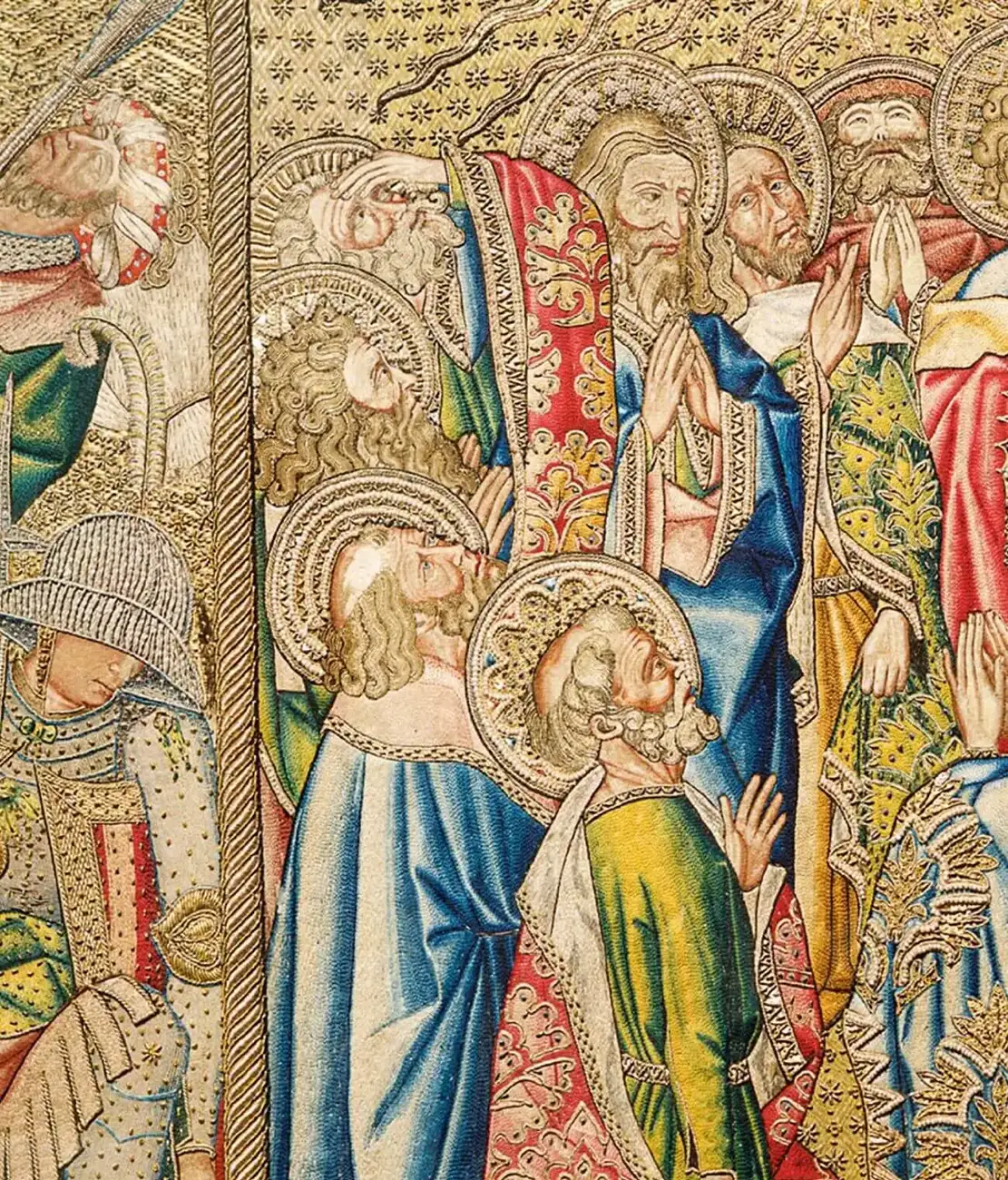
The visit goes through the embroidery museum, featuring liturgical vestments produced by the monks over the centuries, some still in use today. There are highly elaborate pieces, including funeral vestments embroidered with skulls, which are quite beautiful and interesting. Next is the choir book room, housing giant books used during mass, featuring detailed illuminations on every page. This is followed by a fine arts exhibition showcasing paintings and sculptures by significant artists such as Goya, El Greco, and Michelangelo.
Unfortunately, photography is not permitted in any of these rooms. The only exception is the Mudéjar cloister, which will be discussed later. From there, the tour continues to the sacristy, several chapels, and the reliquary. The visit technically ends there, but there is an optional section, the Virgin's camarín, which is highly recommended and detailed further below.
Highlights
The Mudéjar Cloister
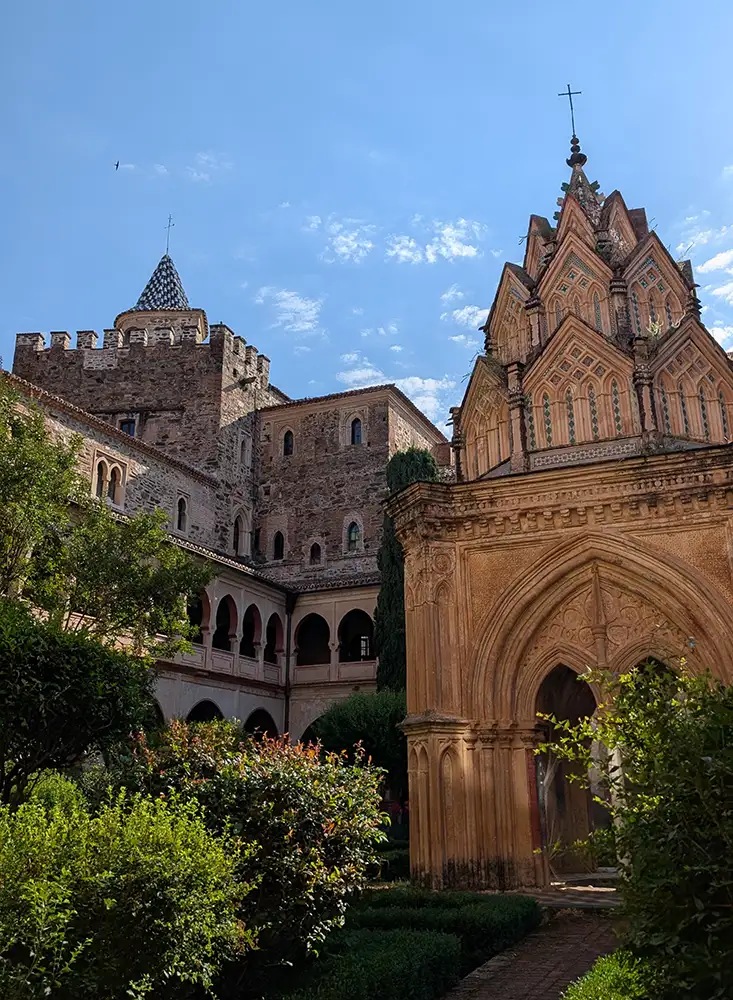
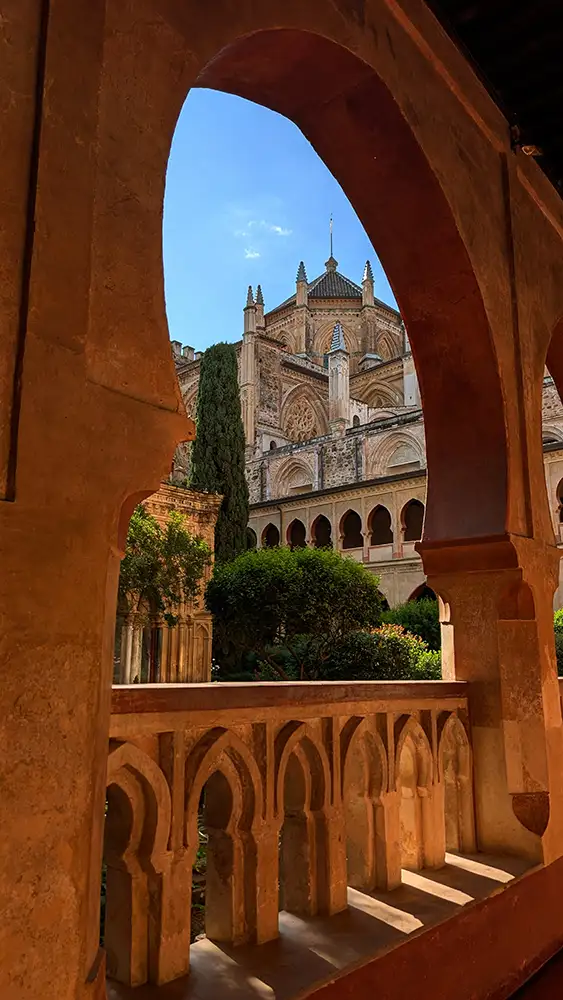
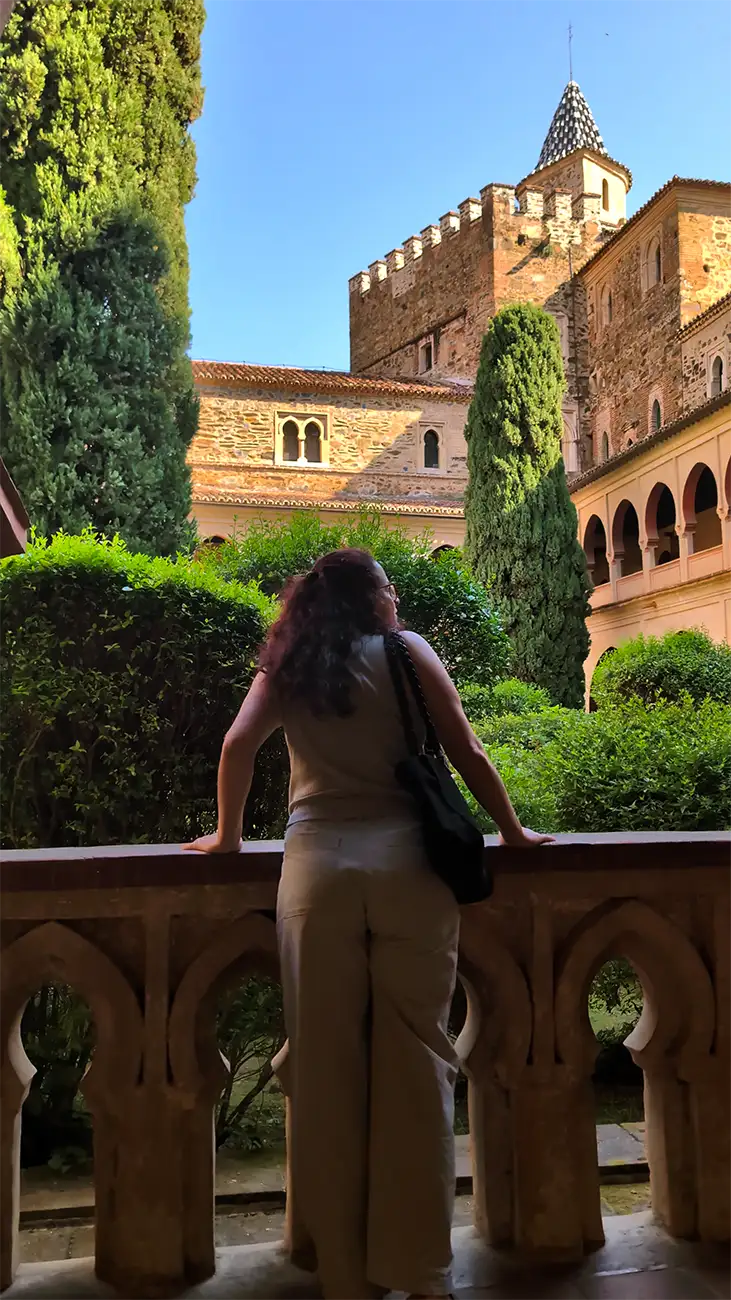
The cloister is the only part of the visit where you can take photos, and looking at the images makes it easy to understand why it is hard to stop. An initial surprise is the absence of the Romanesque or Gothic arches usually expected in a European monastery. The arches are horseshoe-shaped, showing Islamic influence, and the entire complex blends Christian and Moorish elements. This is the Mudéjar style, which flourished on the Iberian Peninsula during the coexistence of Christian and Arab cultures, and Guadalupe has one of the finest examples in the country.
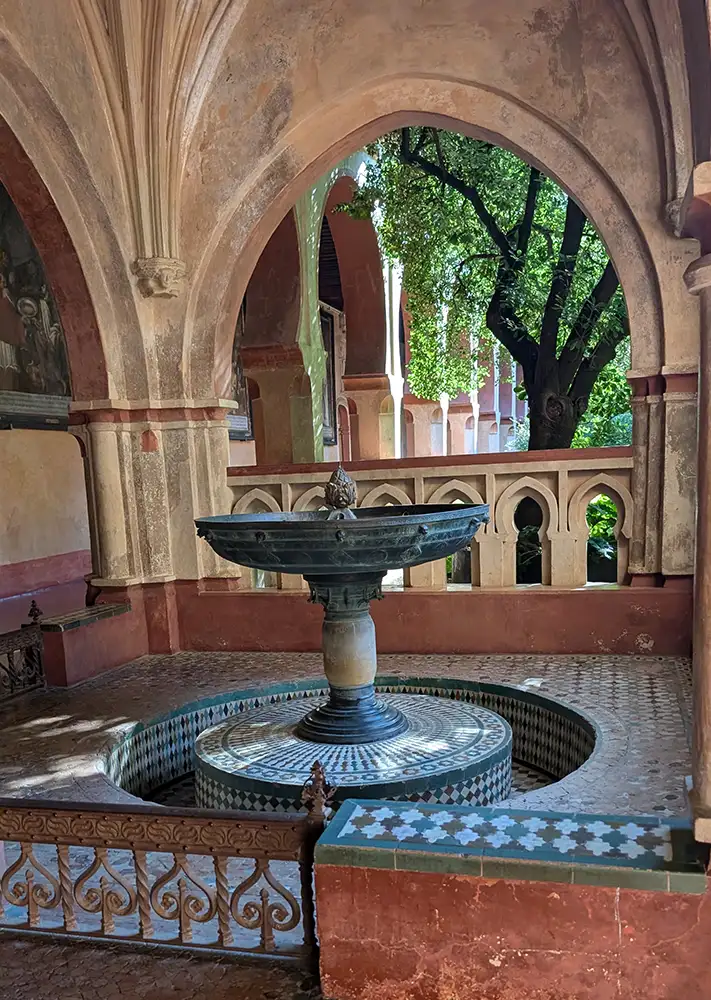
In the middle lies a meticulously maintained garden with structures mixing Gothic and Mudéjar styles. In one corner sits the lavatorium, a 15th-century bronze fountain where monks washed before meals, providing a great surprise for those starting the tour without knowing what to expect.
The Sacristy of Zurbarán
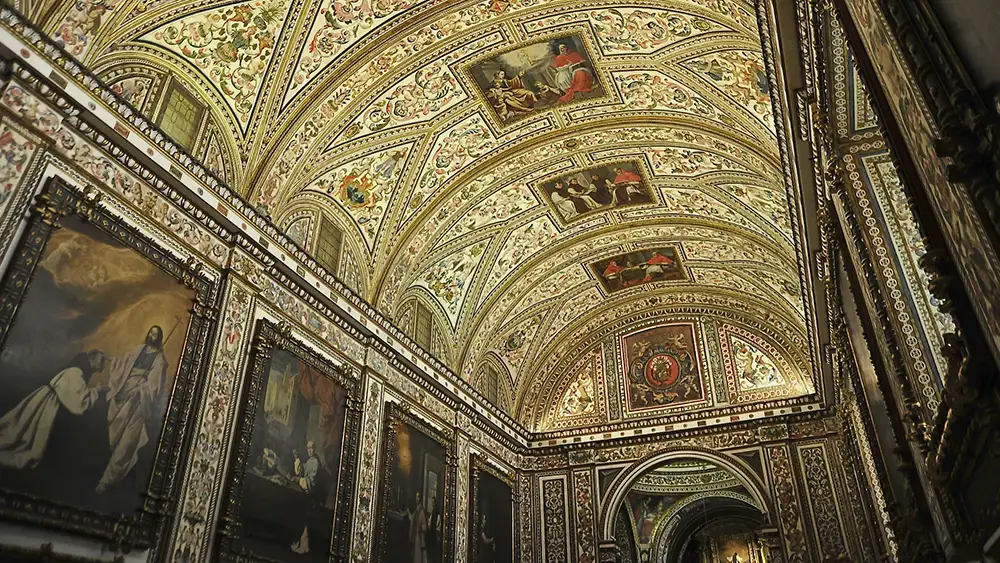
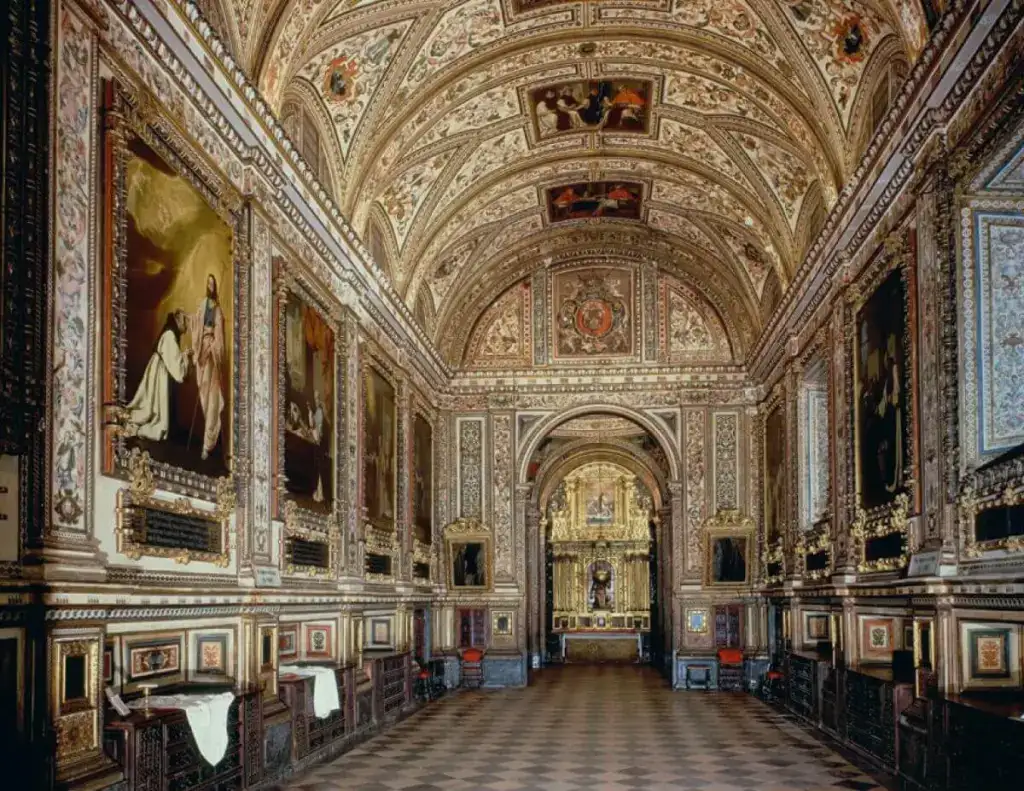
It is not the kind of space usually imagined when hearing the word sacristy. It is large and heavily decorated, with walls and ceilings covered in detail, antique mirrors, and enormous paintings on every wall. It looks unlike any other sacristy.
The paintings on the walls are by Francisco de Zurbarán, one of the great painters of the Spanish Baroque. There are eight massive canvases depicting the life of Saint Jerome, painted specifically for this space. The ceiling, covered in frescoes by Zurbarán's disciples, is referred to by some as the Sistine Chapel of Extremadura.
The Virgin's Camarín
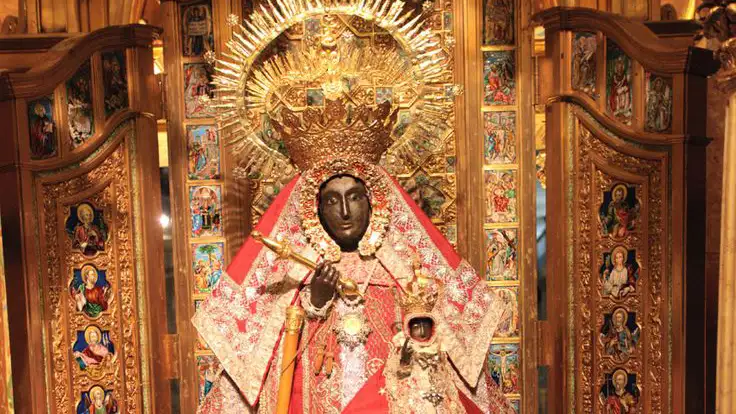
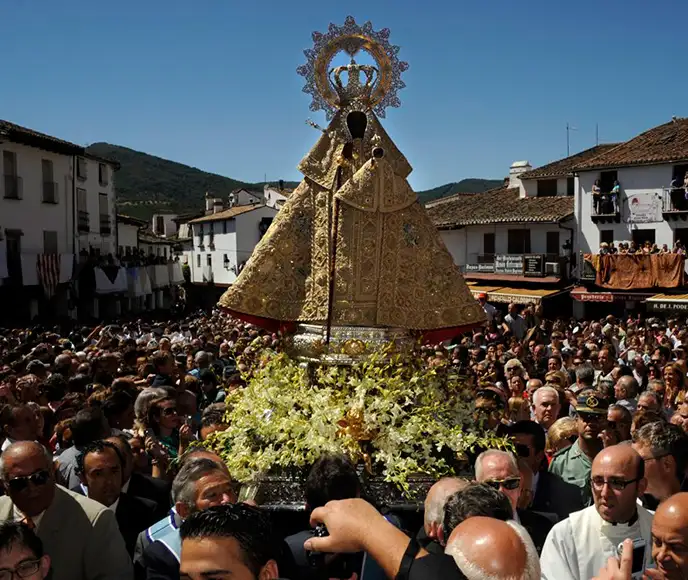
The camarín was the most emotional moment of the entire visit and another aspect I had no idea. After the route, a Franciscan monk welcomes the group and leads everyone there. In the centre sits the image of the Virgin of Guadalupe, a 13th-century sculpture on a revolving throne. The monk turns the image so everyone can see it up close. It is the same Virgin seen on the basilica's altarpiece, but viewed from a short distance.
Access to the camarín is free and not part of the paid tour, although it seems one can only visit it if taking the tour. Besides that, anyone can enter the basilica for free and see the Virgin on the altarpiece.
Practical Information
Ticket Prices
- Adults: €7
- Over 65s: €6
- Children aged 4 to 13: €3
- Under 4s: free
Opening Hours
- Morning: 9.30 am to 12.50 pm
- Afternoon: 3.30 pm to 5.50 pm
- Note: Closed on 1 January and 25 December
Purchasing Tickets
- Payment: Cash only, directly at the monastery shop
- Groups: Bookings for over 30 people available by calling 927 367 000
Tour Details
- Duration: Approximately 45 to 50 minutes
- Up to 40 or 50 people per session
- Photography allowed only in the Mudéjar cloister
Location
Plaza Santa María de Guadalupe, Guadalupe, Cácere
Guadalupe and the Pilgrimage Routes
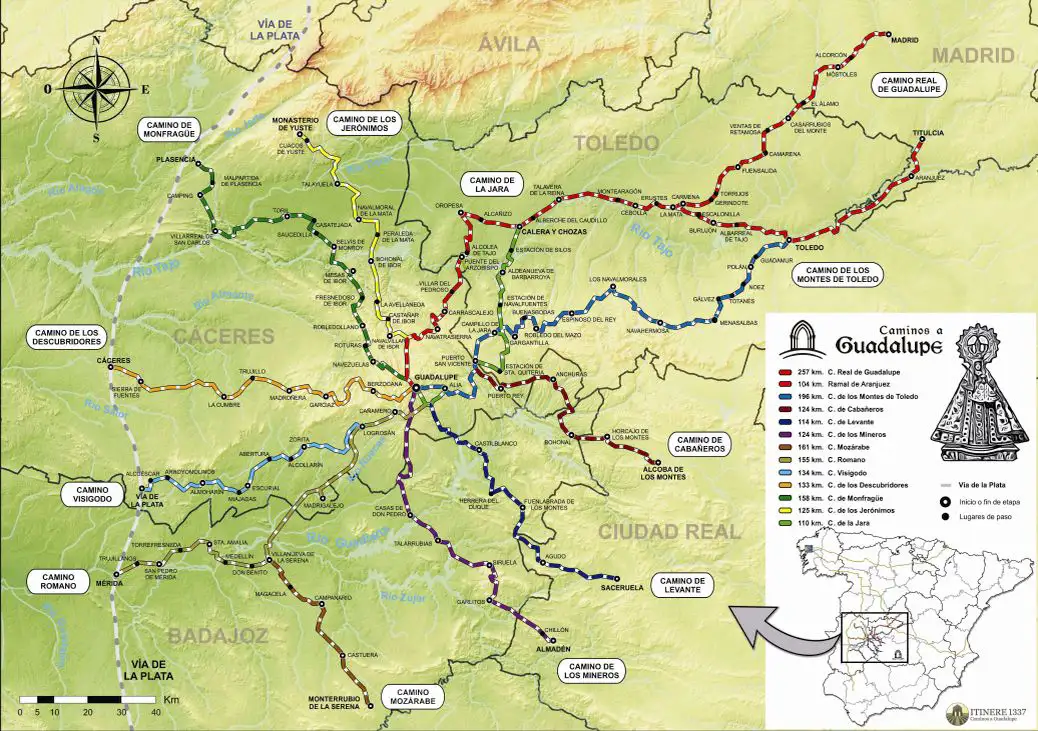
Since the 14th century, the monastery has been one of the main pilgrimage centres on the Iberian Peninsula. A whole network of historical routes leads there from various parts of Spain and Portugal. There are 23 mapped routes crossing territories in Extremadura, Castilla-La Mancha, Andalusia, Castilla y León, and Madrid. The most well-known ones include the following routes:
- Royal Way: starting from Madrid
- Montes de Toledo Way
- Mozarabic Way: starting from Monterrubio de la Serena
- Roman Way: starting from Mérida and passing through Madrigalejo, where Ferdinand the Catholic died in 1516
For those wishing to go on a pilgrimage, the official website provides maps, GPX trails, and detailed information about each route.
The Legend of the Virgin of Guadalupe
In the 13th century, a shepherd named Gil Cordero had been wandering the mountains of Extremadura for days looking for a lost cow until he finally found it dead. Upon making the sign of the cross over the animal, the cow stood up. At that moment, the Virgin appeared to the shepherd and asked him to dig in that exact spot. There he found an image hidden centuries earlier by priests fleeing the Moorish invasion of the Iberian Peninsula. A chapel was built on that very spot, eventually becoming the monastery that exists today.
The image Gil Cordero found is a 12th-century cedar sculpture, although the legend of its origin goes much further back. Its creation is attributed to Saint Luke himself in the 1st century, describing a journey passing through Constantinople, Rome, and Seville before ending up hidden on the banks of the Guadalupe River during the Moorish invasion.
Now... The controversy dividing Spaniards and Mexicans to this day is worth noting. The Virgin of Guadalupe who appeared to Juan Diego in Mexico in 1531 shares the same name and emerged decades after the Spanish colonisation of the New World. For Spaniards, Mexican devotion stems directly from the Extremaduran image brought by the conquistadors. For Mexicans, they are completely distinct apparitions with their own histories. The debate continues without a definitive answer.