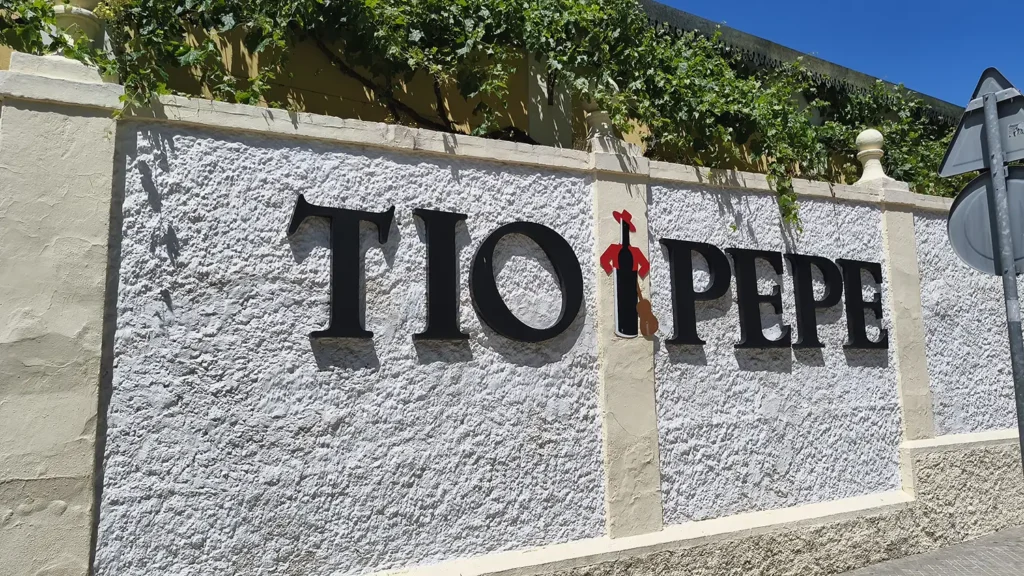
If you find yourself in Jerez de la Frontera, there's one stop I'd call almost compulsory, and that's the tour at González Byass, the winery behind the iconic Tío Pepe. I'm not the biggest wine fan (I'm honestly still learning to drink it, nothing too serious) and I went mostly for the experience, but I came away really pleased. The whole thing is fascinating, so let me tell you everything.
A little bit of history (quick, I promise)
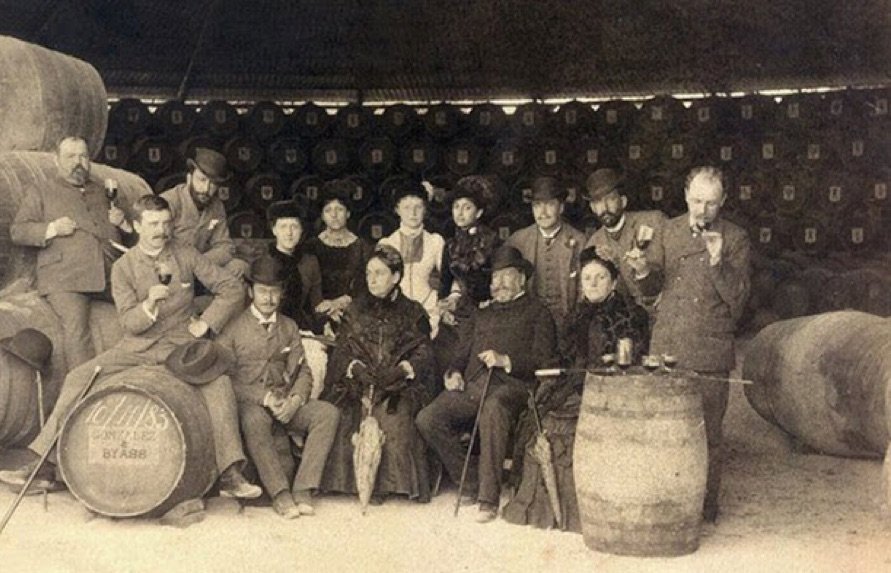
González Byass was founded in 1835 by Manuel María González Ángel, a young man from Jerez with a real eye for the future and, apparently, a serious talent for making sherry. The name "Tío Pepe" is a tribute to his uncle, José Ángel, who helped out in the early days of the business.
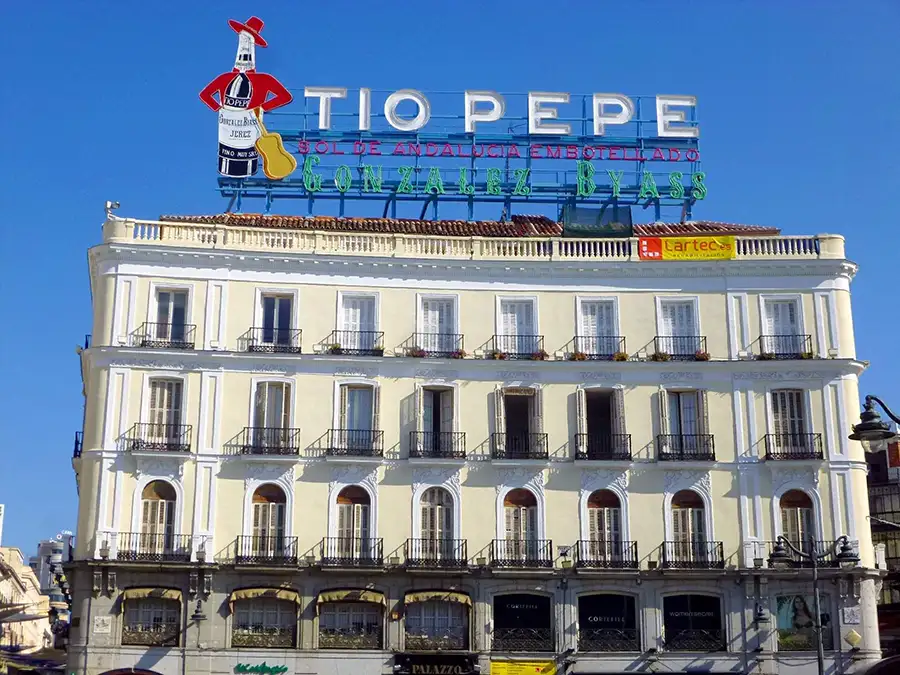
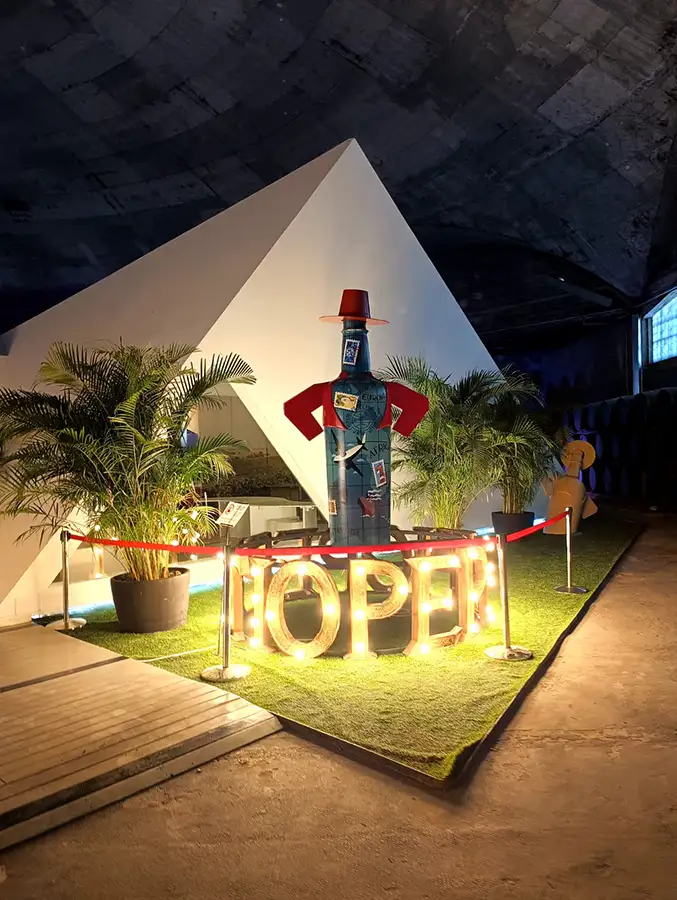
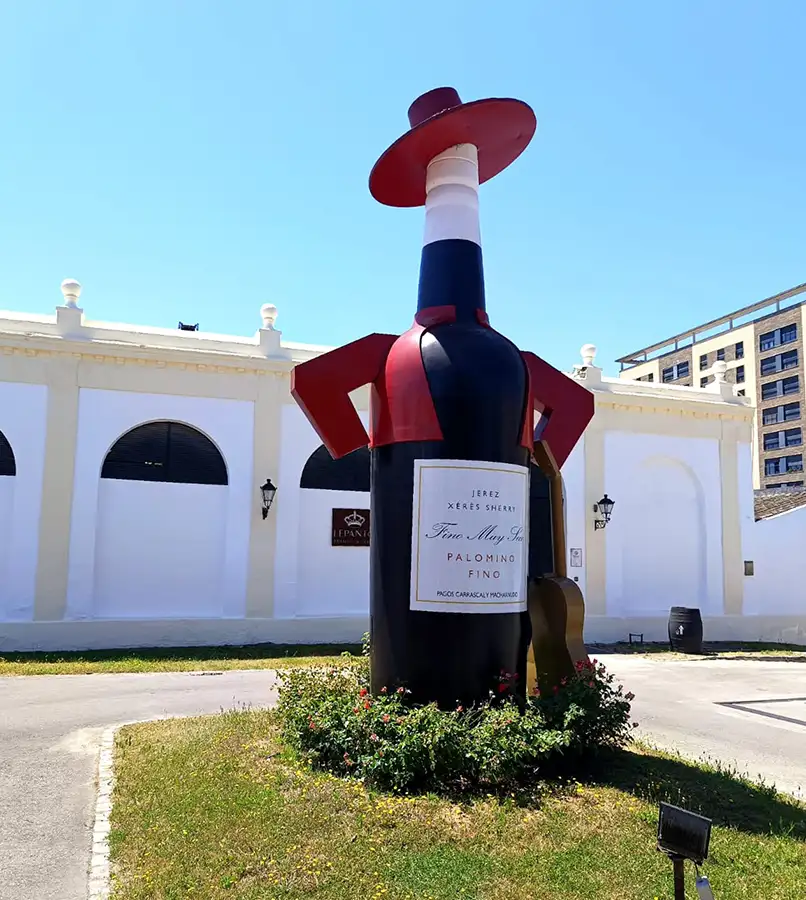
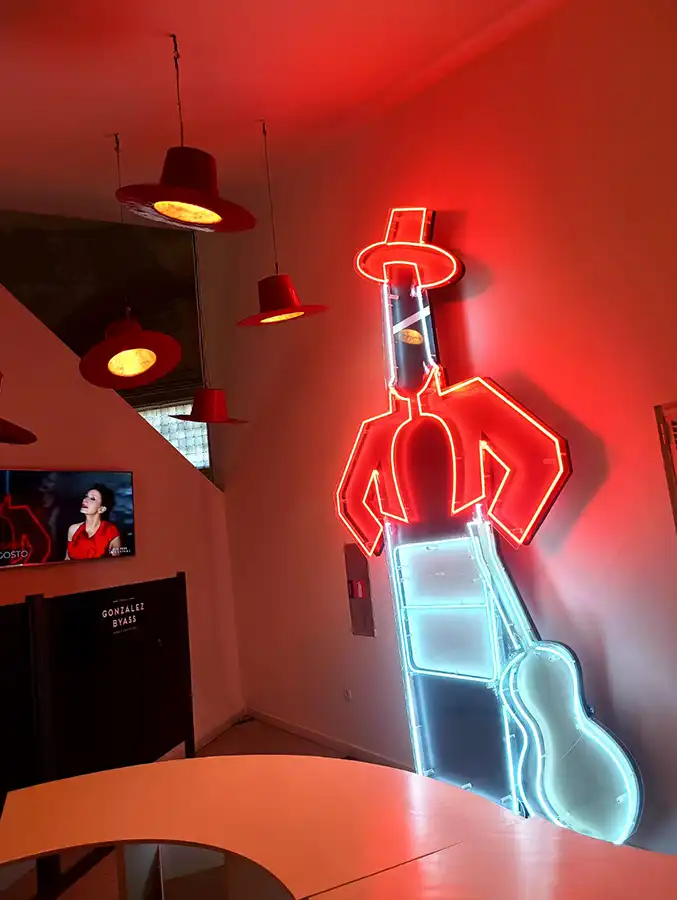
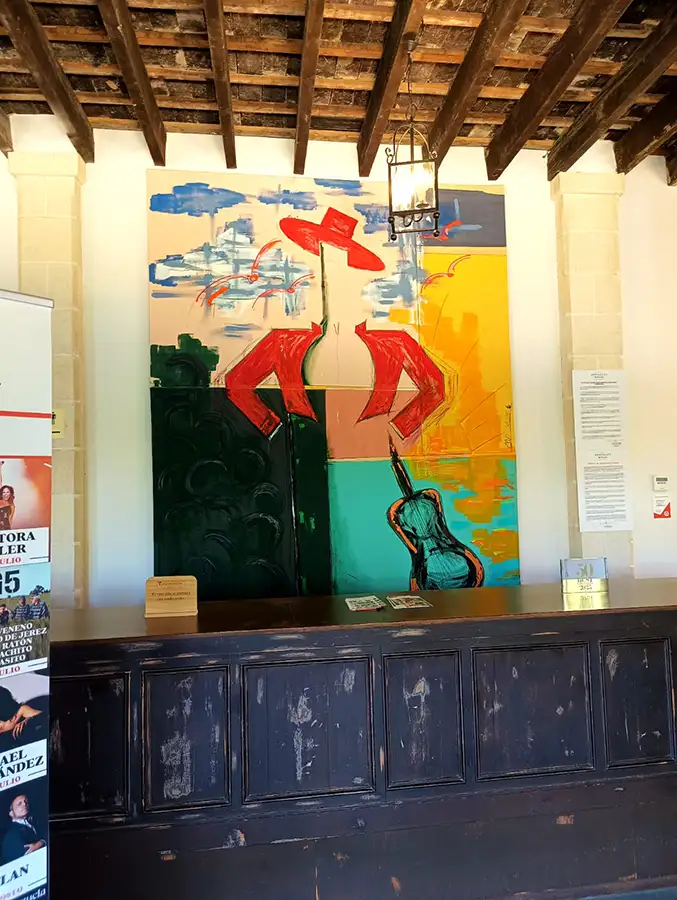
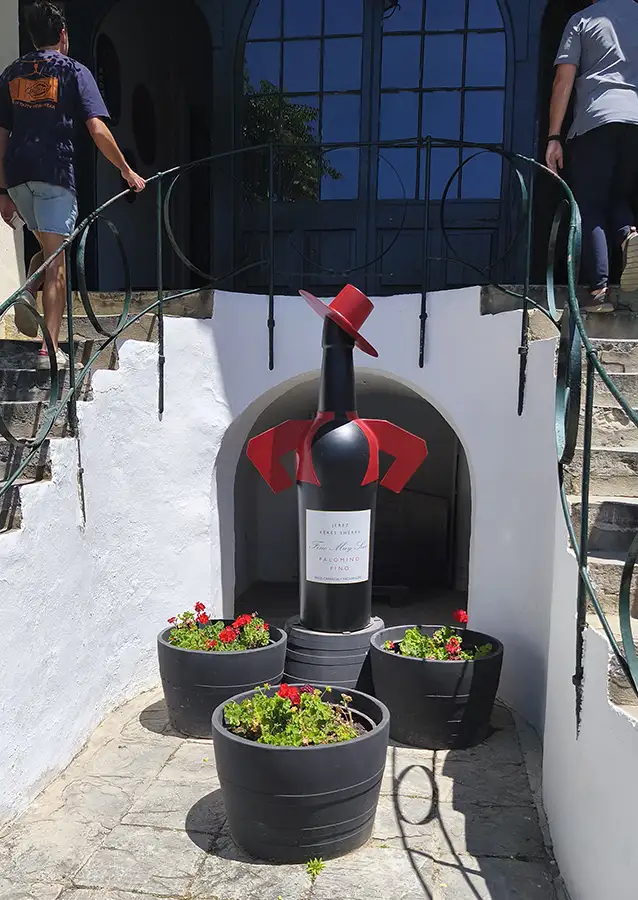
And you know that iconic illuminated sign at the Puerta del Sol in Madrid? The little figure in an Andalusian hat holding a guitar that everyone photographs? That's the one. That's Tío Pepe! The advert stood there for decades and became part of the city's visual heritage, and when they tried to take it down in 2012 for renovation works, Madrileños went to social media to complain so loudly that it ended up going straight back up. Now you'll never look at that sign again without knowing exactly who the "uncle" is.
Today, almost two centuries on, the brand is a byword for the lighter, drier style of sherry and exports to more than 100 countries. But don't worry, you'll get your head around all of this during the tour.
What the winery tour is like
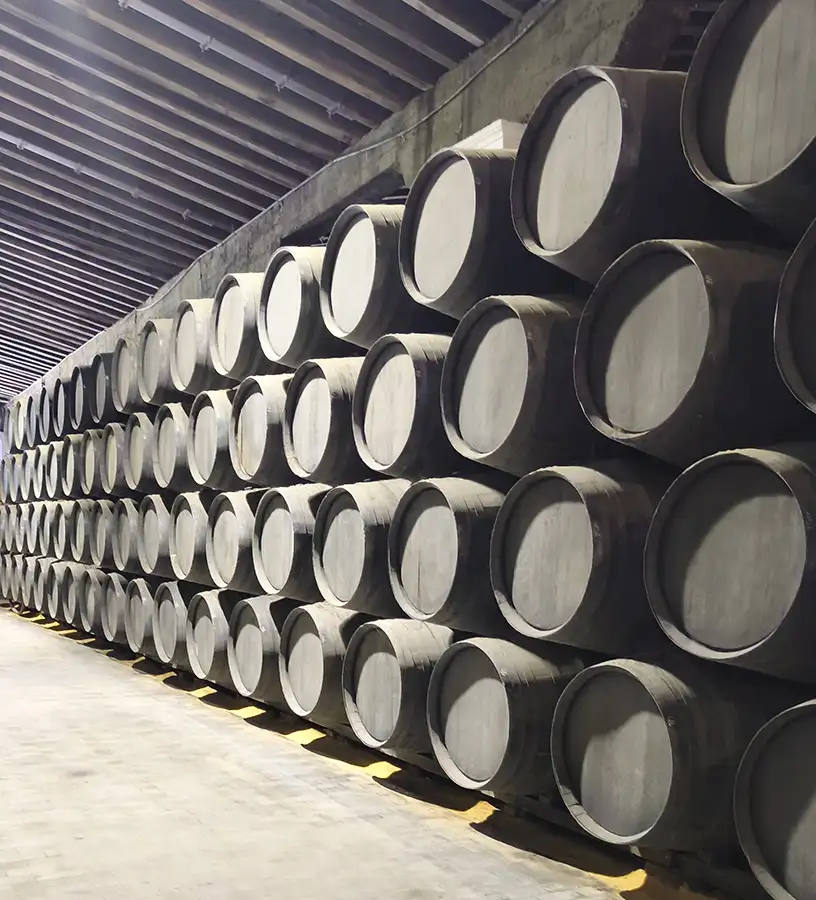
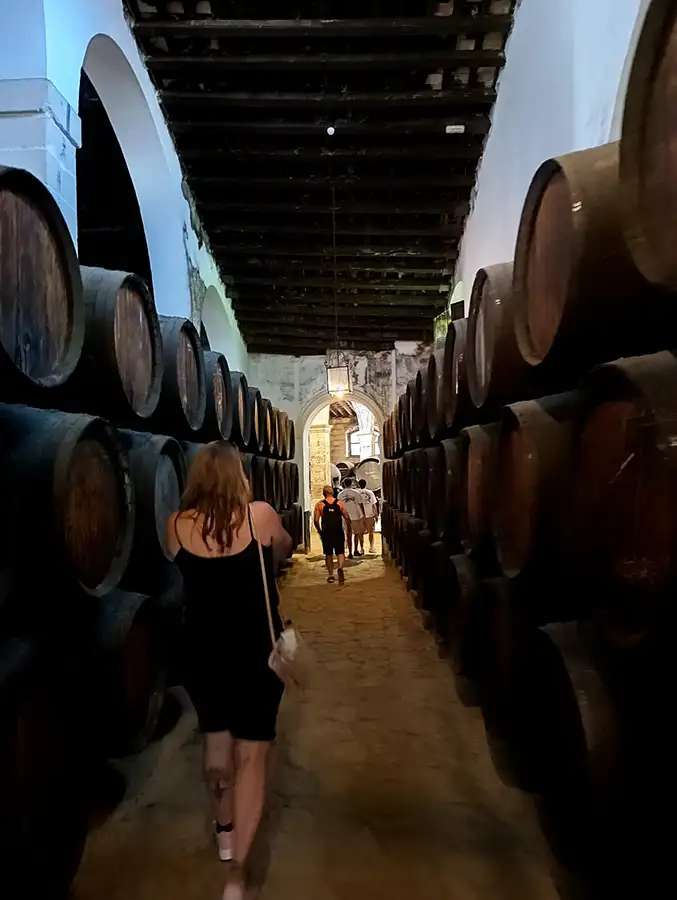
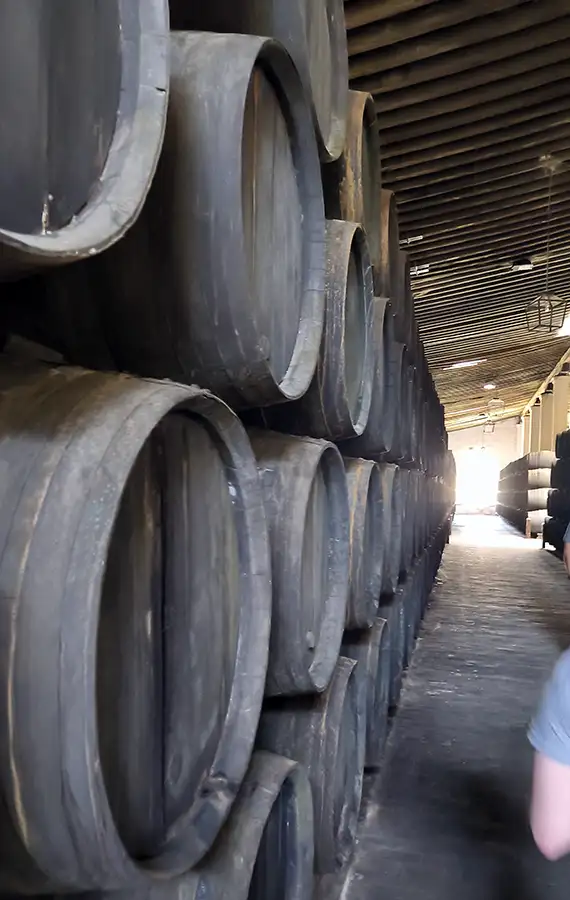
The visit starts with a general presentation about the history of the bodega and how sherry is made, using the famous solera system, which is basically stacked barrels where the younger wines "learn" from the older ones. It's genuinely fascinating, and the guides explain it in an easy way, so you don't need to be a sommelier to follow along.
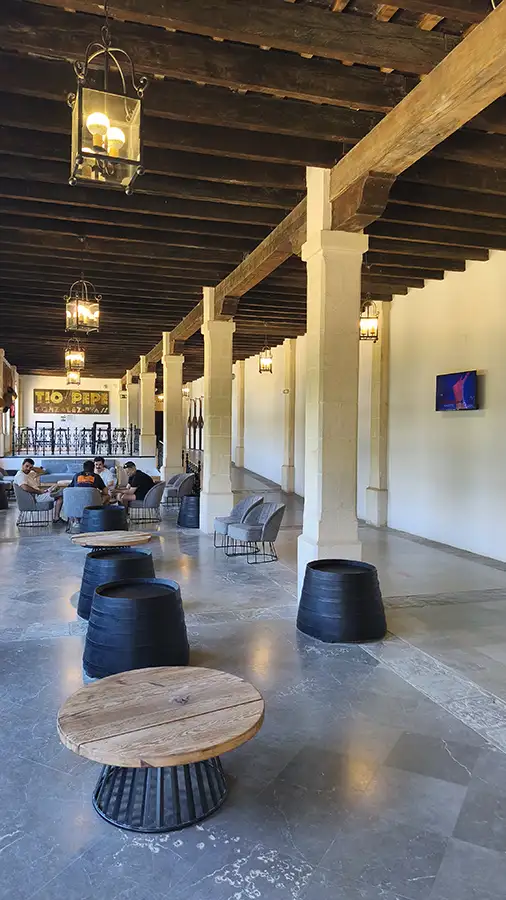
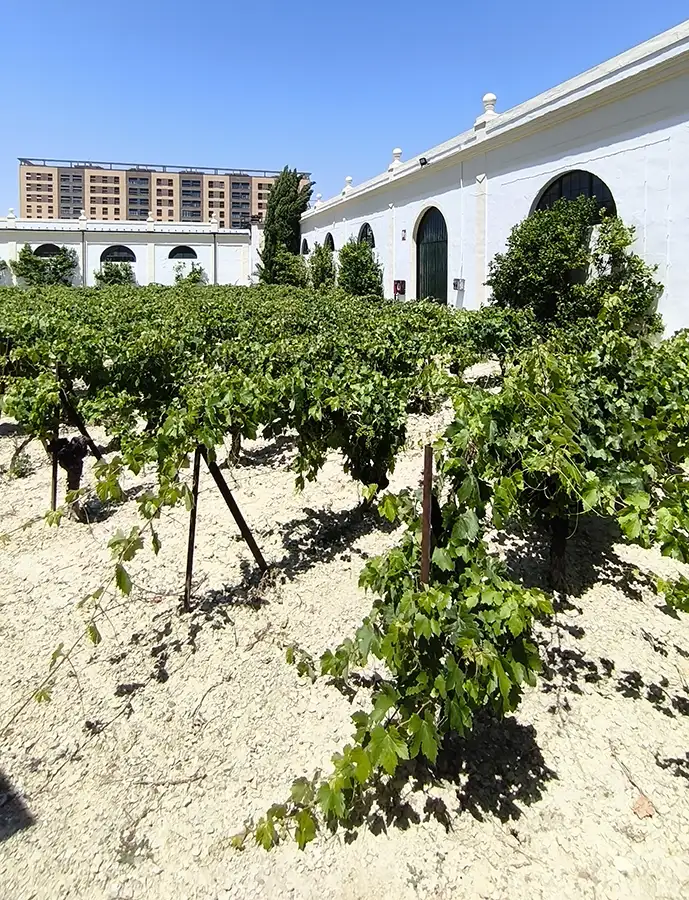
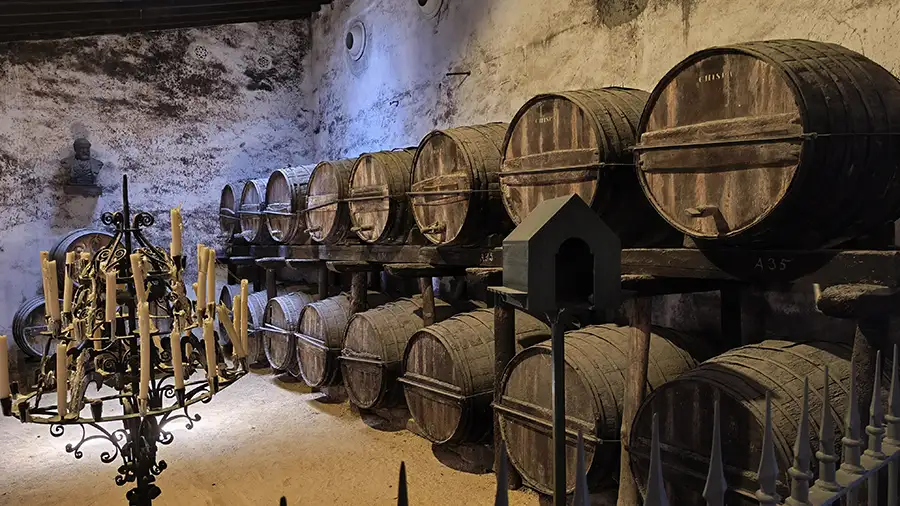
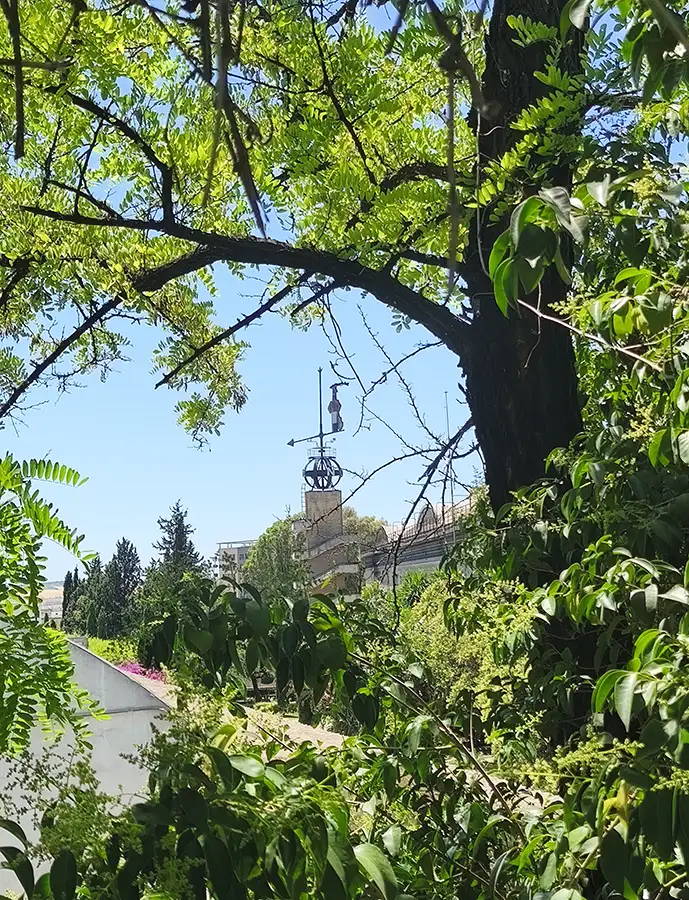
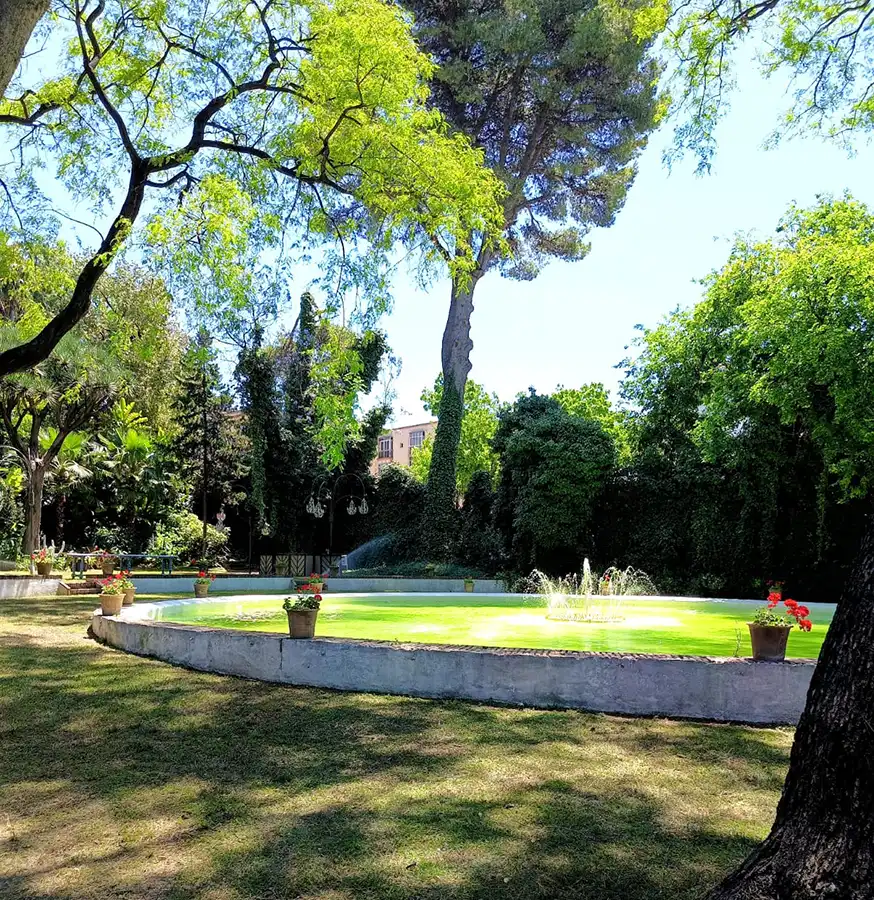
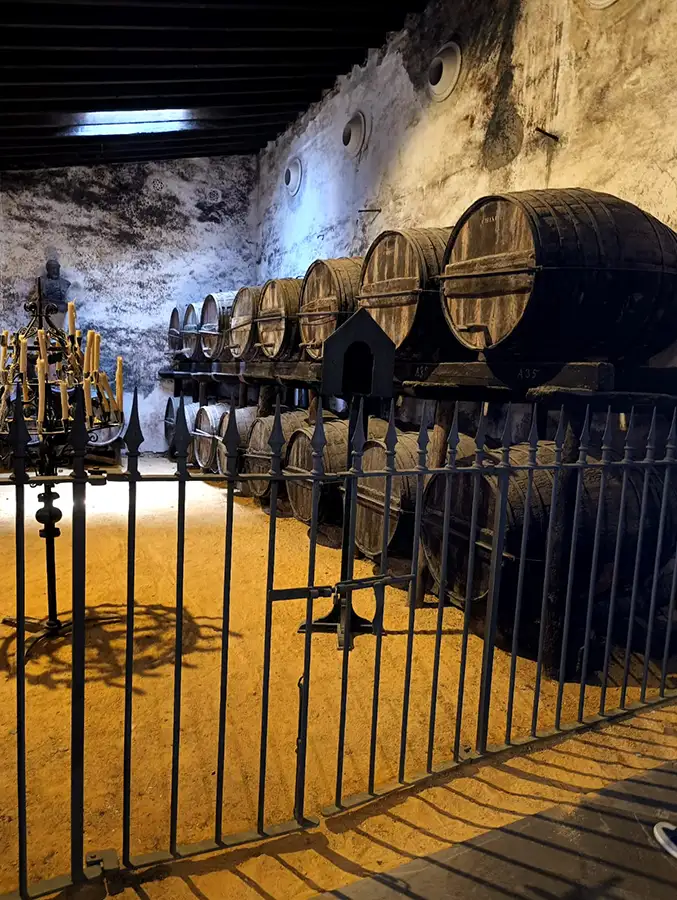
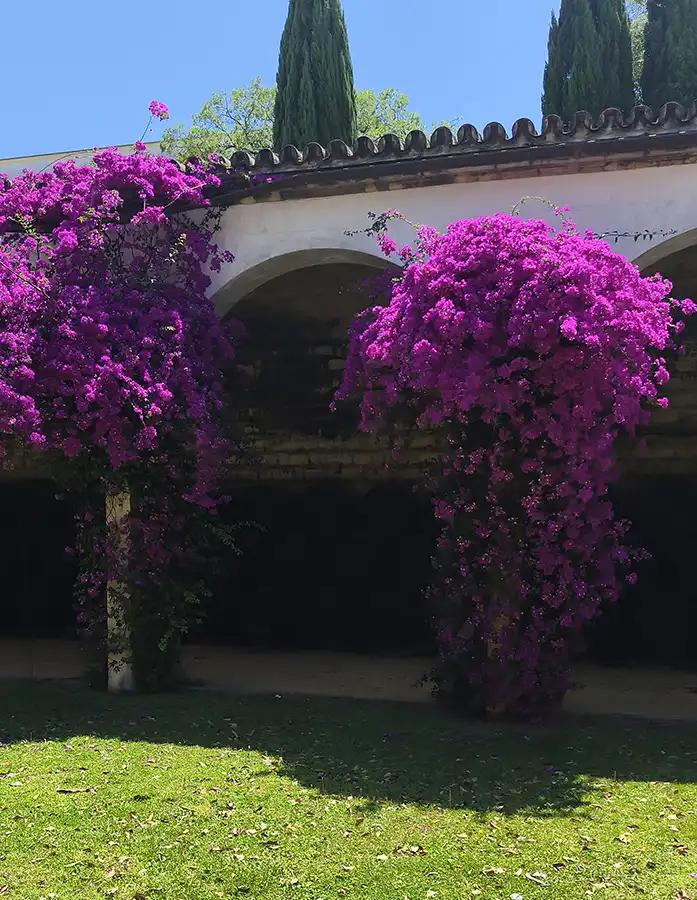
But what really impresses is the place itself. The winery is enormous, beautiful and full of photogenic corners. There's an outdoor area with palm trees and gardens, historic cellars with dramatic lighting, and barrels everywhere you look. The place has an atmosphere that blends history, elegance and that Andalusian charm that's hard to describe but easy to feel.
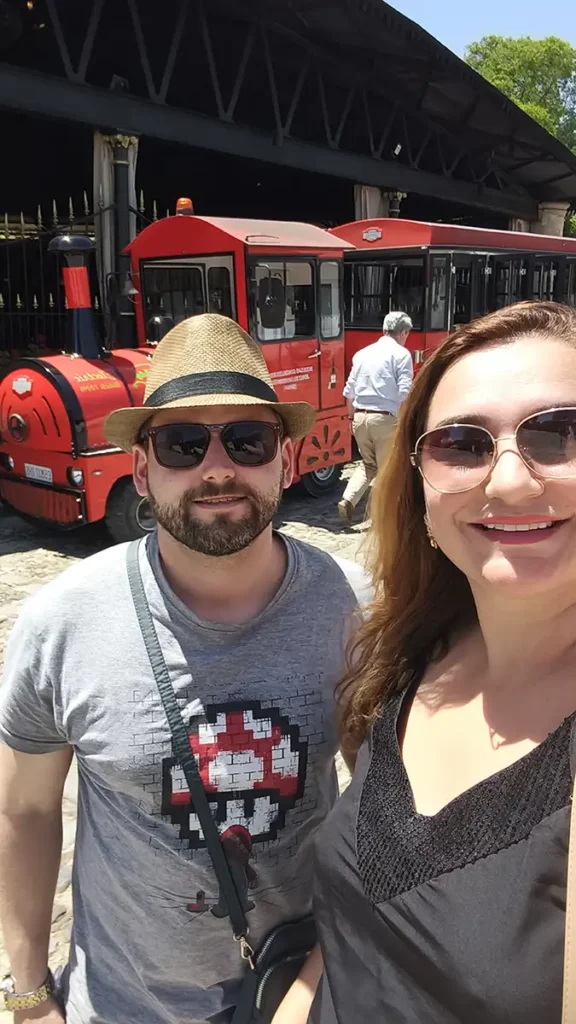
Inside the grounds, you can do part of the route on a little train that trundles through the cellars and gardens. It's charming, good fun and helps you cover the vast space without wearing yourself out. It's nothing fancy, but it has a sort of "wine theme park" feel that works really well, including for the children who occasionally turn up on the tour with their parents.
Curiosities that are worth the ticket on their own
González Byass is full of stories you wouldn't expect to find at a winery. Let me tell you a few of my favourites.
The street the city gave as a gift
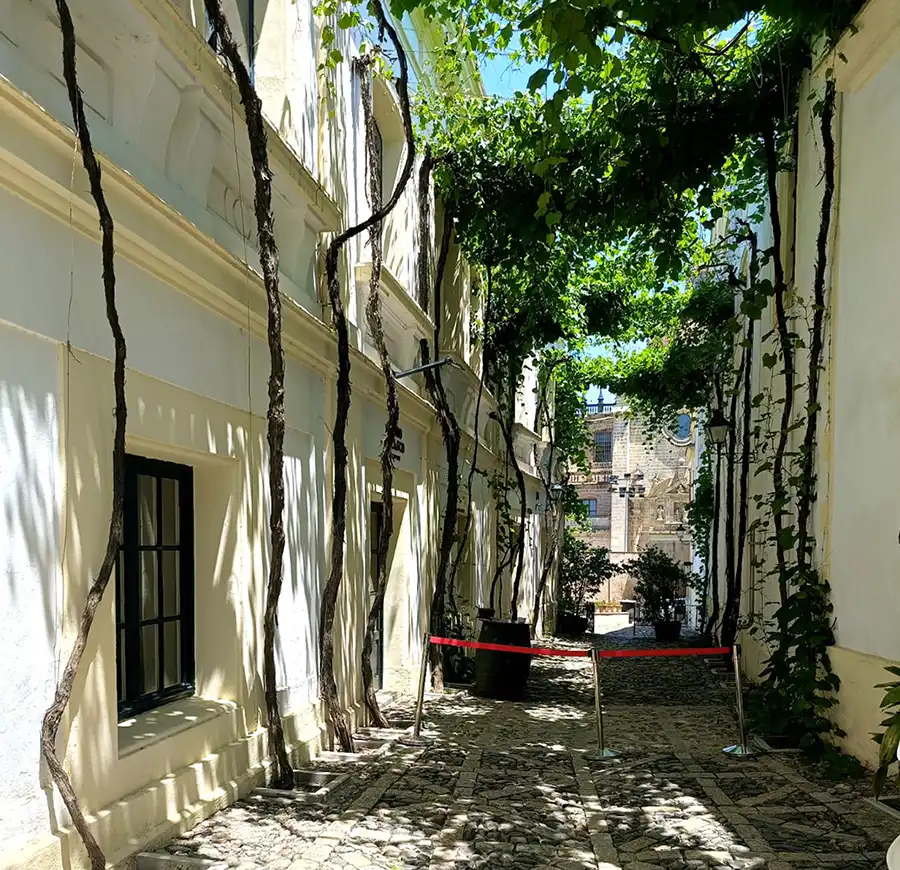
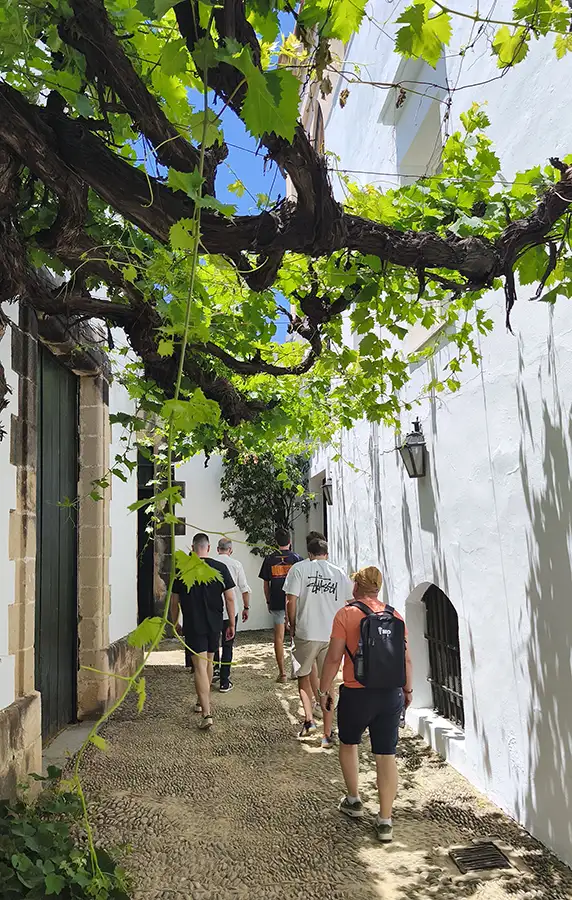
Inside the grounds there's an actual street, with its original stone paving, called the Calle de los Ciegos. It has been named one of the ten most beautiful streets in the world. And when you see it, you understand why straight away. The vines covering the roof filter the sunlight, the façade of Jerez Cathedral appears at the far end as though it had been placed there on purpose, and the air carries this faint aroma of wine and wood that soaks into everything. What few people know is that this street was (or is) public, but Jerez city council handed it over to the bodega in recognition of the jobs it created and the company's role in the city's development.
The bodega mice have their own little ladder and glasses
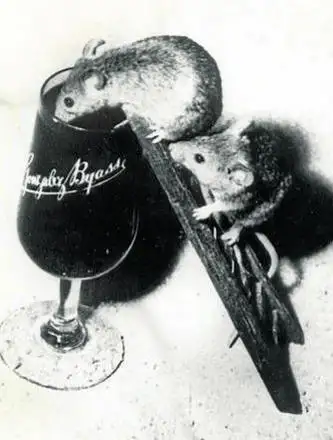
This one is every group's favourite. The story goes that, in the early days of the bodega, an employee noticed that one particular corner of the cellar always had mice scurrying about, drawn by the sweet wine kept nearby. Rather than deal with the problem the way any normal establishment would, they decided to turn it into a tradition. To this day there's a barrel with a little wooden ladder and a small crystal glass on top, so the mice can drink with dignity. The guide tells this story with a visibly rehearsed but genuinely effective delight, and the group's reaction is priceless.
The Apostles
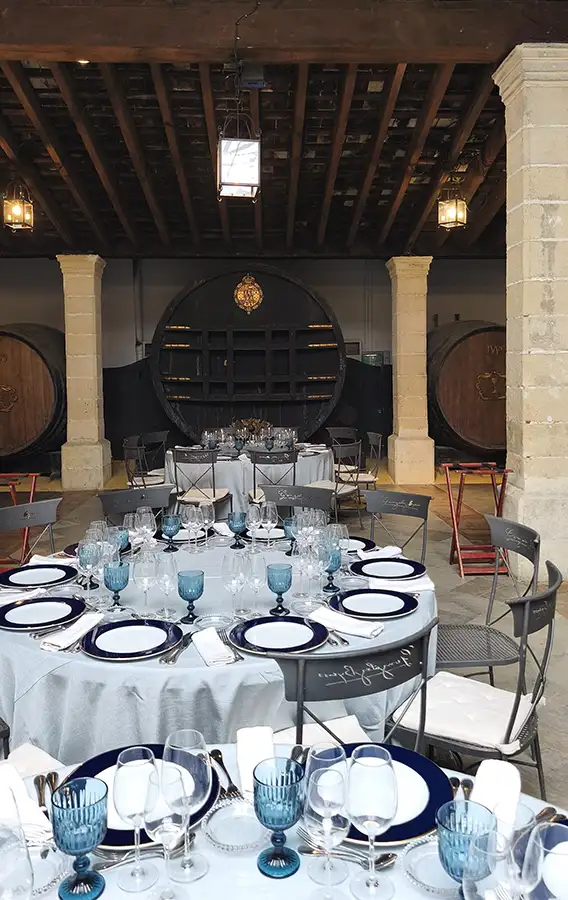
One of the most beautiful cellars is Los Apóstoles. At its centre, an enormous cask called "El Cristo", with capacity for 33 barrels in reference to the 33 years of Christ, presides over a row of smaller casks engraved with the names of the twelve apostles, arranged exactly as they appear in Leonardo da Vinci's Last Supper. With one deliberate change. Judas's name has been replaced by that of Matthias. The reasoning? No decent wine could ever come out of a Judas barrel.
A wing designed by Gustave Eiffel
Yes, that Eiffel. The Real Bodega de La Concha was built in honour of Queen Isabella II and its architecture is attributed to the French engineer who became famous a few years later for a certain tower in Paris. Today it holds more than 200 barrels of Amontillado, and it's where the train route begins. Which brings me to the next curiosity.
The curiosity I couldn't ignore
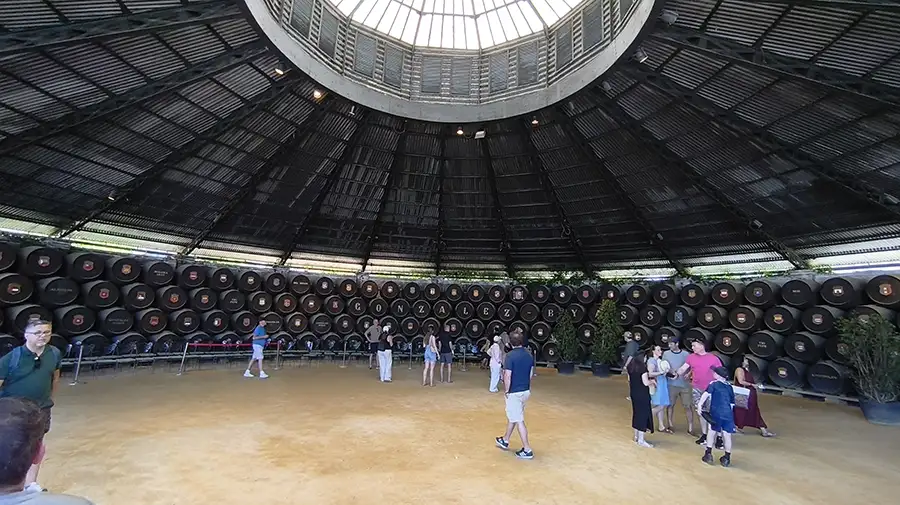
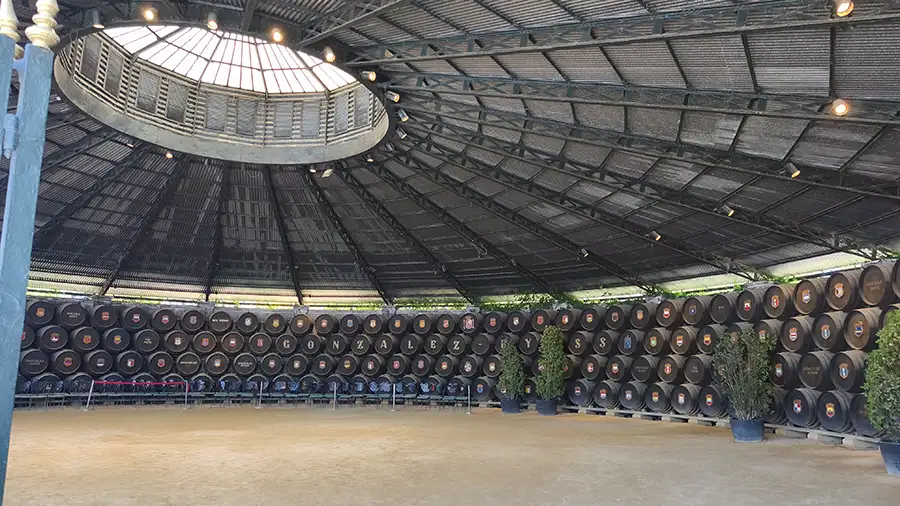
In the Real Bodega La Concha they display barrels representing the countries they export to, each one painted with that country's flag. Lovely idea, isn't it? I was really looking forward to spotting the flag of Brazil, where I'm from. And when I reached the Brazilian barrel... The flag was wrong. The kind of detail any Brazilian spots instantly, but which apparently slipped past whoever painted it (or whoever approved it). It gives you a mix of pride and the sudden urge to leave a little note.
Autographed barrels
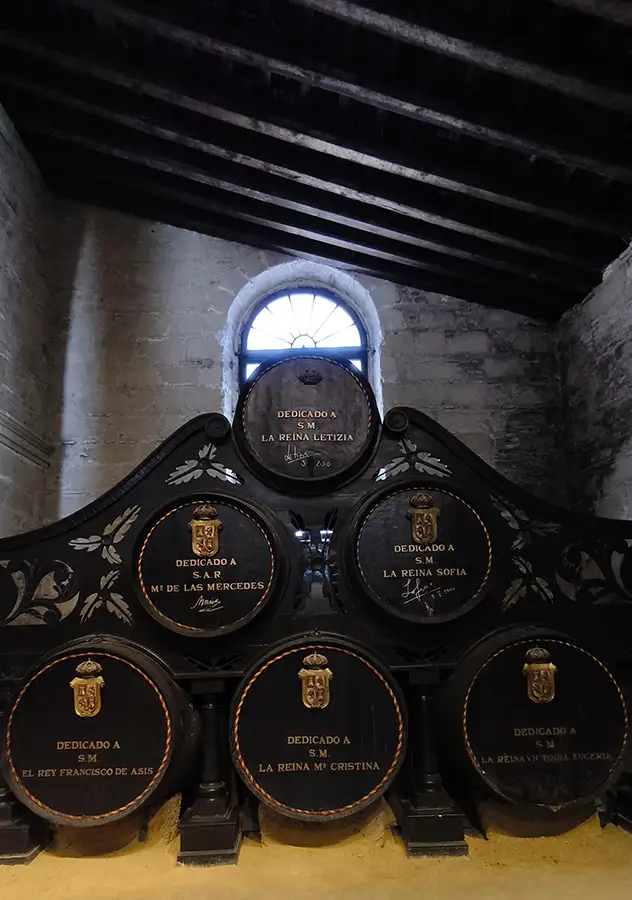
In one of the oldest parts of the bodega, in the La Constancia and Los Reyes cellars, there's what can only be described as a visitors' book in barrel form. Over almost two centuries, every notable figure who has passed through here has been invited to sign their name directly on the wood. The result is an utterly unique collection of names spanning the arts, sport, politics, royalty and world cinema.
Picasso scribbled on a barrel here. Orson Welles signed his. Steven Spielberg visited in 1987 and left his mark. Lola Flores, Di Stéfano, Fernando Alonso, Paco de Lucía, Arturo Pérez-Reverte, the list goes on for hours. The Los Reyes cellar has a whole wing reserved for Spanish royalty, with signatures from six generations of the Bourbon family.
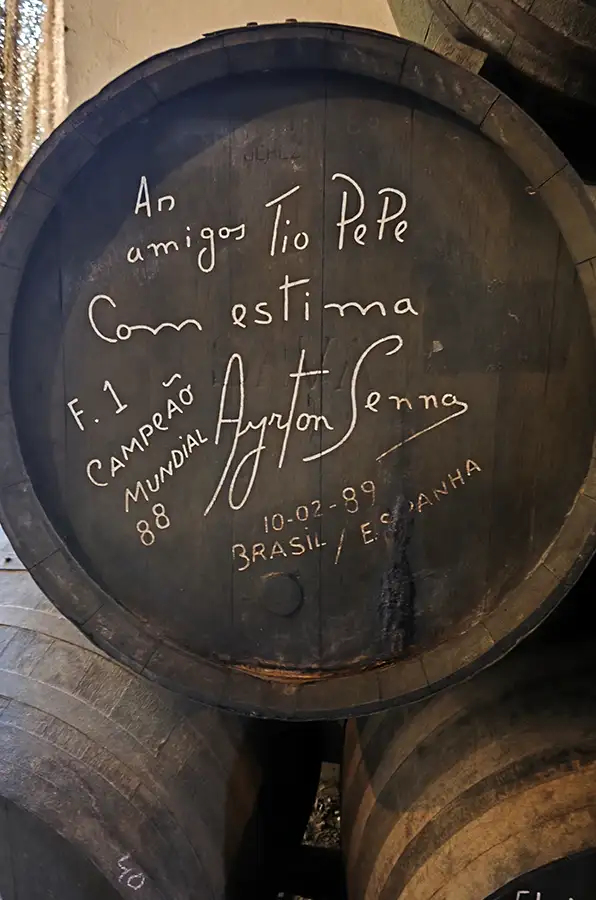
And are there any Brazilians? There certainly are, and big names too. The Ayrton Senna barrel is one of the most sought-out and photographed on the entire visit. Seeing Senna's name carved into an oak barrel in the south of Spain is one of those unexpected moments no travel itinerary can ever quite prepare you for.
The tasting
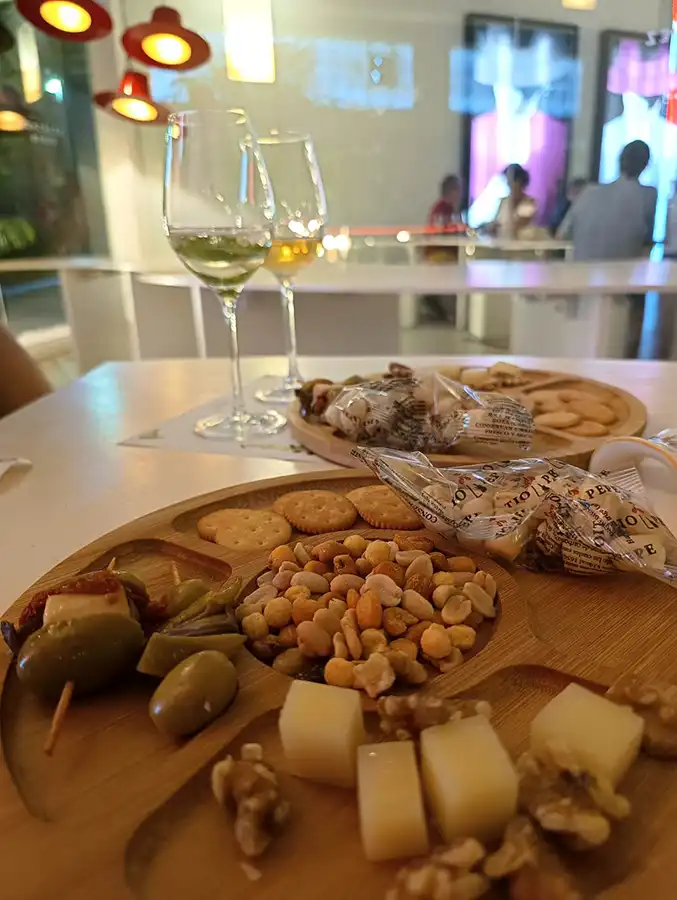
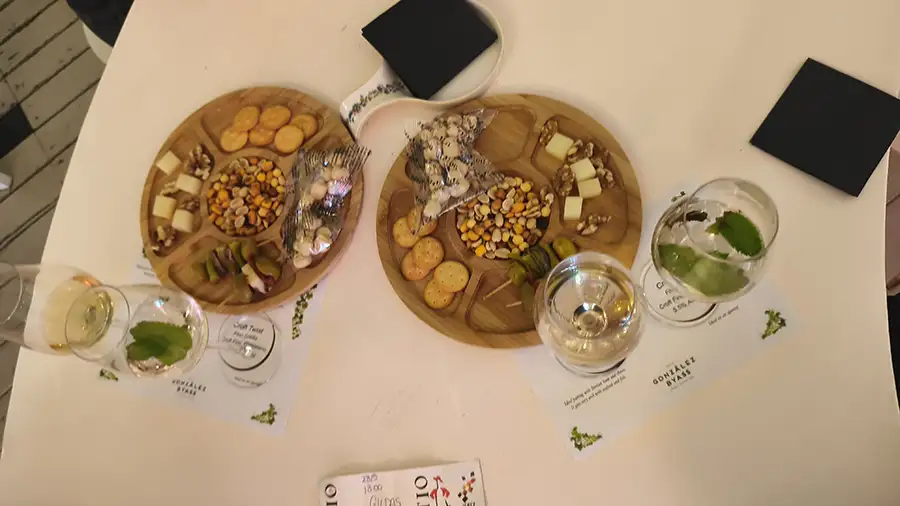
At the end comes the moment everyone's been waiting for, the wine tasting. Depending on the type of tour you choose, you'll try between three and five different labels, from a very dry fino to a fuller-bodied amontillado, taking in the sweeter styles along the way. Everything is served with a good presentation and an explanation of each style.
My advice? Pay for the upgrade with nibbles. Seriously. Having the wine alongside cheeses, ham and Spanish snacks completely changes the experience. You start to understand in practice why sherry was made to pair with food, and you leave the tasting far happier than if you'd been drinking on an empty stomach. Worth every extra euro.
Getting there and where to park
The bodega sits right in the historic centre of Jerez de la Frontera, at Calle Manuel María González, 12. It's easy to reach on foot from most of the city's hotels. If you're coming from Seville, the train is the best option, the journey takes around an hour, and from Jerez station it's just a 12-minute walk to the winery. If you're driving, the centre is all paid parking, but there's a trick.
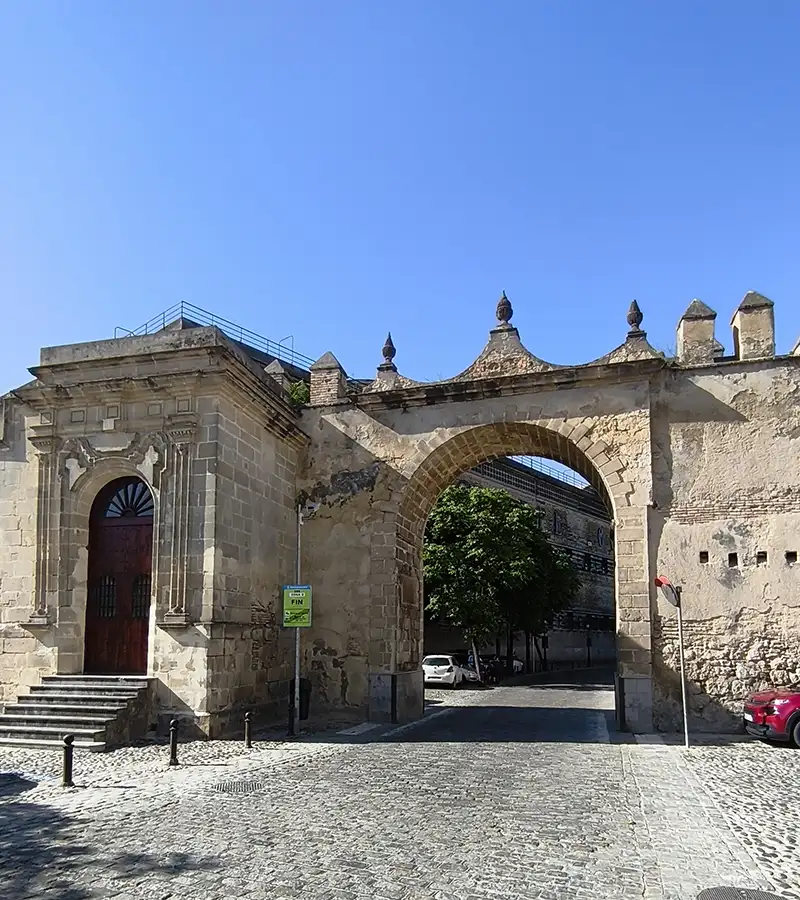
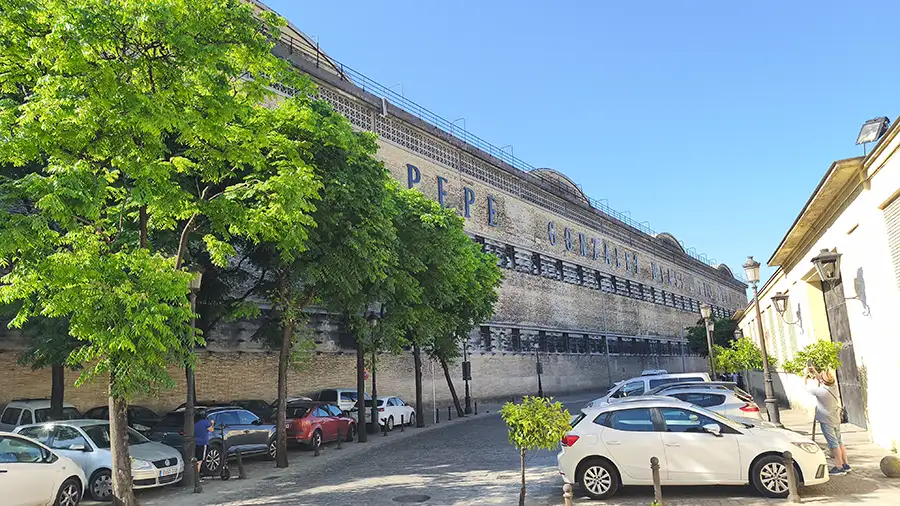
Just behind the winery, once you've gone past the cathedral and the Arco de la Muralla del Arroyo, voilà, there's a great free parking area. Plenty of people stop before the arch and pay for the green zone. We did exactly that ourselves, but luckily, before paying, I decided to walk up to the arch, and there it was waiting for us.
Opening times
Tours run Monday to Saturday, with departures at midday, 1pm, 2pm and 5pm (summer schedule, from June to October).
On Sundays, only until 2pm.
Times can change, so it's worth checking the official website before you go.
Tour options and prices
The basic experience (the Tío Pepe Experience) costs 25,50 €, and lasts roughly an hour and a half. It's available in Spanish, English and German. But there are more options.
Tasting & Pairing Tour
A guided tour of the bodega highlights with a tasting of five wines paired with five tapas.
Technical Tasting Tour
A guided tour with a technical tasting of 5 different types of sherry and brandies. Great if you want to go deeper into the world of wine.
Deluxe Tour
The VIP experience, with the option of a tasting with Andalusian tapas or a paired lunch in a private area.
Super Deluxe Tour
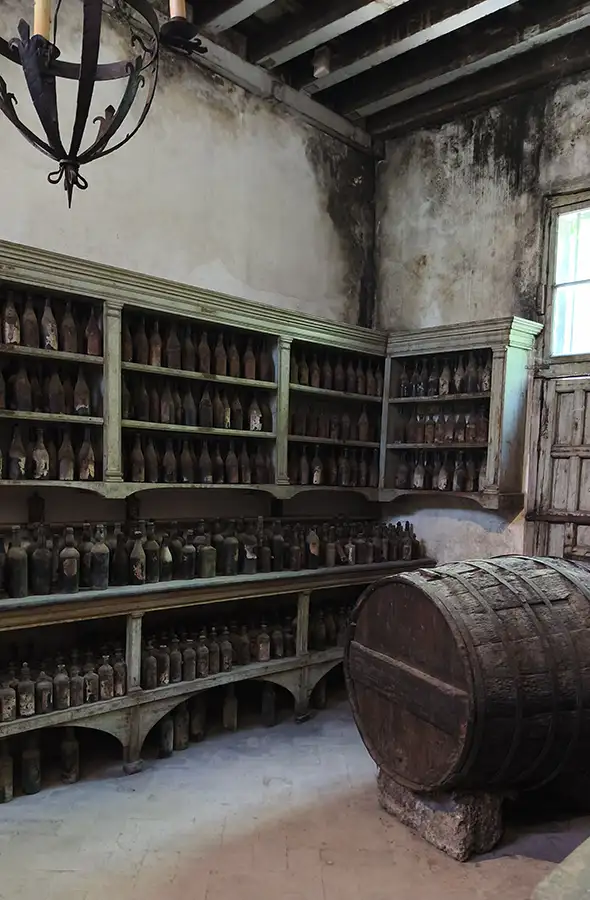
The very top level. It starts with a morning visit to the Viña Canariera vineyard with breakfast, includes exploring the bodega's most secret corners, exclusive access to the world's largest sherry collection with bottles from the 19th century, and finishes with a paired lunch.
Children under 4 don't pay for entry, and those between 4 and 17 get 50% off. The tours are accessible for people with reduced mobility.
Booking
I'd recommend booking in advance, especially in summer. The tours fill up fast. You can book directly through the official website, by email at reservas@gonzalezbyass.es, or by phone on +34 956 357 016.
Cancellation is free up to 24 hours before the tour. You can also buy through third-party platforms, but the official website tends to have more time slots available.
Is it worth it?
Absolutely! The tour is well organised, the setting is beautiful, the history is interesting and the tasting is a treat. If you're in Jerez, or planning to pass through on the way to Cádiz, set aside that half-afternoon without a second thought.
Just don't forget to check out the Brazilian barrel and let me know whether they've fixed the flag.
More photos
Frequently asked questions
The basic experience costs 25,50 €. Visitors under four go free, and young people between four and seventeen get half-price entry.
There's a free parking area just behind the winery. To find it, simply head past the cathedral and the Arco de la Muralla del Arroyo.
In summer, departures run Monday to Saturday at midday, 1pm, 2pm and 5pm. On Sundays, visits only run until 2pm.