There are stories you learn at school and forget the moment the exam is over. And there are others that, when you find yourself physically in the place where they happened, suddenly make complete sense. That is exactly what happened to me at the Treaty of Tordesillas museum.
I had no memory of Tordesillas and had not even looked it up on a map. But while searching for somewhere different, not too far from Madrid, the town came up as an option. The decision was made and I would go to Tordesillas, a town that that every Brazilian, Portuguese, Spanish and Latin American learns about in school. I arrived with low expectations and left sending messages to my old history teachers, struck by how much a single room can make centuries-old events feel completely real.
It is not that history is not important, it is absurdly important. It is just that nobody ever told it properly. Two European countries sat down at a small table in Castilla y León and calmly divided up a continent that most people did not even know existed. A continent that, it should be said, was already full of people who were not consulted at any point during that conversation. But never mind... those were different times.
The building where the Treaty of Tordesillas was signed
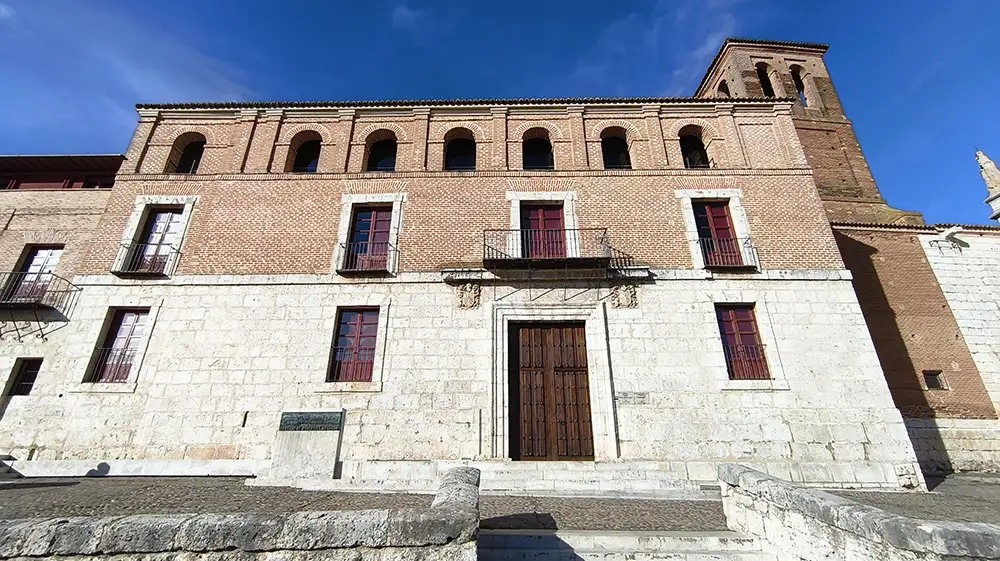
Before talking about the museum, I need to talk about the building. Because this is not a museum built to tell a story. It is the story, held inside the original walls.
The Casas del Tratado are two palaces joined together, one from the 15th century and one from the 17th, built in stone and brick, with wrought iron balconies, and listed as a Cultural Heritage Site. They stand on a high point in the town, overlooking the River Duero, right beside the Church of San Antolín.
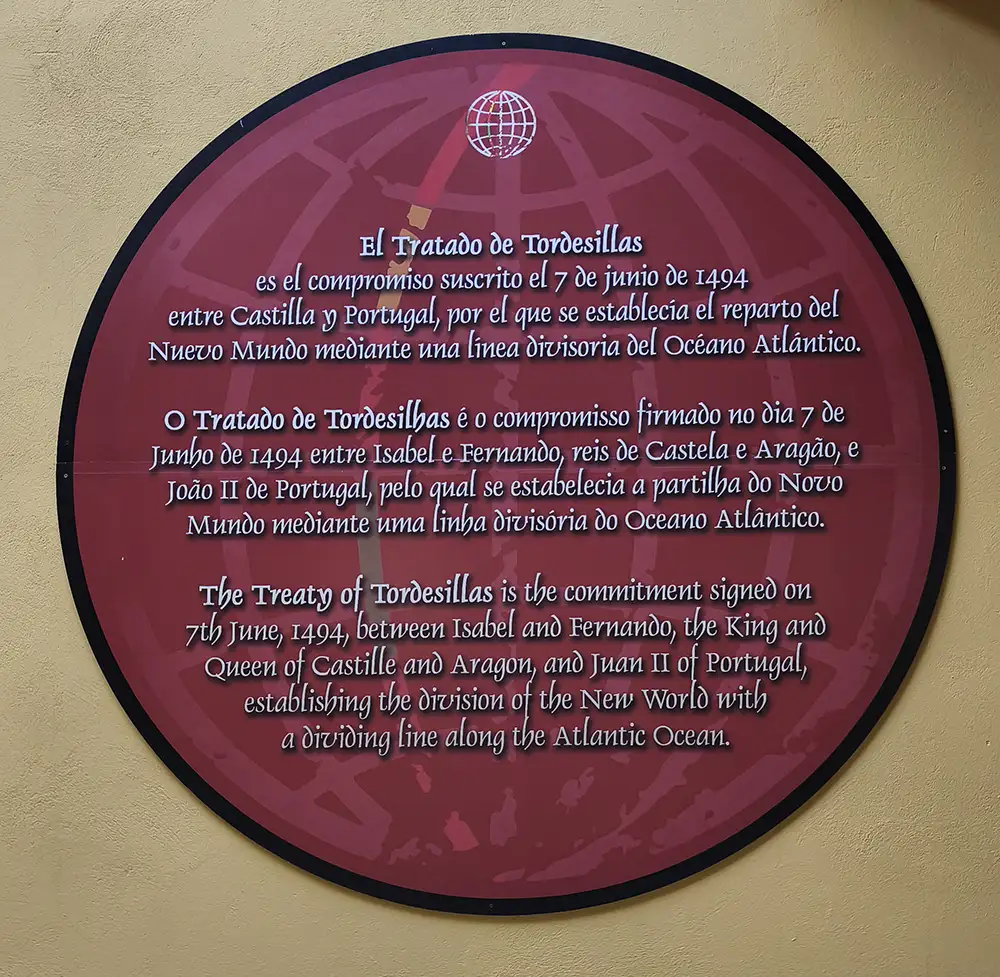
It was in the older of the two palaces that the Treaty of Tordesillas was signed, in June 1494. On the façade you can see the coat of arms of the Catholic Monarchs, alongside that of the building's owners at the time, Alonso González de Tordesillas and his wife Leonor de Ulloa. You stand there and think: it was here. Not in a reconstruction. Not in a scale model. Here, between these walls, Spain and Portugal sat down and decided who would get which piece of the world.
Today, the Casas del Tratado also house the Casa de Cultura, a temporary exhibition room, the public library and the town's tourist office.
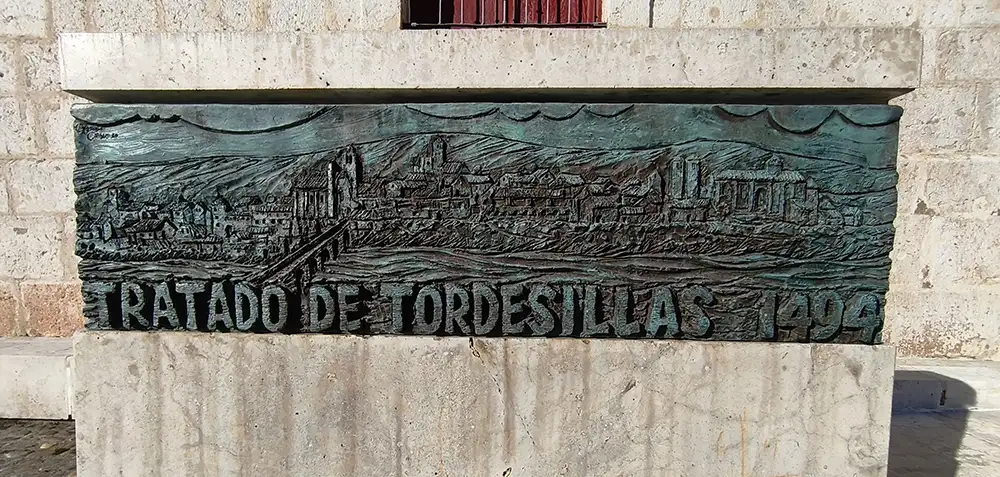
What to see inside the Treaty of Tordesillas museum
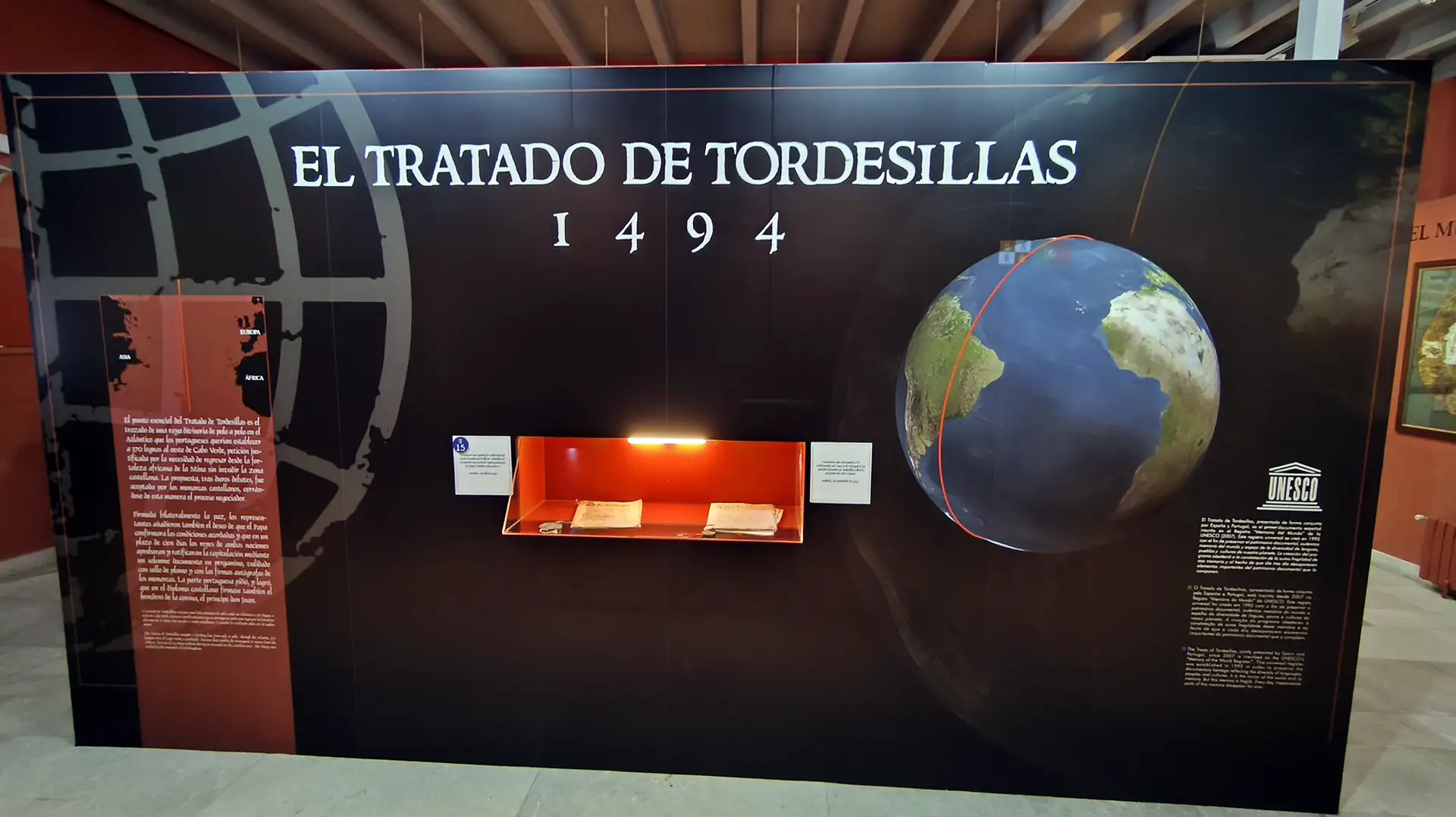
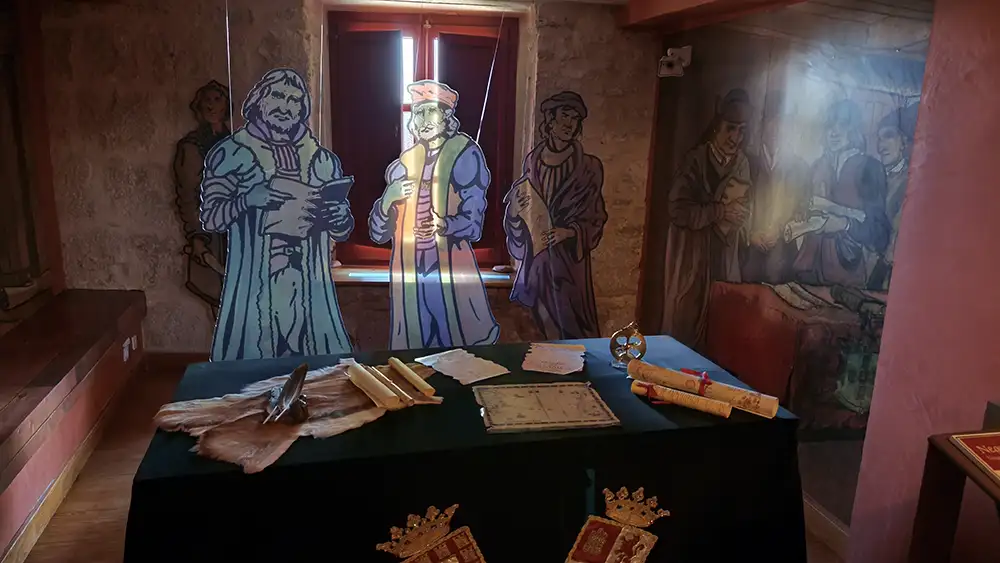
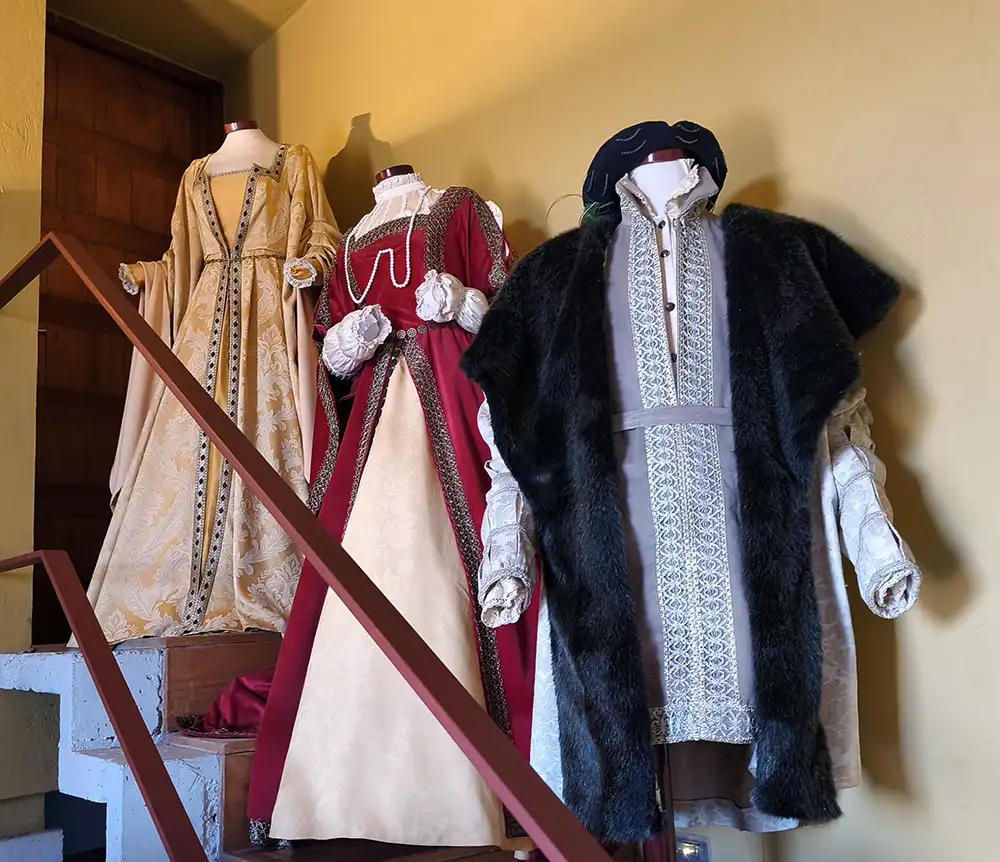
The visit is structured across different thematic spaces with integrated multimedia: audiovisuals, interactive information points translated into several languages, and audio guides. It is considerably more modern than the building leads you to expect.
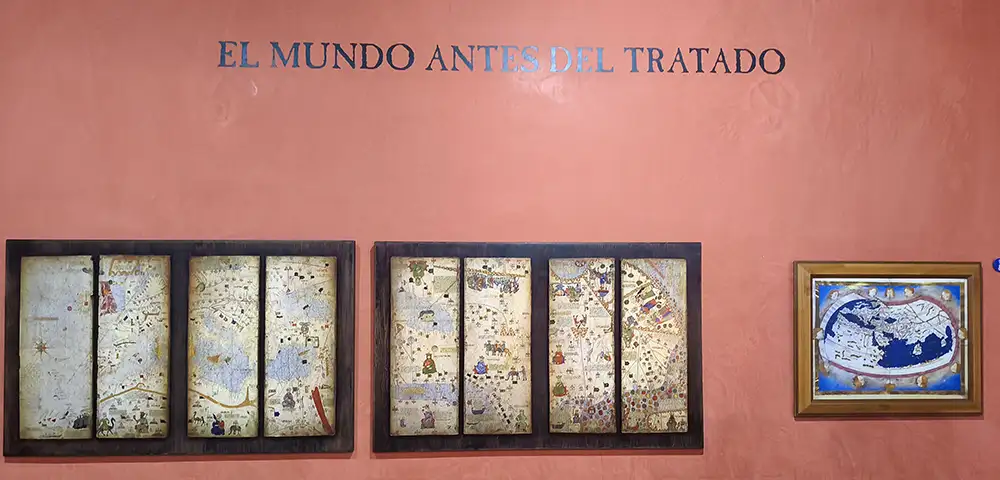
The world before the Treaty
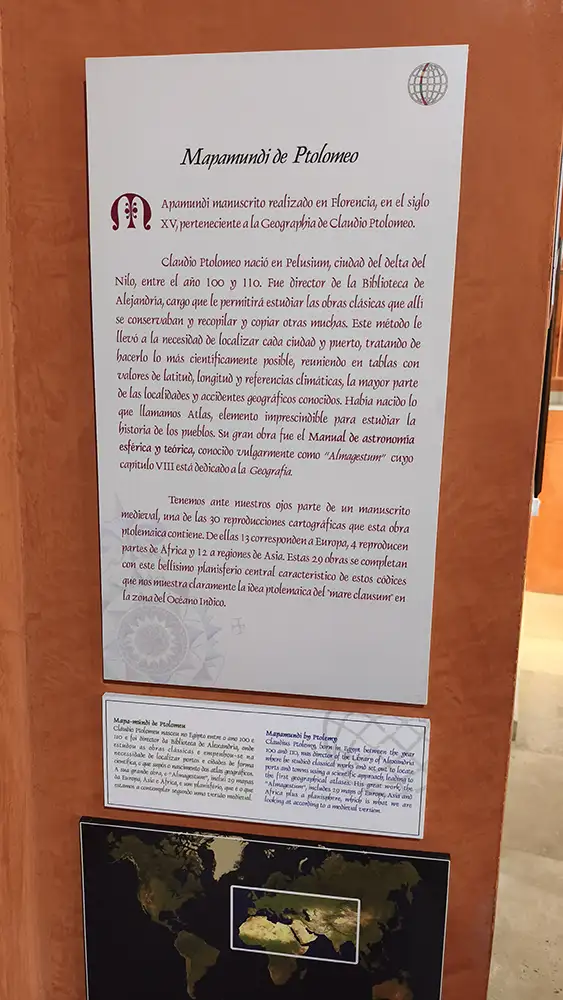
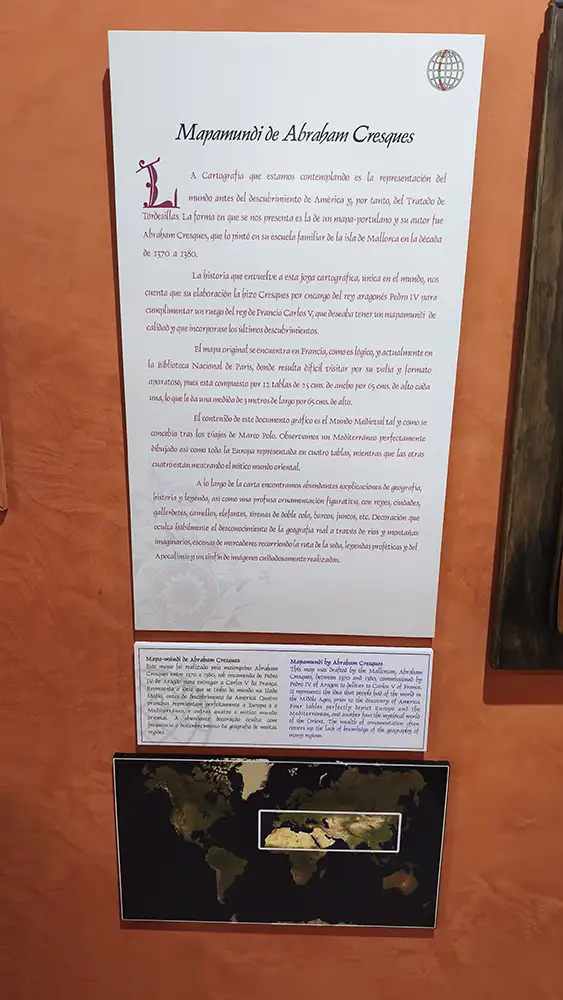
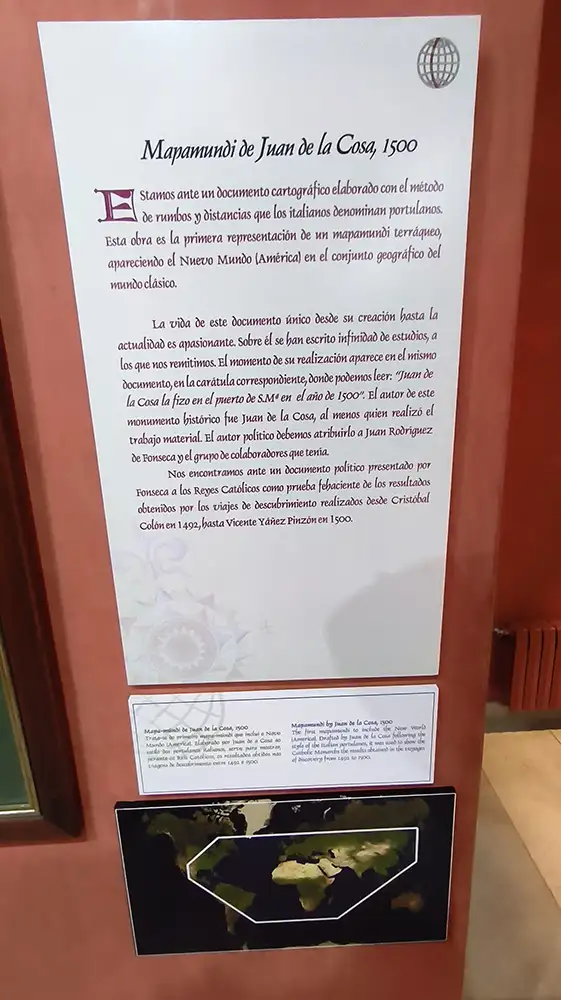
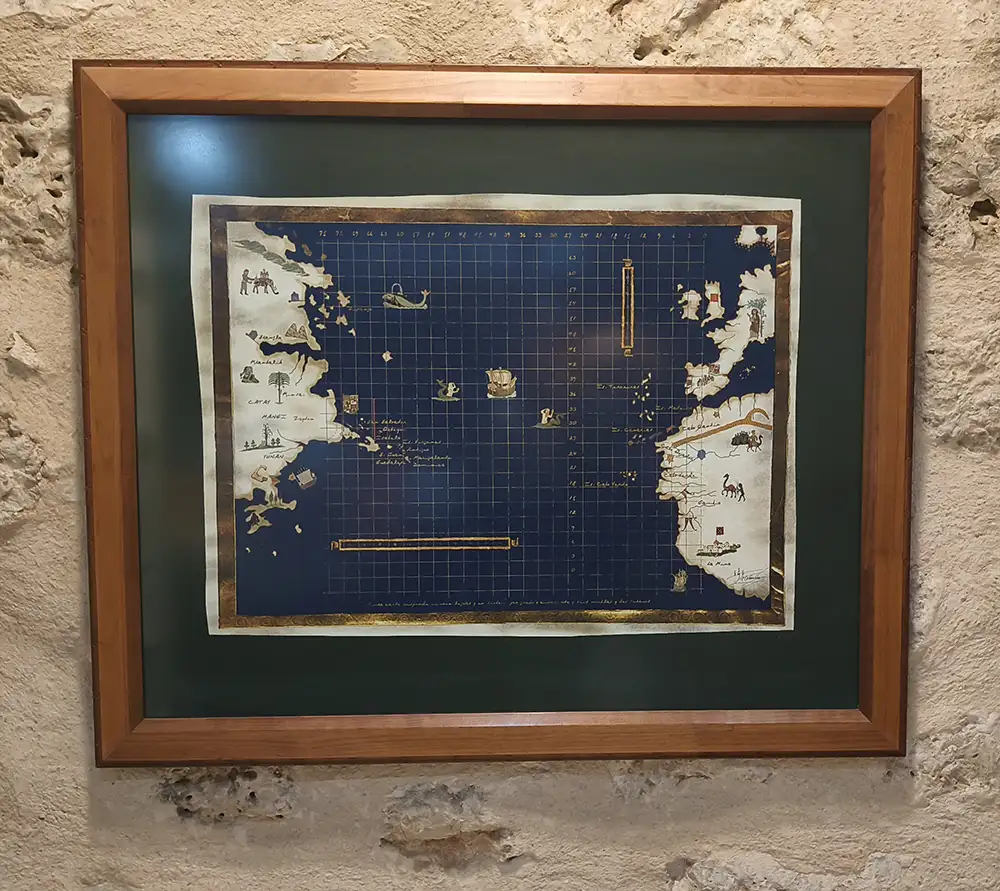
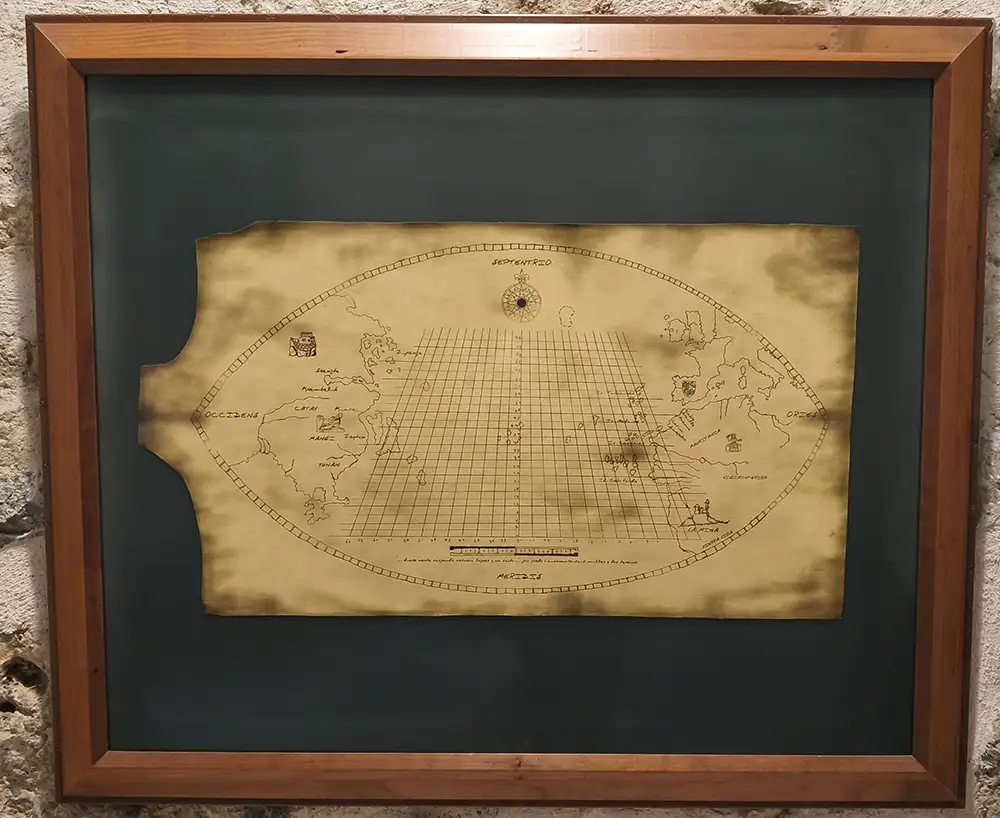
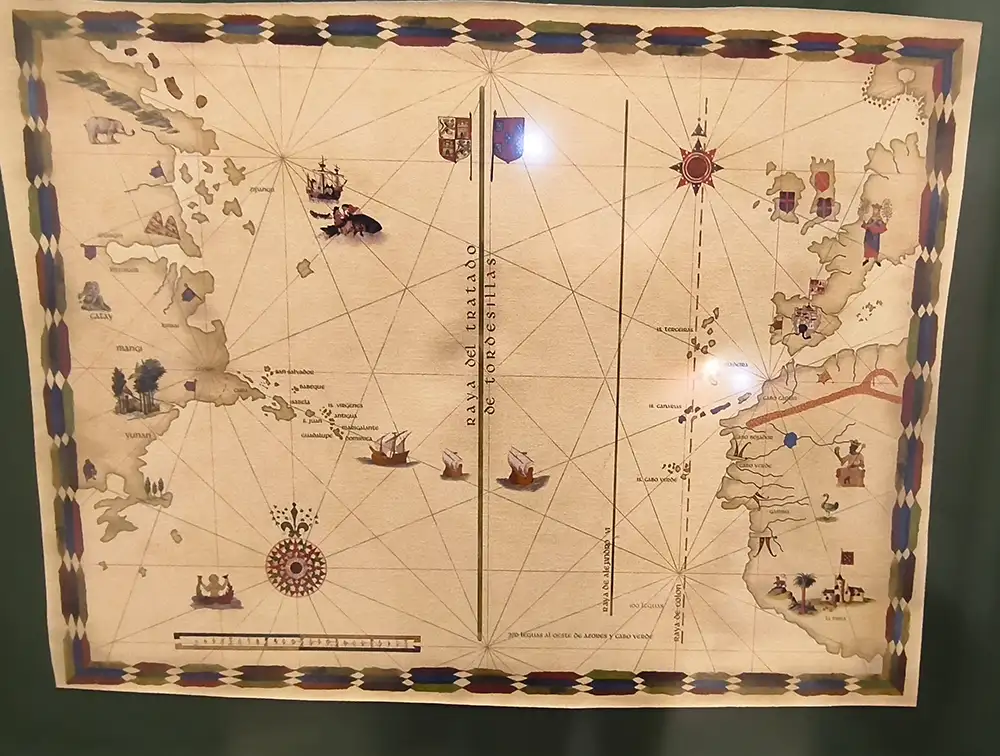
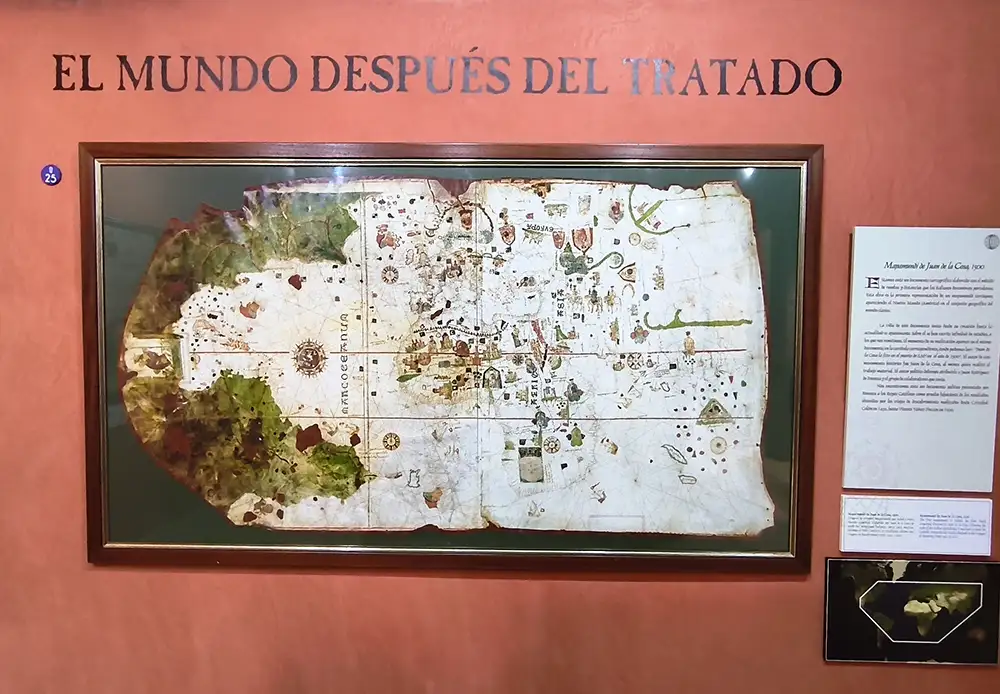
The first part of the exhibition shows what cartographic knowledge looked like at the time. You see the maps people had of the world before Columbus reached the Americas. Skewed maps, full of assumptions, with blank sections that cartographers of the era essentially guessed at. You can understand how Columbus convinced himself he would reach India by heading west. It was a plan built on wrong information. And it worked in a way nobody anticipated, including him.
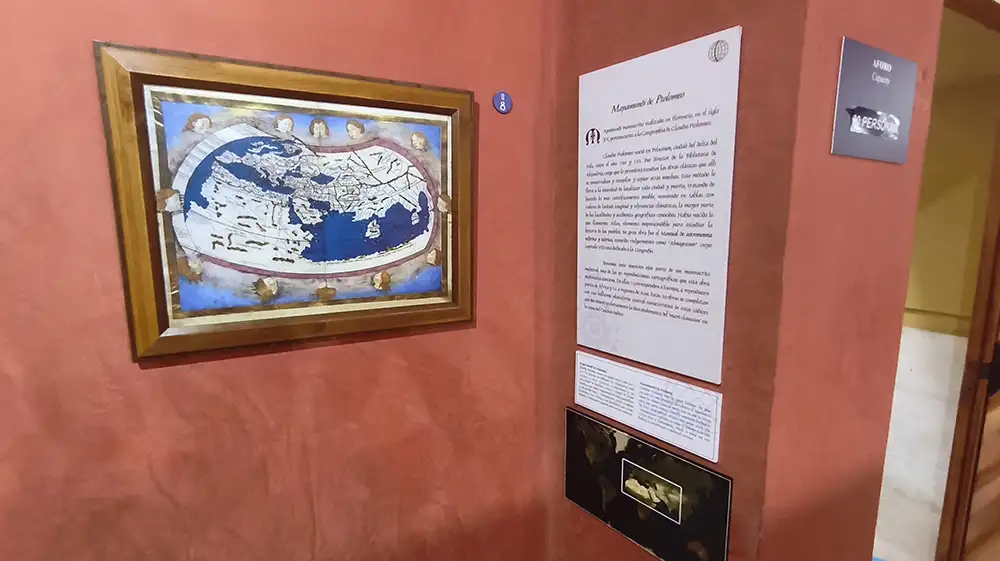
The world of the Treaty
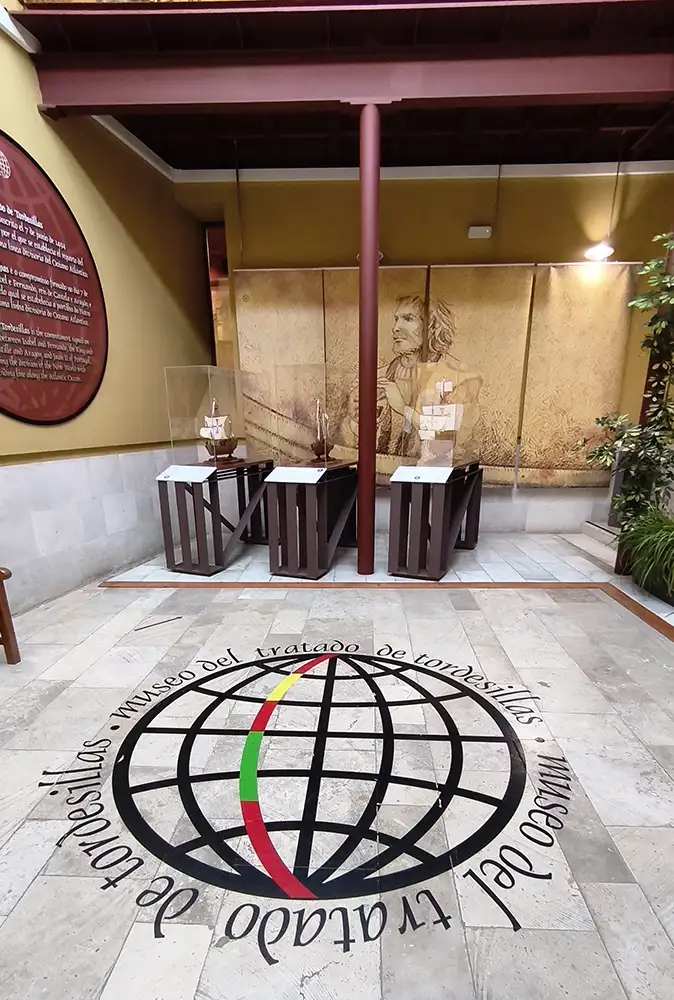
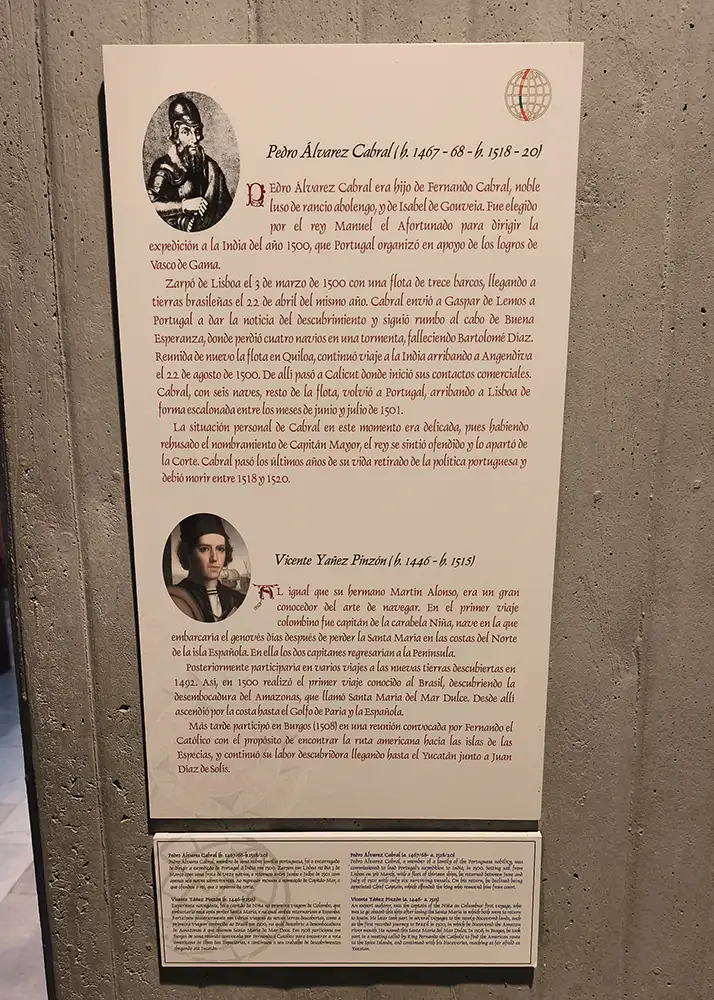
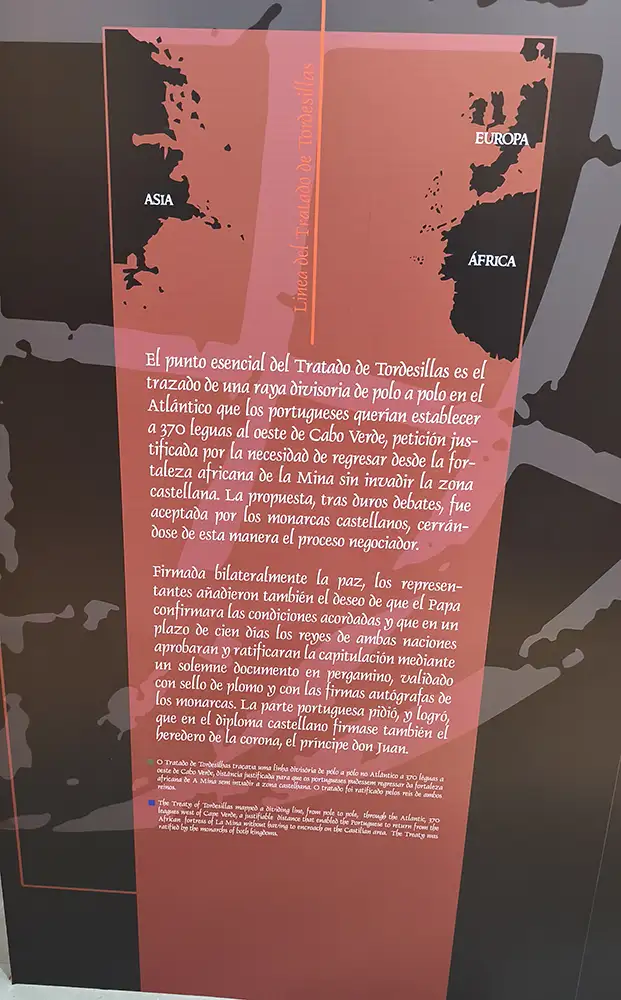
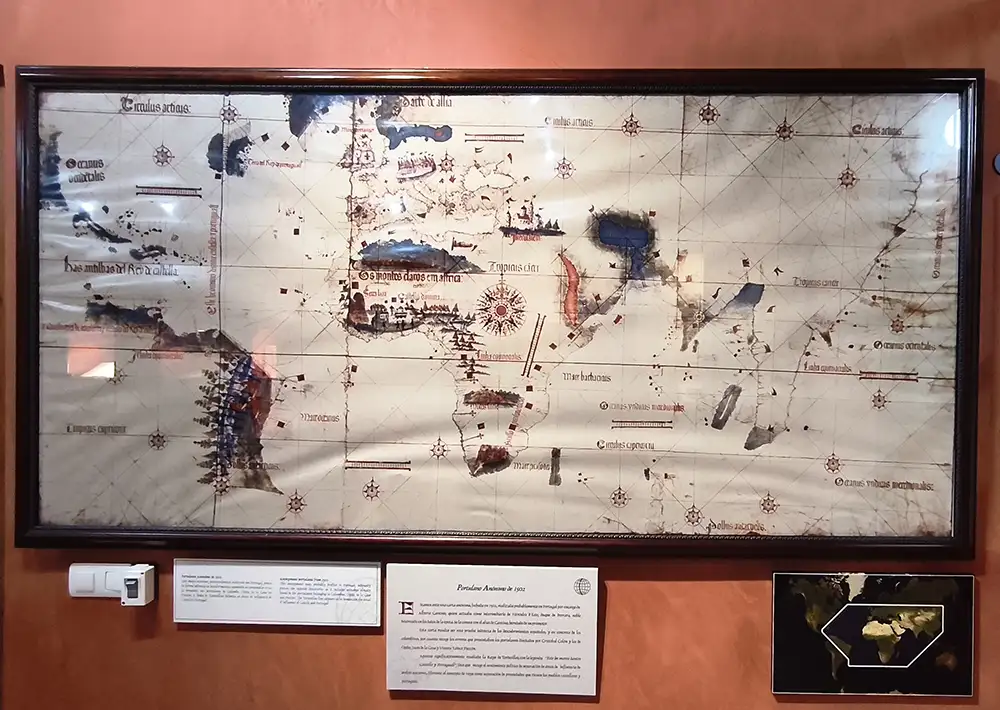
This is where the diplomatic backstory comes in. The agreements and their evolution are reflected in the maps, showing the tensions between Spain and Portugal and the negotiations that followed. There is something striking about watching the maps change over time as the discoveries unfolded. Throughout the exhibition you will find a replica of the ships Columbus captained, books and period navigation instruments, and a copy of the original Treaty of Tordesillas document.
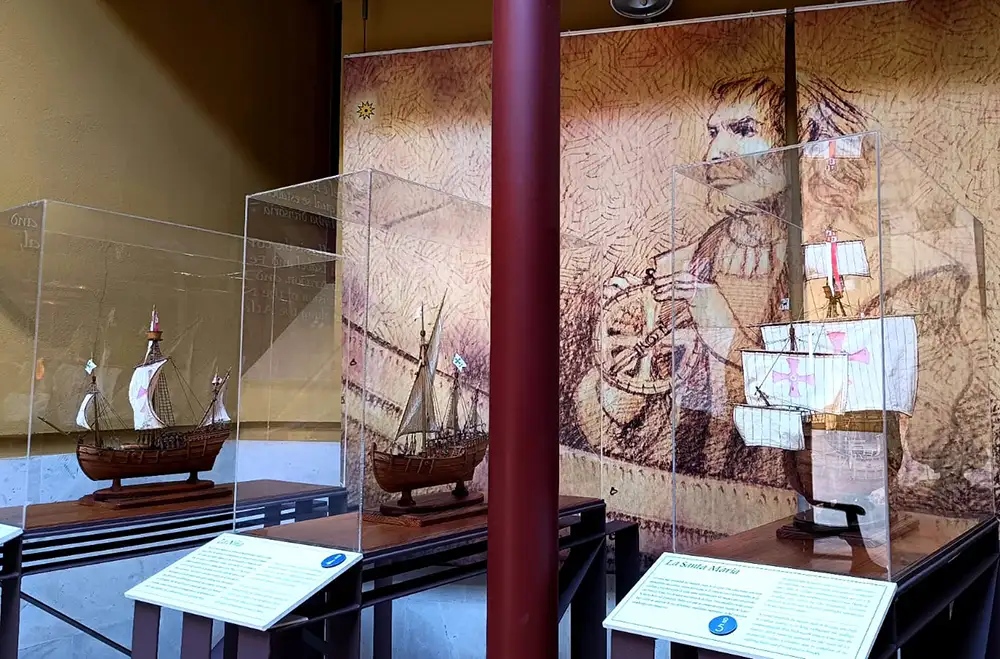
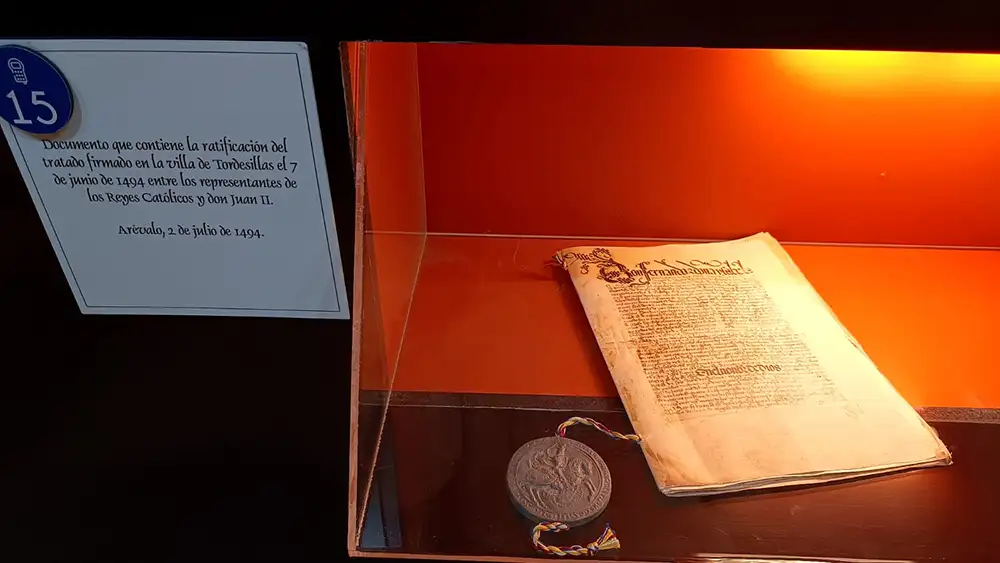
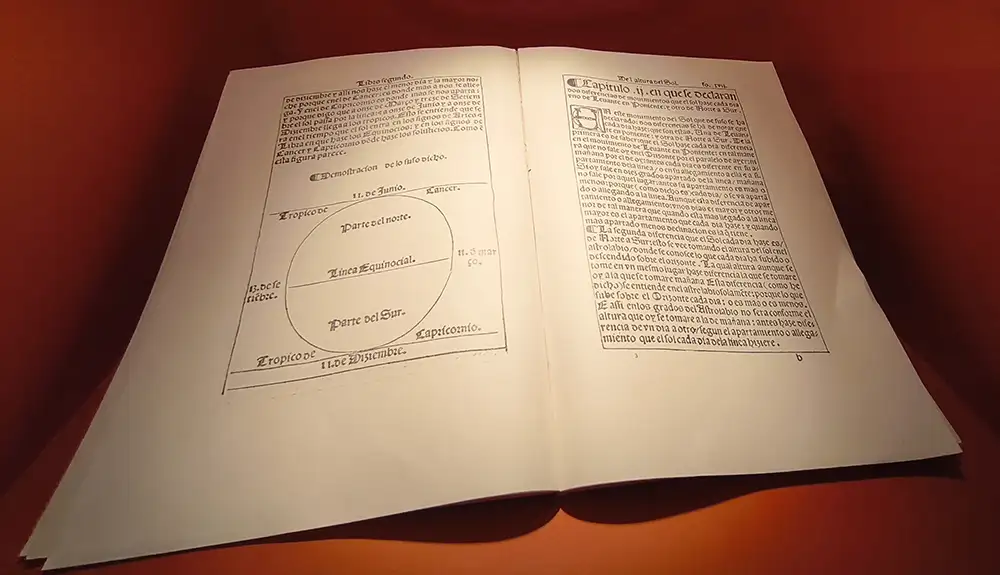
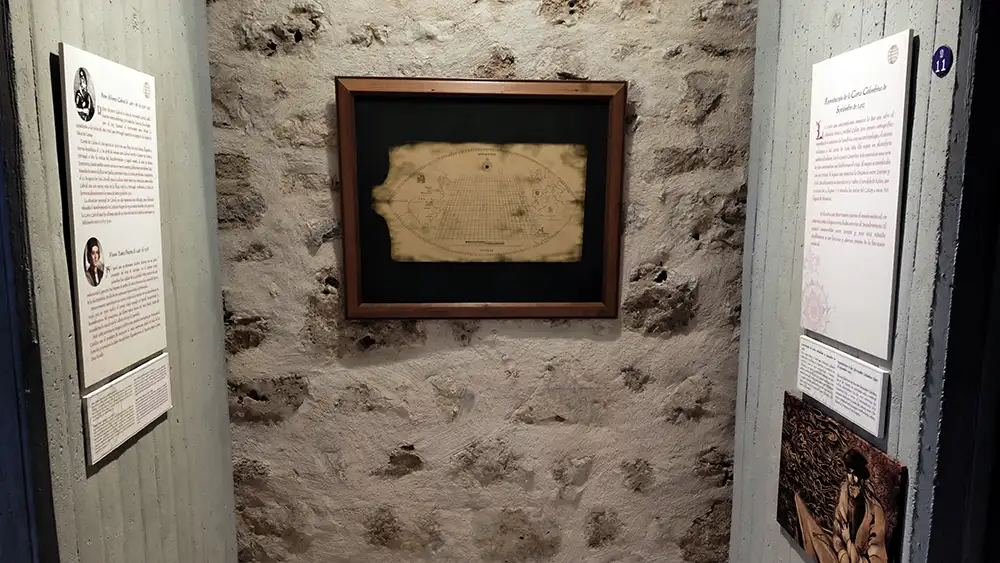
The world after the Treaty
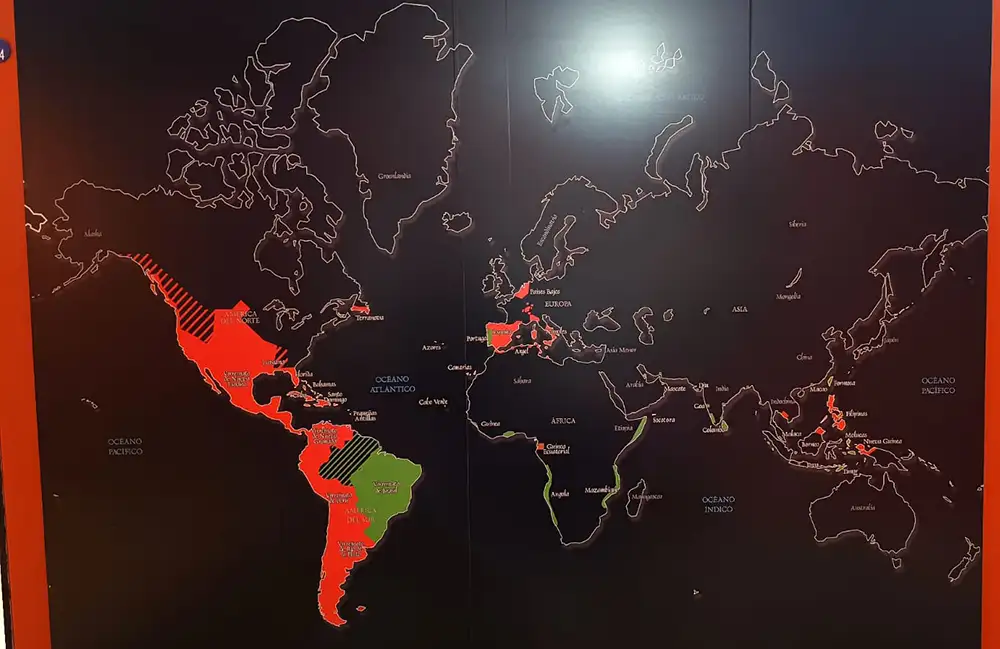
Here you see the changes that took place once it became clear that the lands Columbus had found were entirely unknown and that there was a whole continent yet to be explored. This is the moment when you grasp the scale of the original miscalculation and the weight of its consequences.
The bonus: the Castilla y León scale model exhibition, also free
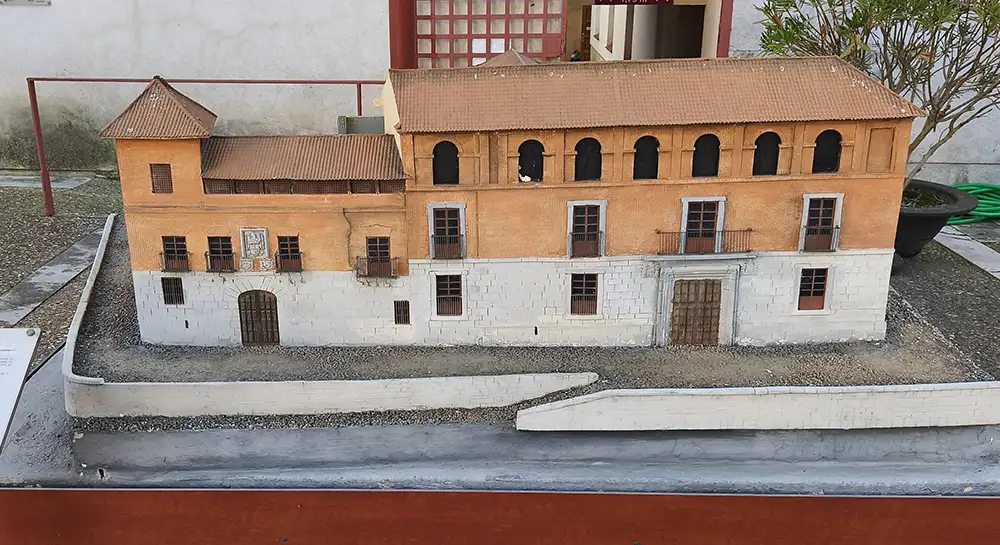
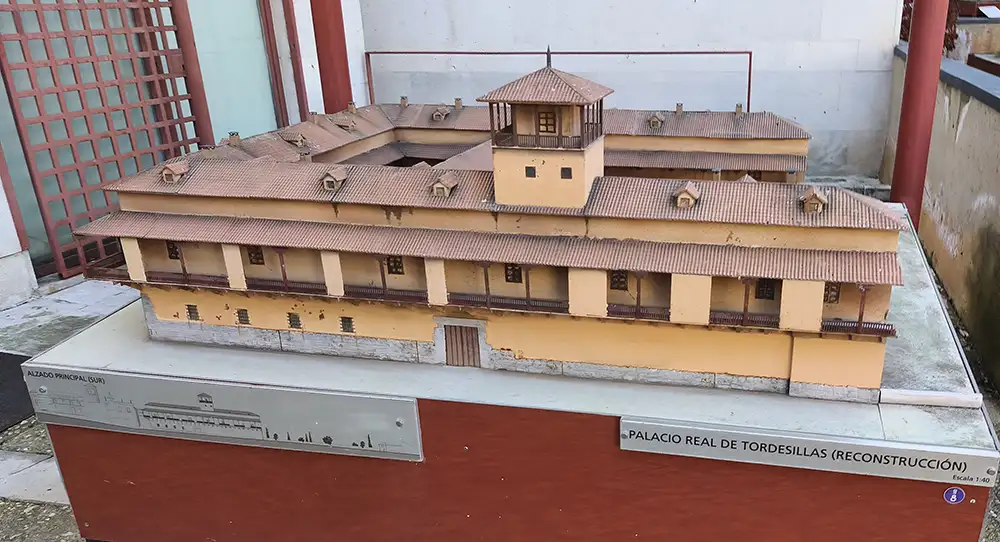
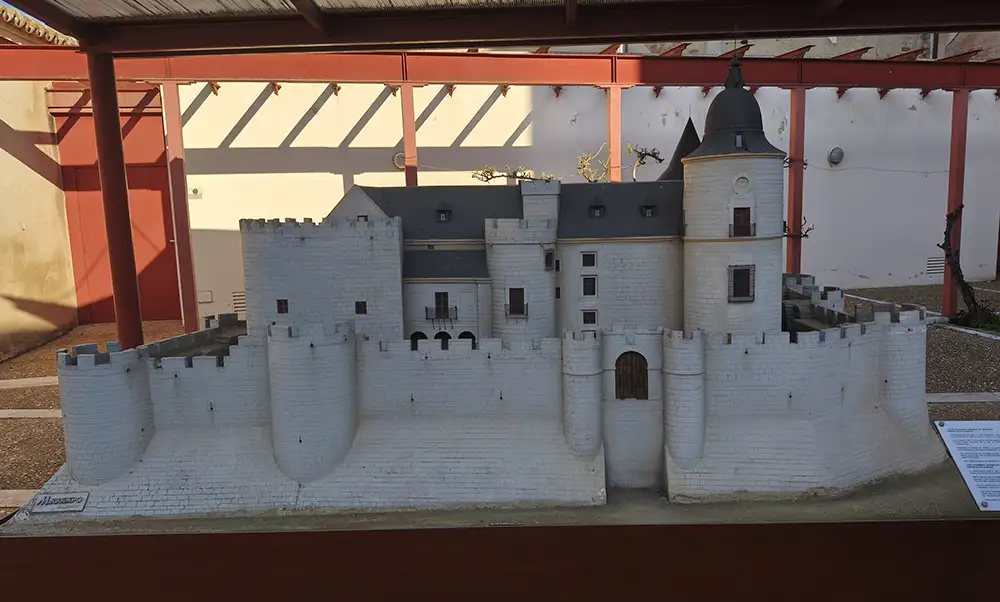
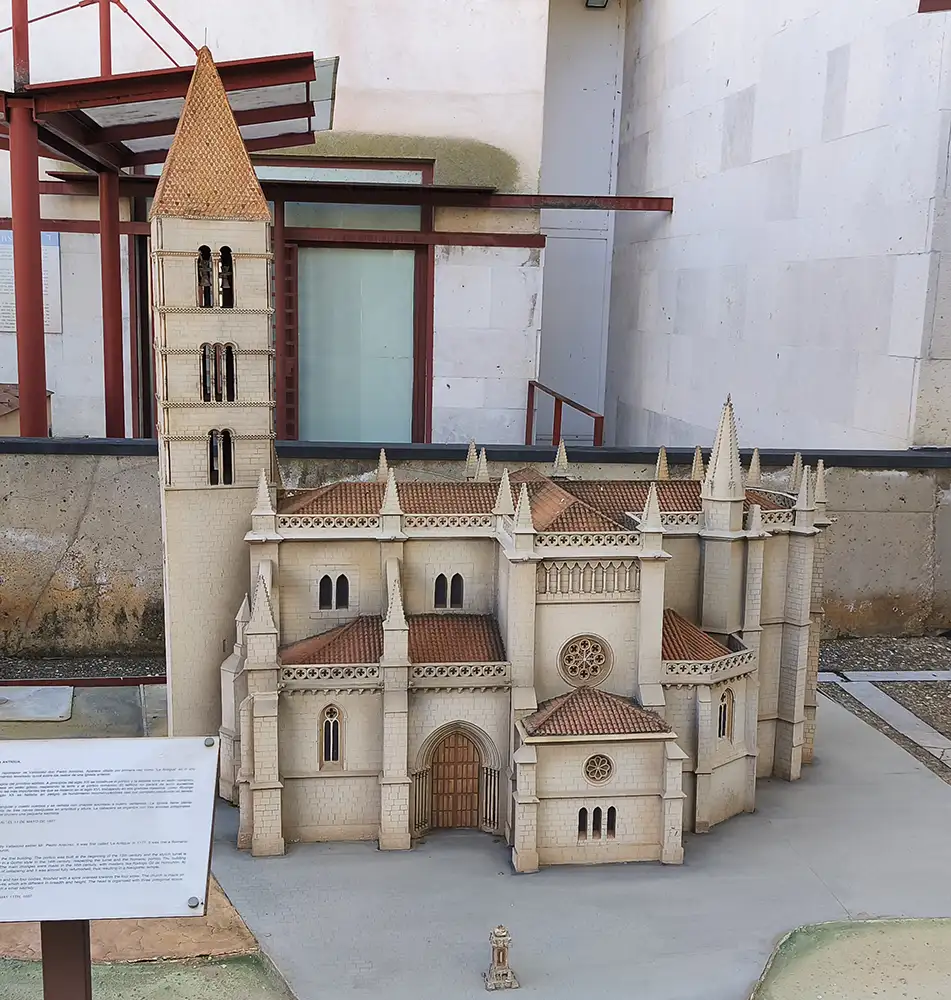
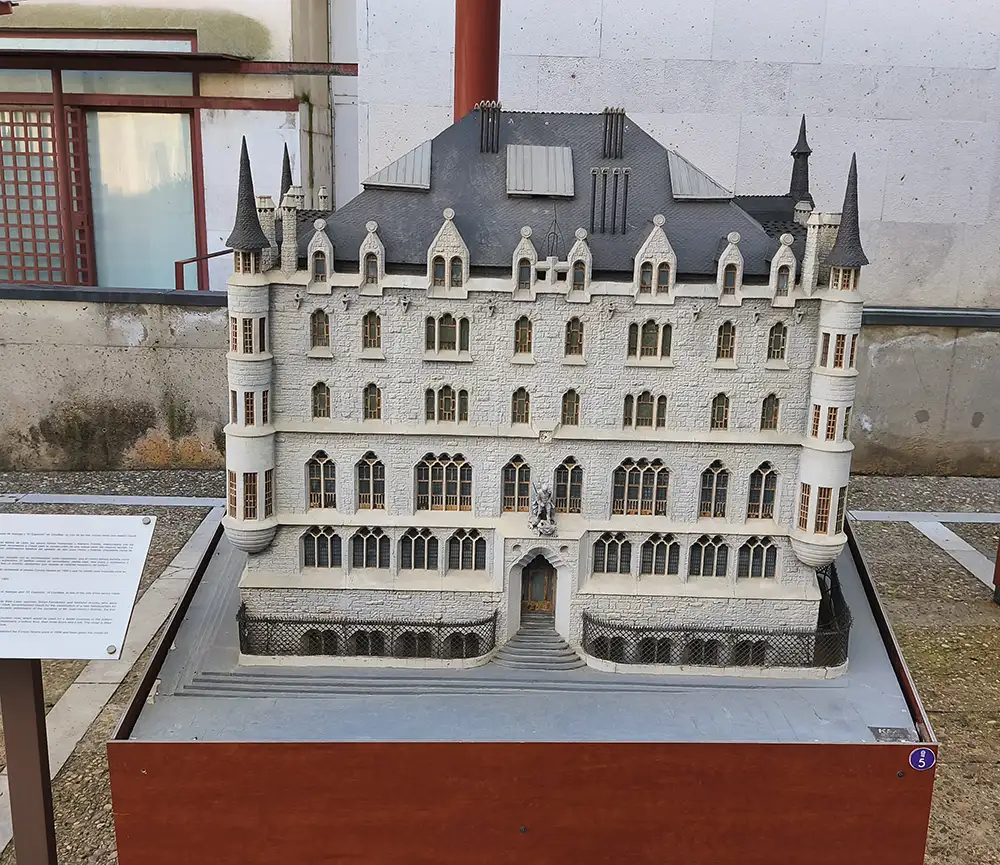
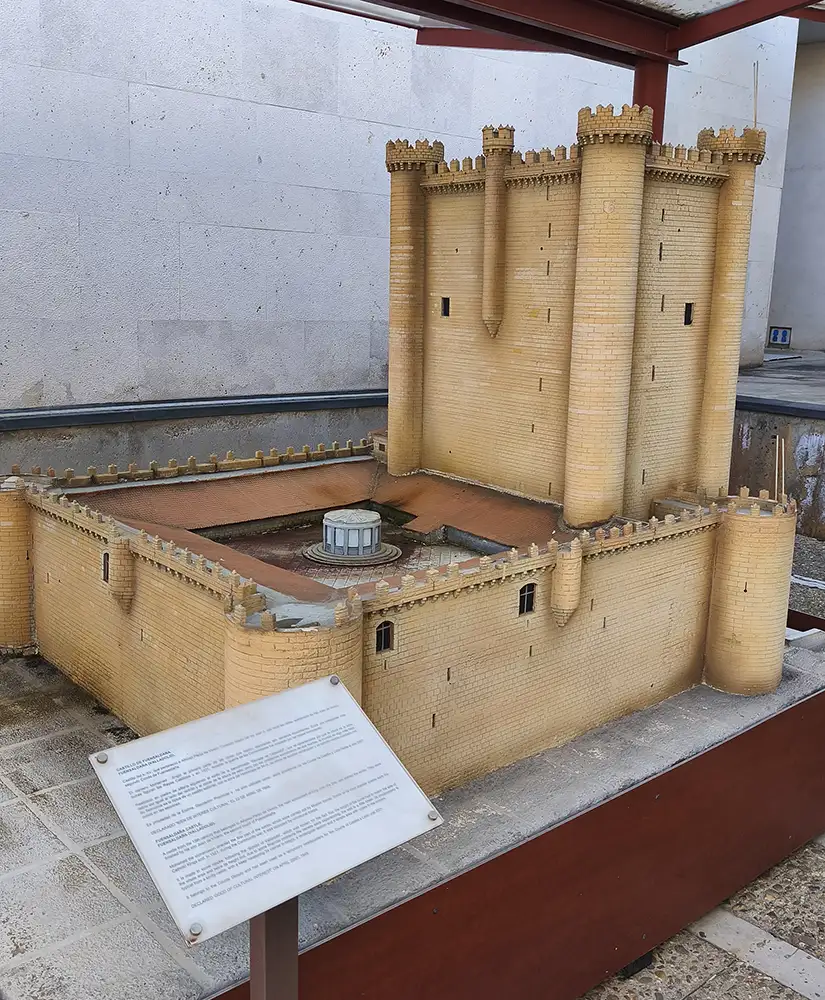
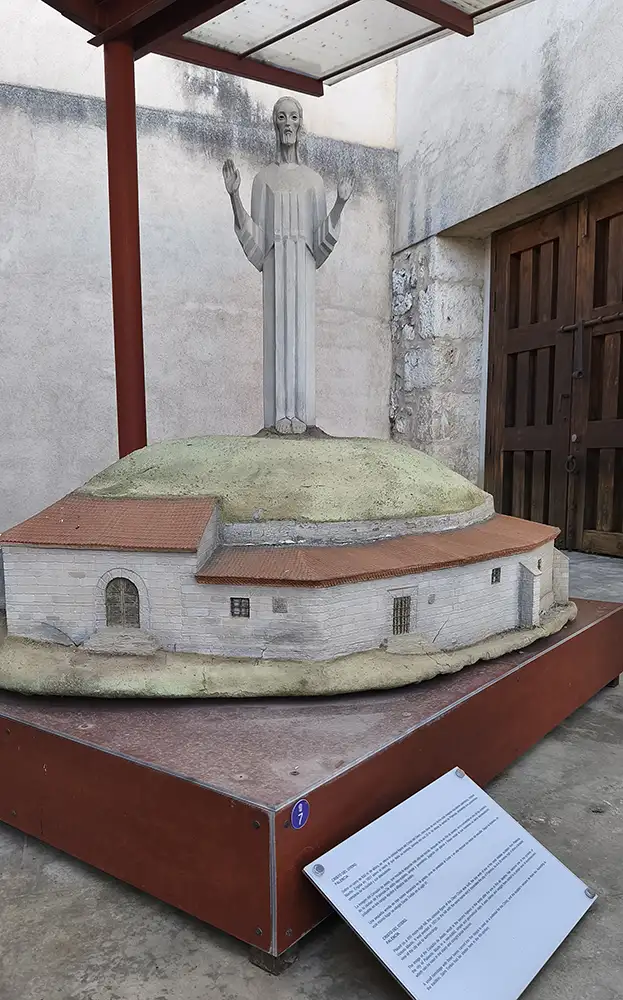
In the same complex of buildings, in one of the courtyards, there is a permanent exhibition of scale models of notable buildings across Castilla y León, also free and open during the same hours as the museum. It is a lighter break in the middle of so much history, and includes a model of the royal palace of Tordesillas where Juana la Loca was confined for nearly 50 years. The palace no longer exists, having been demolished after falling into ruin, a place that went from royal residence to prison to dust. Juana's story would deserve an article of its own.
How to get there, opening hours and admission
Location
Calle Casas del Tratado, s/n, Tordesillas. Right in the old town, easy to reach on foot from anywhere in town.
Getting there from Madrid
Take the A-6 towards A Coruña, around two hours by car. From Valladolid, less than 30 minutes via the A-62. There is parking near the centre without any difficulty.
Opening hours
Winter (October to May): Tuesday to Saturday, 10am to 1.30pm and 4pm to 6.30pm. Sundays and public holidays, 10am to 2pm. Closed Mondays.
Summer (June to September): Tuesday to Saturday, 10am to 1.30pm and 5pm to 7.30pm. Sundays, 10am to 2pm.
Admission
Free. The audio guide via QR code on your phone is also free. If you prefer to hire a device at the entrance, it costs just one euro.
The museum itself takes no more than an hour. But Tordesillas asks for a little more time than that.
What to do in Tordesillas beyond the museum
Two stops worth making:
Real Monastério de Santa Clara
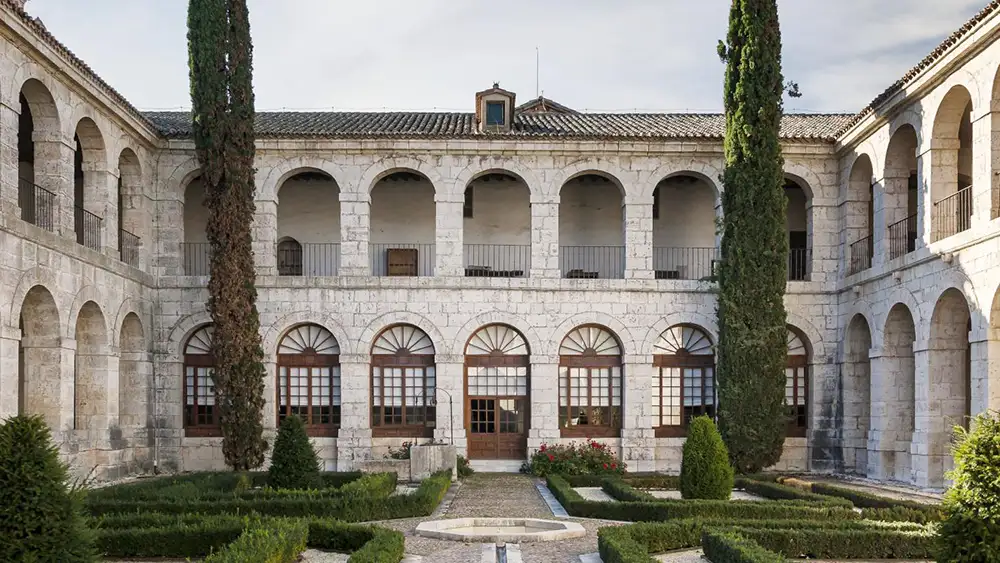
The most impressive monument in town. A 14th-century Mudéjar palace converted into a convent, with a gilded ceiling in the presbytery that genuinely stops you in your tracks. Visits are guided and there is an admission fee.
Medieval Bridge over the Duero
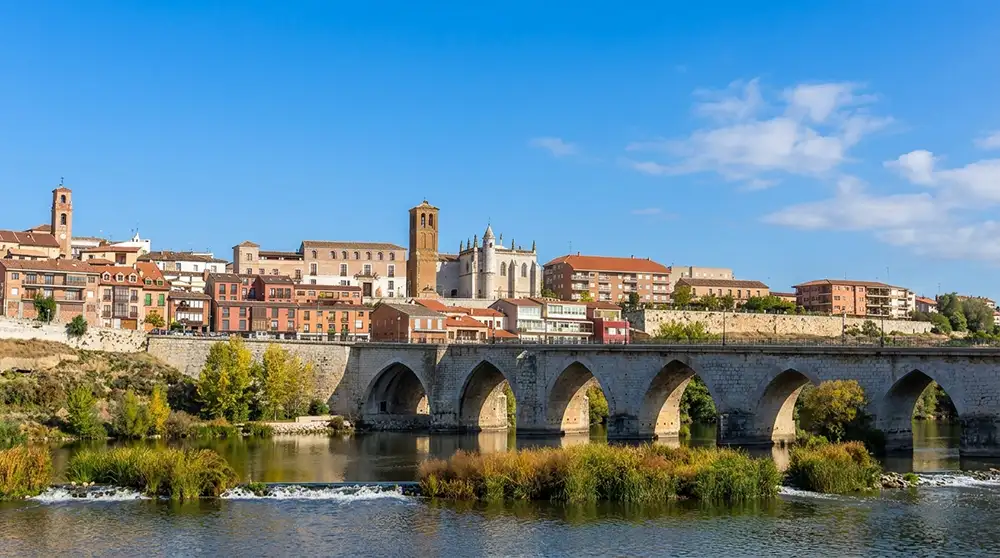
A few minutes' walk from the museum. Ten arches over the river, the best views in town, and that feeling of being somewhere that has remained unchanged for centuries while the world moved on entirely outside.