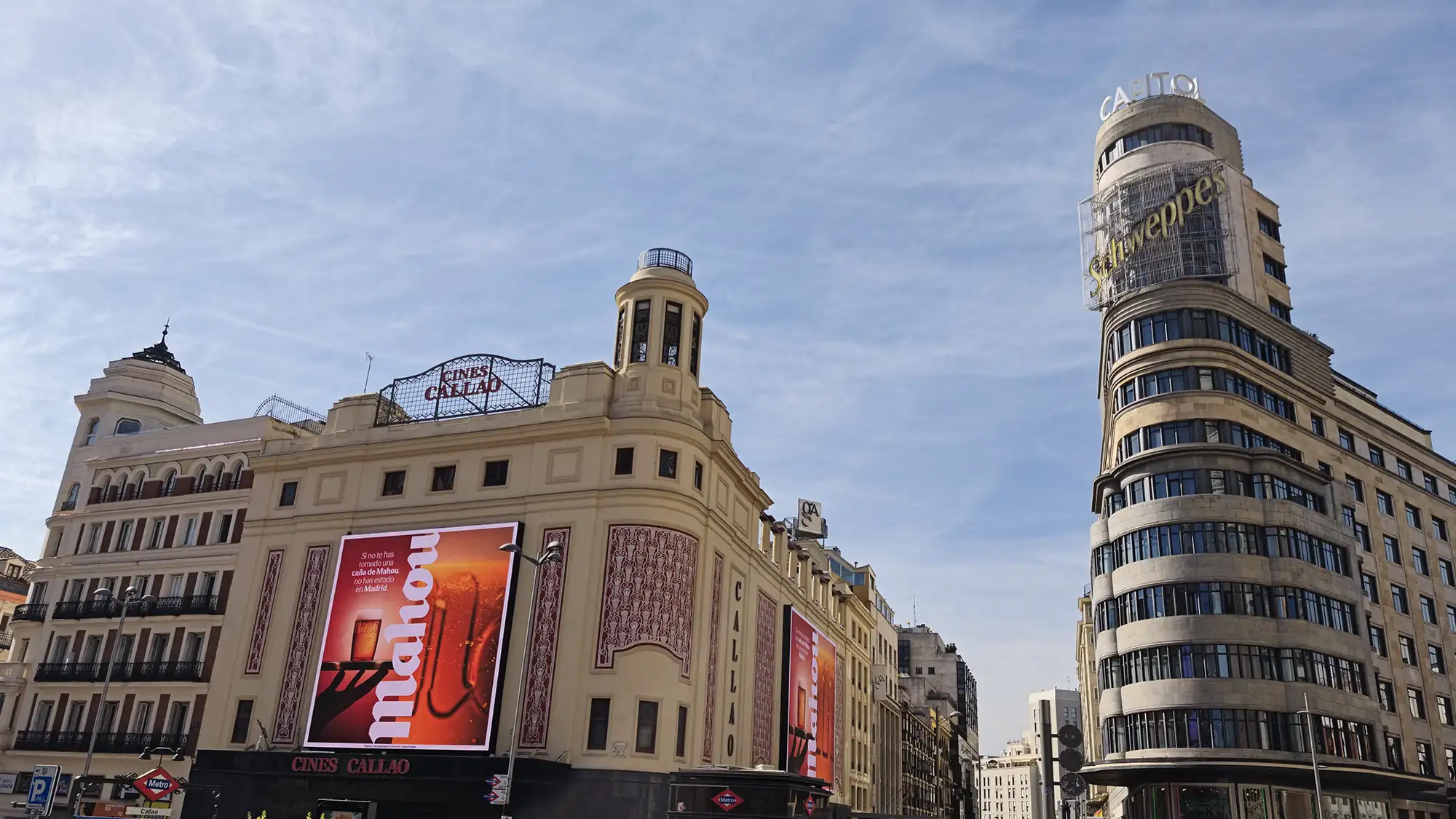
Most international travellers never get to know the north of Burgos province. These are places that Spaniards know well (and even then, not all of them), but that rarely appear in the itineraries of those coming from abroad. Visitors to the capital usually stop at the cathedral and move on, not knowing that an hour away there are medieval villages built on natural stone arches, with rivers cutting through narrow streets and castles perched on the edge of cliffs.
If you're planning to pass through Burgos, it's well worth setting aside a day for the north of the province. Those who make the detour find historic destinations impressive enough to justify every kilometre driven.
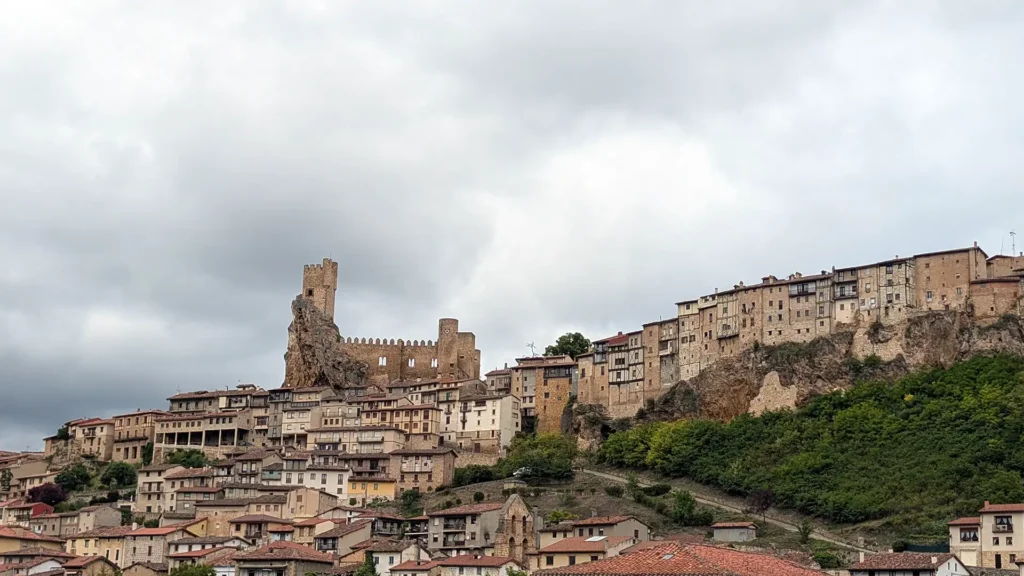
Orbaneja del Castillo
- Distance: 70 km from Burgos city (approx. 1 hour by car)
- Best time to visit: The waterfall has more volume between December and April
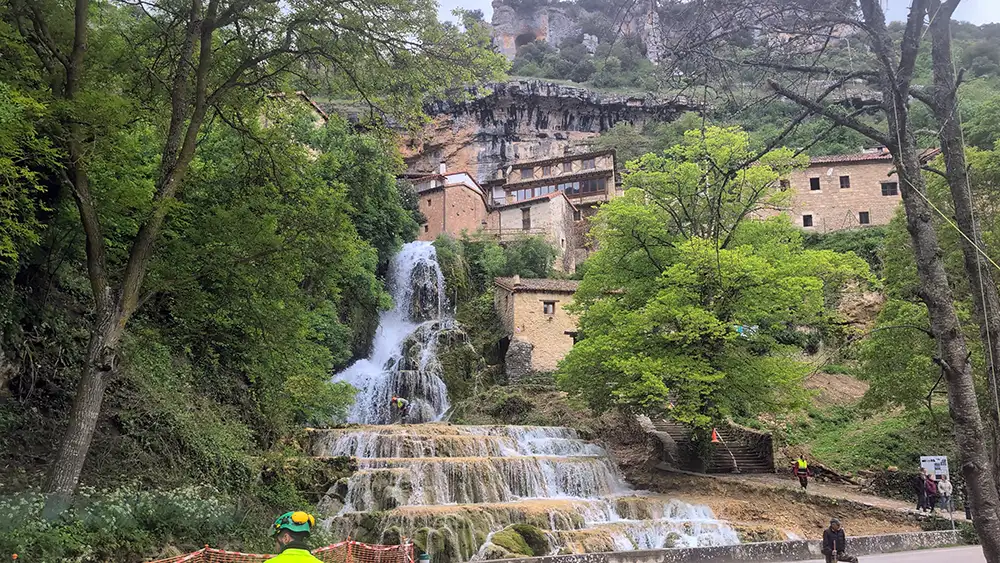
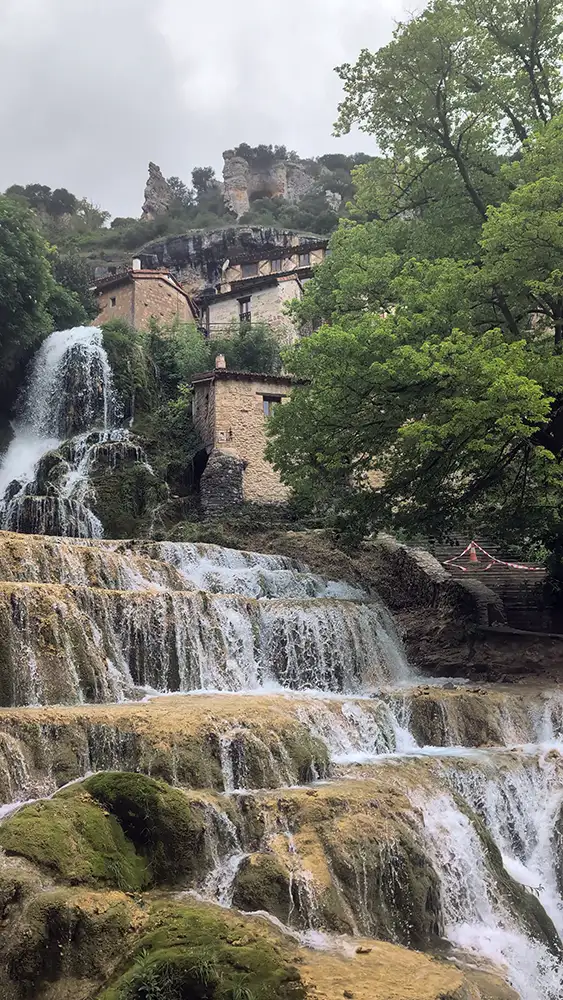
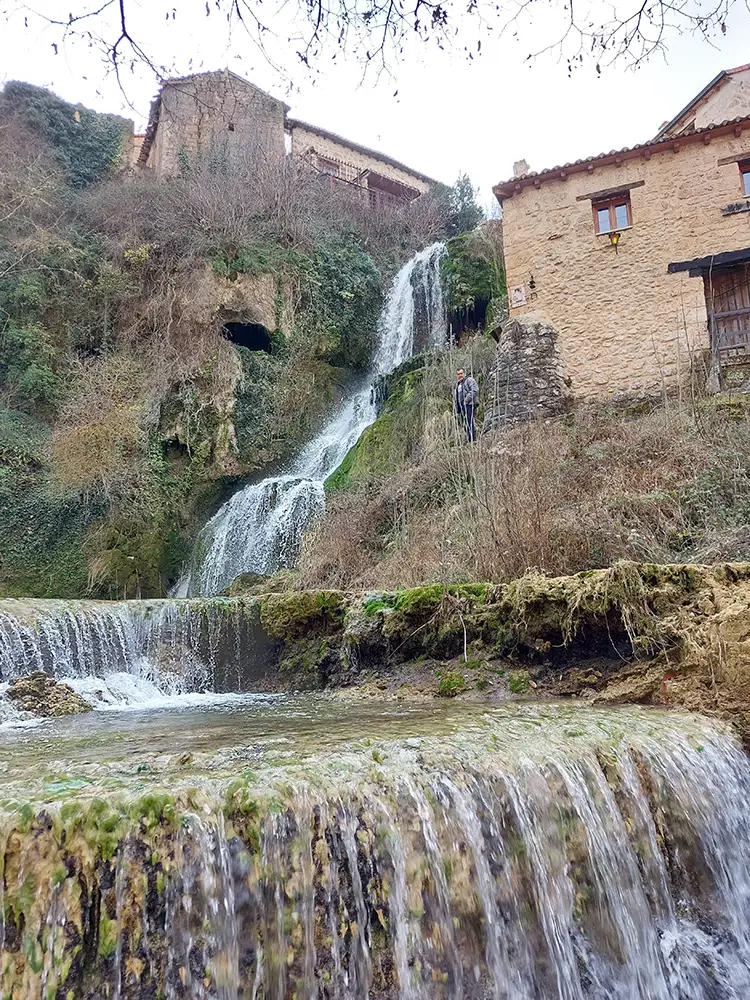
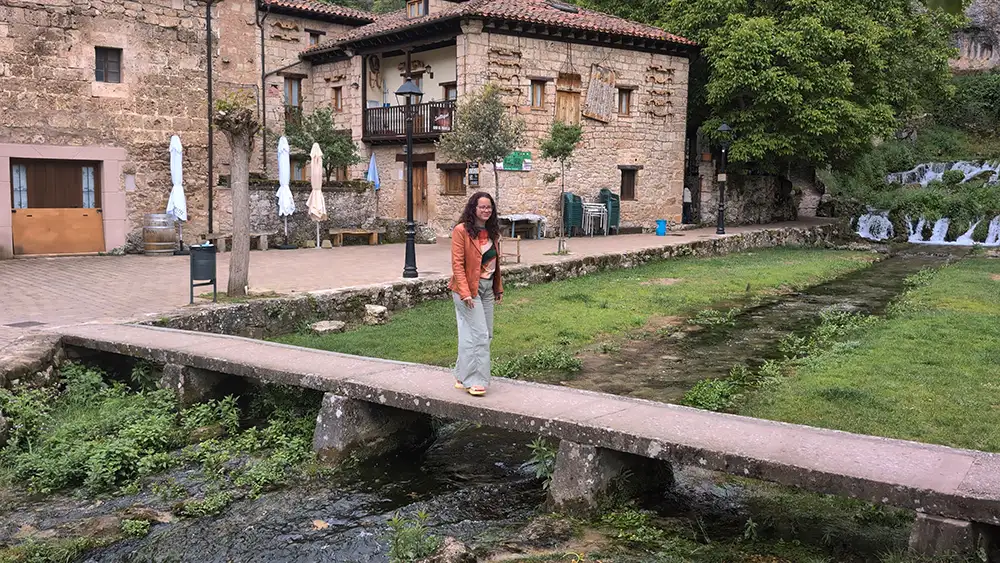
Arriving at Orbaneja del Castillo is immediately striking. As the car park sits at the bottom of the valley, the first thing you see when you step out and look up is a large waterfall cascading down below the medieval houses. The water is crystal clear emerald colour that looks almost like something out of a fairy tale.
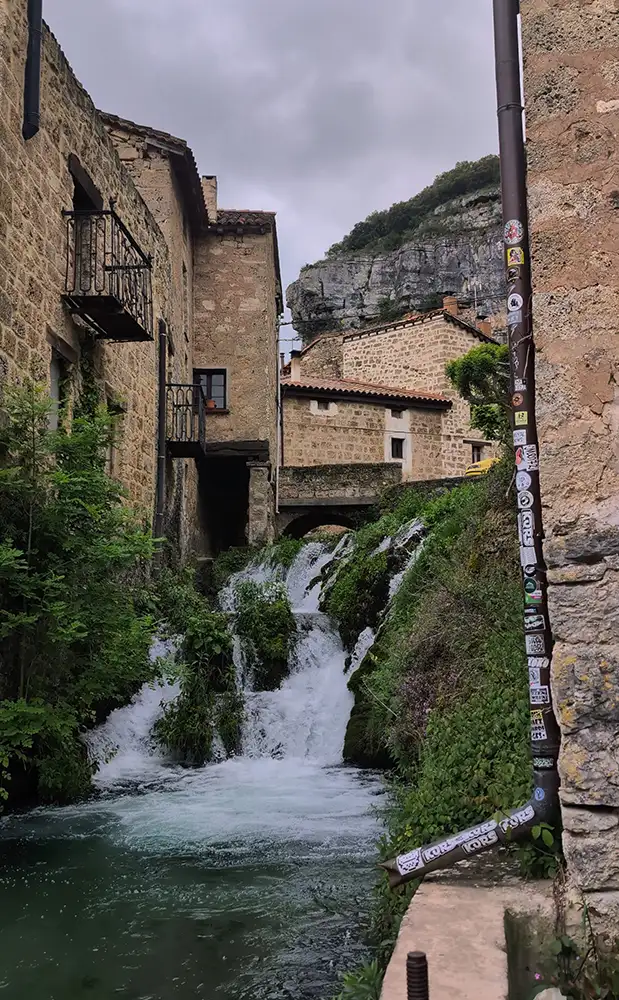
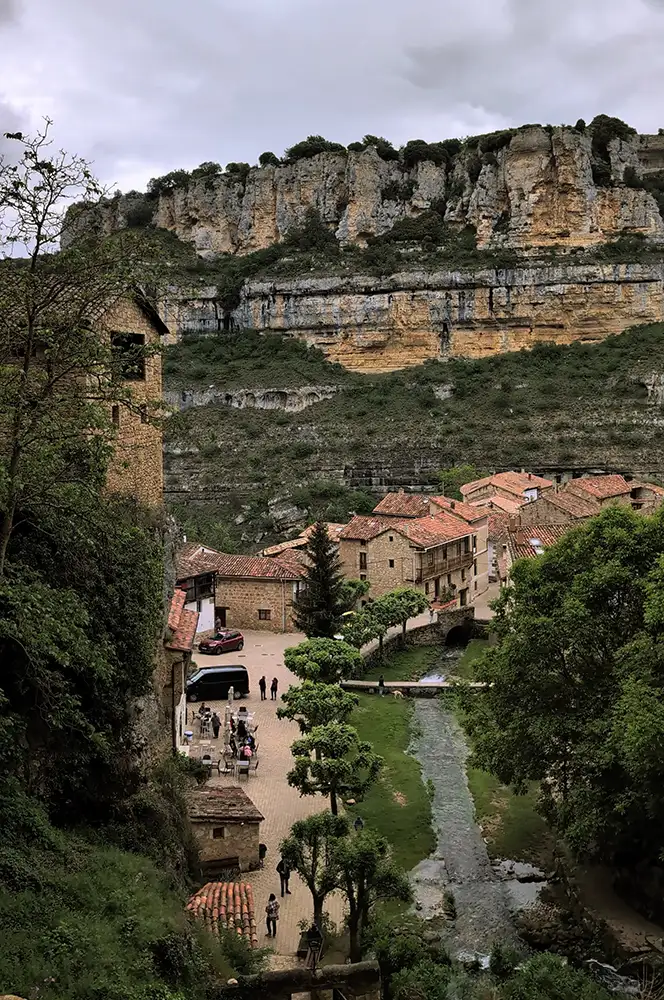
To reach the village centre, you climb a stairway running right alongside the waterfall. Once at the top, the scenery continues to impress. The river runs right through the centre of the village, splitting it in two.
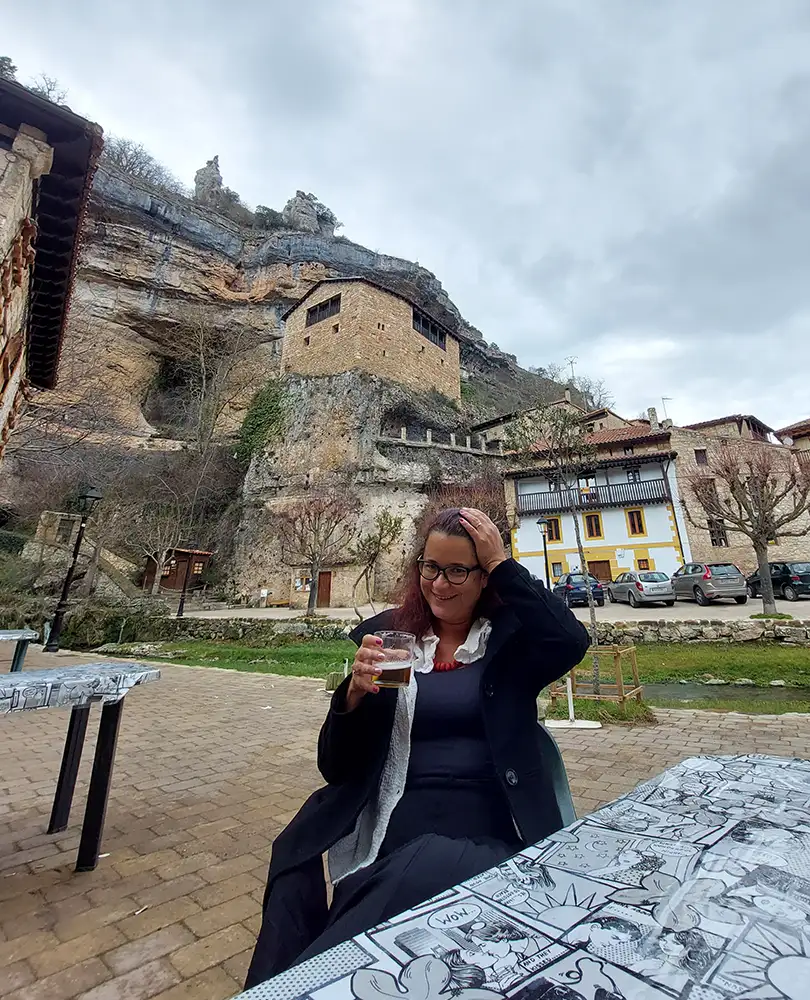
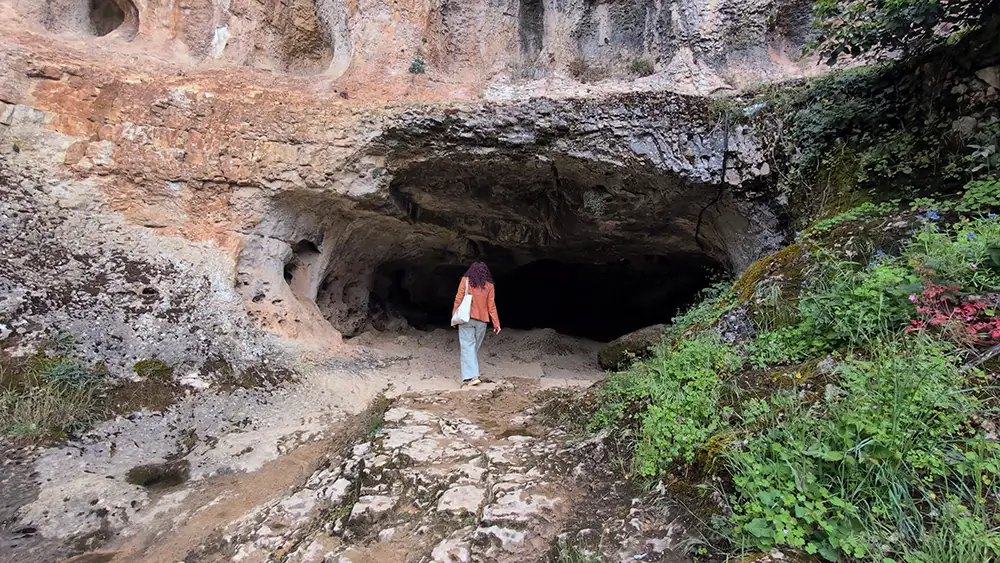
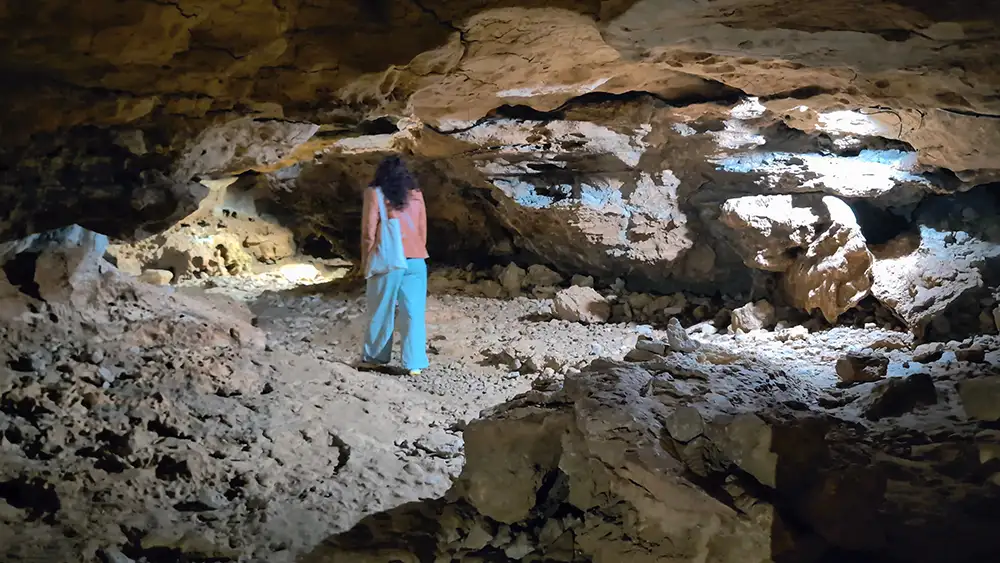
We recommend taking the path on the right side of the square that climbs up the rock to a natural viewpoint, from where you can see the entire village spread out below. The Cueva del Agua cave is also open to visitors for €2.50. It's small, but at that price, it's worth it.
Tip: On weekdays the village is almost empty and you can take your time. Restaurants may be closed, so it's worth checking ahead.
Puentedey
- Distance: 90 km from Burgos city (approx. 1 hour 15 minutes by car)
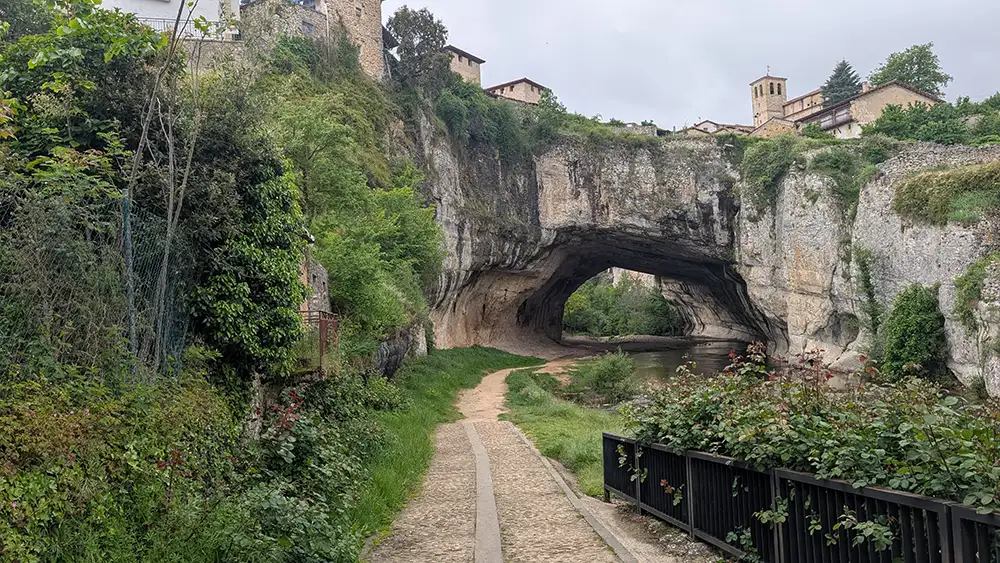
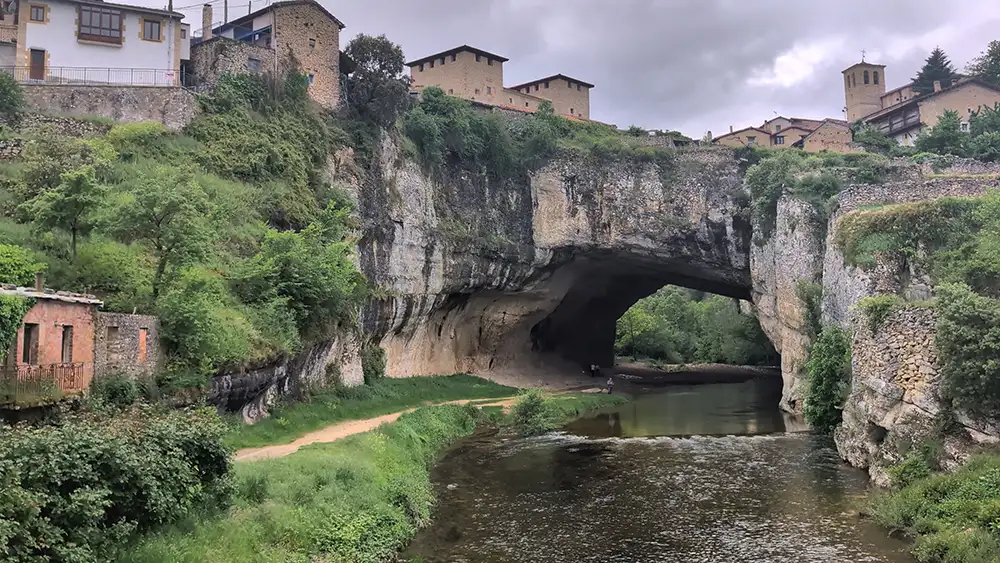
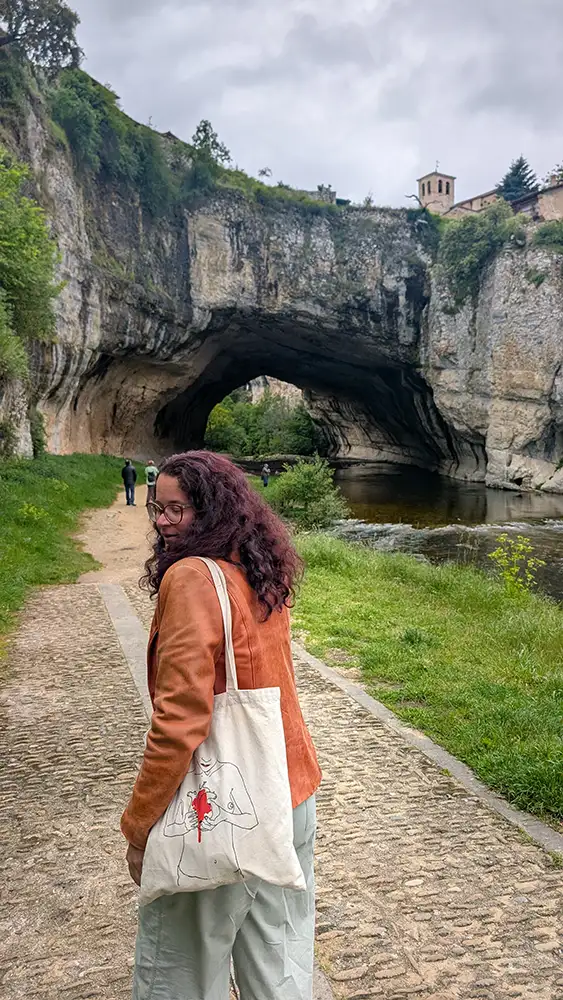
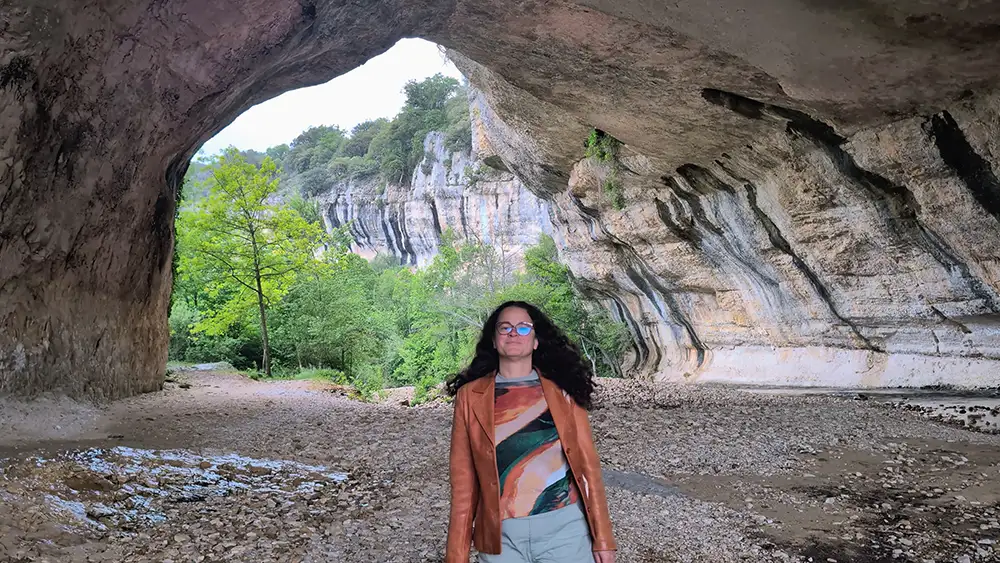
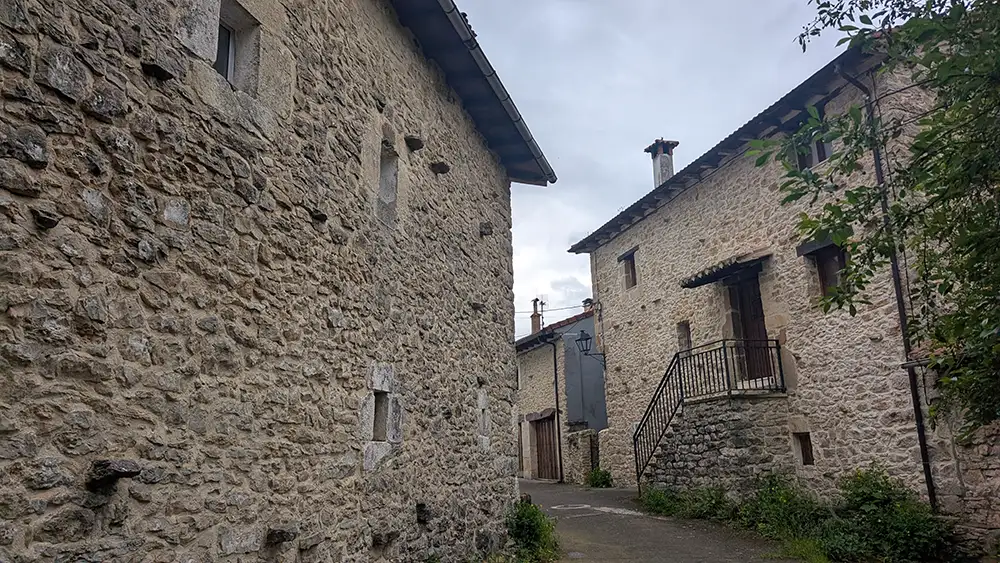
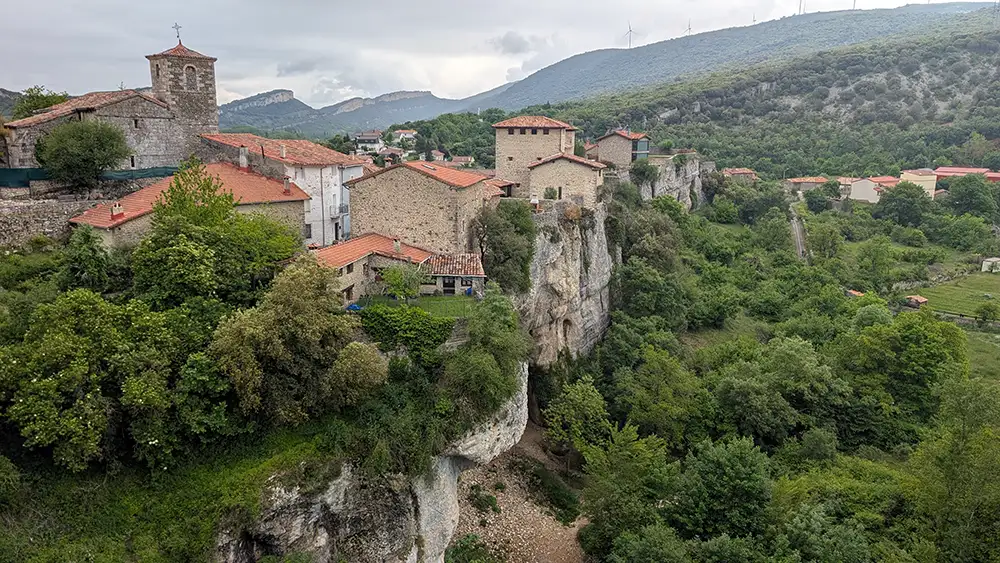
Puentedey is a medieval village built on top of a natural stone bridge. The River Nela spent millennia carving through the rock beneath it, and the result is an arch over 15 metres high with houses on top and water running underneath.
As you park and walk towards the centre, the arch comes into view within the first few metres. It is spectacular. There's no need to find the right angle or climb to a viewpoint, it's right there in front of you, every bit as impressive as it looks in photographs.
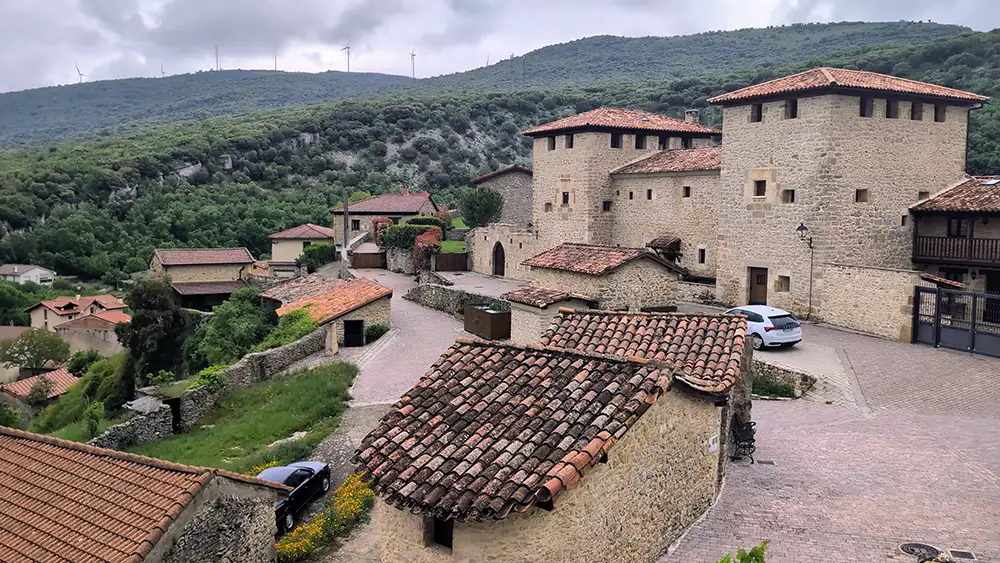
The village itself is simple, but it is absolutely worth visiting for the arch and the surrounding landscape. For those who want to spend more time in the area, there are plenty of walking trails nearby.
Puentedey was officially added to the list of the Most Beautiful Villages in Spain in 2022.
Frías
- Distance: 100 km from Burgos city (approx. 1 hour 20 minutes by car)
- Best time to visit: high season is between June to August
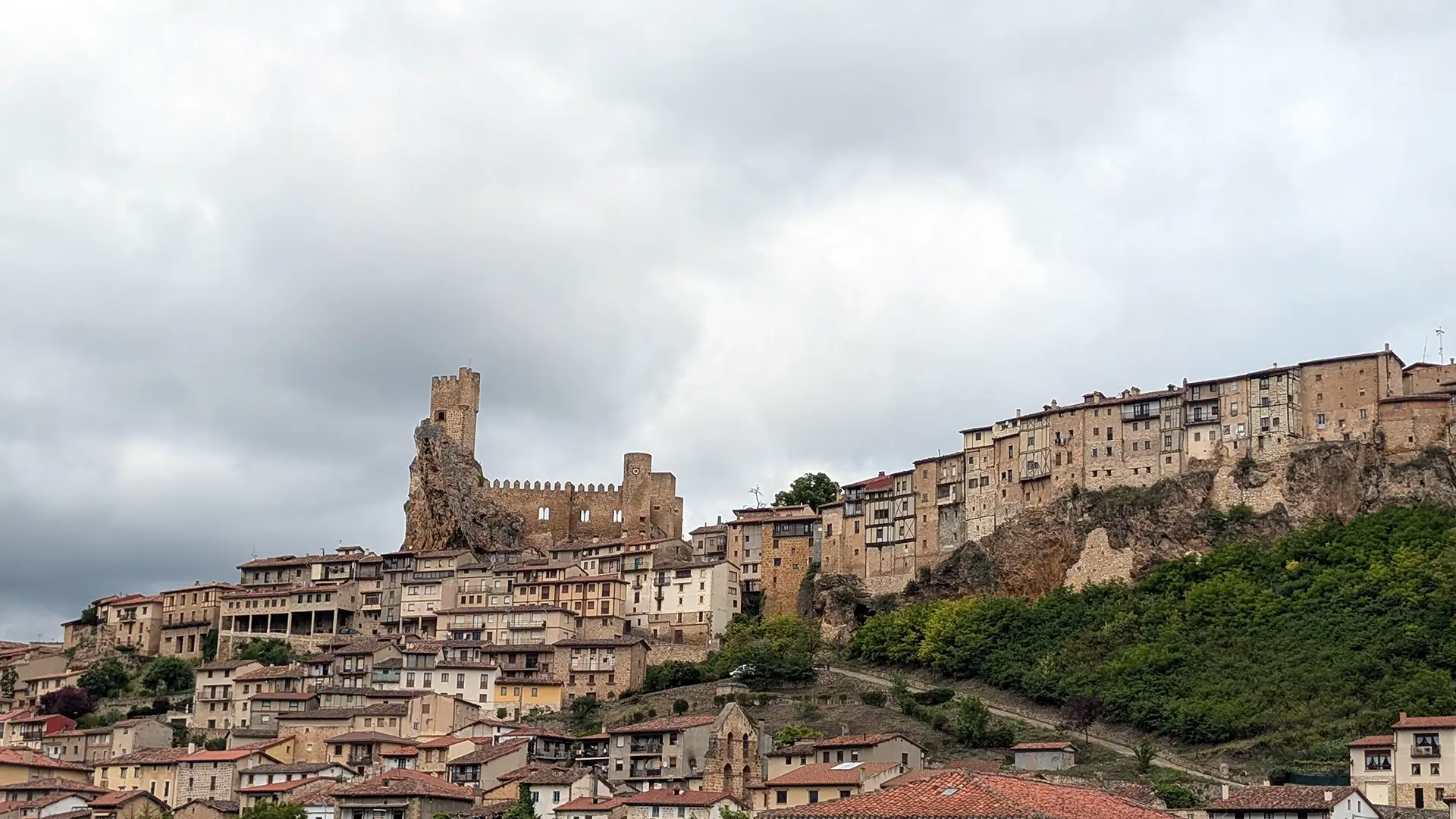
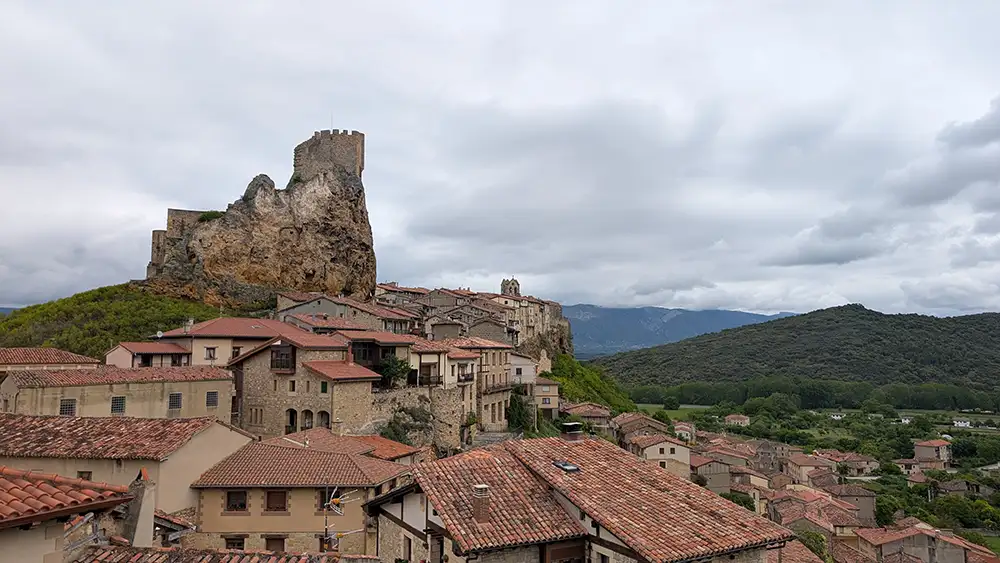
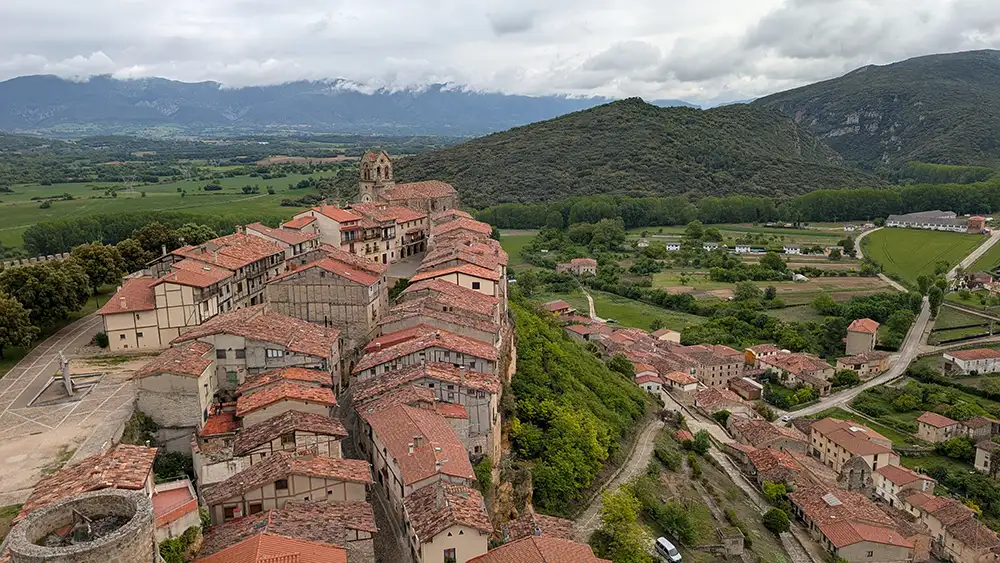
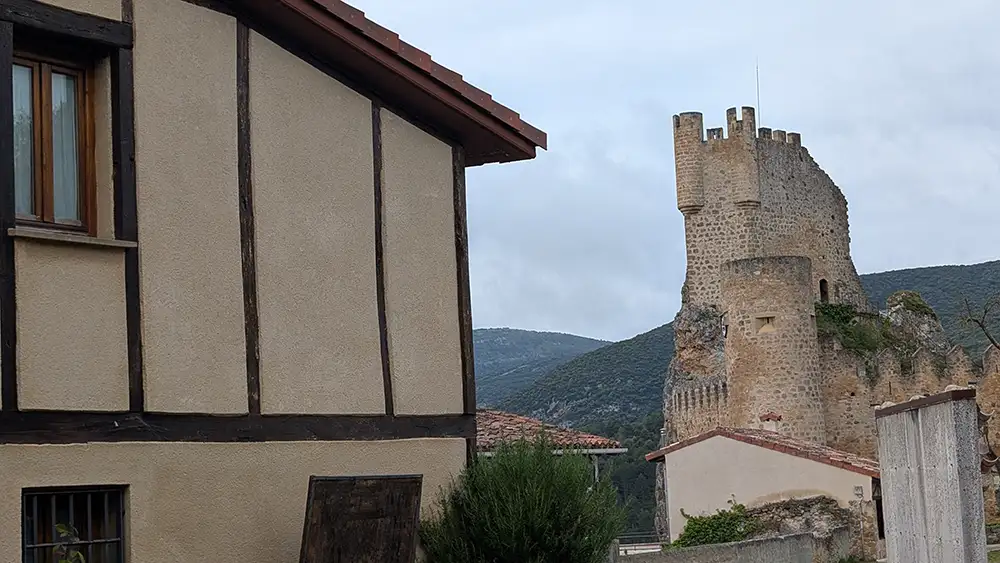
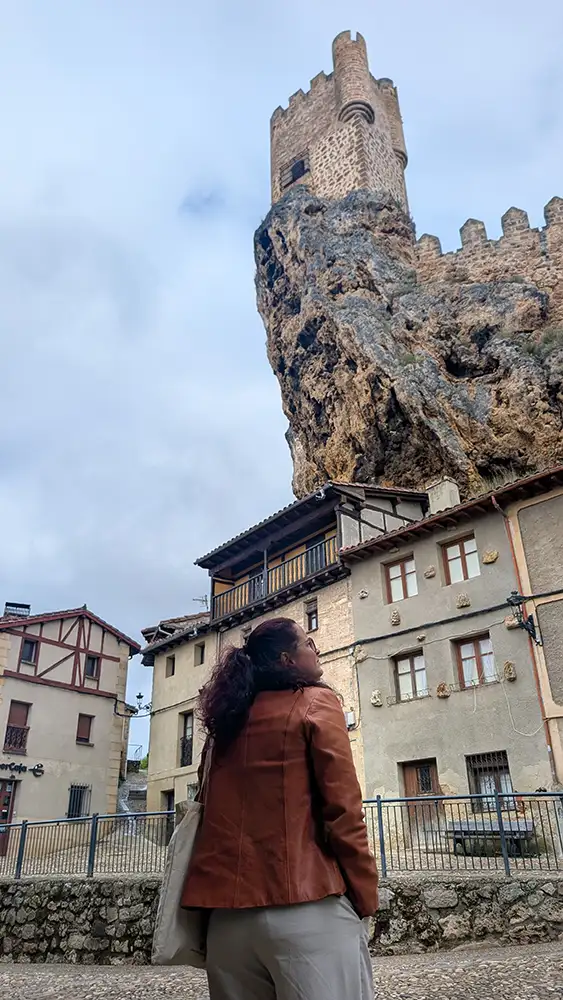
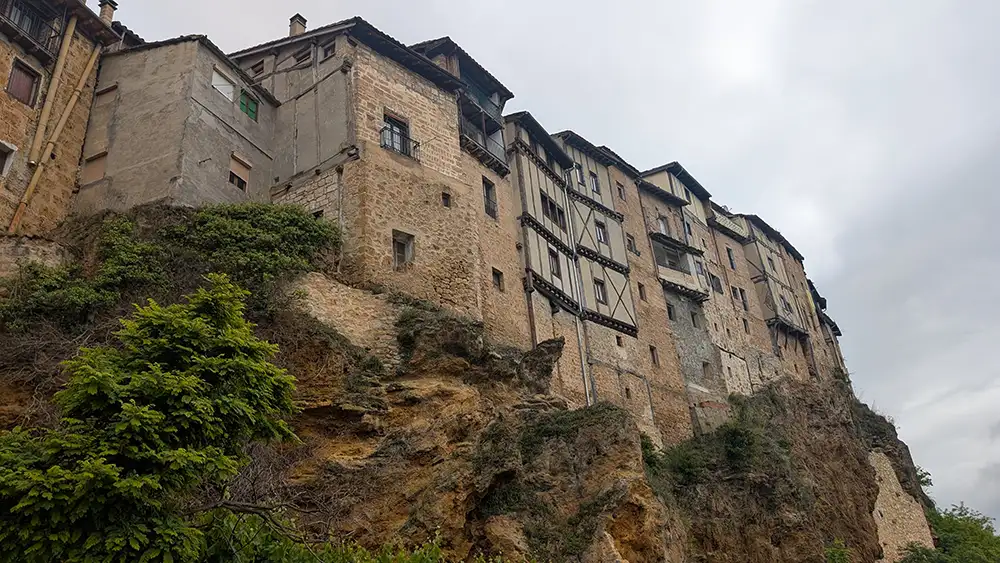
Frías is, by far, the most impressive of the three. If you can only visit one, make it this one.
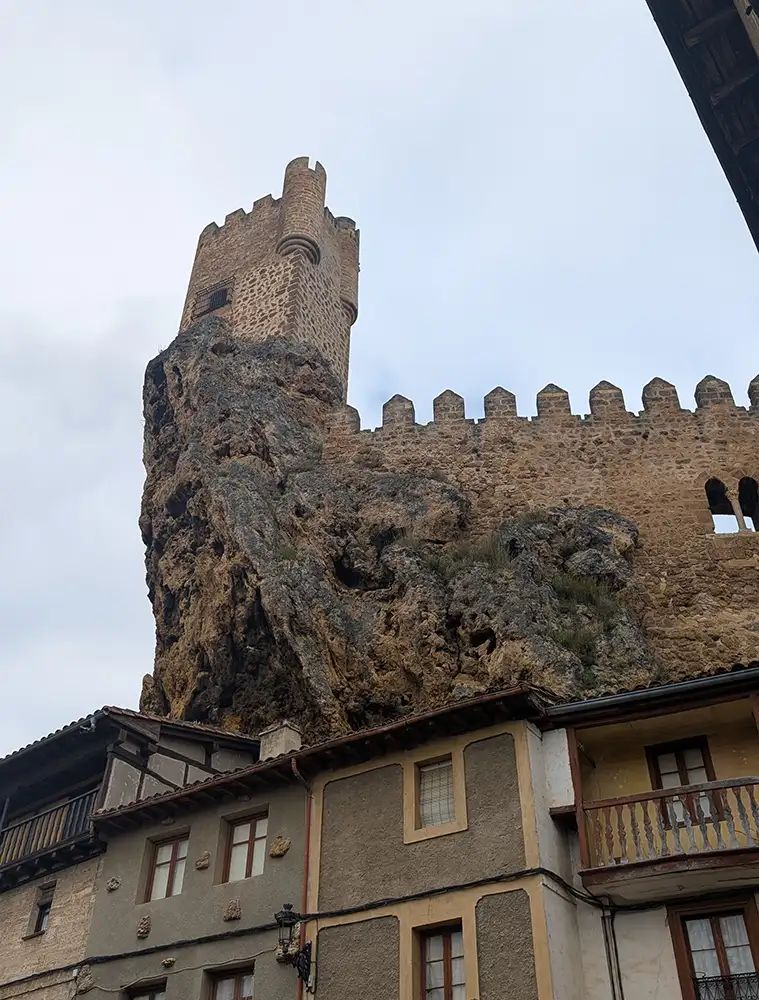
The castle tower is the first thing you see on arrival, rising from a rock at the centre of the village like a stone needle. You can visit for €2, buying your ticket at the tourist office next door. From the top of the tower, the view over the village and the valley is complete.
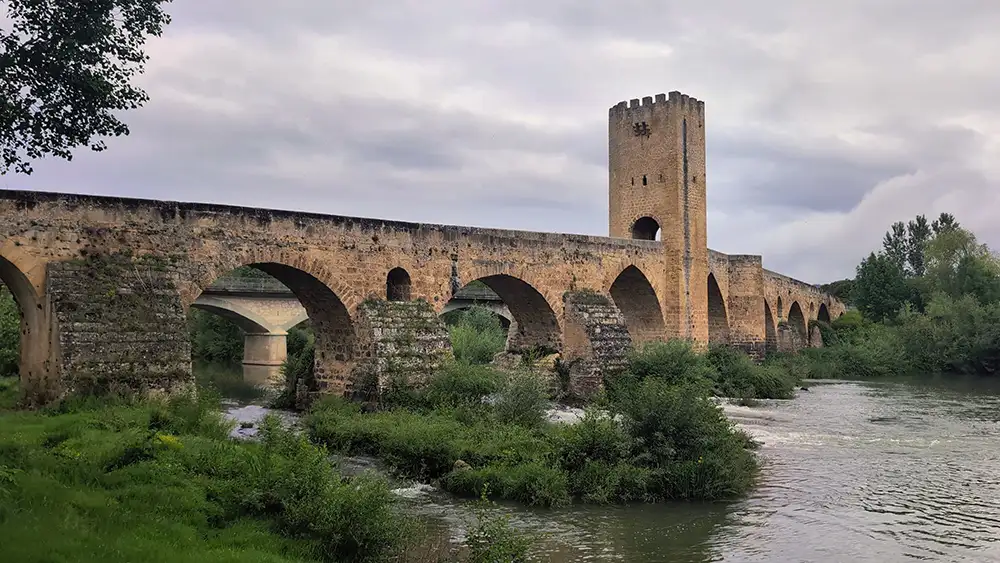
We also recommend stopping at the mirador overlooking the casas colgadas (houses built right on the edge of the cliff). The medieval bridge over the River Ebro, about a kilometre from the centre, is also worth the short detour. It's long, built in stone, and you can walk across it with views of the river and the village behind you.
A practical note: Frías is the most expensive of the three. The bars and restaurants charge tourist prices, noticeably higher than the other villages. It's not unreasonable, but good to know before you ask for the bill.
Bonus: Rioseco Abbey
- Distance: 110 km from Burgos city (approx. 1 hour 30 minutes by car)
- Free guided visits between July and September
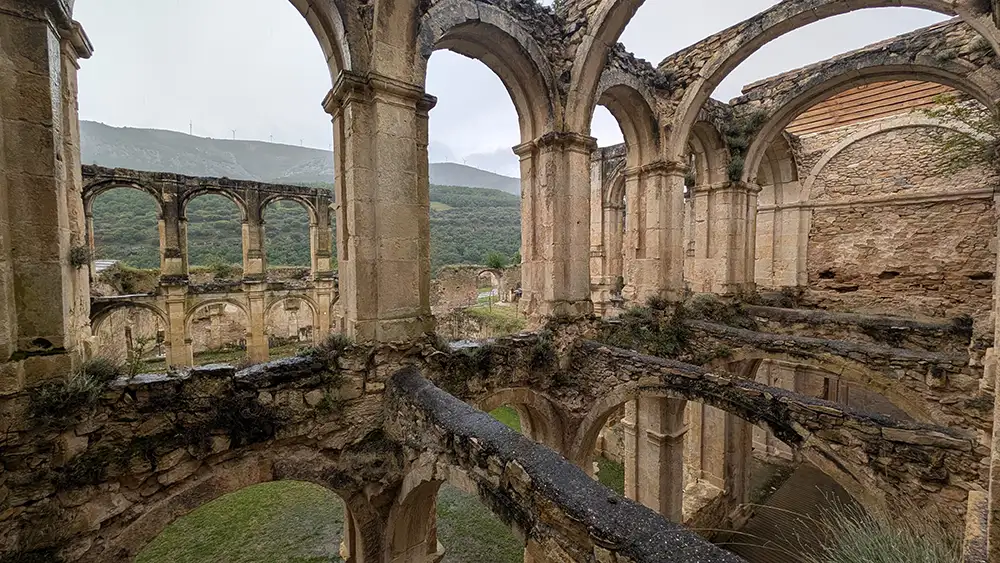
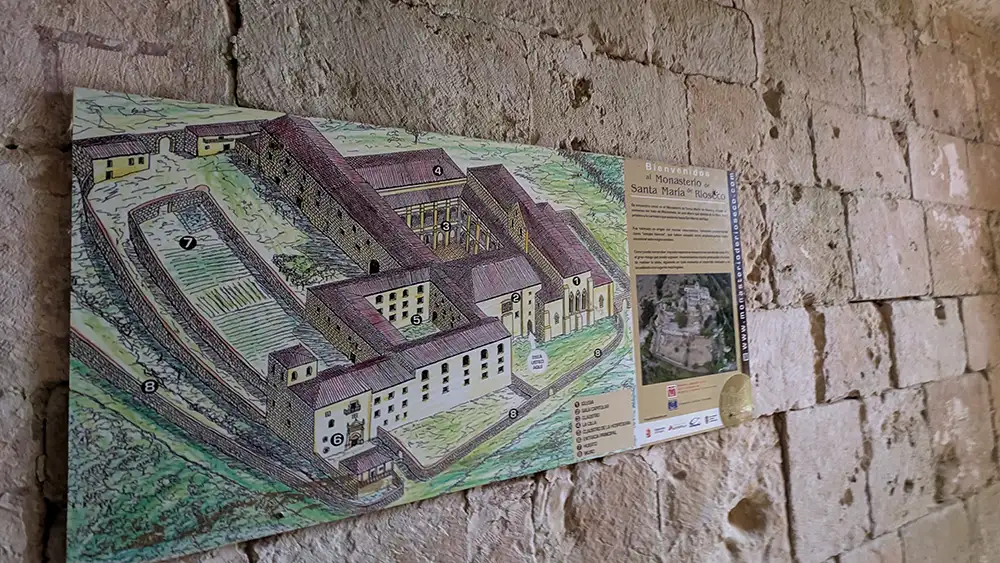
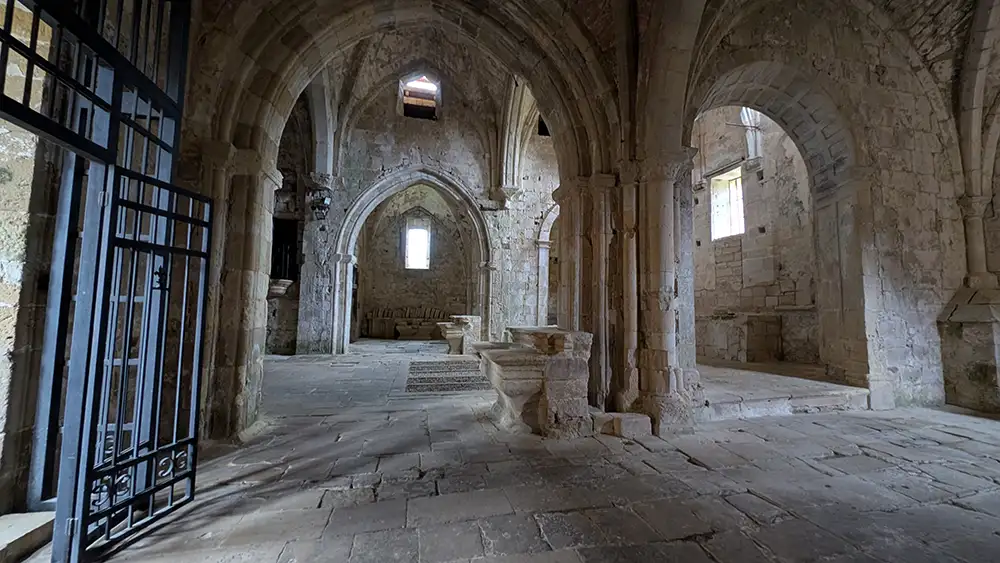
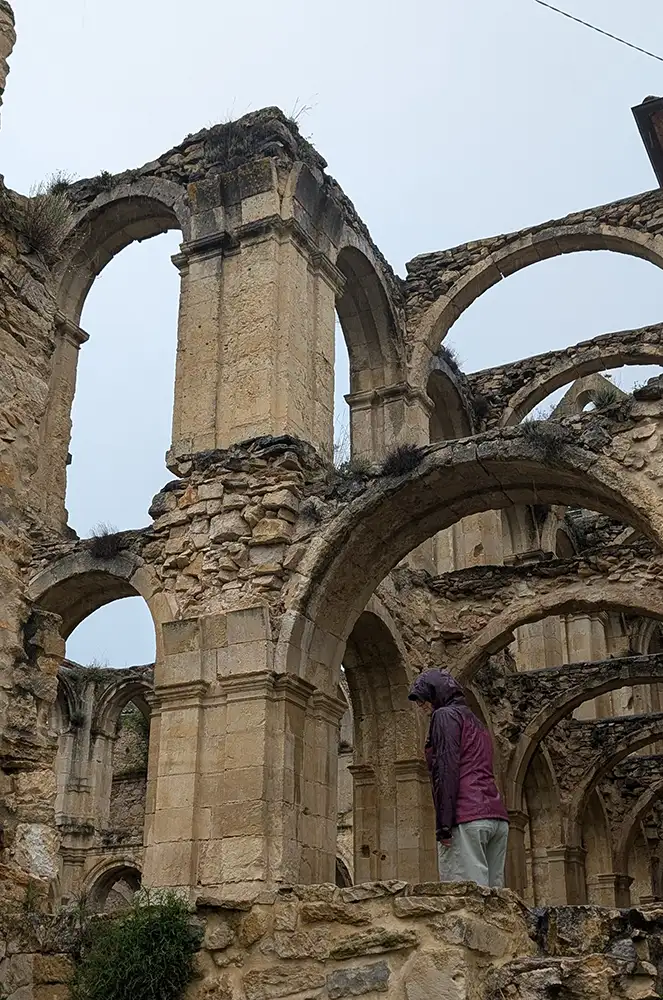
Rioseco Abbey is not a village, but it deserves a visit if you're in the area. It was founded in the 13th century, functioned for over 600 years, and was abandoned in the 19th century when the Spanish government forced the sale of Church properties. After that, it was progressively looted and forgotten.
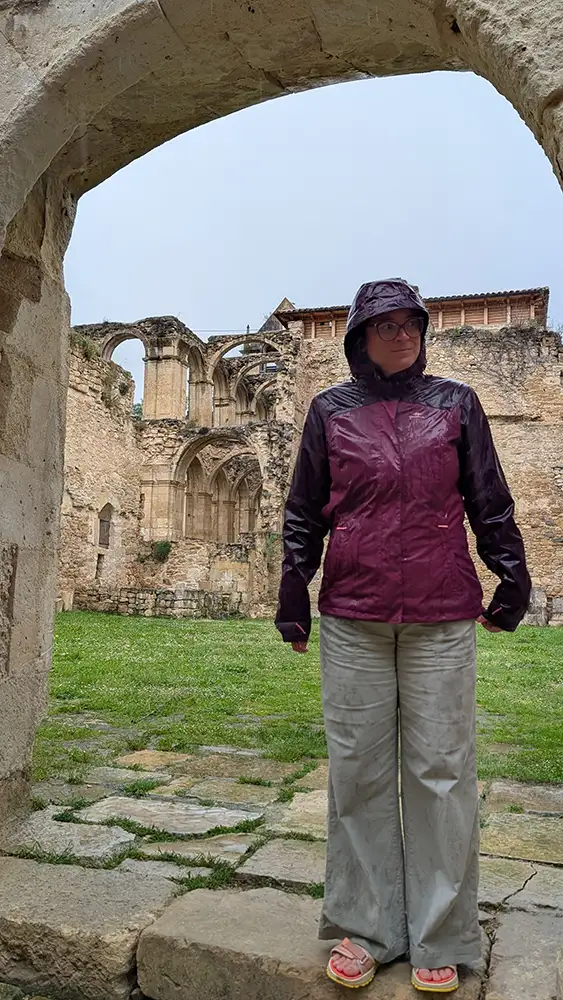
We arrived on a rainy weekday and there was absolutely no one else there. It felt a little like Indiana Jones, as though we'd stumbled upon the place entirely on our own.
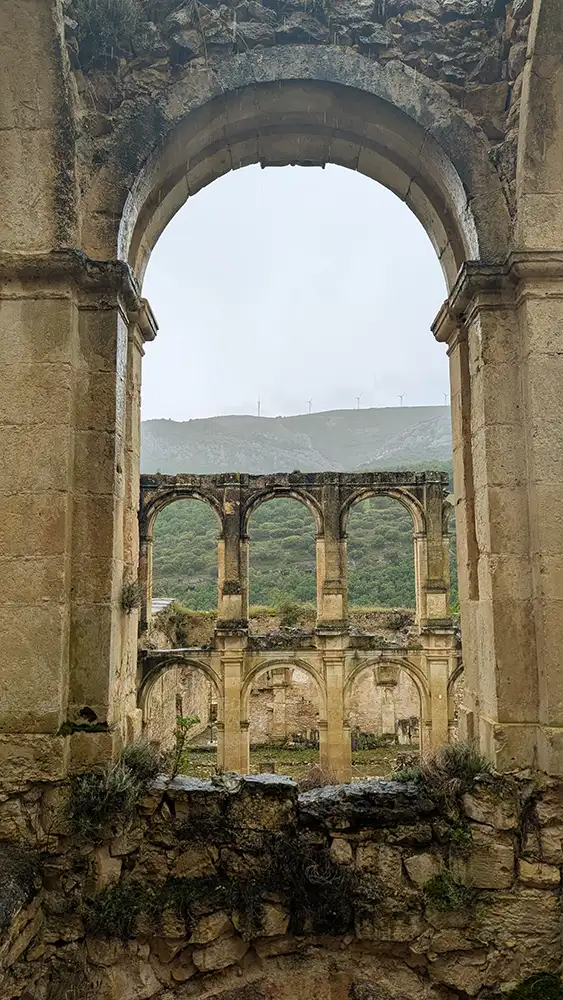
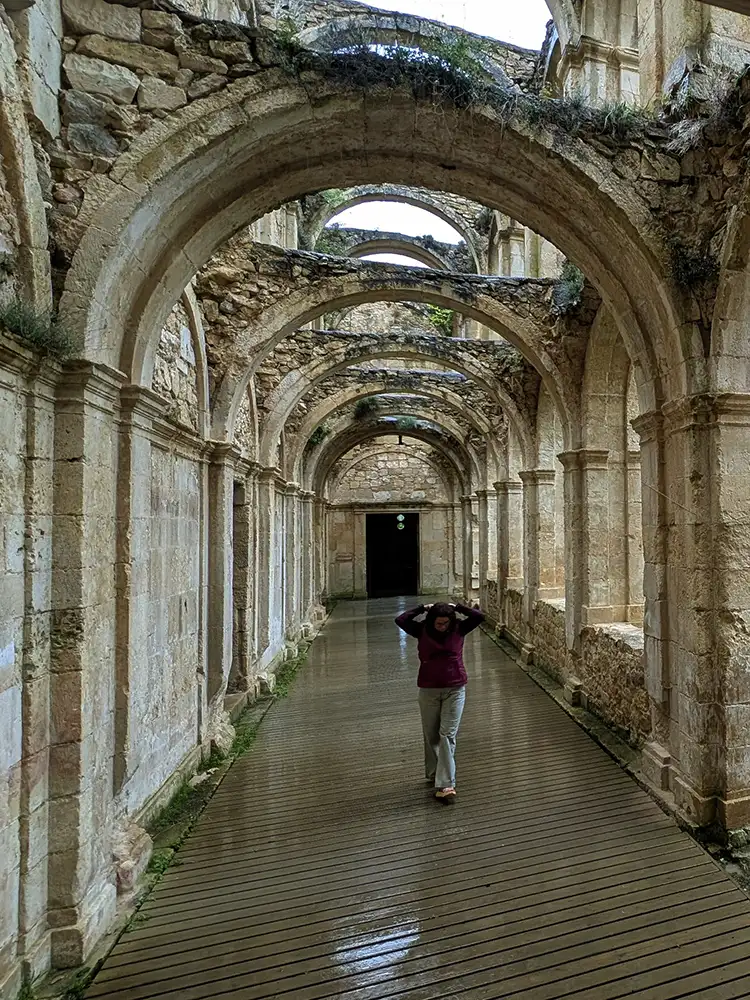
What remains is the skeleton of the abbey, with the structure of the church, the arches, the courtyards and corridors, all free to explore at your own pace. Access is open even when the visitor centre is closed.
For decades it was left to ruin, until a group of volunteers called "Salvemos Rioseco" began restoring it in 2008. In 2019 it was declared a Site of Cultural Interest.
Practical information
Getting there: All three villages are easiest to visit by car. There is no efficient public transport connecting them to each other or to Burgos city.
When to go: The region can be visited year-round. Between June and August it gets busier, particularly in Frías and Orbaneja. Weekdays are quieter, though some restaurants may be closed.
Signal: Some parts of the region have limited mobile signal. We recommend downloading offline maps before you set off.