If you've ever driven through Spain, you've almost certainly spotted that giant black bull cut against the horizon. What hardly anyone knows is that this symbol belongs to a winery more than 250 years old, and that you can visit its home in El Puerto de Santa María, just outside Cádiz.
We went to see the Osborne winery from the inside and came away with a trained palate and a head full of curiosities about Jerez wine. In this article we'll tell you what the visit is like, what you see in each part, how much it costs, how to book and what we thought of the tasting. If you're into wine, history or simply a good experience near Cádiz, this one's worth the stop.
What the Osborne winery is and why it's famous
Osborne is one of the oldest wineries in Spain, located in El Puerto de Santa María, in Andalusia. It produces brandy and Jerez wines, the ones that made this part of the country famous. It's one of the great houses of the Marco de Jerez, the triangle formed by the three towns where this wine can be produced.
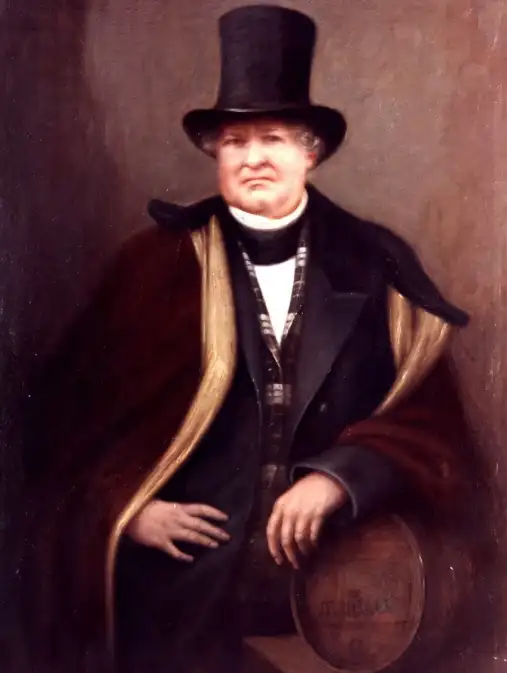
The winery was founded in 1772 by Juan Haurie and James Duff, but the man who gave it its name was Thomas Osborne Mann, a British merchant who came in as a partner and ended up taking control of the business. At the time, plenty of English traders were settling in the area to produce sherry at the source, since England had been drinking the region's wine for centuries. The Spanish side came later, when Thomas's widow took over the company, which remains in the same family to this day, 250 years on.
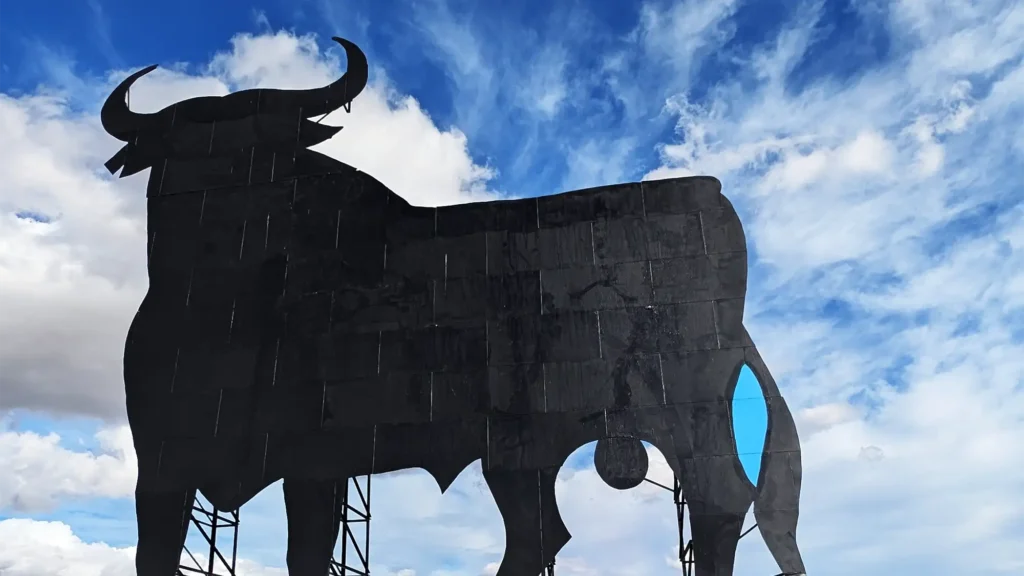
Oddly enough, the brand is world-famous for something you can't drink. It was Osborne that, in 1956, put the first giant black bull on Spain's roads as advertising. The bull went on to become a symbol of the country, and today plenty of people recognise the silhouette without any idea that there's a winery behind it. That's a story of its own, and we tell it in this article..
A quick curiosity: sherry, the English name, is simply how the English pronounced "Jerez". Jerez and sherry are the same word in two languages.
What the visit is like
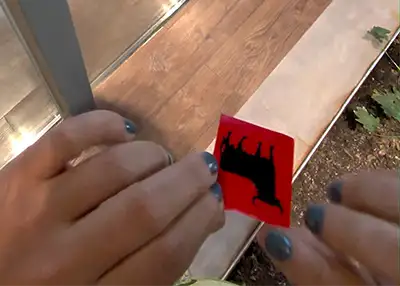
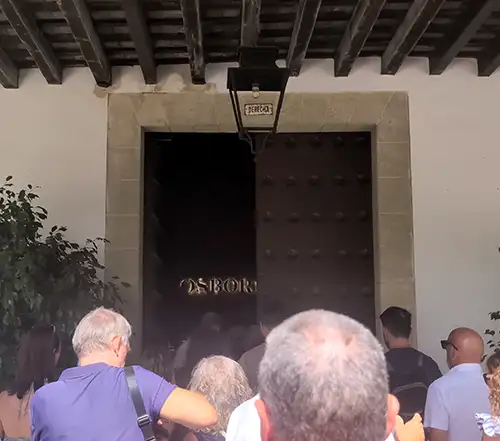
The first thing to do when you arrive is stop by the shop to check in with your booking. There they give you a sticker, which can be red, yellow or orange depending on the package you booked. The colour tells you which tasting you'll do at the end. Beyond that, the visit is the same for everyone.
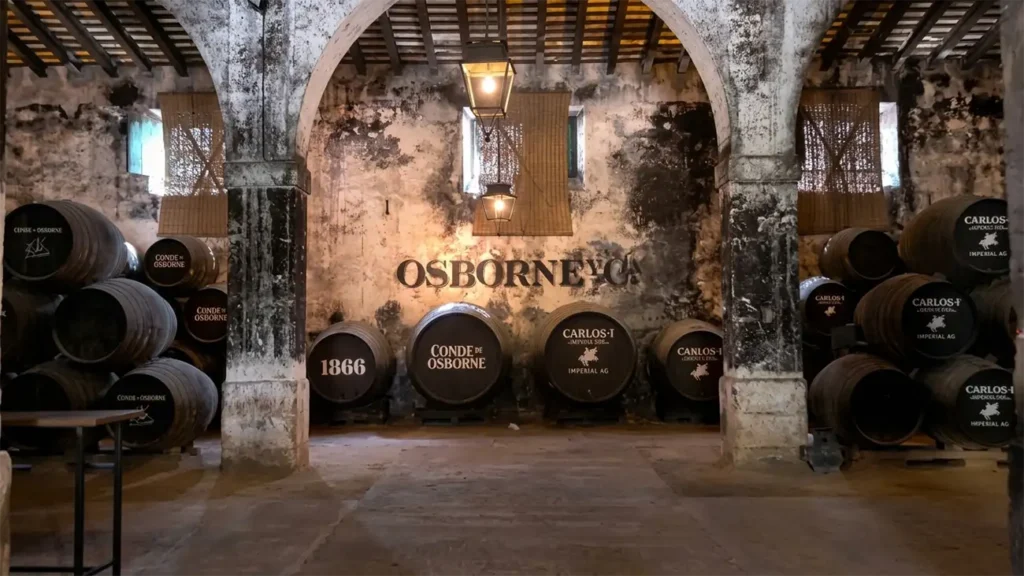
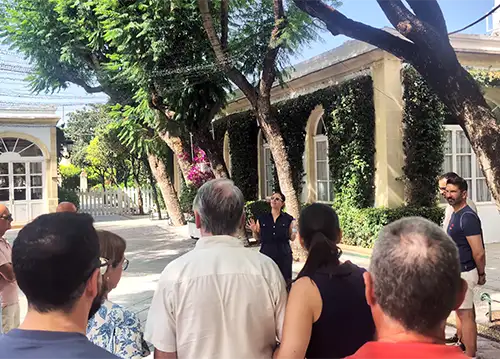
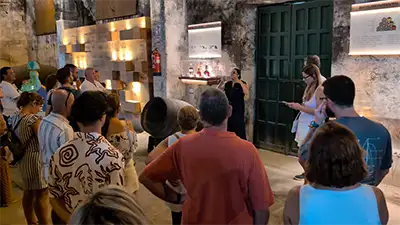
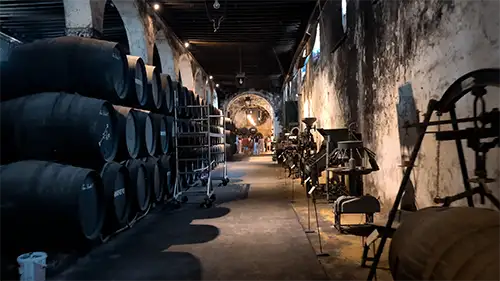
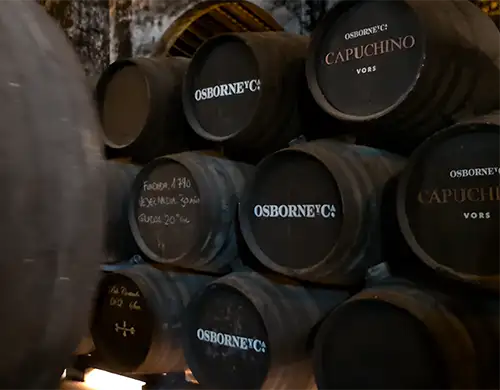
Sticker on, the group (a big one, around 50 people) gathers in the central courtyard, in the shade of the jacarandas and a hundred-year-old magnolia, where the guide runs through a bit of the winery's history. From there we headed into the halls where the wine ages. It's a rather theatrical entrance, with a huge door that lets out a boozy breeze as it opens, part wine, part spirit and a lot of wood. It's genuinely lovely, and one of our favourite parts of any winery visit.
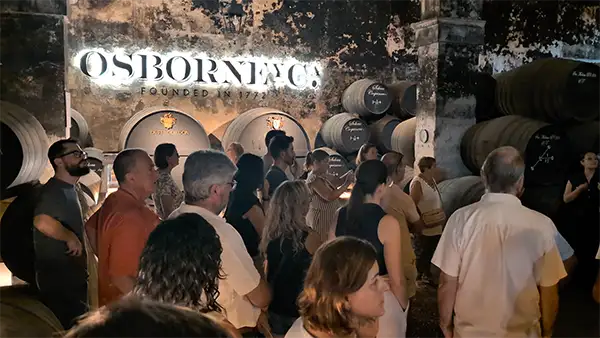
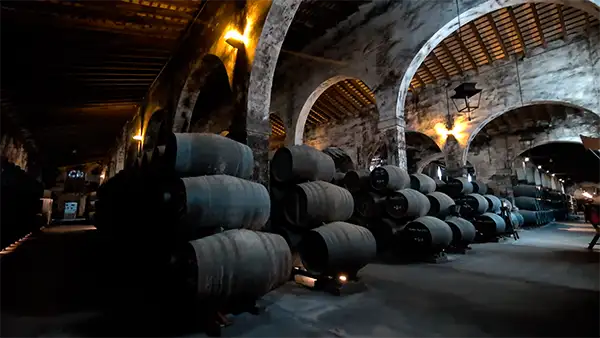
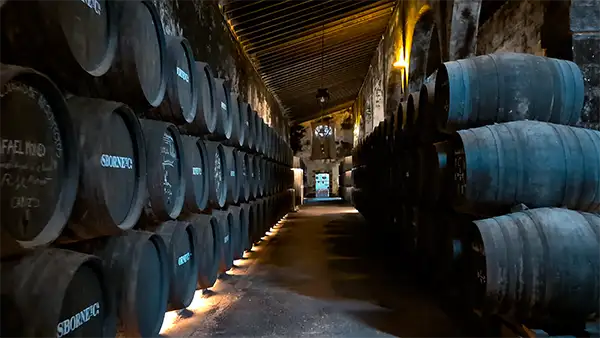
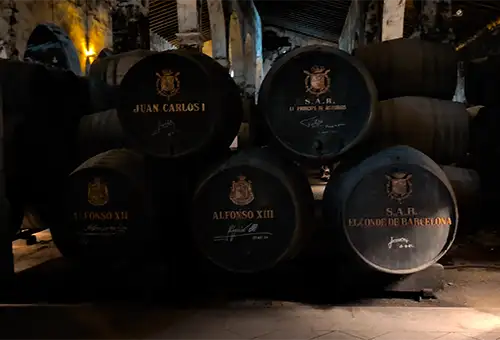
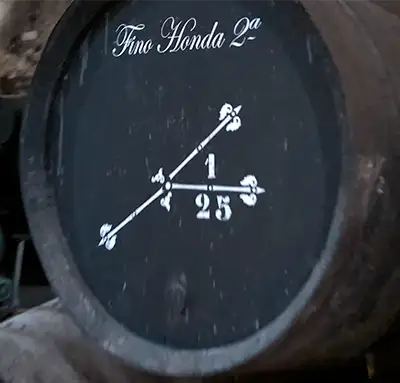
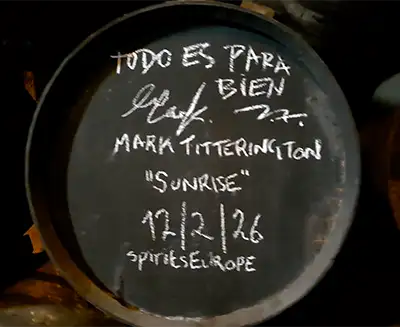
The visit has several interesting stops. We really enjoyed getting to grips with the differences between the wines they make (which we cover further down), and above all walking among the barrels (which here are called botas). We noticed that many wineries in the region have these barrels signed, like a visitors' book, and this one is no different. There are even several barrels dedicated to the Spanish kings.
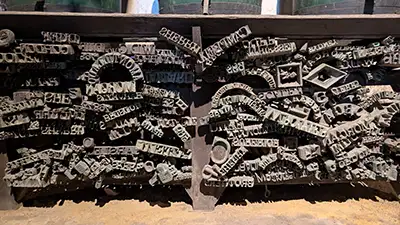
There was one corner that, for us, was the best of the whole visit. A wall of old typography moulds, the metal pieces used to stamp the names of the drinks onto the barrels and shipping crates, letter by letter. As a graphic designer, one of us stood there for ages, over a detail most people walk straight past.
The visit doesn't cover many more spaces. It's one large ageing hall, the bull museum (which we'll come to shortly) and the tasting area. It's short, but educational and interesting.
The Toro Gallery, the bull museum
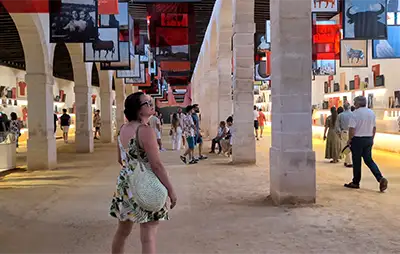
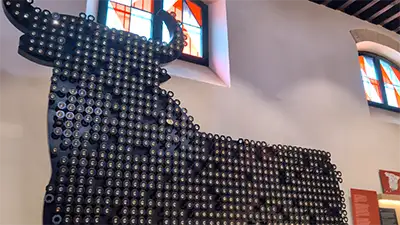
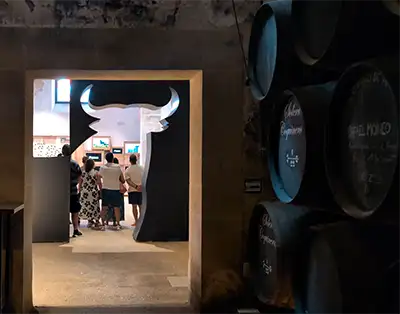
Near the end, the visit passes through the Toro Gallery, the museum Osborne set up inside the winery itself to tell the story of its most famous symbol, the black bull of the roads.This part was a delight. The brand's visual communication around the bull is flawless, and the space shows it off beautifully.
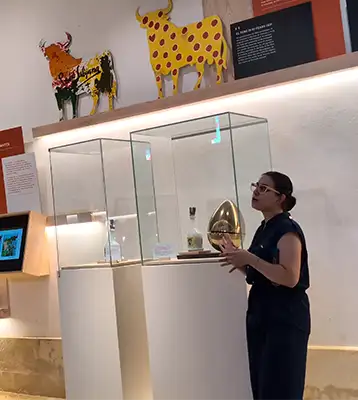
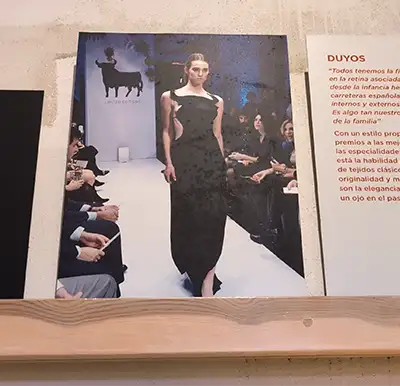
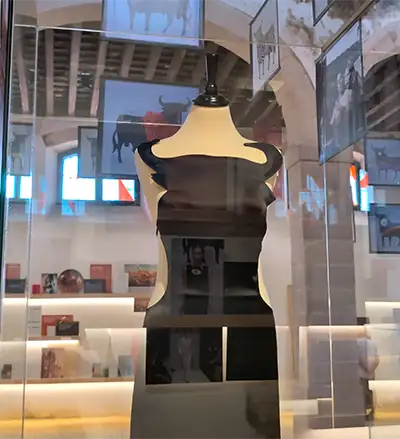
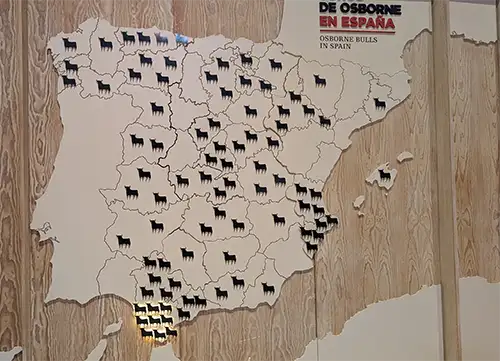
There's a huge map of Spain marking where each bull stands across the country. There are bulls reinterpreted by artists, full of colour, far from the original black silhouette. There's a giant bull made entirely of Swarovski crystals. And there's even a dress, a fashion piece inspired by the shape of the bull.
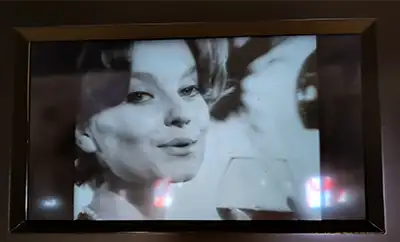
There's also the bottle that Salvador Dalí designed for Osborne in 1964. It's a white porcelain piece that looks like a swan, made for the Conde de Osborne brandy. Dalí not only designed the bottle, he also starred in the brand's advertising. The guide told us he insisted the advert show a woman tasting the brandy, something unthinkable at the time, when it was seen as a man's drink.
The tasting
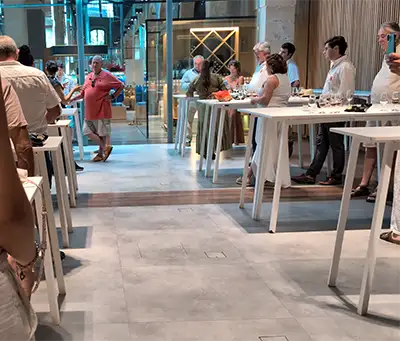
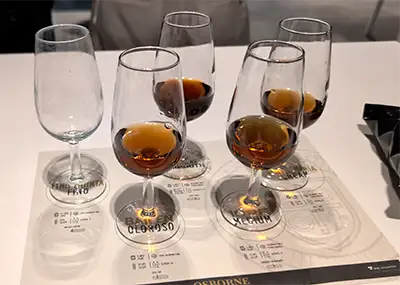
After the visit comes the part everyone's waiting for. The tasting takes place in a room at the back of the shop. The package we chose had 4 wines, a vermouth and a few crisps to clear the palate between one and the next. There were other packages too, with fewer wines or with charcuterie boards.
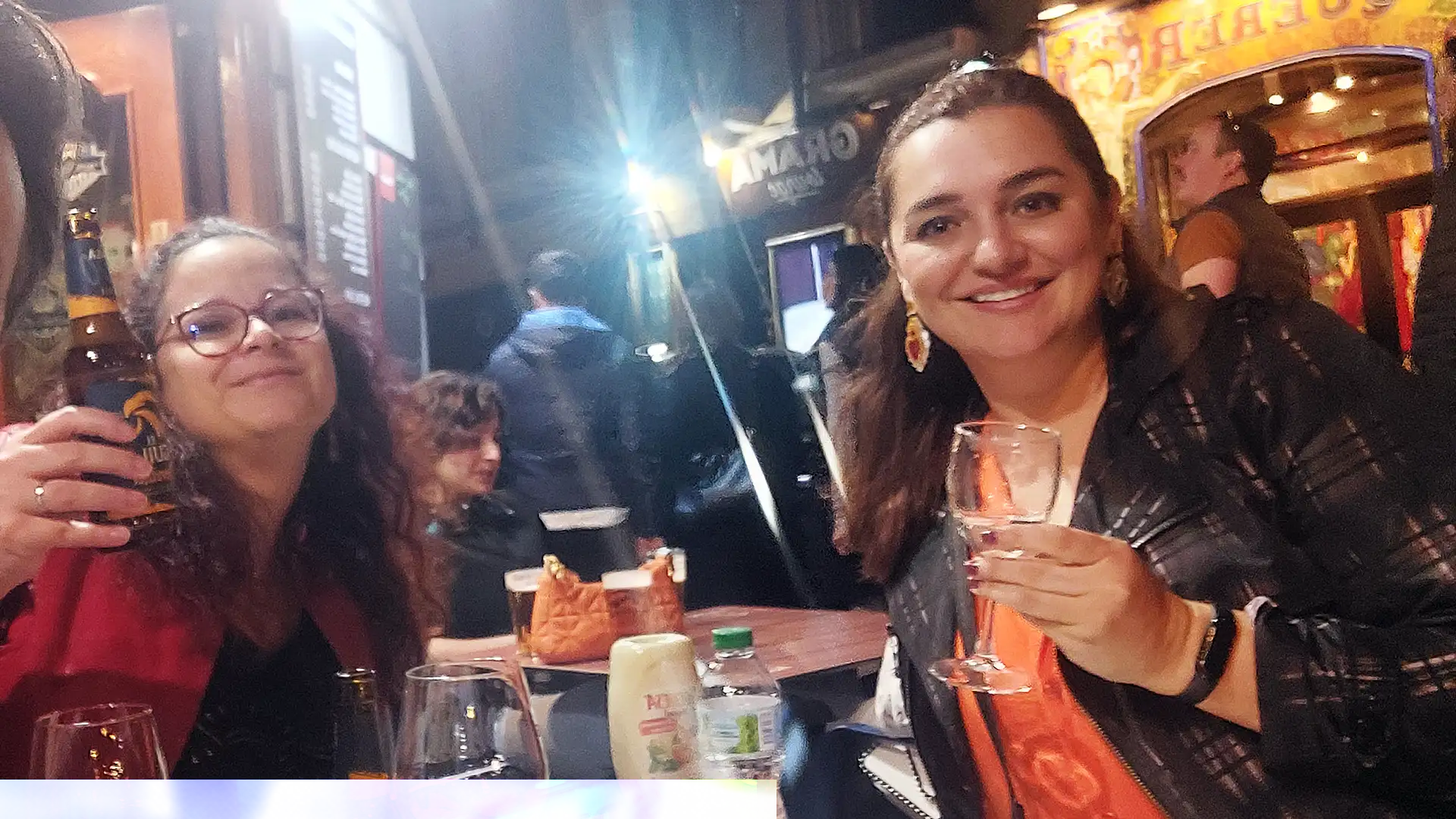
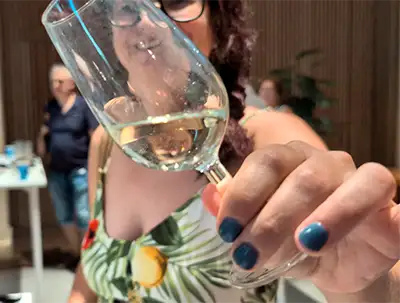
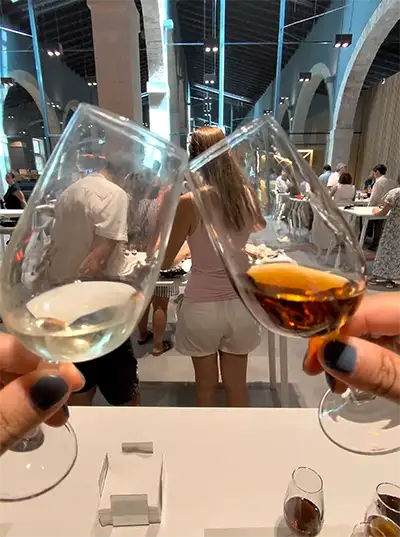
We tried a fino, an oloroso, a medium, a cream and a vermouth. The fino, as they rightly recommend, was served well chilled (which is why the glass is empty in the photo). Now, on to the opinion part. And we'll say upfront that it's OUR opinion, all right?
When they say the fino is the driest wine in the world, it's because it's the wine equivalent of biting into an unripe mango. Your whole mouth dries out. It's not our favourite, though we can see why it would be many people's, it's a matter of taste. The oloroso, to us, is like a fino with a bit more body and nose, but very dry too. The medium was our favourite, with a sweetness that breaks that umbrella-handle licking feeling. The cream is sweeter still, and lovely without being too much. The vermouth rounds things off nicely, well balanced, with a caramel note that works. One thing that sadly wasn't part of this tasting but that we've picked up on our own elsewhere: medium and cream with a cured cheese, like manchego, is a brilliant pairing. There's a tip for you.
Just be careful, because each of these wines is between 14 and 24% alcohol, so you can come out fairly tipsy. Bear that in mind if you're driving, because they're strong wines.
On the whole, we loved the tasting. And, since it's cleverly placed at the back of the shop, we ended up leaving a bit of money there, because a tipsy person has a loose hand, don't they. haha
A bit of knowledge: the wines of Jerez
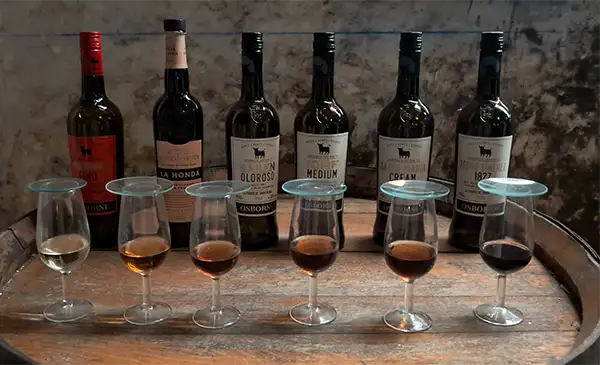
We're wine fans and always enjoy it when the processes are well explained, and this time it was genuinely interesting to understand the different types they produce. Jerez wines can be made from three grapes. The main one is palomino, the base of all the dry wines. The other two, pedro ximénez and moscatel, make the sweeter wines.
The flor
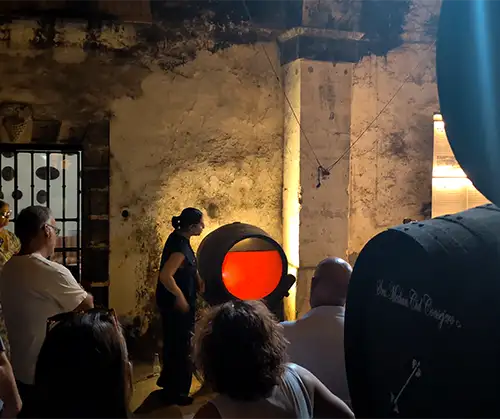
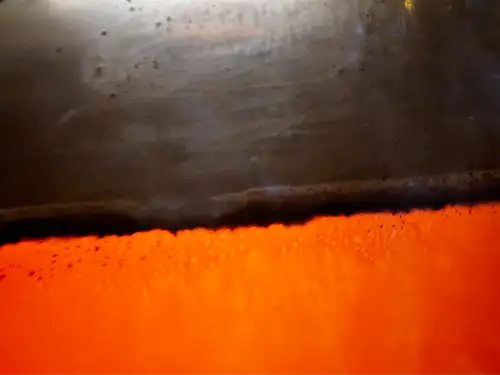
There's a layer of living yeast (called flor) that may or may not form inside the barrel as the wine ages, and it's one of the main things that determines which wine is being produced.
Where the flor grows and covers the wine, it protects it from the air and gives the paler, drier types. Where it doesn't form, the wine stays in contact with the air and ages dark and full-bodied.
Fino
The driest wine in the world*, it spends 4 years in the barrel. Always under the flor, which is why it's very pale. It has a very dry taste and is served chilled.
*Less than 1g of sugar per litre.
Amontillado
Starts out as a fino, under the flor, but at some point loses that layer and begins to take in air. It turns amber and more full-bodied, and is also fairly dry.
Oloroso
Never had any flor, in contact with oxygen the whole time. Dark, powerful, aromatic and also fairly dry.
Medium
A blend of oloroso (90%) with a little pedro ximénez (10%), which softens the dry edge. It sits in the middle, and was our favourite.
Cream
The same blend, with more pedro ximénez (80%), which makes it much sweeter. Dark, velvety, almost a dessert.
Pedro Ximénez
Made solely from the pedro ximénez grape, dried in the sun until it turns to a raisin, which concentrates all the sugar. The sweetest wine in the world*, very dark and full-bodied.
*More than 450g of sugar per litre.
Criaderas and soleras, the ageing system
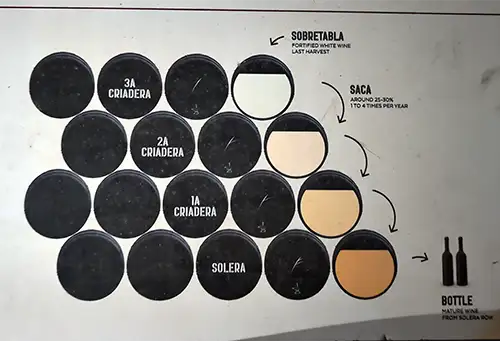
The barrels are stacked and organised by ageing level. The level with the oldest wine is called the solera. The other levels hold progressively younger wines and are called criaderas.
The wine for bottling is always drawn from the solera. One interesting point is that this drawing-off is partial and never exceeds a third of the barrel's capacity. The volume taken is topped up with wine from the next youngest level, which in turn is topped up by the one after it, and so on all the way down to the youngest level.
This constant transfer means no barrel ever holds wine from a single vintage, and essentially that every bottle contains century-old traces of wine from the very start of production.
Because it's such a delicate operation, moving the wine is done by only two highly specialised people, to rule out any margin of error. Just imagine some clueless soul mixing one barrel with another that should have been left alone and ruining centuries of flavour.
Practical information
Where it is
Bodega de Mora, Calle Los Moros, 7, El Puerto de Santa María, Cádiz. It's in the centre, easy to reach on foot.
Getting there and parking
The winery has no car park of its own. The nearest free areas are the one at the Plaza de Toros and the one on Avenida de la Bajamar.
Types of visit and prices (per person)
Standard: 4 wines, a vermouth and snacks: €26.50. This is the one we did.
Children aged 6 to 17 pay €5.
With Cinco Jotas cured meats: €38,50.
There are also VIP and Premium versions (the latter with 3 VORS wines, the oldest in the house), which cost more, plus a self-guided tasting and an en rama wine tasting. We'd suggest checking the official website if you're after that sort of visit.
Opening times
Each visit usually runs in one language:
- English: 10am
- German: 11am
- Spanish: 12pm and 7.30pm (in summer, 1 June to 15 September)
Duration
About 1h30.
Booking
Required, via the official website or by phone on +34 956 869 100.
Frequently asked questions
Yes, booking is required. You can do it through the official website or by phone on +34 956 869 100.
The standard visit, with four wines, a vermouth and snacks, costs €26.50 per person. Children aged 6 to 17 pay €5. There are more complete options, such as the one with Cinco Jotas cured meats (€38.50).
About 1h30, taking in the walk through the winery, the Toro Gallery and the tasting.
Yes. There's a guided visit in English at 10am, as well as visits in Spanish and German, and in French on request. So you can do the whole thing in English and catch all of the guide's explanations, which is where much of the charm is.
Yes, children are welcome and pay reduced entry. Just bear in mind that the focus of the visit is the production and tasting of wine.
No. The visit explains everything from scratch, from what the flor is to the types of Jerez, so you can follow it without knowing a thing about the subject. At the end, the tasting helps you feel the difference between one wine and another first-hand.