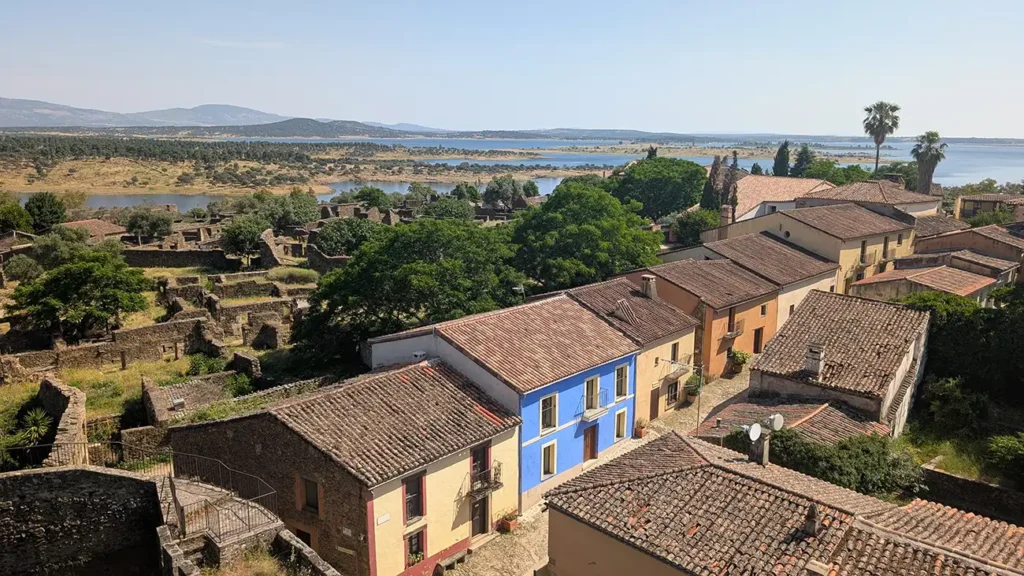
Granadilla is an abandoned village in the province of Cáceres, considered one of the most beautiful ghost villages in Spain! Its residents were forced to leave in the 1960s to make way for a reservoir that, in the end, never actually flooded it. The houses were left empty, the streets fell silent, and the place stayed exactly as it was, with its walls, its castle, and its history intact.
We visited on a May afternoon, on a weekday, and there was hardly anyone around. In this article we share our experience and recommendations, with plenty of photos to help you plan your visit!
Why was Granadilla abandoned
Granadilla is a village founded in the 9th century, when the Moors built a defensive post here to control the passage along the Via de la Plata. For centuries it was a thriving settlement, with residents, trade, and everyday life. Its original name was Granada, and it only changed to Granadilla in 1492, when the Catholic Monarchs conquered the Andalusian city and wanted to avoid confusion with the names.
In 1955, the Spanish government decreed the compulsory purchase of the municipality for the construction of the Gabriel y Galán reservoir. Residents were forced to leave on the grounds that the area would be flooded. In 1964, the last resident left the village.
And here comes the great irony. The reservoir never flooded Granadilla! The village sits on a hill above the water level. What was submerged were the agricultural lands surrounding it, the main source of income for its residents. Without the fields, there was no livelihood.
In 1980, Granadilla was declared a Historic-Artistic Site, and since 1984 it has been part of a recovery programme that brings students from across Spain to live and work in the village.
Granadilla Castle
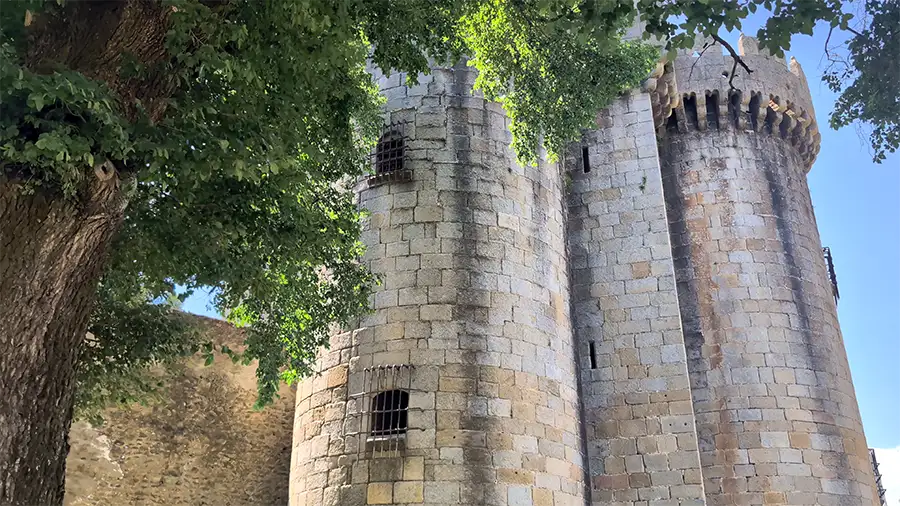
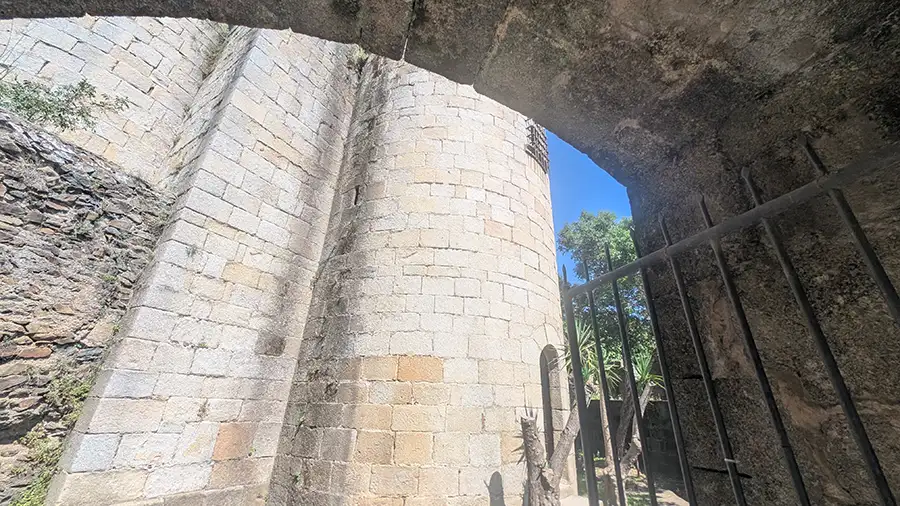
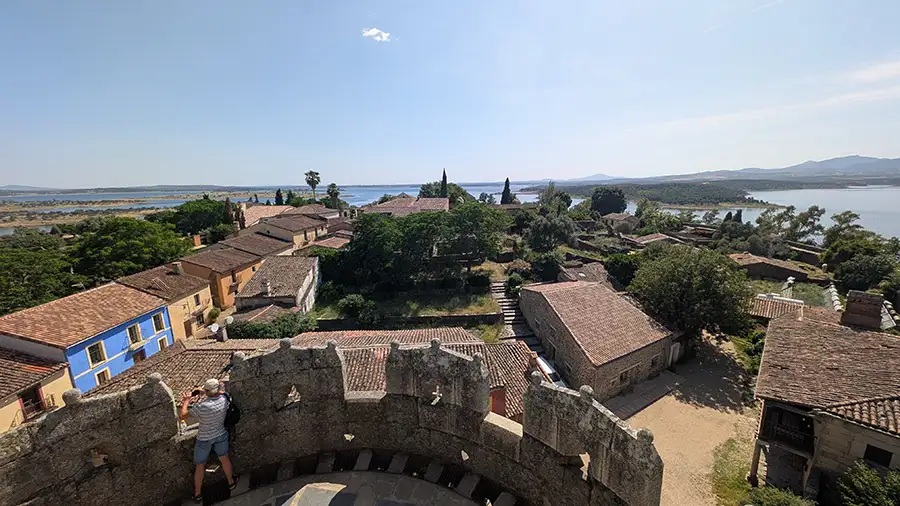
The castle is the first thing you see when you enter through the gateway in the wall. It was built in the 15th century by the first Duke of Alba and has an unusual layout, with a central tower and four semicircular towers, one on each face. This gives it a shape unlike any other castle in the region.
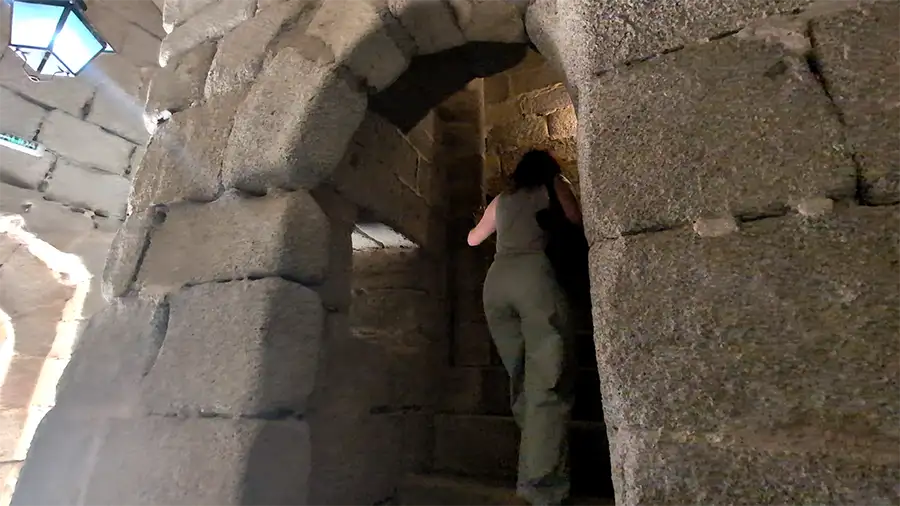
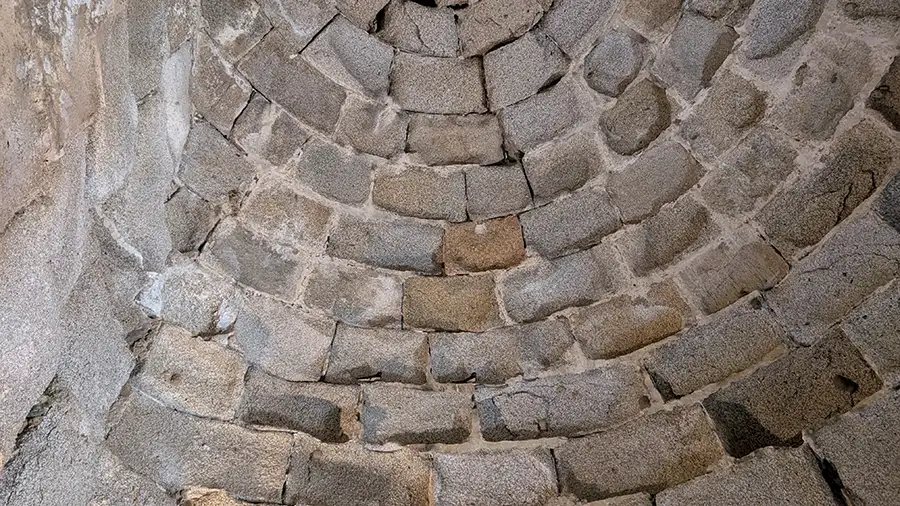
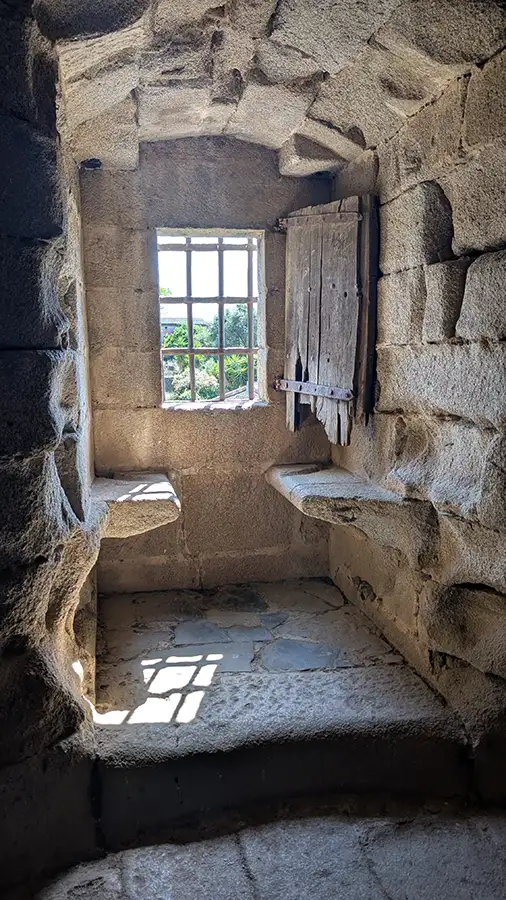
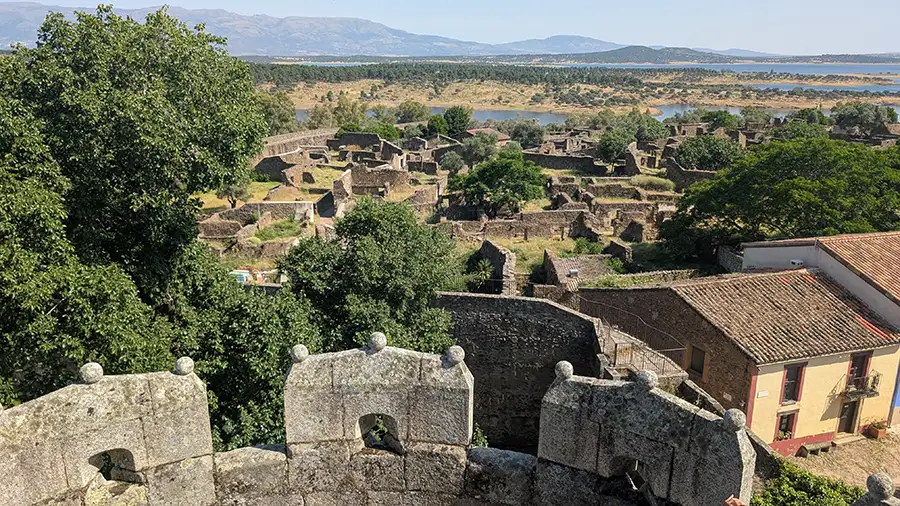
Entry is free and it is well worth climbing to the top. The ascent takes you through different floors and has a sense of discovery, as though you are exploring the place for the first time. We went on a weekday and there was almost nobody there, which made the whole thing feel even more like an Indiana Jones adventure. From the top you can see the entire valley, the Gabriel y Galán reservoir in the background, and the whole village spread out below.
The walls of Granadilla
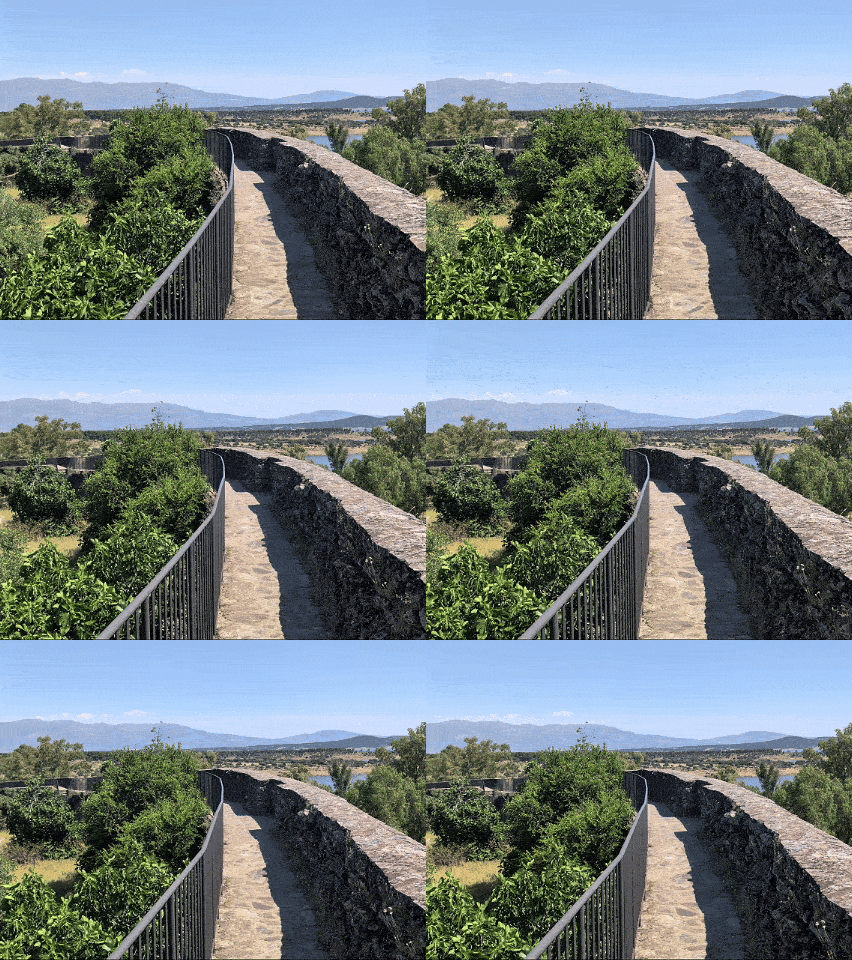
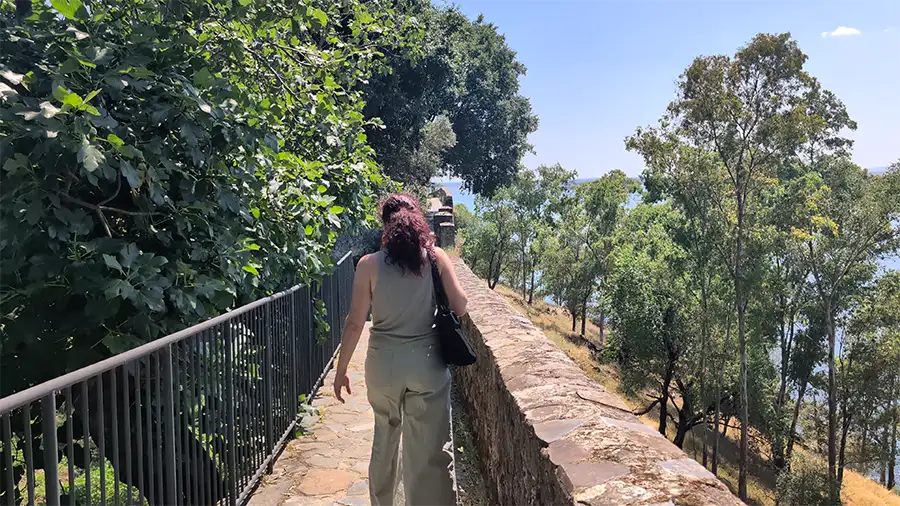
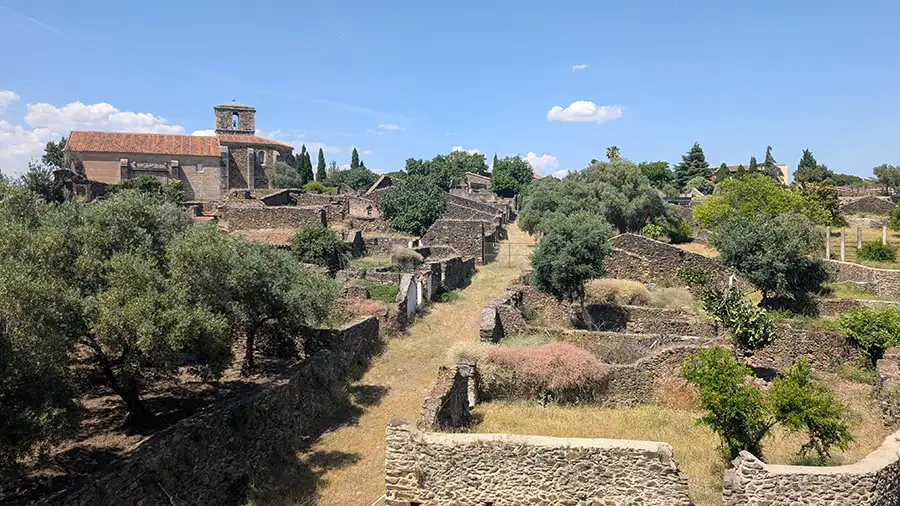
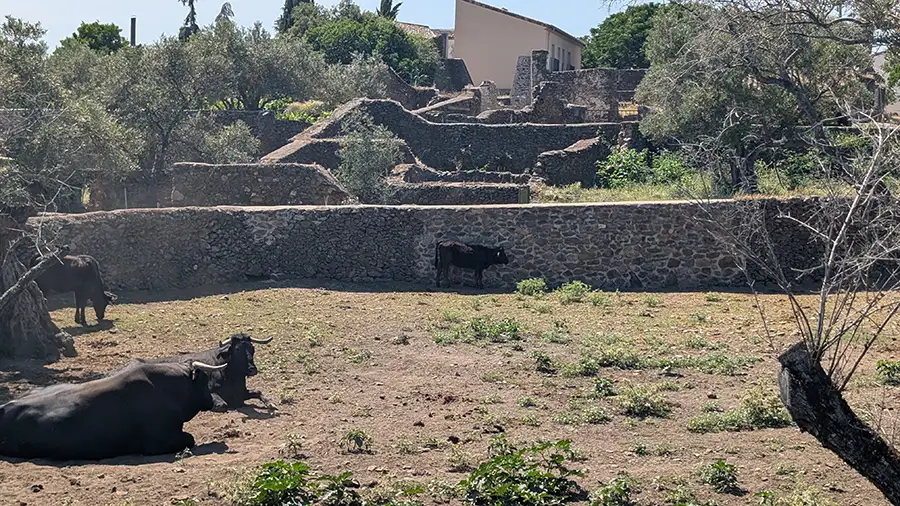
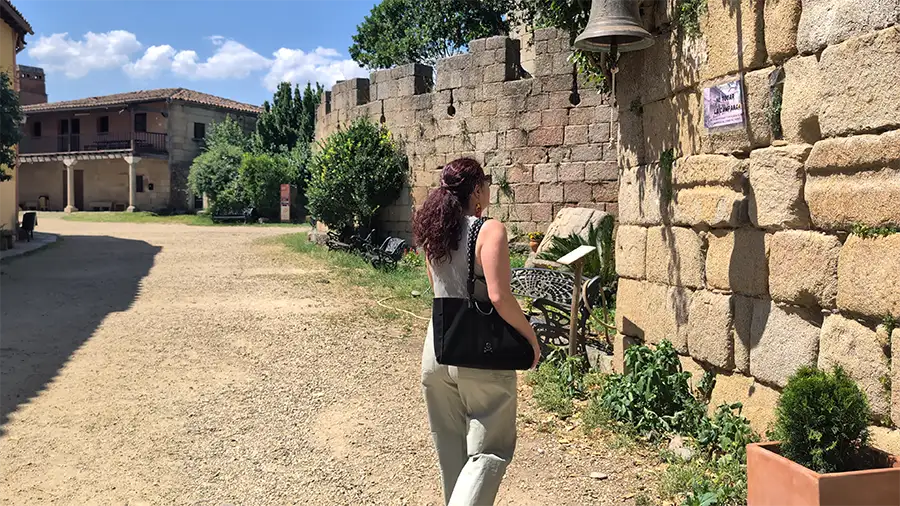
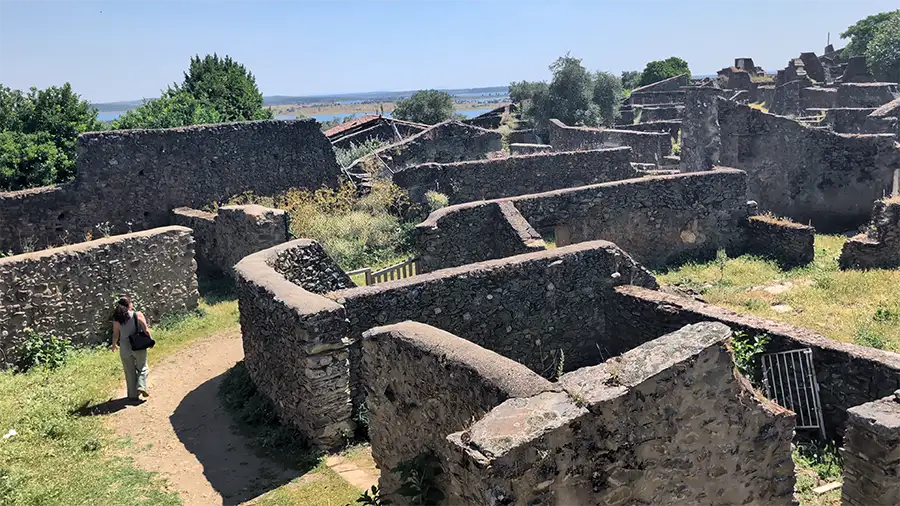
You can walk along a good stretch of the walls and see the whole village from above. Some sections are well restored, others are little more than ruins (like walking over a sea of loose stones). What really caught our attention were the horses, vines, and other animals that appeared amongst the ruins in the most abandoned section. Nobody lives in Granadilla, but the space is still being used as part of an educational programme.
We went in May under a blazing sun, and there is absolutely no shade on the walls. If you are visiting during warmer months, go prepared: hat, sun cream, and water, at the very least. It is also worth knowing that once you start walking along the walls, there are not many ways down along the route. You either carry on or turn back the way you came.
Granadilla had two historic entrances, as was common in medieval walled towns. The Puerta de la Villa, to the north, was the main entrance and is where everyone enters today. The Puerta de Coria, to the south, was the secondary entrance and is closed to visitors.
What else to see in Granadilla
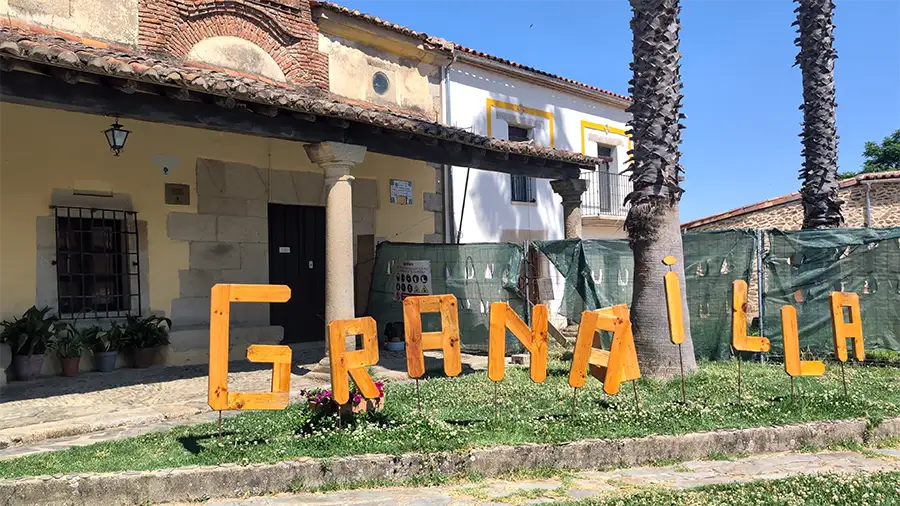
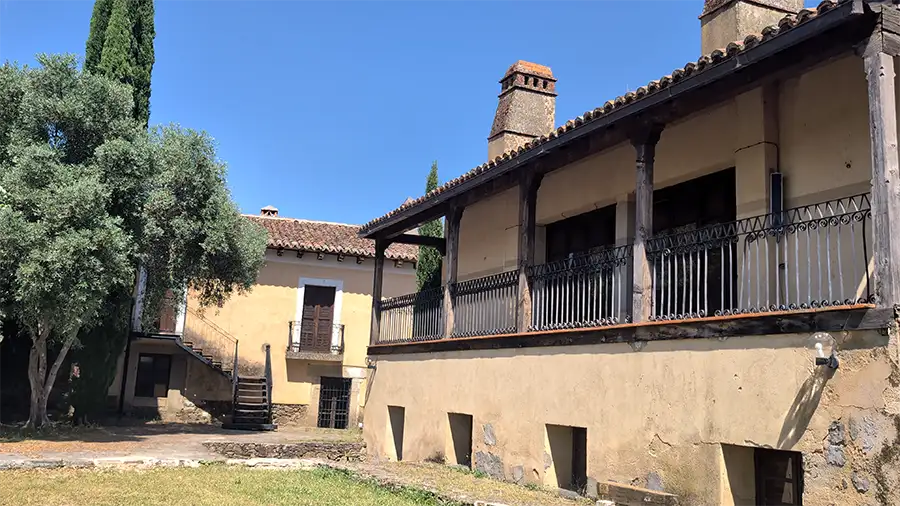
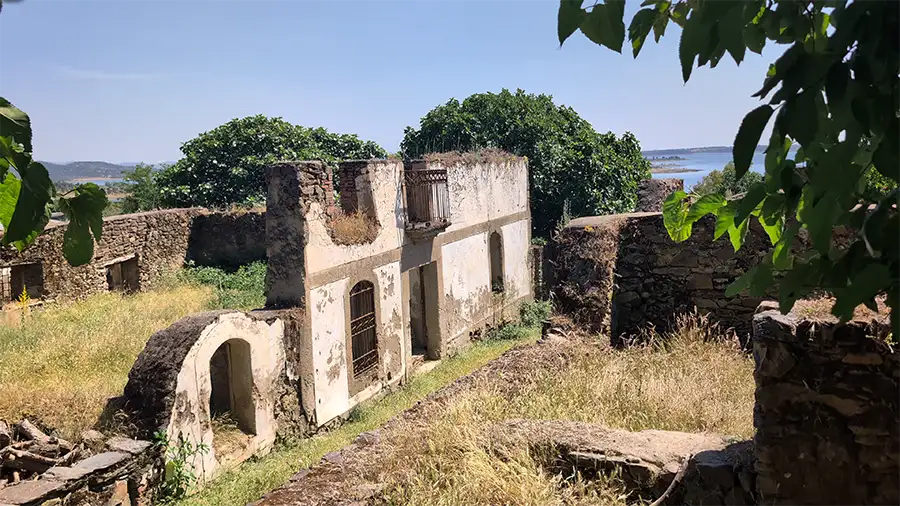
The Plaza Mayor is the heart of the village and where the most restored buildings are, including the old town hall. The best thing to do is explore the restored houses and ruins at your own pace, so take your time!
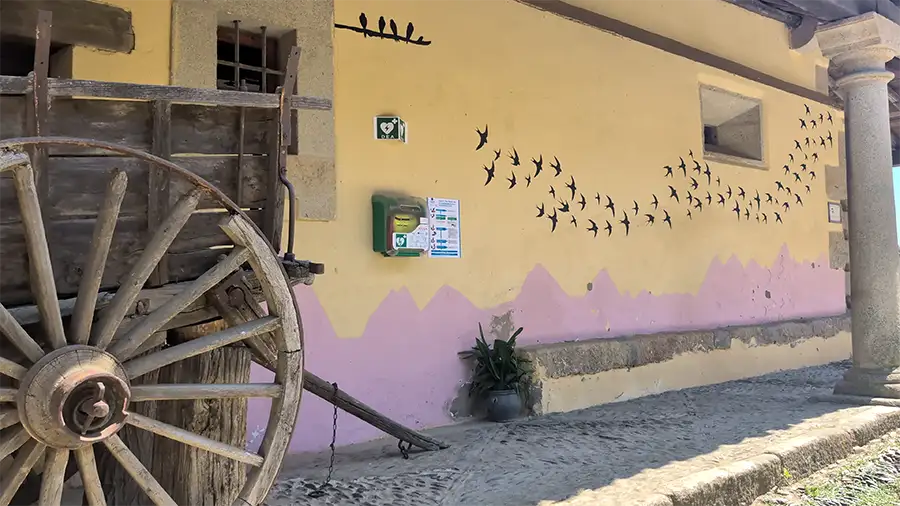
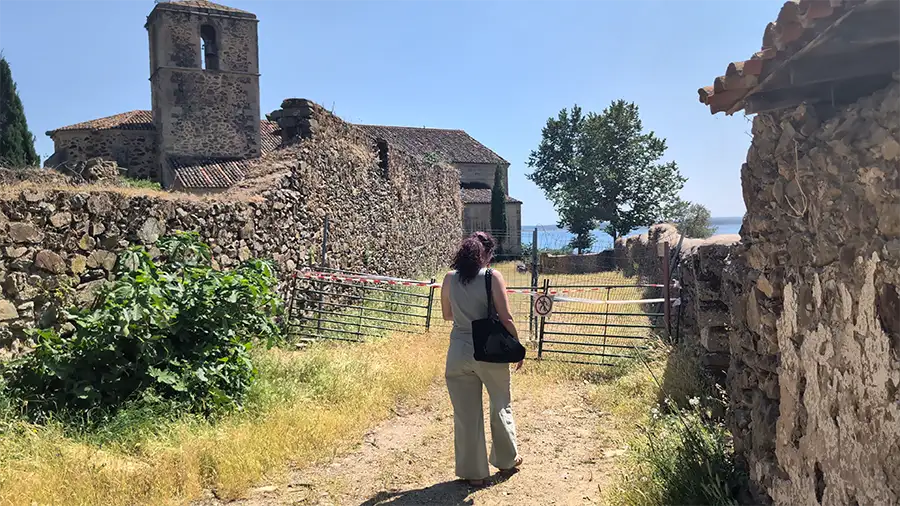
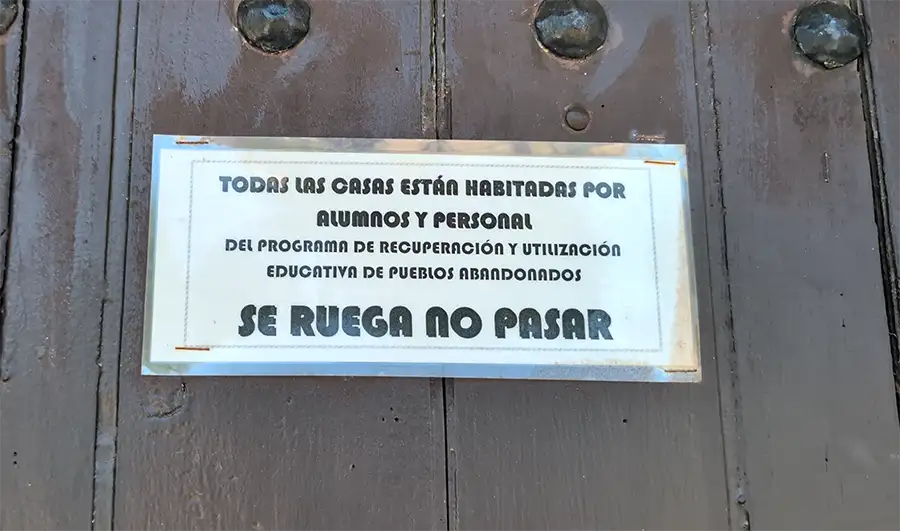
Many streets are closed due to ongoing works or the risk of collapse, so the area you can actually explore is smaller than it looks. The restored houses are used by students and teachers on the educational programme.
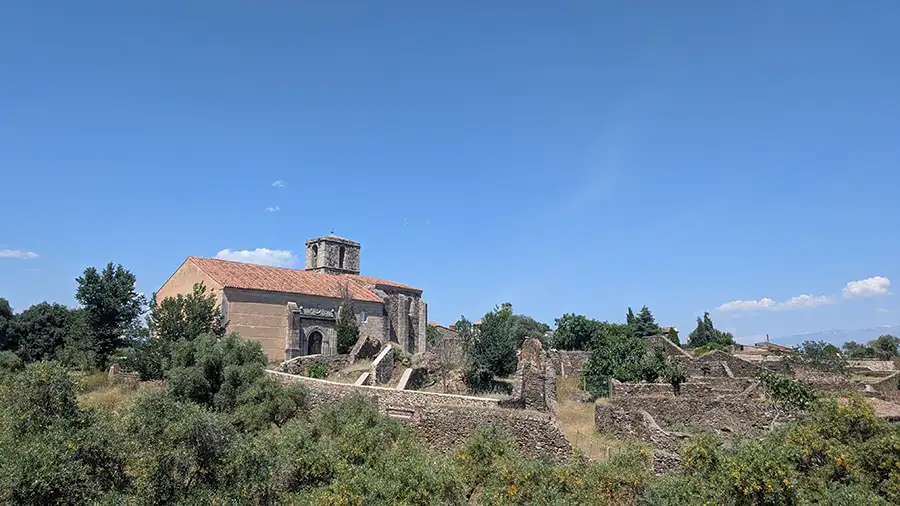
The Church of the Assumption is set a little further away, built in the 16th century in late Gothic and Renaissance style. When we visited, the streets leading to it were closed for restoration works and we could not get there. If you would like to go inside, the church opens to the public twice a year, on August 15th and November 1st.
The recovery programme keeping Granadilla alive
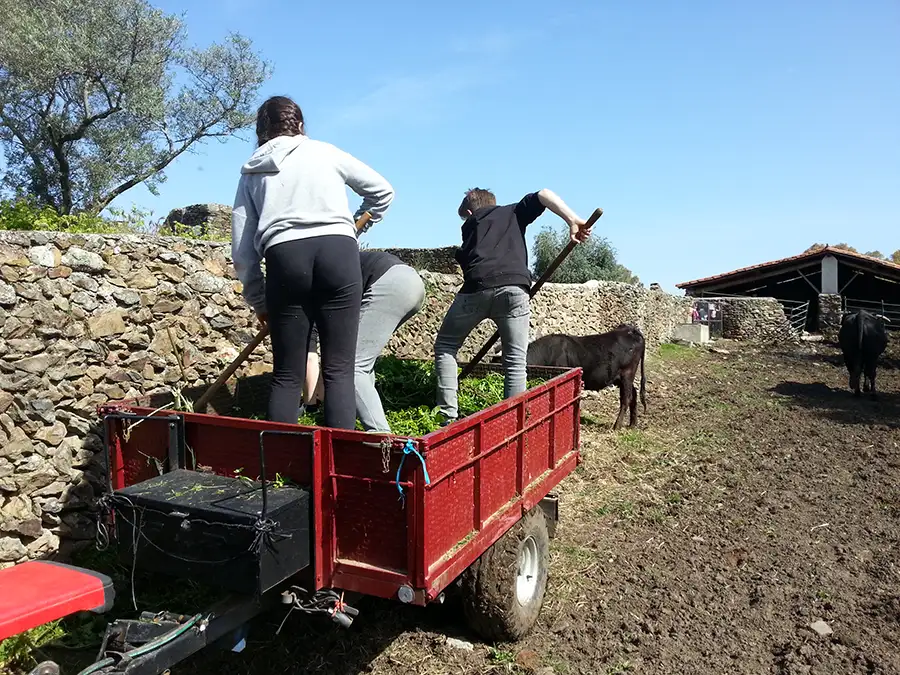
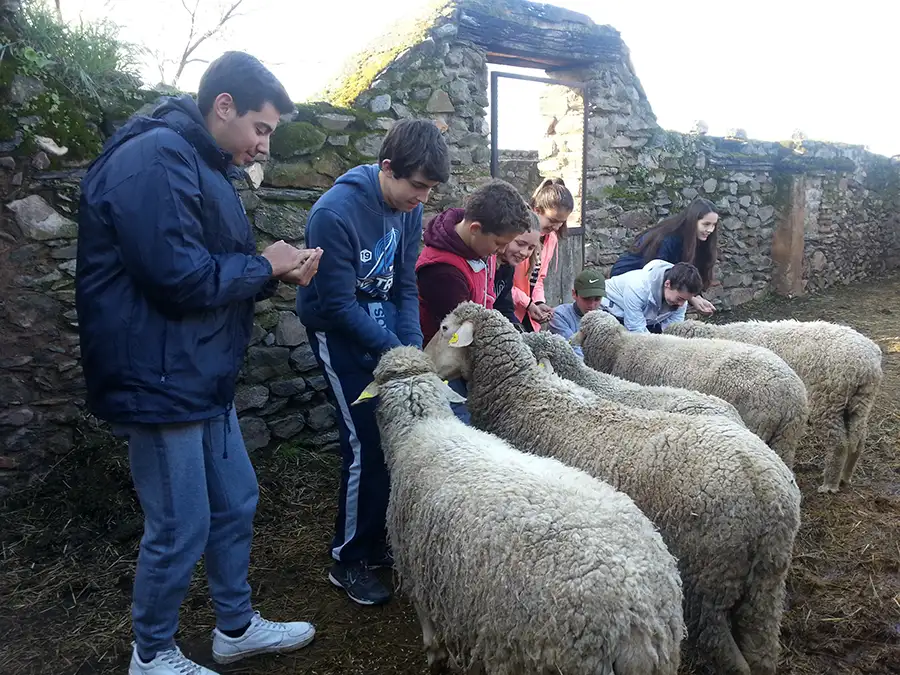
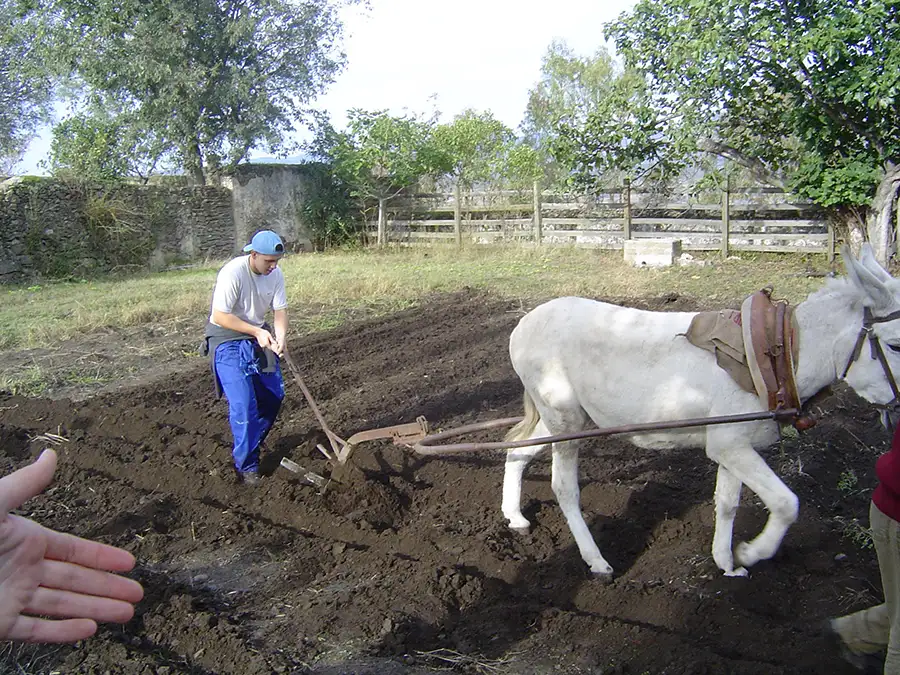
Since 1984, Granadilla has been part of the Interministerial Programme for the Recovery and Educational Use of Abandoned Villages, known as PRUEPA. The aim is to bring students who live in cities to learn traditional crafts and ways of life that are disappearing, such as bricklaying, carpentry, ceramics, farming, and animal husbandry. Groups from across Spain arrive every week and stay in the village, in houses adapted as accommodation for students and teachers.
This is why certain streets appear closed and access to some areas is restricted. Without this programme, Granadilla would most likely still be nothing but ruins.

Practical information
How to get there
The only way to get there is by car, as there is no public transport available. Take the Via de la Plata motorway (E-803), take exit 442 towards Zarza de Granadilla, and follow the signs to the village. Parking at the entrance is free.
Opening hours
- Monday: closed
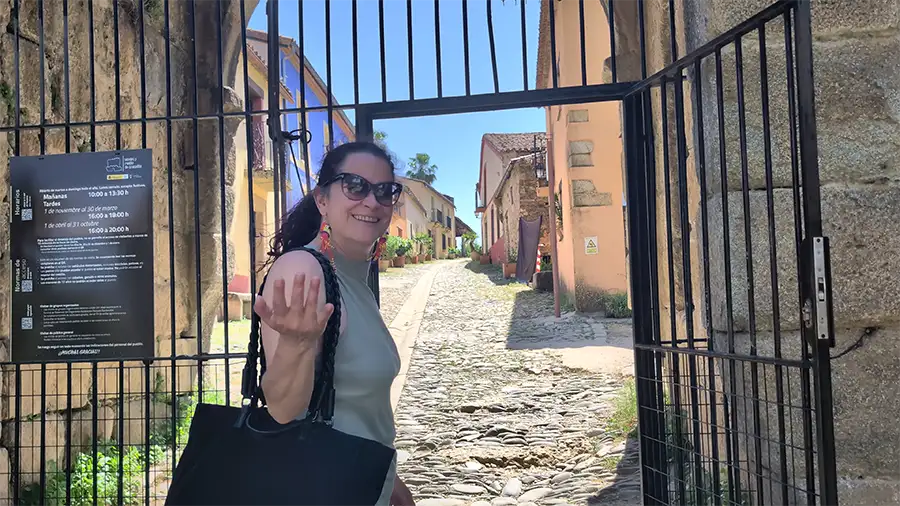
- April to October: 10:00 AM to 1:30 PM and 4:00 PM to 8:00 PM
- November to March: 10:00 AM to 1:30 PM and 4:00 PM to 6:00 PM
- Free entry
So, is it worth it?
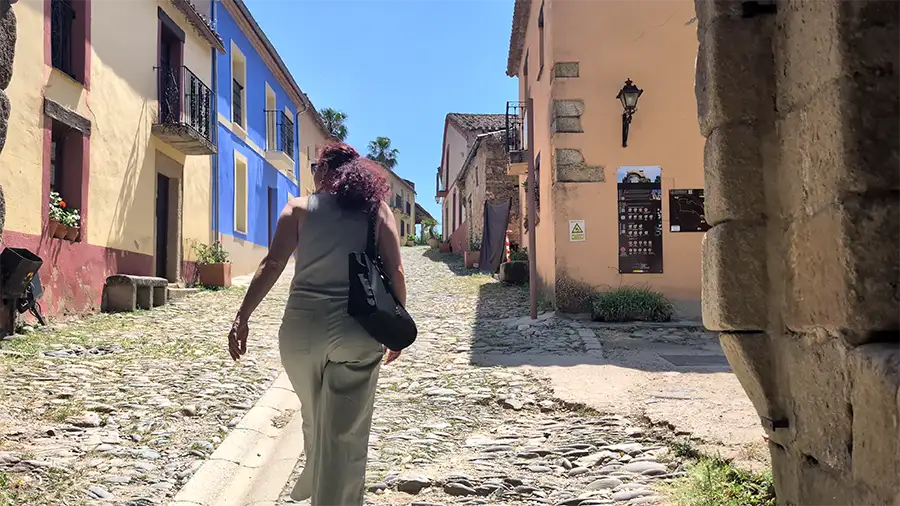
For us, the best thing about Granadilla was wandering without a plan. Turning down a street, finding a crumbling wall, rounding a corner and coming across a horse amongst the ruins. There is something genuinely exploratory about it, almost archaeological, like walking through a place that was frozen in time without anyone noticing.
We went on a weekday and there was almost nobody around. That makes all the difference. No groups, just empty streets and the feeling of discovering the place for the first time. If you can, avoid weekends and bank holidays.
Granadilla will not impress you with museums or organised attractions. What it offers is something else entirely. Ruins you can touch, history you can walk through, and a silence that makes you imagine what it was like when people actually lived here. It is well worth a visit.
FAQ
Between an hour and a half and two hours is enough to explore the castle, the walls, and the streets at a relaxed pace.
No booking is required for individual visitors or families. Only organised groups of more than 50 people need to book in advance.
Yes, but they must be kept on a lead at all times. There are farm animals inside the village and areas under restoration.
There are no restaurants or bars inside Granadilla. The nearest village with eating options is Zarza de Granadilla.
Spring and autumn are the most pleasant times to visit. In summer it gets very hot and the walls offer no shade.